Mold Remediation Cost in Cape Coral: What Homeowners Need to Know
If you’ve spotted dark patches on your ceiling, caught a musty odor behind walls, or recently dealt with flooding from a tropical storm, you’re probably asking the same question every Cape Coral homeowner eventually asks: how much does mold remediation cost? The honest answer is that it depends on several interconnected factors — but this guide breaks down every one of them so you can walk into any conversation with a remediation specialist fully informed. We’ll cover what drives removal costs, typical project tiers, how your insurance policy may respond, and what makes Southwest Florida’s climate a uniquely challenging environment for keeping a home mold-free.
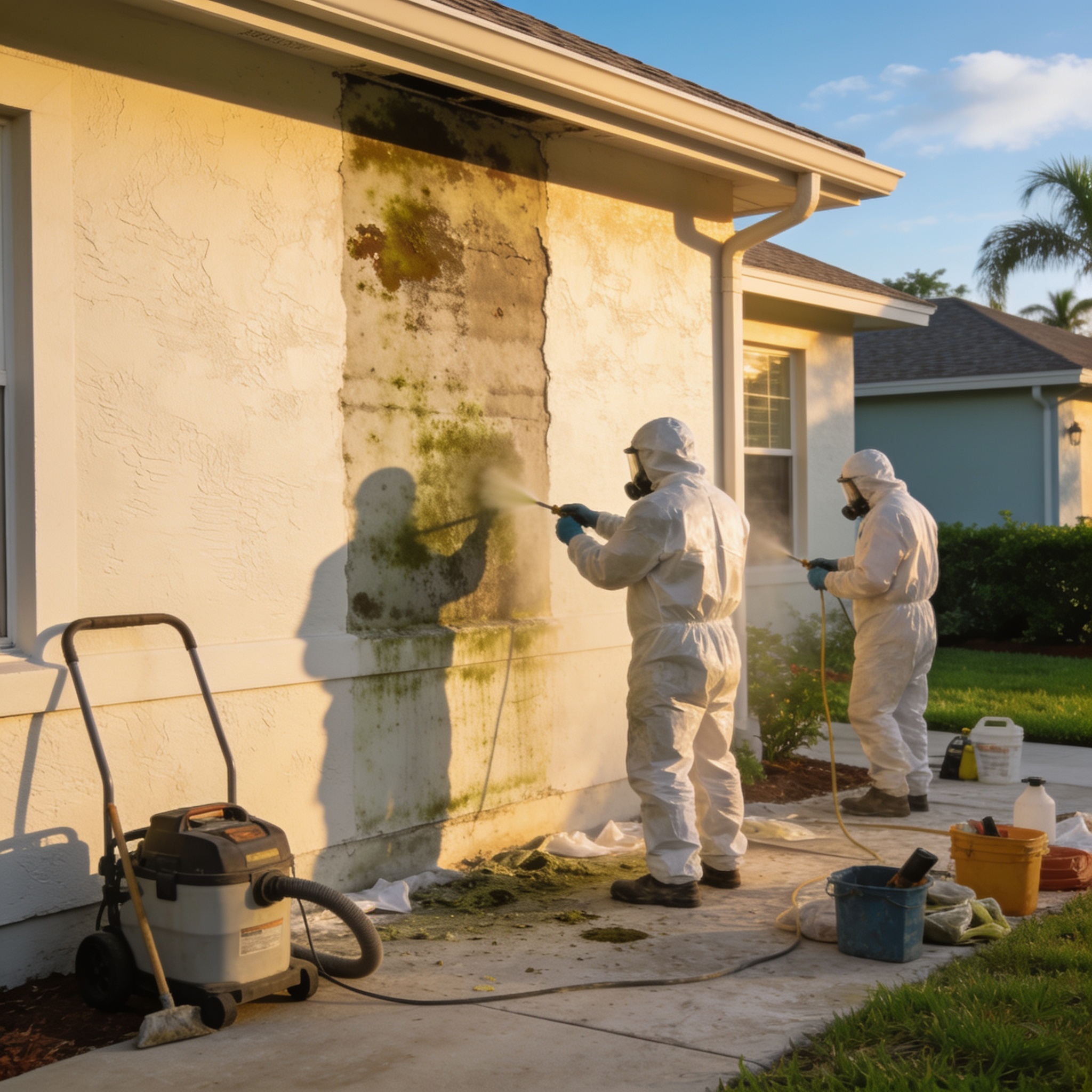
What Drives Mold Remediation Removal Costs in Cape Coral
Mold remediation cost in Cape Coral is shaped by a combination of environmental, structural, and logistical variables. Understanding each one helps you evaluate quotes accurately and avoid overpaying — or underpaying for incomplete work.
Size of the Affected Area
The size of the affected area is the single biggest pricing lever. Most remediation companies price by square footage. A small bathroom ceiling patch under 10 square feet is a very different job from a crawl space or attic where mold growth has spread across hundreds of square feet of insulation and framing. In Cape Coral’s slab-on-grade construction (there are no basements here), mold most commonly colonizes attics, HVAC air handler closets, and interior wall cavities — areas that require careful access and containment.
Type of Mold and Severity
Not all mold is created equal. Surface mold on tile grout is a cleaning issue. Black mold — specifically Stachybotrys chartarum — growing inside drywall or ductwork is a full remediation event. Black mold removal requires stricter containment protocols, more aggressive HEPA filtration, and sometimes post-remediation clearance testing, all of which add to the final bill. Mold spore counts in the air also matter: a high spore load means more air scrubber run-time and longer structural drying cycles.
Water Damage Source and Duration
Mold doesn’t appear without moisture. In Cape Coral, the most common moisture sources are roof leaks after hurricanes, plumbing failures, HVAC condensate line overflows, and storm surge flooding. The longer water damage goes unaddressed, the deeper mold penetrates into porous materials like drywall, insulation, and wood framing. A leak caught within 24–48 hours may cost a fraction of what a slow, hidden leak discovered months later will require. Water damage restoration services — including water extraction and structural drying — are often bundled with mold remediation when the source is active or recent. Emergency water damage restoration is especially critical after tropical storms, when rapid response limits how far moisture spreads into building materials.
Material Type and Accessibility
Porous materials like drywall, carpet, and building insulation typically must be removed and disposed of rather than cleaned in place. Non-porous surfaces like concrete block (very common in Cape Coral construction) can often be treated with antimicrobial solutions and HEPA-vacuumed. Hard-to-reach spaces — inside HVAC system ductwork, behind cabinetry, or under flooring — increase labor time and therefore cost.
Southwest Florida’s Humidity Factor
Cape Coral sits in Lee County, where average outdoor humidity hovers above 70% for most of the year. That indoor humidity bleeds into homes through every gap, crack, and poorly sealed penetration. Even homes without a leak history can develop a mold problem if air conditioning systems are undersized, poorly maintained, or shut off during seasonal vacancy. Fort Myers, Bonita Springs, and Naples face the same challenge — and Fort Myers water damage restoration professionals frequently respond to mold cases that began with nothing more than a malfunctioning AC unit during the summer rainy season. Controlling indoor humidity below 60% is the foundation of any long-term mold prevention strategy — and it’s a factor certified mold professionals will assess during your inspection.
Typical Mold Remediation Project Tiers and Cost Ranges
The following table reflects realistic average cost ranges for professional mold remediation in Cape Coral and the broader Southwest Florida market. These are ballpark figures; your specific project may fall above or below based on the variables above.
| Project Tier | Typical Scope | Estimated Cost Range |
|---|---|---|
| Small / Isolated | Single bathroom, small closet, under 25 sq ft | $500 – $1,500 |
| Moderate | One room, crawl space, or partial attic; 25–100 sq ft | $1,500 – $5,000 |
| Large / Multi-Room | Multiple rooms, full attic, HVAC system involvement | $5,000 – $10,000 |
| Severe / Whole-Home | Extensive mold infestation, structural damage, black mold removal throughout | $10,000 – $30,000+ |
| Mold Inspection / Testing Only | Visual inspection, air sampling, mold testing report | $200 – $600 |
The cost of mold remediation in the $5,000–$15,000 range is the most common bracket for Cape Coral homeowners dealing with post-hurricane water damage and mold. Projects involving toxic mold behind walls in multiple rooms, or mold damage to an HVAC system, can push well past $15,000 once structural repairs are factored in.
Mold Inspection and Free Inspection: The Essential First Step
Before any remediation plan is written, a thorough mold inspection is essential. A qualified inspector will conduct on-site inspections using moisture meters, thermal imaging cameras, and air sampling equipment to identify both visible and hidden mold growth. Mold testing — sending air or surface samples to an accredited lab — tells you the specific mold type and spore concentration, which directly informs the remediation approach.
In Cape Coral and Fort Myers, look for companies whose inspectors hold IICRC certification (Institute of Inspection, Cleaning and Restoration Certification). IICRC-certified professionals follow standardized protocols that insurance companies recognize, which matters enormously when you’re filing a claim. Many reputable mold removal services offer a free inspection and estimate as a first step — take advantage of it, but confirm that any subsequent mold testing fees are disclosed upfront.
For a full list of vetted professionals, see our directory of Mold Remediation & Removal Companies in Southwest Florida.
Insurance, Water Damage, and Who Pays
Whether your homeowner’s insurance covers mold remediation depends almost entirely on the source of the moisture. Florida home insurance policies generally cover mold that results from a sudden, accidental covered peril — a burst pipe, an appliance leak, or storm-driven water intrusion. They typically exclude mold caused by long-term neglect, poor ventilation, or flooding (which requires a separate NFIP or private flood policy).
Here’s what to do if you suspect a covered loss:
- Document everything with photos and video before any cleanup begins.
- Contact your insurance company promptly — delays can complicate claims.
- Request a written scope of work from your remediation specialist before work starts.
- Ask your contractor whether they work directly with insurance adjusters; many water damage restoration companies in Cape Coral do.
- Keep all receipts for emergency water extraction, dehumidifier rentals, and temporary housing if applicable.
- Confirm whether your policy includes coverage for mold testing fees and post-remediation clearance inspections, as these costs are sometimes reimbursable under a covered claim.
Cape Coral sits in a designated flood zone, and after major storms like Hurricane Ian, thousands of Lee County homeowners discovered that standard homeowner’s policies didn’t cover storm surge damage. If your mold issue traces back to flooding, your flood policy — not your homeowner’s policy — is the right starting point. A knowledgeable Water Damage Restoration in Cape Coral can help you document losses correctly for either type of claim.
Fort Myers and Cape Coral: Water Damage Restoration Company Options Across Lee County
Because Cape Coral and Fort Myers share a border and face identical climate conditions, many restoration contractors serve both cities from the same base of operations. When selecting a water damage restoration company for a mold-related project in either city, the criteria are the same: IICRC certification, experience with Florida’s specific building stock (concrete block, tile roofs, slab foundations), and the ability to handle both water damage restoration and mold remediation under one roof. A single contractor managing both phases reduces handoff delays, keeps documentation consistent for insurance purposes, and typically lowers the overall project cost.
Fort Myers homeowners dealing with mold that originated from water intrusion should look for a water damage restoration company that offers integrated services — water extraction, structural drying, mold containment, and post-remediation verification — rather than hiring separate vendors for each phase. The same applies to Cape Coral residents: a full-service provider familiar with Lee County’s flood zones, building codes, and insurance landscape will deliver a faster, more cost-effective outcome.
The Professional Mold Remediation Services Process
Understanding the remediation process helps you verify that any company you hire is doing the job correctly — not just spraying bleach and calling it done.
Step 1: Inspection and Assessment
A certified mold inspector evaluates the extent of the damage, identifies moisture sources, and collects samples for mold testing if needed. This step produces the remediation plan.
Step 2: Containment
The affected area is isolated using plastic sheeting and negative air pressure to prevent mold spores from spreading to clean areas of the home during work. Proper containment is non-negotiable for professional remediation.
Step 3: Air Filtration
HEPA air scrubbers run continuously throughout the project, capturing airborne spores and improving air quality inside the work zone. HEPA filtration is the industry standard for mold remediation.
Step 4: Removal and Cleaning
Porous materials like drywall and insulation are removed, bagged, and disposed of per Florida regulations. Non-porous surfaces are HEPA-vacuumed and treated with EPA-registered antimicrobial solutions. For mold removal inside HVAC ductwork, specialized equipment and duct-cleaning protocols apply.
Step 5: Structural Drying
Industrial dehumidifiers and air movers perform structural drying to bring moisture levels in wood framing and concrete block back to acceptable levels. Skipping this step is the most common reason mold returns.
Step 6: Post-Remediation Verification
A clearance inspection — ideally performed by a third-party inspector — confirms that spore counts have returned to normal and the home is mold-free before reconstruction begins.
To get rid of mold permanently, every step matters. Cutting corners on containment or skipping post-remediation testing is how mold problems resurface within months. Browse our directory of restoration companies in Cape Coral, FL to find professionals who follow the full protocol.
How to Prevent Mold After Remediation in Southwest Florida
Professional remediation addresses existing mold growth, but Cape Coral’s humid climate means prevention is an ongoing commitment. To prevent mold from returning:
- Maintain indoor humidity below 60% year-round using your HVAC system and supplemental dehumidifiers.
- Service your HVAC system at least twice a year — a clogged condensate drain is one of the most common causes of hidden water damage in Southwest Florida homes.
- Inspect your roof and flashing after every storm season; even minor roof leaks create the moisture conditions mold needs.
- Ensure bathroom and kitchen exhaust fans vent to the exterior, not into the attic.
- Address any plumbing drips or slow leaks immediately — don’t wait for visible mold to appear.
- Consider an air quality monitor to track indoor humidity and catch problems early.
- Schedule a professional moisture assessment if your home has been vacant for an extended period, as unoccupied homes with the AC off are especially vulnerable to rapid mold growth in Lee County’s climate.
Homeowners who invest in prevention after professional remediation services are far less likely to face a repeat mold issue — and far less likely to face a five-figure remediation bill a second time.
Frequently Asked Questions
How much does mold remediation cost for an average Cape Coral home?
For most Cape Coral homeowners, mold remediation costs fall between $1,500 and $10,000 depending on the size of the affected area, the type of mold, and whether water damage restoration is also needed. Severe cases involving black mold removal across multiple rooms or inside an HVAC system can reach $15,000 to $30,000 or more. The best way to get an accurate number is to schedule a free inspection with a certified mold remediation company who can assess the specific extent of the damage in your home.
Does homeowner’s insurance cover mold removal in Florida?
It depends on the cause. Most Florida homeowner’s insurance policies cover mold remediation when it results from a sudden, covered peril like a burst pipe or storm-driven rain intrusion. They typically exclude mold caused by long-term neglect, poor ventilation, or flooding. If your mold issue stems from a flood event — common in Cape Coral’s flood zones — you’ll need to file through your separate flood insurance policy. Always contact your insurance company promptly and document all damage before cleanup begins.
What is the difference between mold inspection and mold testing?
A mold inspection is a visual and instrument-based assessment performed by a certified inspector to identify visible mold growth, moisture sources, and areas of concern. Mold testing involves collecting air or surface samples and sending them to an accredited laboratory to identify the specific mold type and measure spore concentrations. Testing is not always required, but it’s valuable when mold is suspected behind walls or when you need documentation for an insurance claim or real estate transaction. Many Cape Coral mold removal experts offer both services.
How long does the mold remediation process take?
A small, isolated mold remediation project in a single bathroom or closet can be completed in one to two days. Moderate projects covering one room or a partial attic typically take three to five days, including structural drying time. Large-scale projects involving multiple rooms, HVAC system remediation, or extensive water damage restoration can take one to three weeks. The structural drying phase — often the longest part — cannot be rushed without risking mold recurrence. Your remediation specialist will provide a timeline as part of the written remediation plan after the initial inspection and estimate.
Our editorial team verifies licensing and reviews for every restoration company in the directory and writes practical, Florida-specific guides to help homeowners act fast and protect their insurance claims after water, fire, mold or storm damage.