Sewage Cleanup & Biohazard Companies in Southwest Florida
Sewage Cleanup & Biohazard is one of the most time-sensitive home services in Southwest Florida, where humidity, hurricane season and aging plumbing drive constant demand. The 0 verified sewage cleanup & biohazard companies in this directory serve Fort Myers, Cape Coral, Naples and the surrounding metro.
A professional sewage cleanup & biohazard company handles assessment, mitigation, drying or cleanup, and full restoration — and coordinates directly with your insurance carrier. Acting fast is what keeps a small loss from becoming a major structural or mold problem.
Every company below is rated by real customers (averaging —★), offers emergency response, and serves a defined area. Browse sewage cleanup & biohazard by city, or call a provider directly.
Sewage Cleanup & Biohazard by city
Top providers
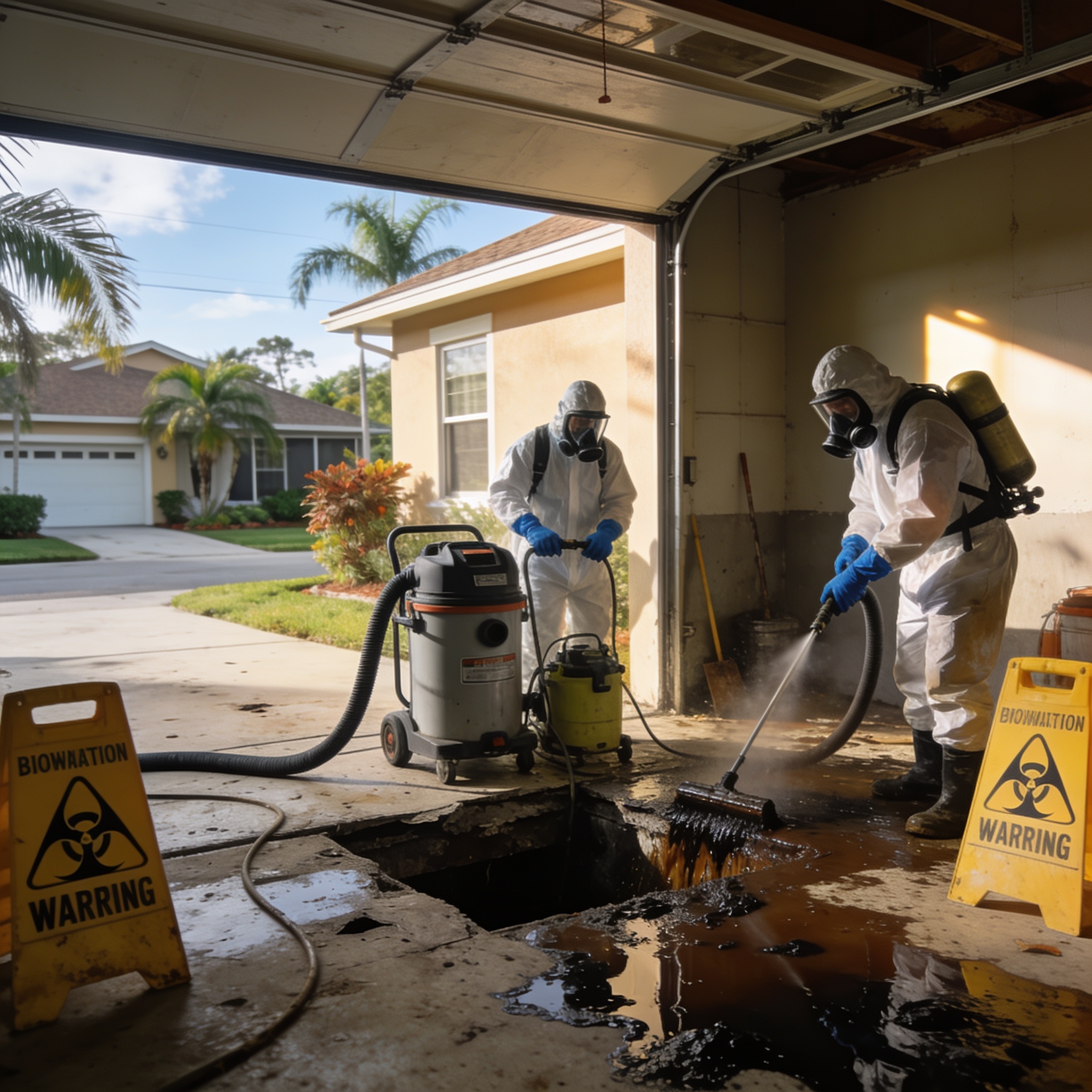
What Is Considered Biohazard Cleanup? (And What Types of Biohazards Do Companies Handle in Southwest Florida?)
Biohazard and crime scene cleanup covers the safe removal, decontamination, and disposal of any biological material that can pose serious health risks to people or the surrounding environment. In Southwest Florida, verified companies on this directory handle a wide range of situations — from raw sewage backup in flood-prone Cape Coral canals to trauma scene cleanup following unattended deaths in Naples retirement communities. The term “biohazard” is broader than most homeowners realize.
Common Biohazard Categories Handled Locally
- Sewage and waste water: Raw sewage backups and sewage backup damage are among the most frequent biohazard situations in Lee, Collier, and Charlotte counties, especially after hurricane storm surge overwhelms aging municipal lines.
- Bodily fluids and blood: Crime scene cleanup, trauma, and unattended death scenes involving blood or other bodily fluids require certified biohazard cleanup technician response under OSHA Bloodborne Pathogen Standard 29 CFR 1910.1030.
- Hoarding environments: Hoard situations often involve animal waste, rotting food, and accumulated biohazardous waste that can contaminate structural materials including insulation and subfloor.
- Animal and rodent intrusion: Bat guano, rodent droppings, and carcasses are classified as biological hazards by the Florida Department of Health and require professional biohazard services and waste removal.
- Mold linked to water damage: Post-hurricane water damage frequently triggers mold growth that crosses into biohazard territory when mycotoxin levels are elevated.
Professional scene cleanup services in Fort Myers and surrounding areas also address chemical spills, infectious disease decontamination, and methamphetamine lab remediation — all regulated under Florida Department of Health and EPA guidelines. These cleaning services are essential to restore your property safely and ensure your property is safe for re-occupancy.
What Are the Health Risks Associated With Sewage Exposure and Other Biohazard Contamination?
Exposure to sewage or biological contaminants can pose serious health risks ranging from gastrointestinal illness to life-threatening infections, particularly in Southwest Florida’s warm, humid climate that accelerates pathogen growth. The IICRC classifies raw sewage as Category 3 “black water” — the most hazardous water damage classification — because it contains bacteria, viruses, and parasites capable of causing disease even through skin contact. Hazardous materials of this nature demand immediate professional attention to protect health and safety.
Key Pathogens Found in Sewage and Biohazard Scenes
Sewage contains harmful organisms including E. coli, Salmonella, Hepatitis A virus, Cryptosporidium, and Norovirus. A single sewage backup can contaminate porous materials like drywall, insulation, and carpet padding within hours. In Lehigh Acres and other inland communities with septic systems, a failed drain field can spread contaminant across a yard and into a home’s crawl space simultaneously.
Biohazard scenes involving bodily fluids carry bloodborne pathogens such as hepatitis B, hepatitis C, and HIV — all of which pose serious health risks even through incidental contact with contaminated surfaces. OSHA mandates that any technician working these scenes wear full protective gear, including respirators, Tyvek suits, and chemical-resistant gloves, to prevent exposure.
Environmental Amplifiers Unique to Southwest Florida
Average annual humidity in Lee and Collier counties exceeds 74 percent, which dramatically shortens the window before a pathogen-laden environment becomes a secondary mold crisis. Southwest Florida’s geography places large portions of Fort Myers, Bonita Springs, and coastal Naples in FEMA AE and VE flood zones — areas where hurricane-driven sewage flooding is a documented recurring event, as seen after Hurricanes Irma (2017) and Ian (2022).
Why Shouldn’t You Try Biohazard Cleanup Yourself?
Attempting DIY biohazard or sewage cleanup without proper training, equipment, and licensed waste removal exposes you to serious health risks and potential regulatory violations under Florida law. A homeowner who uses household cleaning agents on a sewage-flooded floor may eliminate surface odor while leaving live pathogens embedded in subfloor wood and insulation — creating a hidden health hazard that worsens over time.
OSHA requires employers whose workers encounter bloodborne pathogens to maintain written exposure control plans and provide specific protective equipment. Private individuals face the same biological dangers without any of that infrastructure. Failing to wear full protective gear — including respirators, chemical-resistant gloves, and disposable coveralls — when handling biohazardous material can result in direct pathogen exposure with serious consequences. Improper disposal of biohazardous waste — including sewage-soaked materials — also violates Florida Statute 381.0098, which governs biomedical waste and carries civil penalties.
Beyond regulatory risk, the affected area in a biohazard situation is rarely limited to what is visible. Certified technicians use ATP meters, moisture mapping, and borescope cameras to locate contamination inside wall cavities and under flooring that no DIY cleanup process would reach.
What Is the Process for Professional Biohazard Cleanup?
Professional biohazard remediation follows a structured, multi-phase cleanup and restoration process governed by IICRC S500/S520 standards and Florida Department of Health regulations to restore your property safely before re-occupancy. Understanding each phase helps property owners set realistic expectations and communicate effectively with their insurance adjuster.
Phase 1 — Assessment and Containment
A certified technician arrives, establishes a containment perimeter using polyethylene barriers and negative air pressure machines, and documents all contamination with photos and moisture readings. This documentation is critical for the insurance claims process.
Phase 2 — Removal of Contaminated Materials
All porous materials that cannot be fully disinfected — drywall, insulation, carpet, padding — are bagged in certified biohazard waste containers and transported to a licensed disposal facility. In hoarding cleanup scenarios, this phase can involve multiple dumpster loads of material that has been contaminated by animal waste or bodily fluids over years.
Phase 3 — Disinfection and Decontamination
Technicians apply EPA-registered hospital-grade cleaning agents to all hard surfaces, followed by a dwell-time protocol that ensures the disinfection agent neutralizes pathogens at the microbial level. A second round of disinfection is standard for Category 3 sewage scenes per IICRC guidelines. This deep clean process is essential to ensure your property is safe for occupants.
Phase 4 — Odor Elimination and Air Quality Restoration
Hydroxyl generators or ozone treatment addresses residual odor at the molecular level. Air scrubbers with HEPA filtration run continuously until post-remediation air quality testing confirms clearance.
Phase 5 — Damage Restoration and Rebuild
Many companies on this directory also provide damage restoration services — replacing drywall, flooring, and insulation — so the homeowner works with a single vendor from scene cleanup services through full restoration. This integrated approach helps restore your property to its pre-loss condition as efficiently as possible.
How Much Does Biohazard Cleanup Cost Per Hour — and Overall?
Biohazard cleanup and restoration services in Florida typically range from $150 to $350 per hour per technician, with total project costs commonly falling between $1,500 and $25,000 depending on scope, contamination category, and affected square footage. These figures align with national IICRC cost data adjusted for Florida’s licensed-contractor labor market.
| Scenario | Typical Cost Range | Key Cost Drivers |
|---|---|---|
| Small sewage backup (bathroom, <50 sq ft) | $1,500 – $4,000 | Material removal, disinfection, odor treatment |
| Large sewage flood (Category 3, whole floor) | $8,000 – $20,000+ | Structural drying, insulation replacement, rebuild |
| Trauma / unattended death scene | $3,000 – $15,000 | Bodily fluids volume, surface porosity, decontamination rounds |
| Hoarding cleanup (moderate) | $2,500 – $10,000 | Volume of waste, animal waste presence, insulation damage |
| Rodent / bat guano remediation | $1,200 – $6,000 | Attic access, insulation replacement, disinfectant volume |
Hurricane Ian caused an estimated $112 billion in damage across Southwest Florida (FEMA 2022 post-disaster assessment), and sewage backup damage cleanup costs represented a significant share of residential claims in Fort Myers Beach, Pine Island, and Matlacha. Always request a written itemized estimate before authorizing work.
Does Insurance Cover Biohazard Cleanup in Southwest Florida?
Many standard homeowners insurance policies cover biohazard cleanup when the contamination results from a sudden, accidental event — such as a sewage backup or a covered water damage loss — but coverage varies significantly by policy and carrier. Florida homeowners should review their policy’s “water backup” endorsement specifically, as basic HO-3 policies frequently exclude sewer and drain backup without an added rider.
The National Flood Insurance Program (NFIP), administered through FEMA, covers direct physical loss from flooding but does not automatically cover professional cleaning services beyond structural drying and debris removal. Separate biohazard remediation line items must be documented by a certified technician and submitted with supporting IICRC-standard scope-of-work reports to maximize reimbursement.
For trauma scenes and unattended deaths, many carriers offer victim assistance programs that cover crime scene cleanup costs. The Florida Department of Financial Services’ Division of Consumer Services can assist property owners who believe a claim has been improperly denied. Always contact your insurer before cleanup begins — documented pre-remediation conditions are required for most claims.
How Quickly Can Biohazard Cleanup Services Respond in Southwest Florida?
Reputable biohazard cleanup companies serving Lee, Collier, and Charlotte counties offer 24-hour emergency response 7 days a week, with on-site arrival typically within one to four hours for urgent sewage and trauma scene situations. Speed matters: the IICRC S500 standard notes that Category 3 sewage water begins degrading porous building materials within 24 to 48 hours, and Southwest Florida’s heat and humidity compress that window further.
During and immediately after major storm events — a recurring reality in a region that has experienced direct hurricane landfalls in 2004 (Charley), 2017 (Irma), and 2022 (Ian) — response times may extend due to road closures and simultaneous demand. Companies with pre-positioned crews in Bonita Springs, Cape Coral, and Naples are better positioned to reach clients across the metro quickly. Confirming a company’s local staffing model, not just a call-center presence, is an important step before an emergency arises.
What Areas Do Biohazard Cleanup Companies Serve in Southwest Florida?
The verified providers listed on this directory collectively cover the full Southwest Florida metro, including every incorporated city and unincorporated community across Lee, Collier, and Charlotte counties. Service areas include Fort Myers, Cape Coral, Bonita Springs, Estero, Naples, Marco Island, Lehigh Acres, Immokalee, Port Charlotte, Punta Gorda, and surrounding areas.
Frequently asked questions about biohazard cleanup often center on rural and semi-rural communities. Unincorporated Lee County communities such as Alva, Buckingham, and Fort Myers Shores, as well as Collier County’s Golden Gate Estates — one of the largest platted subdivisions in the United States — are all within the service footprint of multiple companies in this directory. Charlotte County communities including Englewood and Rotonda West are also served.
For property owners in coastal flood zones, including those in FEMA-designated Special Flood Hazard Areas along the Caloosahatchee River, the Ten Thousand Islands, and Charlotte Harbor, professional cleanup services with experience in post-storm sewage remediation and water damage restoration are especially important. Southwest Florida’s unique combination of hurricane risk, aging infrastructure, and high humidity means that untreated biohazard contamination can pose serious health consequences for residents and visitors alike. Choosing a locally based certified biohazard cleanup service with demonstrated experience in Southwest Florida’s environmental and regulatory landscape gives homeowners the peace of mind that comes from knowing their property is in qualified hands — and that every step taken will help restore your property safely and completely.