Mold Remediation & Removal Companies in Southwest Florida
Mold Remediation & Removal is one of the most time-sensitive home services in Southwest Florida, where humidity, hurricane season and aging plumbing drive constant demand. The 2 verified mold remediation & removal companies in this directory serve Fort Myers, Cape Coral, Naples and the surrounding metro.
A professional mold remediation & removal company handles assessment, mitigation, drying or cleanup, and full restoration — and coordinates directly with your insurance carrier. Acting fast is what keeps a small loss from becoming a major structural or mold problem.
Every company below is rated by real customers (averaging 3.6★), offers emergency response, and serves a defined area. Browse mold remediation & removal by city, or call a provider directly.
Mold Remediation & Removal by city
Top providers
Radon & Mold Professionals
188 1st St, Bonita Springs, FL 34134, Bonita Springs, Florida 34134
Fort Myers Mold Removal Specialists
4121 Fowler St, Fort Myers, FL 33901, Fort Myers, Florida 33901
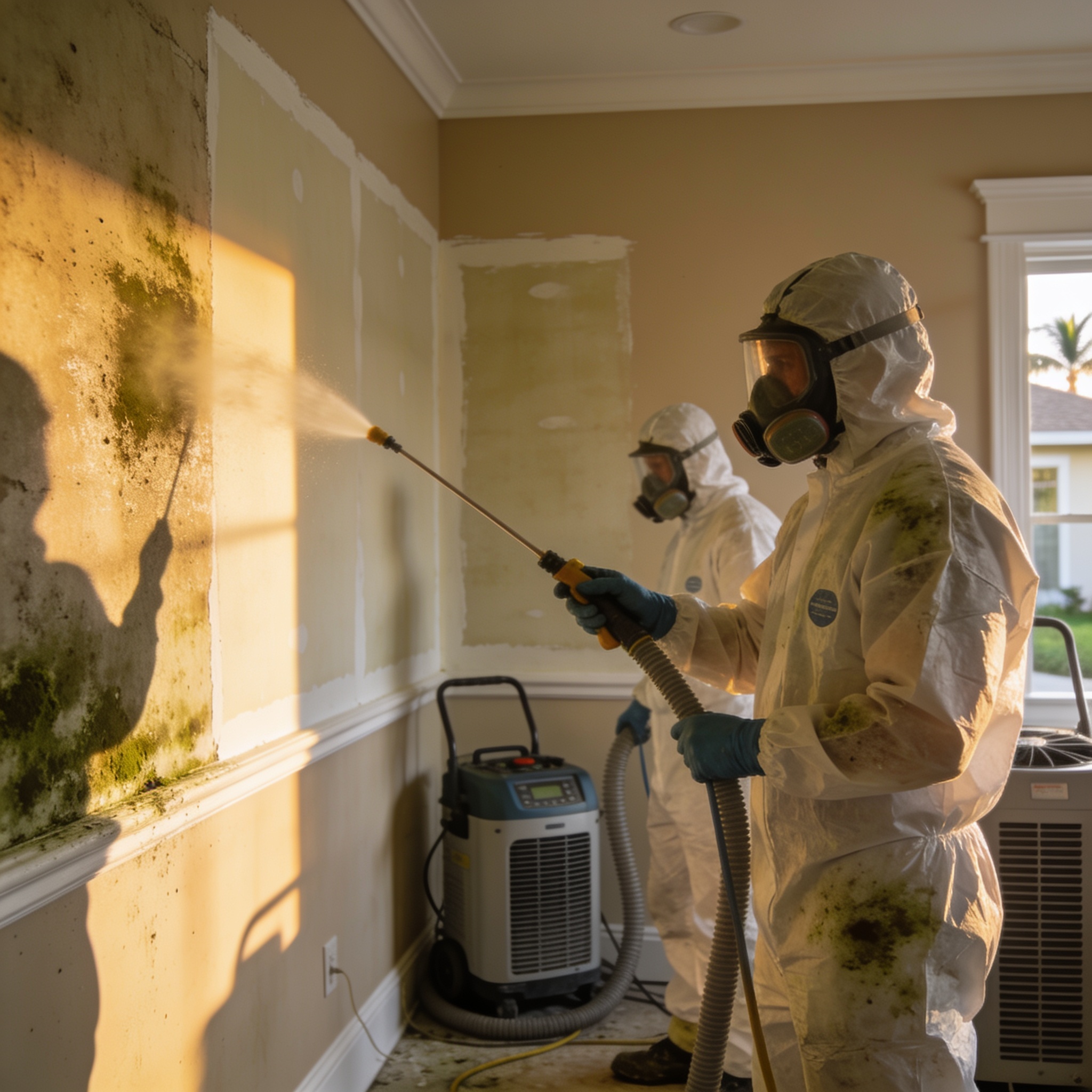
What Is the Difference Between Mold Removal and Mold Remediation?
Mold removal and remediation are related but distinct processes, and understanding the difference helps you choose the right mold removal and remediation service for your home or business. Mold removal refers to the physical act of eliminating visible mold colonies from surfaces, while mold remediation is a comprehensive process that addresses the root cause, contains the spread, cleans affected materials, and restores indoor air quality to safe levels. The IICRC S520 Standard for Professional Mold Remediation — developed by the IICRC certified body that sets industry benchmarks — defines remediation as returning a structure to a normal fungal ecology, not simply scrubbing surfaces clean.
In Southwest Florida, where high humidity routinely exceeds 80% and hurricane-driven flooding can saturate building materials for days, surface-only mold cleanup rarely solves the problem long-term. As a trusted mold remediation company serving Lee, Collier, and Charlotte counties, the Mold Experts of SWFL delivers expert mold remediation that addresses the underlying moisture — not just the visible growth. If you need mold removal handled correctly the first time, full remediation is the standard you should expect.
How Do You Know If You Have Mold in Your Property?
The most reliable indicators of mold problems in a Southwest Florida property are a persistent musty odor, visible discoloration on walls or ceilings, and a history of water damage or flooding. Mold spores thrive in the warm, humid climate of Fort Myers, Cape Coral, Naples, and Bonita Springs, often colonizing inside wall cavities, under flooring, and in HVAC ductwork long before they become visible.
Visible Signs of Mold
Look for dark spotting, fuzzy growth, or streaking on drywall, grout, wood framing, and ceiling tiles. Discoloration that returns quickly after cleaning is a strong indicator of hidden mold backed by an unresolved moisture source. A mold infestation of this kind requires professional intervention to eliminate mold at its source rather than treating symptoms alone.
Hidden Mold and Air Quality Testing
When visible signs of mold are absent but a musty odor persists, professional mold inspection with air quality testing and surface sampling can confirm the presence of mold issues. Certified mold remediation experts use moisture meters and thermal imaging, along with microscope analysis, to assess the mold and locate hidden water intrusion behind finished surfaces.
What Are the Common Causes of Mold Growth in Southwest Florida Homes?
Mold growth in Southwest Florida is overwhelmingly driven by the region’s subtropical humidity, frequent tropical storms, and the widespread presence of FEMA-designated Special Flood Hazard Areas across Lee, Collier, and Charlotte counties. Hurricane Ian (2022) deposited catastrophic storm surge across Fort Myers Beach, Pine Island, and Cape Coral, leaving saturated building materials that produced widespread mold and water damage within 24 to 48 hours, consistent with FEMA guidance on post-flood mold timelines. Standing water left behind by storm surge is one of the most common triggers for rapid mold colonization throughout southwest Florida.
Beyond storm events, everyday causes include roof leaks, plumbing failures, condensation on poorly insulated AC ducts, and inadequate attic ventilation — all amplified by FL’s year-round heat. Commercial properties with large HVAC systems are especially vulnerable to mold colonization inside air handlers.
What Are the Health Effects of Mold Exposure?
Exposure to indoor mold, including black mold species such as Stachybotrys chartarum, can trigger respiratory irritation, allergic reactions, and worsening asthma symptoms, particularly in children, the elderly, and immunocompromised individuals. The CDC and Florida Department of Health both recognize mold as a significant indoor air quality concern following water damage events. Prolonged exposure in an unremediated home or business can lead to chronic sinus congestion, skin irritation, and headaches.
If you are concerned about mold in your property, scheduling a professional mold inspection is the safest first step before attempting any damage cleanup, as disturbing mold colonies without containment can dramatically increase airborne spore counts.
What Is the Step-by-Step Process for Mold Remediation?
A compliant mold remediation process in Southwest Florida follows the IICRC S520 protocol and typically involves six sequential phases designed to safely remove mold while protecting occupants and unaffected building materials.
Step 1 — Mold Inspection and Assessment
Certified technicians conduct a full mold assessment using moisture meters and thermal imaging, along with air sampling, to assess the mold, map the extent of contamination, and identify underlying moisture sources driving future mold growth.
Step 2 — Containment
The affected area is isolated with polyethylene sheeting and negative air pressure machines equipped with HEPA filtration to prevent mold spores from migrating to clean zones during water damage restoration services and mold remediation work.
Step 3 — Air Filtration
HEPA air scrubbers run continuously throughout the remediation process to capture airborne spores and improve indoor air quality inside the work zone.
Step 4 — Mold Removal and Cleaning
Technicians safely eliminate mold from hard surfaces using EPA-registered antimicrobial agents and physically remove porous materials — such as drywall and insulation — that cannot be adequately cleaned. This phase of the mold removal services process is critical to achieving a safe, verifiable outcome.
Step 5 — Structural Drying and Water Mitigation
Industrial dehumidifiers and air movers handle removing water and residual moisture from structural materials. These mitigation services are critical in Southwest Florida’s high humidity climate to prevent mold from returning after remediation is complete and to prevent further damage to structural materials.
Step 6 — Restoration and Clearance Testing
A cleaning and restoration company rebuilds removed materials, and post-remediation air quality testing confirms spore counts have returned to normal fungal ecology before the space is re-occupied.
What Should You Throw Away After Mold Remediation?
Porous materials that have sustained significant mold contamination and cannot be effectively cleaned should be discarded, including drywall, insulation, carpet, upholstered furniture, mattresses, and cardboard boxes. The IICRC S520 standard distinguishes between cleanable non-porous surfaces and porous materials where mold hyphae penetrate below the surface, making full decontamination impossible. In Naples and Fort Myers homes that experienced Hurricane Ian flooding, entire lower sections of interior walls were routinely removed and replaced as part of the water damage repair and restoration process.
Clothing, hard-surface furniture, and documents may be salvageable through professional contents packout and removal services offered by full-service mold remediation experts in Southwest Florida.
Can You Stay in Your Home During the Mold Removal Process?
Whether you can remain in your home or business during mold removal depends on the size of the contaminated area, the mold species identified, and the vulnerability of the occupants. The EPA recommends temporary relocation when contamination covers more than 10 square feet or when black mold is confirmed. During active remediation, negative air pressure containment and HEPA filtration reduce cross-contamination risk, but elevated airborne spore counts in adjacent spaces remain a concern.
Any reputable mold removal company serving Bonita Springs, Estero, Lehigh Acres, and surrounding areas can advise on displacement needs after completing their initial mold inspection and assessment.
How Much Does Mold Remediation Cost in Southwest Florida?
Mold remediation costs in Southwest Florida typically range from $1,500 for minor isolated growth to $30,000 or more for whole-home remediation following major water damage events such as hurricane storm surge. According to industry data, the national average sits near $3,500, but post-hurricane conditions in Lee and Collier counties — where saltwater intrusion accelerates material degradation — frequently push costs higher. Scope, affected square footage, material type, and required water damage repair services all influence the final figure.
| Scope of Mold Damage | Typical Cost Range (FL) |
|---|---|
| Small area (<10 sq ft) | $500 – $1,500 |
| Single room or bathroom | $1,500 – $5,000 |
| Multiple rooms / crawl space | $5,000 – $15,000 |
| Whole-home / post-hurricane | $15,000 – $30,000+ |
Many restoration services providers in Fort Myers and Naples offer free inspection or free mold assessment to establish scope before quoting damage restoration services.
Is Mold Remediation Covered by Insurance?
Standard Florida homeowners insurance policies may cover mold remediation when the mold results directly from a sudden and accidental covered peril — such as a burst pipe — but typically exclude mold caused by long-term neglect or flooding. NFIP (National Flood Insurance Program) flood policies, which are widely held across FEMA flood zones AE and VE throughout Lee, Collier, and Charlotte counties, generally do not cover mold remediation as a standalone line item; coverage depends on whether the underlying water damage restoration is covered. Florida Statute 627.706 requires insurers to offer limited mold coverage as an endorsement, so reviewing your policy carefully is essential.
A reputable water damage restoration company in Southwest Florida can provide detailed documentation — including moisture readings, mold testing results, and photo evidence — to support your insurance claim for mold and water damage.
How Can You Prevent Mold from Returning After Remediation?
Preventing mold from returning after professional remediation requires addressing the underlying moisture sources that allowed mold growth in the first place, combined with ongoing humidity control specific to Southwest Florida’s climate. The EPA recommends maintaining indoor relative humidity below 60% — ideally between 30% and 50% — a challenging target in a region where outdoor humidity regularly exceeds 90% during summer months.
Key prevention strategies for residential and commercial properties in Fort Myers, Cape Coral, Naples, and Bonita Springs include servicing HVAC systems every six months, sealing roof penetrations before hurricane season, installing whole-home dehumidifiers, and ensuring proper drainage slope away from foundations. These steps help protect your home from further damage and suppress future mold growth before colonies can take hold, safeguarding your property’s future growth in value and structural integrity. The Mold Experts of SWFL offer residential mold services to protect properties of all sizes, and scheduling an annual inspection with our certified professionals is a practical safeguard for any property owner who wants to stay ahead of recurring mold problems, particularly for properties located in low-lying flood zones common throughout southwest Florida.