What Does Mold in Air Vents Look Like? A Homeowner’s Visual Guide
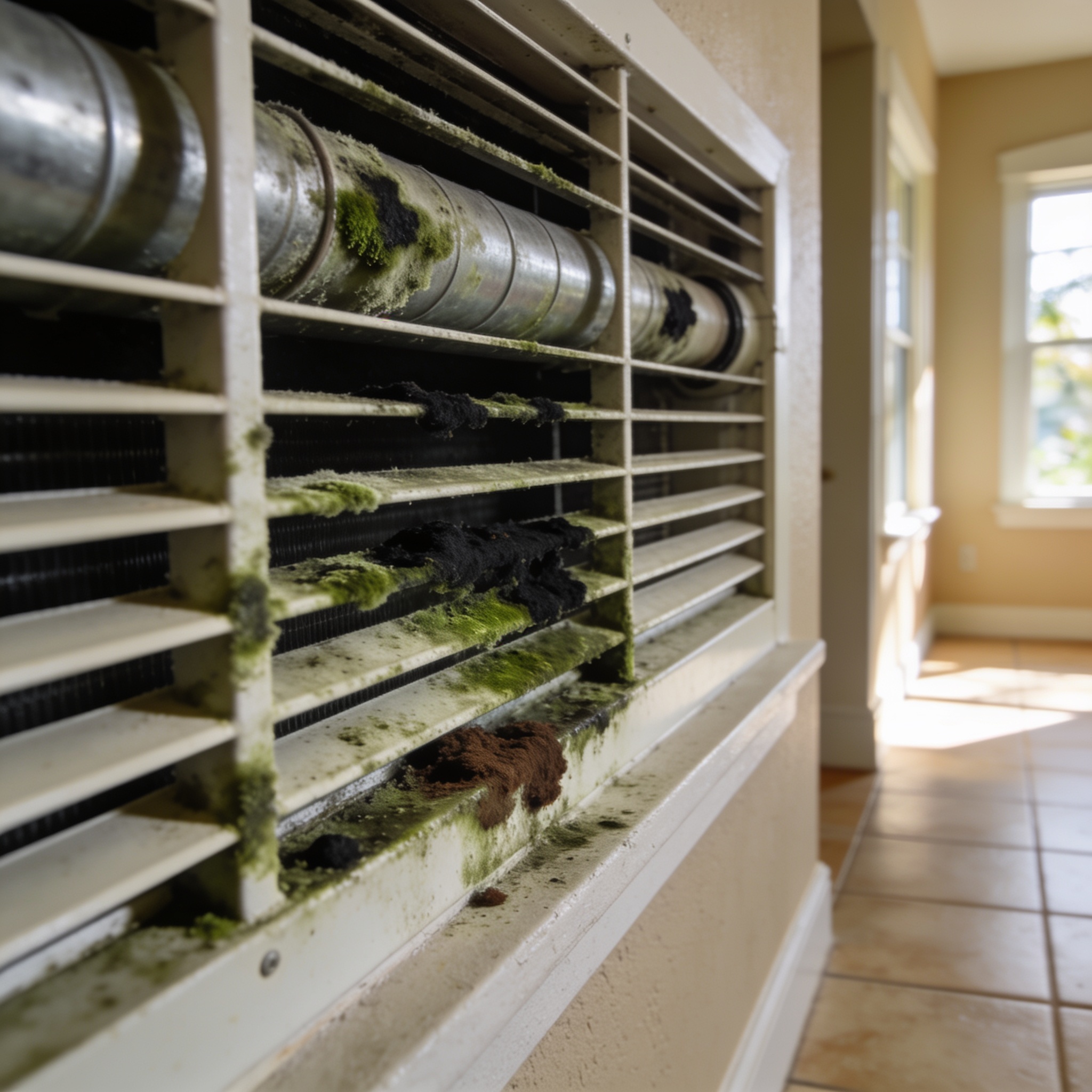
Mold in air vents typically appears as fuzzy, discolored patches ranging from dark green or black to white or orange, often clustered around the edges of the vent cover. Identifying these visual cues quickly is essential for maintaining healthy indoor air quality in humid Southwest Florida environments. If you suspect your HVAC system is compromised, understanding the specific visual indicators can save you thousands in potential property damage. When you suspect mold, acting fast is key to preventing a widespread mold infestation. Because mold spores can cause respiratory issues, it is vital to know how to check for mold before it compromises your home’s air.
Key Takeaways
- Mold growth is primarily driven by high humidity and condensation within the HVAC system.
- Visual identification often involves looking for fuzzy, discolored patches on or around the vent cover.
- Professional air duct cleaning is recommended to safely remove mold colonies without spreading spores.
- Regular maintenance, such as changing air filters, is the best way to help prevent mold spores from settling.
- Insurance coverage for mold remediation depends heavily on the source of moisture, such as a covered peril like a burst pipe.
- We have compiled 8 signs to help you identify if your system is compromised.
What Does Mold in Air Vents Look Like?
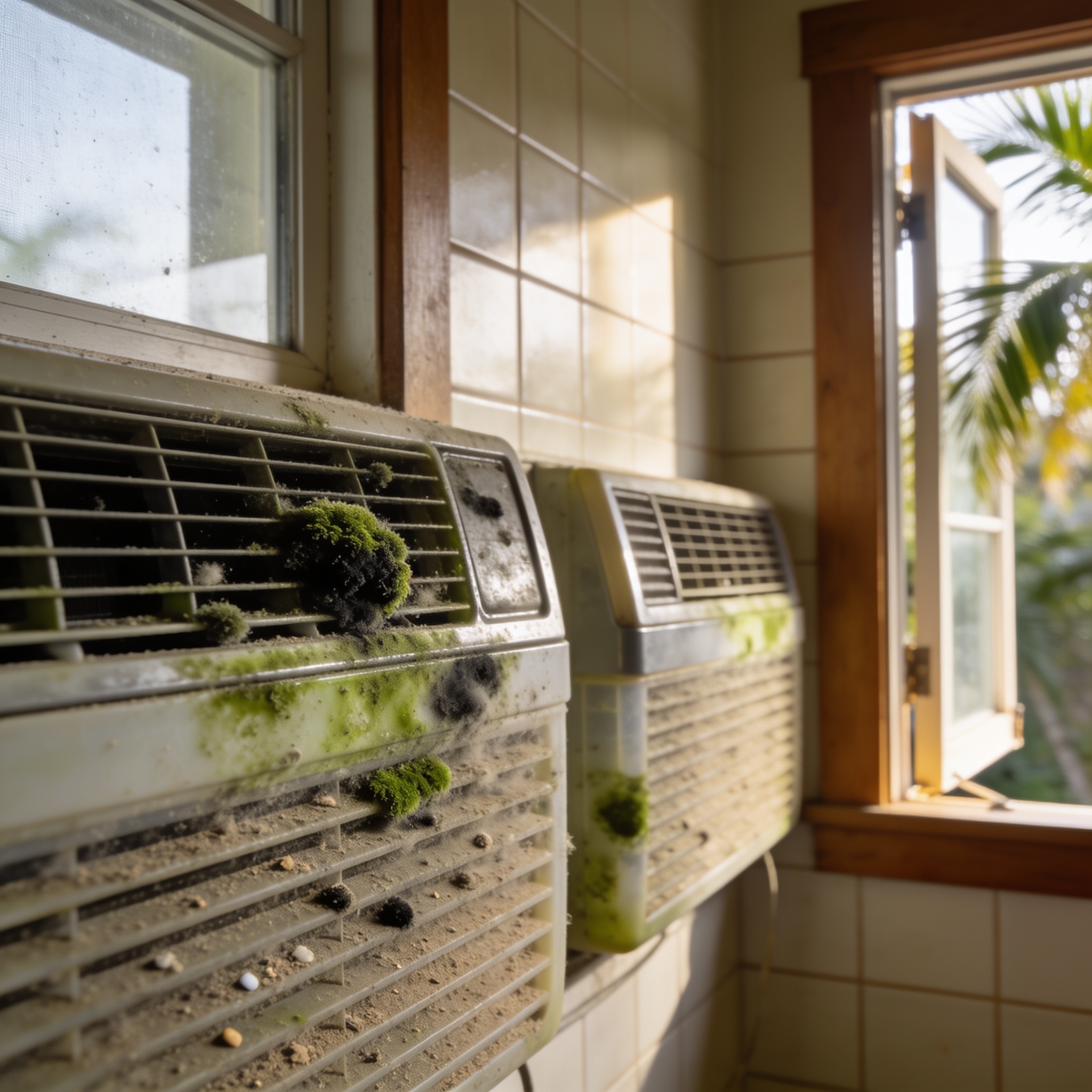
Mold in air vents typically presents as fuzzy, velvet-like patches that appear in colors like black, dark green, white, or even orange. These colonies often form on the surface of the vent cover or just inside the ductwork where moisture accumulates. Because the Florida climate is a breeding ground for mold, homeowners should regularly inspect their registers for any signs of fuzzy growth or discoloration that differs from standard dust accumulation. If you see black or dark spots around air vents, it is a significant sign of mold that requires immediate attention. You should know what mold looks like to distinguish it from simple dirt. When mold is present, it often creates an ideal environment for mold growth that can quickly spread if left unchecked.
What Are the Common Signs of Mold in Air Vents, Including Smells and Visible Growth?
The 5 visual signs of mold in air vents include fuzzy texture, musty odors, visible discoloration, consistent allergy symptoms, and debris buildup on vent covers. These indicators are the most common signs that your HVAC system may be harboring unwanted fungus. When mold is growing inside, it releases spores that travel through the air, affecting your home’s indoor environment. Mold in air ducts can also be identified by observing the air flowing from the registers; if it carries a musty scent, mold in your duct may be the culprit.
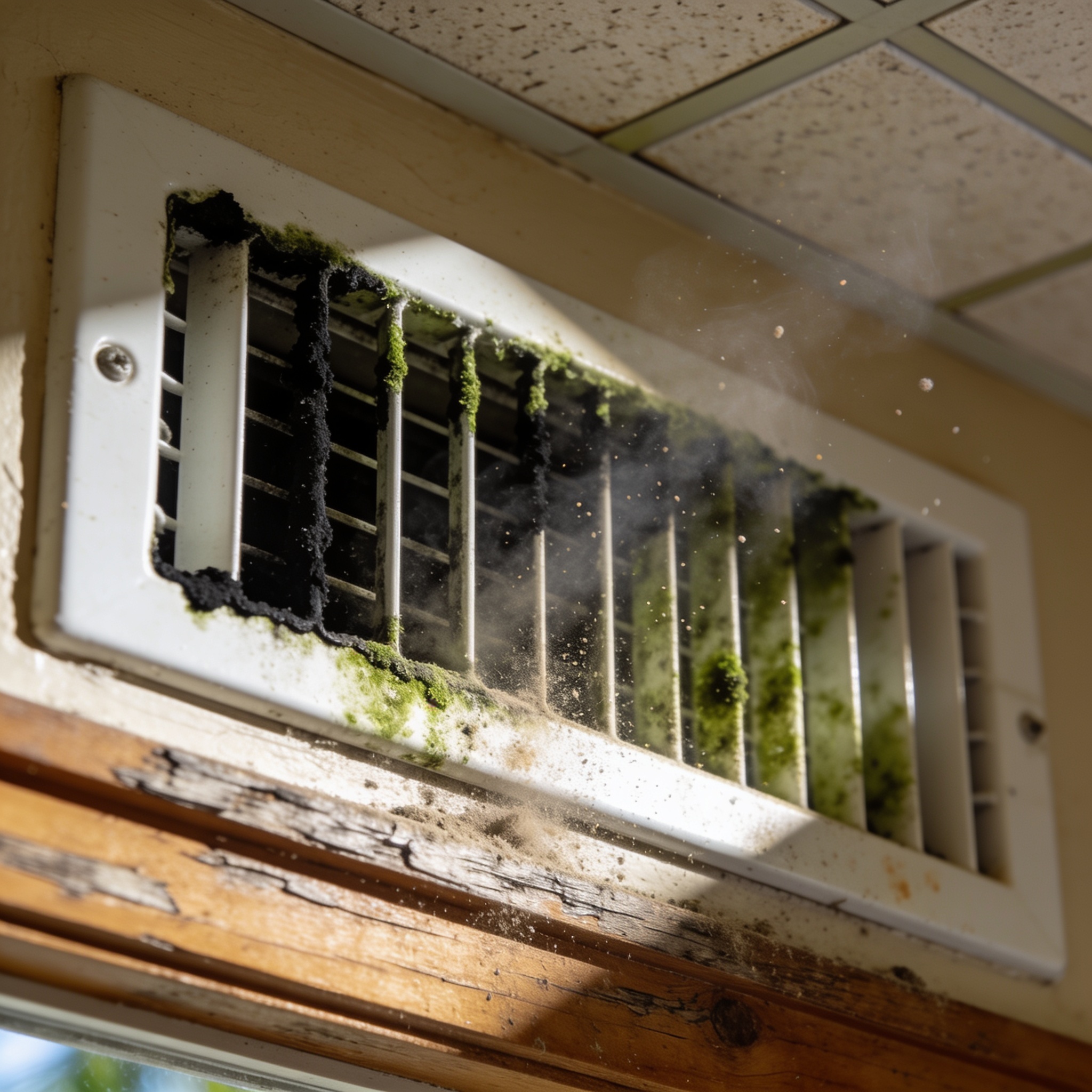
- Fuzzy Texture: Unlike flat layers of dust, mold often grows in three-dimensional, fuzzy, or velvet-like structures.
- Musty Odors: A persistent, earthy, or damp smell that intensifies when the air conditioner kicks on is a major red flag.
- Visible Discoloration: Look for spots that appear black, green, white, or orange, which contrast sharply with the metal or plastic of the vent.
- Consistent Allergy Symptoms: If your family experiences sneezing, coughing, or itchy eyes only while indoors, the air quality and health may be compromised.
- Debris Buildup: Excessive, clumped-up debris on the vent cover can trap moisture and provide an ideal environment for mold to grow.
How Can You Differentiate Between Black Mold and Other Types of Mold or Just Dust in Air Vents?
Distinguishing between black mold and simple dust requires a close inspection of the texture and how the material reacts to touch or cleaning. Dust is typically gray, dry, and easily wiped away with a cloth, whereas mold is often damp, firmly attached to the surface, and may leave a stain behind. If you see black dust that doesn’t wipe away easily, you may have mold. Remember that household mold thrives in damp conditions, while dust is merely a dry accumulation of particles. Signs of black mold often include a slimy or velvet-like texture that distinguishes it from dry, gray soot. When you notice material inside vents, remember that it can grow in air ducts rapidly if moisture is present.
| Feature | Dust Accumulation | Mold Growth |
|---|---|---|
| Texture | Dry, powdery | Fuzzy, slimy, or velvet-like |
| Ease of Removal | Wipes away easily | Requires scrubbing or professional cleaning |
| Odor | None | Musty, earthy, damp |
| Growth Pattern | Uniform layer | Clustered, circular, or irregular patches |
| Moisture Requirement | None | Mold needs consistent moisture |
What Causes Mold to Grow in Air Vents?
Mold grows in air vents primarily because the HVAC system provides the ideal environment for mold through constant moisture and organic food sources. In Southwest Florida, high outdoor humidity combined with the condensation produced by an air conditioner creates a perfect breeding ground for mold. When this moisture meets dust or skin cells trapped inside your air ducts, it creates a nutrient-rich surface for spores to colonize. Mold may also develop if your AC unit is oversized or if the condensate drain is clogged, leading to standing water. These conditions lead to mold growth, turning your HVAC system into a home for mold.
Is Mold in Air Vents Dangerous? Health Symptoms and Warning Signs of Mold Exposure
Mold exposure can trigger significant health reactions, particularly for individuals with asthma, allergies, or compromised immune systems. While not every type of mold is toxic, the presence of mold in your air ducts means that mold spores can circulate throughout your home every time the HVAC system runs. According to the EPA, prolonged exposure to high levels of indoor mold can lead to respiratory irritation and persistent allergy symptoms. If you notice these health issues, you may have mold in ac systems that needs professional intervention. Be aware that mold inside the system can be a hidden danger, especially when detected near air intake points.
What Should You Do If You Find Mold in Your Air Vents?
If you find mold in your air vents, the first step is to turn off your HVAC system to stop the circulation of spores throughout your home. Once the system is off, you should contact a professional to assess the extent of the infestation and determine if you need professional mold remediation. In regions like Lee or Collier County, where humidity is a constant factor, it is vital to address the root moisture issue before attempting to clean the ducts. Identifying a mold problem early is the best way to prevent mold spreads to other rooms. Always inspect around vents for signs of moisture accumulation.
Can You Clean Mold from Air Vents Yourself, or Should You Hire a Professional?
Hiring a professional air duct cleaning service is strongly recommended over DIY methods to ensure that mold colonies are removed without spreading spores to other areas of the home. Professionals use specialized equipment, such as HEPA-filtered vacuums and biocides, to safely remove mold from deep within the ductwork. Attempting to scrub black mold in air vents yourself can inadvertently release thousands of spores into your living space, potentially worsening the how much mold remediation later. If you see mold around your vents, do not attempt to clean it with household chemicals, as this rarely kills the root system. Mold in hvac systems requires specialized tools to ensure complete removal.
How Can You Prevent Mold from Growing in Your Air Vents in the Future?
Preventing mold growth requires a combination of humidity control and regular maintenance of your HVAC system. You can help prevent mold growth by changing your air filters every 30 to 90 days, keeping your home’s humidity levels below 60%, and ensuring your condensate drain lines are clear. If you live in a flood-prone area, consider seeking services like Water Damage Restoration in Cape Coral or Water Damage Restoration immediately after a storm to prevent secondary mold growth in your ducts.
Frequently asked questions
Common questions regarding HVAC mold often revolve around detection, professional intervention, and the impact of Florida’s unique climate.
Can mold in air vents make you sick?
Yes, mold in your air ducts can release spores that circulate throughout your home, potentially causing allergy symptoms, respiratory irritation, and headaches in sensitive individuals.
How do I know if the black stuff in my vent is mold or soot?
Soot is typically fine, oily, and uniform, whereas mold often grows in fuzzy, irregular patches and is usually associated with a musty, damp odor.
Does my homeowners insurance cover mold in air vents?
Insurance coverage for mold remediation typically only applies if the mold was caused by a “covered peril,” such as a sudden pipe burst, rather than long-term humidity or maintenance neglect.
How often should I have my air ducts professionally cleaned?
It is generally recommended to have your air ducts inspected every 3 to 5 years, or sooner if you notice visible mold growth, excessive dust, or a persistent musty smell.
Can a dehumidifier help prevent mold in my HVAC system?
Using a dehumidifier in your home can significantly reduce the moisture levels that allow mold to grow, thereby protecting your indoor air quality and extending the life of your HVAC system.
What if I suspect mold?
If you suspect mold, contact a certified professional immediately for an inspection. Do not wait, as mold can spread rapidly through your AC vents.
Our editorial team verifies licensing and reviews for every restoration company in the directory and writes practical, Florida-specific guides to help homeowners act fast and protect their insurance claims after water, fire, mold or storm damage.