Testing for Mold Cost: What You Need to Know Before You Start
The average testing for mold cost in Southwest Florida typically ranges from $300 to $600, depending on the square feet of the property and the number of air samples required. This price point serves as a baseline for homeowners in Lee, Collier, and Charlotte counties looking to identify indoor air quality issues following hurricane-related water damage. Understanding the mold inspection cost early helps prevent the escalation of a minor moisture problem into a significant health or property hazard. Knowing how much it costs to verify the presence of mold is the first step for any property owner concerned about their indoor environment, whether you are managing a home or commercial property.
Key Takeaways
- Professional inspections are essential for identifying hidden mold behind drywall or within HVAC ductwork common in humid SWFL climates.
- The average cost of a mold inspection usually covers a visual assessment, moisture mapping, and a limited number of air or surface samples.
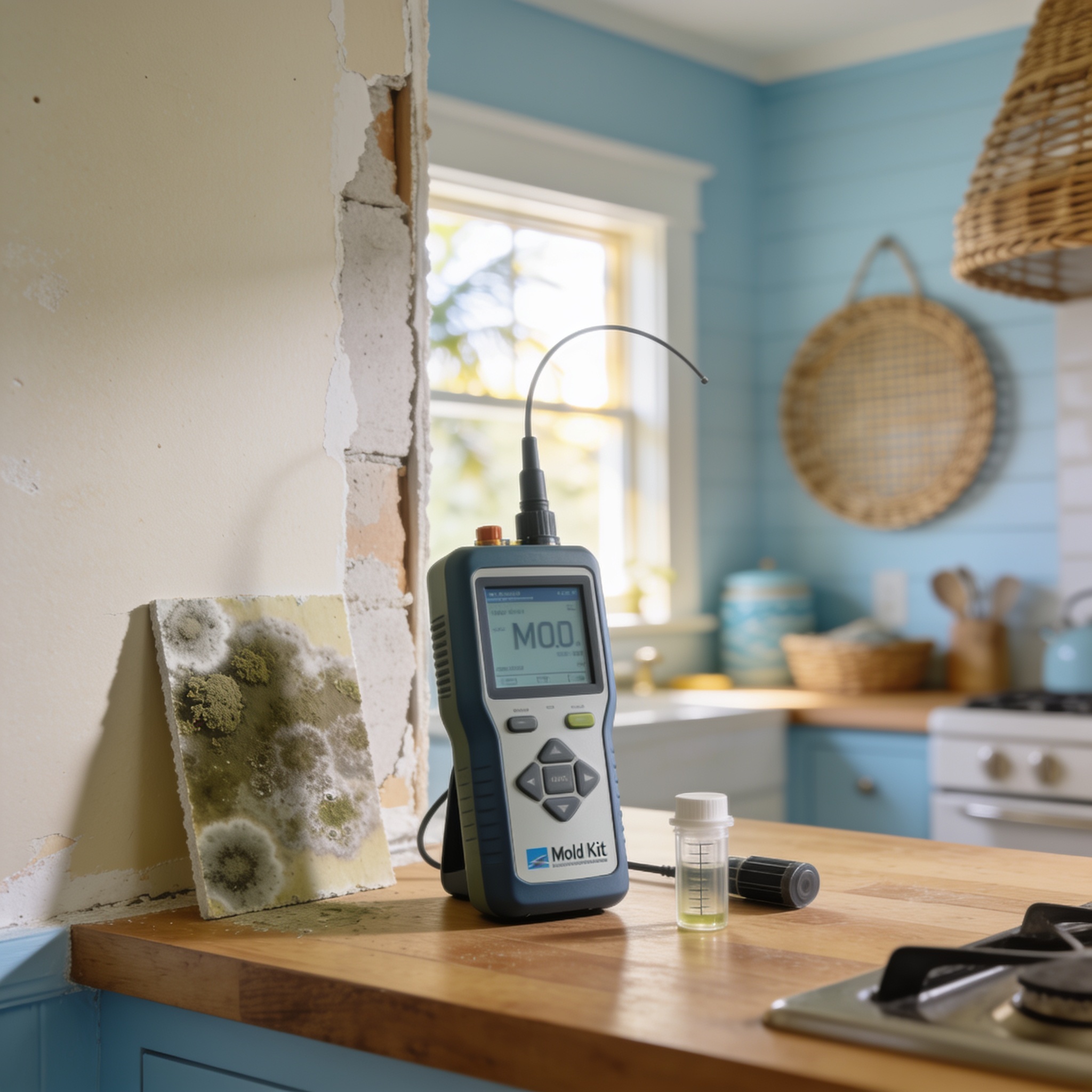
- DIY mold test kits often provide false negatives and lack the laboratory certification required for insurance claims or real estate transactions.
- Environmental factors like high humidity and recent storm surges significantly influence the concentration of mold spores in the air.
- Always verify that your inspector has no financial stake in the remediation process to avoid a conflict of interest.
What Are the First Signs of Mold in Your Home?
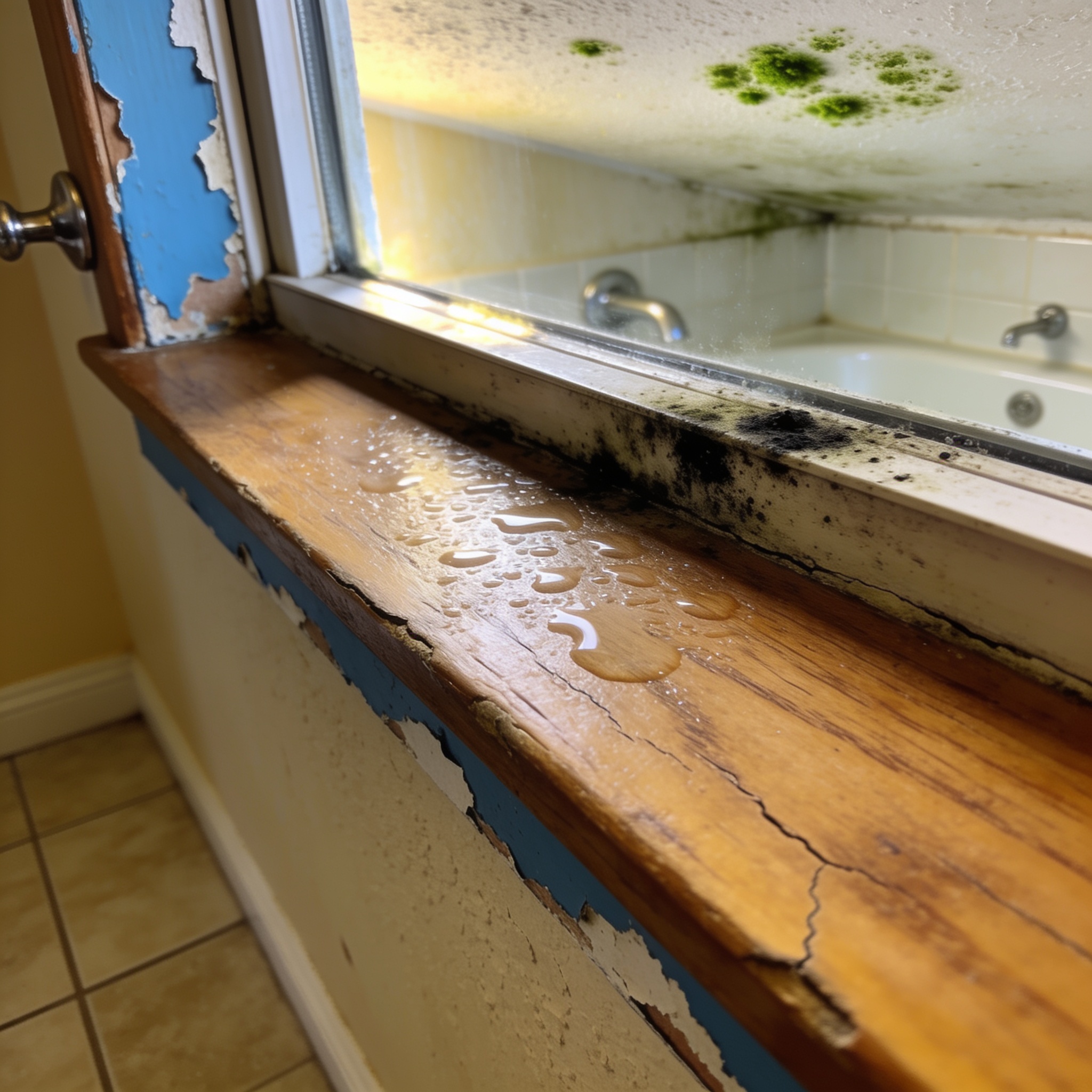
The first signs of mold in my home often manifest as a persistent musty odor or visible discoloration on walls and ceilings. In the humid environment of Southwest Florida, these signs frequently appear near windows, under sinks, or within the HVAC system after a period of high humidity or flooding. You should also watch for peeling wallpaper or bubbling paint, which often indicates moisture trapped behind the surface. If you see visual mold or suspect a mold issue, it is time to inspect for mold to determine the extent of the growth.
Visual Indicators of Mold
If you see fuzzy, powdery, or slimy patches in shades of black, green, or white, you are likely looking at visible mold. While some species are harmless, others can cause significant structural damage to your drywall or wood framing. If you notice these signs, it is vital to contact mold remediation companies near me to assess the extent of the infestation before it spreads. An expert can help determine the amount of mold present and advise on how to remove the mold effectively. If you suspect you are infested with mold, an initial inspection is necessary to confirm the scope of the problem.
What Is the Difference Between Mold Inspection vs Remediation?
A mold inspection is a comprehensive visual and physical assessment of a property, whereas mold testing involves the specific collection of air or surface samples for laboratory analysis. The inspection process focuses on locating the moisture source using tools like moisture meters and thermal imaging cameras. In contrast, a mold test provides scientific data regarding the specific concentration of mold spores and the type of mold present in the indoor air. This lab testing is crucial to identify whether mold is present and the specific mold type you are dealing with. Understanding the mold inspection vs remediation process ensures you hire the right professionals for each stage.
When Should You Get a Mold Inspection or Testing Done?
You should schedule a professional mold inspection immediately if you detect a musty smell or notice signs of water damage after a storm. This is especially critical for residents in flood zones or those who have experienced Water Damage Restoration. If you have recently purchased a home or are planning to sell, a complete inspection provides peace of mind and protects your investment from future liability. If you find potential mold, you must act quickly to prevent mold from spreading further.
What Is Included in a Professional Mold Inspection?
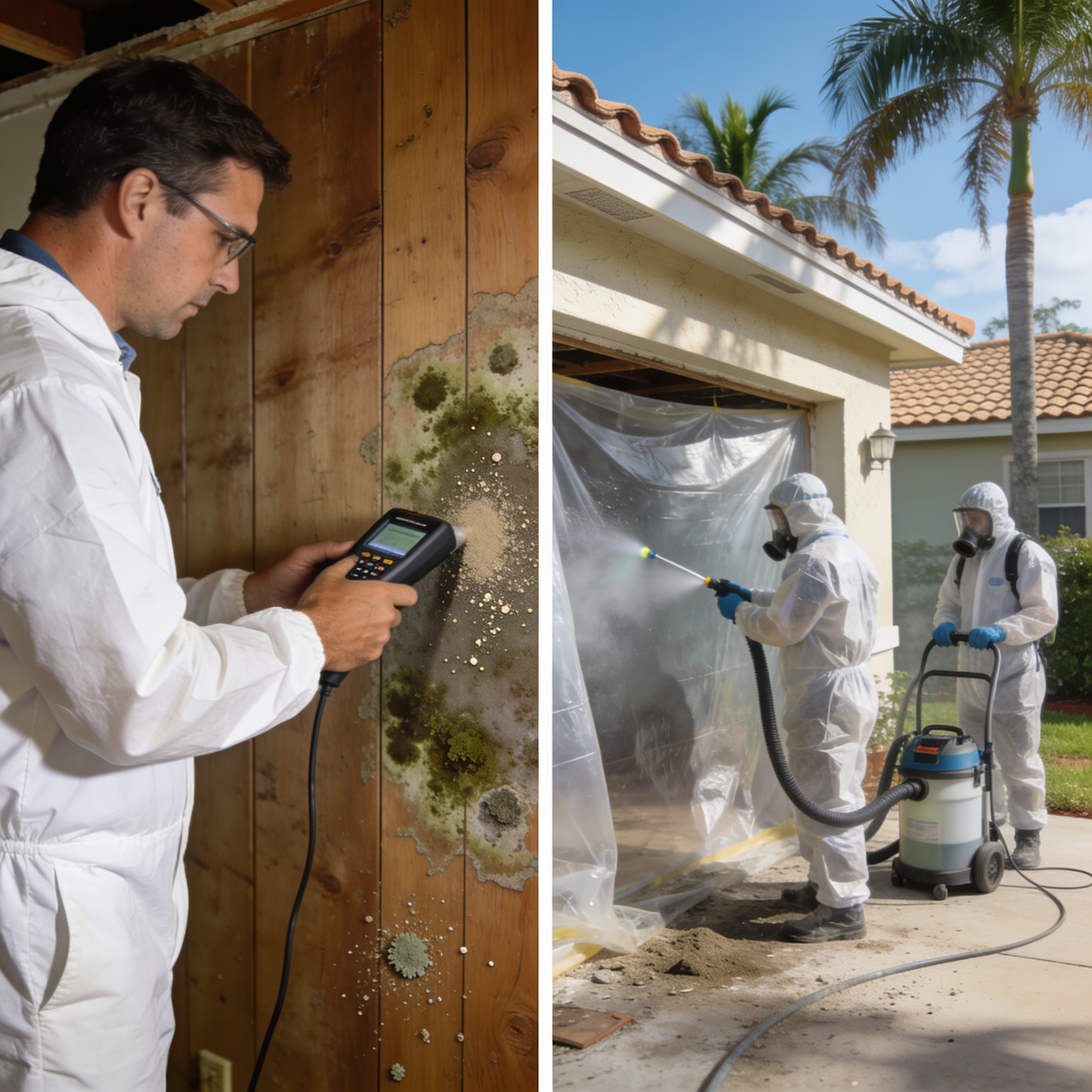
A professional mold inspection includes a thorough visual evaluation of the entire home, including attics, crawl spaces, and the HVAC system. The inspector will use a moisture meter to detect hidden mold behind walls and may take air and surface samples to determine the spore count. Following the assessment, you should receive a detailed report outlining the findings and recommendations to develop a remediation plan. This process helps you understand the cost of mold remediation if a problem is confirmed.
The 5 visual signs of black mold
- Circular, dark patches: Often appearing on drywall or baseboards, these spots indicate a localized moisture issue that has allowed the fungus to take root.
- Persistent water staining: Yellow or brown rings on ceilings or floors suggest a chronic leak that creates the perfect environment for mold to thrive.
- Warping or buckling materials: When baseboards or floorboards pull away from the wall, it is a clear sign that moisture is trapped behind the structure.
- Visible fuzzy growth: Any texture that looks like velvet or dust but does not wipe away easily is a primary indicator of an active mold colony.
- Discoloration inside HVAC vents: If you see dark streaks or spots around your air conditioning registers, it suggests that spores are being circulated throughout your home.
How Expensive Is It to Test for Mold — and What Affects the Cost?
The average cost of a mold inspection generally falls between $300 and $600, though larger homes or complex investigations can increase these inspection costs. Several variables affect the cost, including the number of rooms to be tested and whether you require specialized laboratory analysis for specific mold species. If you are dealing with significant damage, you might also look into Mold Remediation Cost in Cape Coral to understand the potential total investment required for cleanup. The type of test selected, such as air sampling versus surface swabbing, will also influence the final invoice.
| Service Component | Estimated Cost Range |
|---|---|
| Basic Visual Inspection | $250 – $400 |
| Air Sampling (Per Sample) | $75 – $150 |
| Surface Swab/Tape Lift | $50 – $100 |
| Comprehensive Lab Report | Included or $50 – $100 |
| Average Inspection Prices | $300 – $600 |
Can I Do Mold Testing Myself, or Should I Hire a Mold Inspector?
You should hire a mold inspector rather than relying on a DIY test kit because professional equipment provides accurate, defensible data. While a test kit might seem cheaper, they often fail to detect hidden mold inside wall cavities or within the ductwork. Professional testing is worth the cost because it ensures that the results are accepted by insurance adjusters and provides a clear roadmap for remediation. A qualified residential mold inspector will ensure you get rid of mold safely and effectively.
Is Testing for Mold Worth It?
Testing for mold is worth the cost because it prevents unnecessary and expensive remediation by identifying the exact scope of the problem. Without professional testing, you might pay for mold removal in areas that are not actually infested. Furthermore, if you are undergoing how much mold remediation, having a third-party inspection ensures the work is completed correctly and safely. Many inspection companies offer clearance testing after remediation to confirm the area is safe.
Can a House Full of Mold Be Saved?
A house full of mold can almost always be saved through professional mold remediation, provided the structural integrity of the home remains intact. The process involves removing the moisture source, physically cleaning or removing infested materials like drywall, and using industrial-grade air scrubbers to remove mold spores. If you are concerned about extensive damage, consult with experts in Water Damage Restoration to evaluate the feasibility of restoration and how to remove all mold. Mold growth is a serious concern, especially if toxic mold is identified.
Does Homeowner’s Insurance Cover Mold Inspection or Remediation?
Homeowner’s insurance coverage for mold inspection or remediation depends entirely on your specific policy and whether the mold resulted from a covered peril like a burst pipe. Most Florida insurance policies exclude mold damage caused by long-term humidity or maintenance neglect. Always review your policy and contact your agent to determine if your specific situation qualifies for coverage before hiring a contractor. Remember that mold grows rapidly in damp conditions, so acting quickly is essential to mitigate mold infestation.
Frequently asked questions
Below are common inquiries regarding mold testing and inspection services in the Southwest Florida region.
How long does a professional mold inspection take?
A typical inspection takes between one to three hours, depending on the square footage of the property and the complexity of the moisture issues found.
Will a mold inspection damage my home?
A professional inspection is minimally invasive, though the inspector may need to make small, easily patched holes in drywall to verify the presence of hidden mold.
What happens if the mold test comes back positive?
If the test confirms a mold problem, you should use the report to hire a certified remediation specialist who can safely remove the contamination and address the moisture source.
Can I stay in my home during mold testing?
Yes, you can stay in my home during the inspection process, as it involves non-toxic sampling methods that do not pose a health risk to occupants.
How often should I have my home inspected for mold?
It is recommended to have an inspection annually or immediately following any significant water event, such as a hurricane or a major plumbing leak.
Our editorial team verifies licensing and reviews for every restoration company in the directory and writes practical, Florida-specific guides to help homeowners act fast and protect their insurance claims after water, fire, mold or storm damage.