Mold Remediation HVAC Cost: What You Need to Know
The average mold remediation HVAC cost in Southwest Florida typically ranges between $500 and $1,200 depending on the severity of the infestation and the complexity of the ductwork. Homeowners facing a mold problem must act quickly, as the high humidity levels in Lee, Collier, and Charlotte counties create an environment where mold thrives rapidly. Whether you are dealing with mold in your basement or need to remove attic mold, identifying the source of the mold is the first step in addressing the contamination. Because mold allergies are common, addressing these issues promptly is vital for your health.
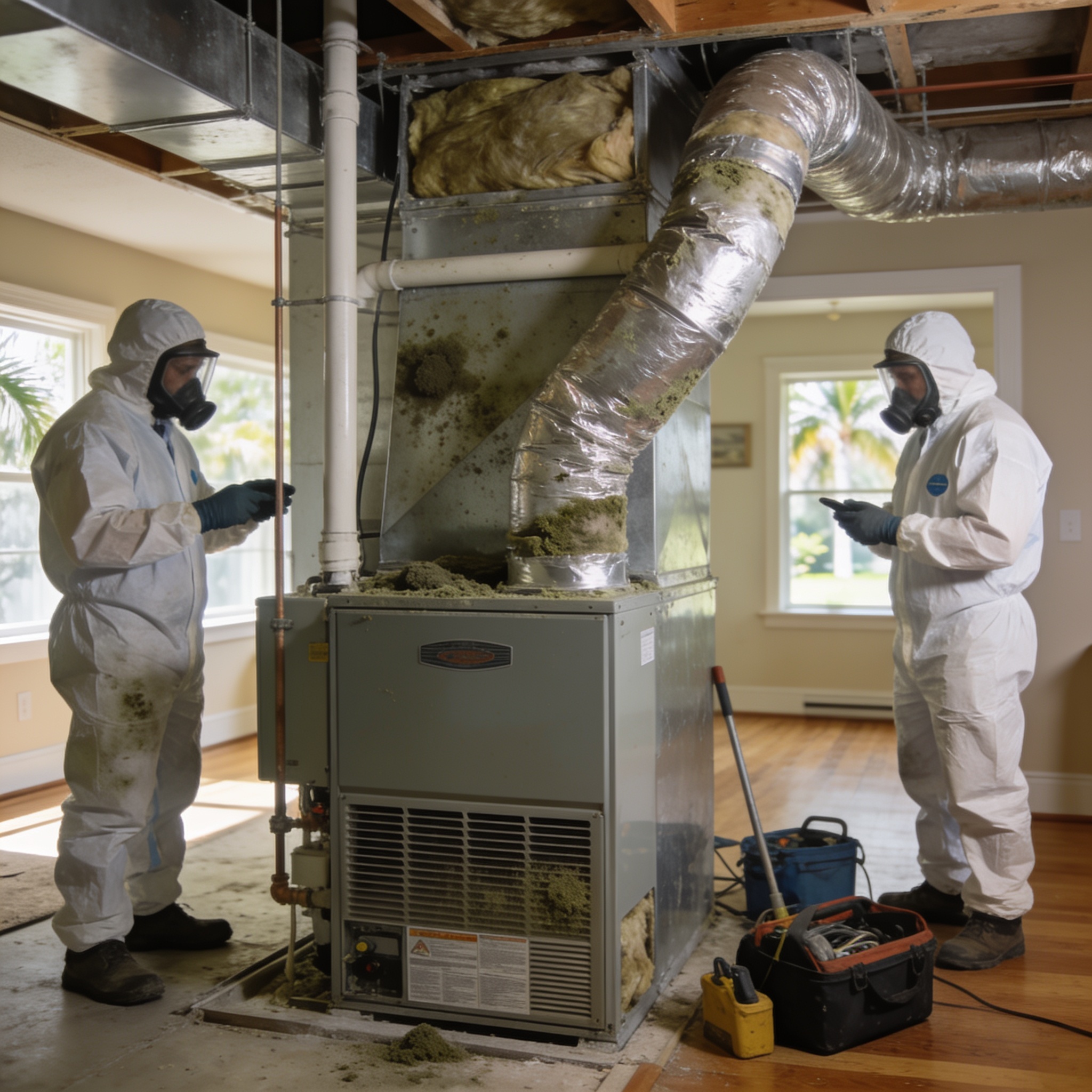
Key Takeaways
- Professional mold remediation is essential for HVAC systems because standard household cleaners cannot safely remove mold from internal components.
- High humidity in Southwest Florida significantly increases the risk of help prevent mold growth within air conditioning units and ductwork.
- The total cost for mold remediation varies based on the extent of the mold and whether components like insulation or air filters require replacement.
- Homeowners should prioritize regular HVAC maintenance to ensure the mold remediation process is effective and long-lasting.
- Insurance coverage for mold remediation depends heavily on whether the mold resulted from a sudden, covered peril like a burst pipe rather than long-term neglect.
What Are the Signs of Mold in an HVAC System?
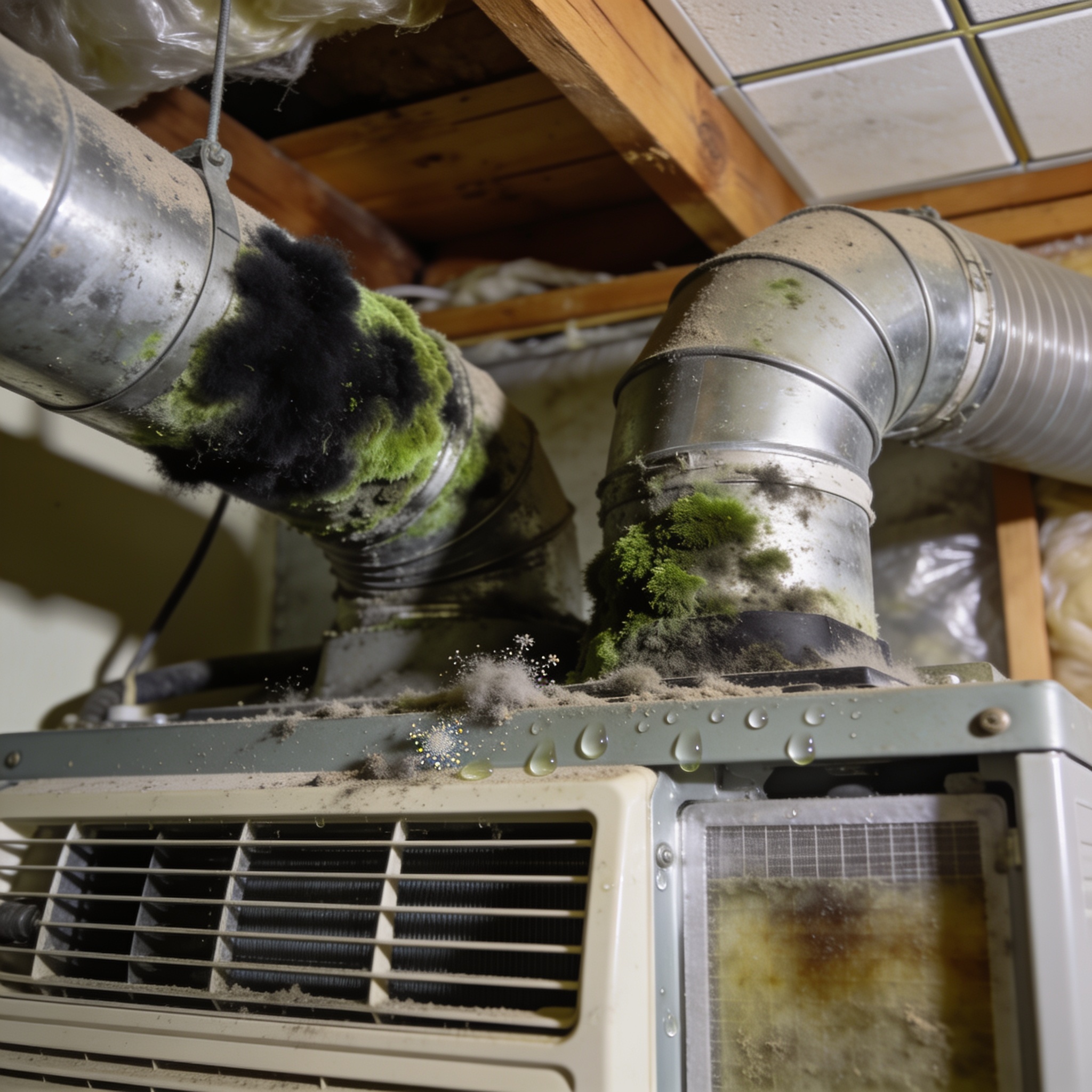
Identifying hidden mold in your home early is the most effective way to keep remediation costs manageable. You may notice a persistent musty or earthy odor coming from your vents whenever the air conditioning unit cycles on, which is a common sign of a mold issue. If you notice a patch of mold on your walls or vents, you likely need mold remediation immediately.
The 5 visual signs of black mold
- Visible mold growth on the exterior of the air registers or vent covers is often the first indicator of a deeper issue.
- Dark, fuzzy patches appearing on the air filter indicate that mold spores are actively circulating through your HVAC system.
- Discoloration or black streaks on the interior lining of your ductwork suggest that moisture has allowed a colony to establish itself.
- Excessive dust accumulation around the vents may actually be a mixture of debris and mold colonies that have built up over time.
- Water staining on the ceiling or walls surrounding the air duct indicates a leak that provides the moisture required for mold to thrive.
What Are the Common Causes of Mold Growth in HVAC Systems?
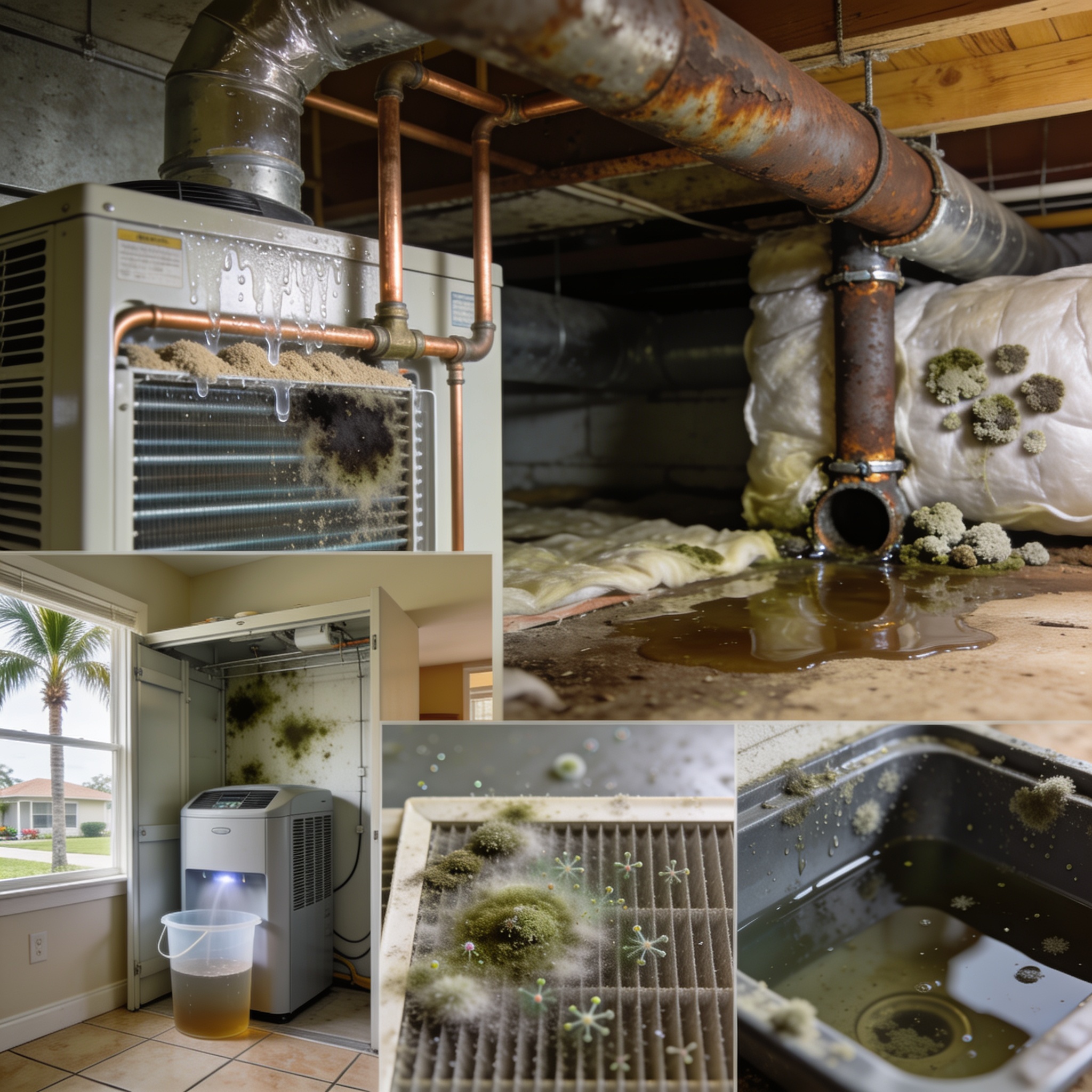
Mold growth in HVAC systems is primarily driven by the interaction between Florida’s high outdoor humidity and the condensation produced by cooling coils. Since mold is often found in damp areas, those with older homes are more susceptible to mold. If the drain line becomes clogged, a mold infestation can quickly take hold. Because mold requires moisture to survive, controlling humidity is the best way to reduce mold presence.
How Much Does It Cost to Remove Mold from an HVAC System?
The much does mold remediation cost question is common; the average mold removal costs for an HVAC system usually fall between $500 and $1,200 for standard residential units. This price point covers the labor, specialized equipment, and antimicrobial treatments required to safely get rid of mold from the blower, coils, and accessible duct sections. Mold remediation typically costs more if the system requires a full removal and replacement of internal insulation.
Professional mold remediation costs can exceed $2,000 if the infestation has spread extensive mold throughout the entire duct network or into the air handler unit. For those seeking local pricing, researching the cost in houston or local Florida markets can provide a better understanding of regional average mold removal rates. Always request a detailed estimate from a qualified remediation specialist that outlines the specific scope of work.
What Factors Influence the Cost of HVAC Mold Remediation?
Several variables dictate the final cost of your remediation project, with the accessibility of the HVAC system being a primary factor. If your air handler is located in a cramped attic or a hard-to-reach crawlspace, labor hours will increase significantly. Because mold spreads through ventilation, failing to address the source can lead to recurring problems. A skilled mold remediation specialist will provide a plan to prevent mold from returning after the initial cleanup.
| Factor | Impact on Cost |
|---|---|
| Extent of Infestation | Higher (requires more labor and materials) |
| Ductwork Accessibility | Moderate (affects time on site) |
| Component Replacement | High (cost of new filters/insulation) |
| System Complexity | Moderate (multi-zone systems cost more) |
The extent of the contamination is the most significant driver of total removal costs because it determines the intensity of the cleaning process. If the mold has compromised the internal insulation of the ductwork, that material must be removed and replaced to prevent future outbreaks.
What Is the Difference Between HVAC Mold Remediation and HVAC System Replacement Costs?
Remediation focuses on cleaning existing components, whereas replacement involves installing entirely new hardware. Professional mold removal services are often the preferred first step unless the HVAC system is nearing the end of its functional lifespan. If your system is over 15 years old and suffers from severe toxic mold damage, a whole-house mold remediation might be less cost-effective than a new, more efficient unit.
Can Mold Be Effectively Cleaned Out of an HVAC System — and What Does the Process Involve?
Effective mold removal from an HVAC system is possible when performed by trained professionals using industrial-grade HEPA vacuums and EPA-registered antimicrobial agents. The process typically begins with a thorough mold inspection to identify the source of the moisture. You should hire a mold inspector to determine the severity before beginning any work.
Once the moisture source is addressed, technicians use specialized brushes and vacuum systems to dislodge mold colonies from the air duct walls. The final stage of the process involves applying a protective sealant to inhibit future growth on cleaned surfaces. If you suspect a larger issue, you may need a qualified mold remediation company to ensure the entire property is safe.
Is It Possible to DIY HVAC Mold Cleaning, or Should You Hire a Professional?
Attempting to clean an HVAC system yourself is generally discouraged due to the risk of cross-contamination and the potential for damaging delicate internal parts. You should hire a mold professional because they possess the personal protective equipment and containment tools necessary to prevent mold spores from spreading to other rooms. Improper DIY attempts often result in the mold being disturbed and redistributed throughout the home, leading to higher long-term costs.
How Long Does HVAC Mold Remediation Typically Take?
Most HVAC mold remediation projects take between one and three days to complete, depending on the size of the home and the severity of the infestation. The time required often includes the drying phase, which is critical in the humid climate of Southwest Florida. A professional team will perform mold testing post-remediation to ensure the air quality has returned to safe levels.
Will Insurance Cover the Cost of Mold Remediation in HVAC Systems?
Homeowners insurance policies in Florida typically cover mold remediation only if the mold is a direct result of a sudden, covered peril like a burst pipe or a failed water heater. Most standard insurance policies exclude coverage for mold damage caused by long-term humidity, condensation, or lack of maintenance. Always review your specific policy documents or contact your agent before assuming coverage.
Frequently asked questions
Understanding the nuances of HVAC mold care helps homeowners make informed decisions about their indoor air quality.
How often should I have my HVAC ducts cleaned to prevent mold?
You should have your ducts inspected every 2-3 years, or immediately if you notice signs of mold, to ensure the system remains free of debris and moisture.
Does a UV light in an HVAC system actually stop mold?
UV-C lights installed inside the air handler can be effective at killing mold spores on the cooling coils, but they do not replace the need for regular cleaning of the ductwork.
Is it dangerous to run my AC if I suspect mold is present?
Running an HVAC system with active mold growth can circulate spores throughout your entire home, potentially worsening indoor air quality and triggering allergies.
What is the difference between mold remediation and mold removal?
While often used interchangeably, removal implies the total elimination of the fungus, while remediation focuses on cleaning and restoring the environment to a safe, healthy state, including steps to keep mold from returning.
See also: mold remediation near me
See also: Water Damage Restoration
See also: Water Damage Restoration
Related: Mold Remediation Cost in Cape Coral
Related: How Much Does Mold Remediation Cost
Our editorial team verifies licensing and reviews for every restoration company in the directory and writes practical, Florida-specific guides to help homeowners act fast and protect their insurance claims after water, fire, mold or storm damage.