Mold Remediation Cost Calculator: How Much Does It Really Cost?
Professional mold remediation costs typically range from $1,500 to $6,000 for standard residential projects, though the final price depends heavily on the square footage of the affected area and the severity of the infestation. Utilizing a mold remediation cost calculator helps homeowners estimate these expenses by accounting for local labor rates in Southwest Florida and the specific scope of work required for your property. Our calculator uses industry data to provide an accurate baseline. Because Florida’s high humidity creates a constant environment for fungal growth, accurate budgeting for 2026 is essential for any property owner dealing with water damage. If you are wondering how much does mold remediation cost, our calculator to estimate expenses can provide an instant estimate based on your specific site conditions.
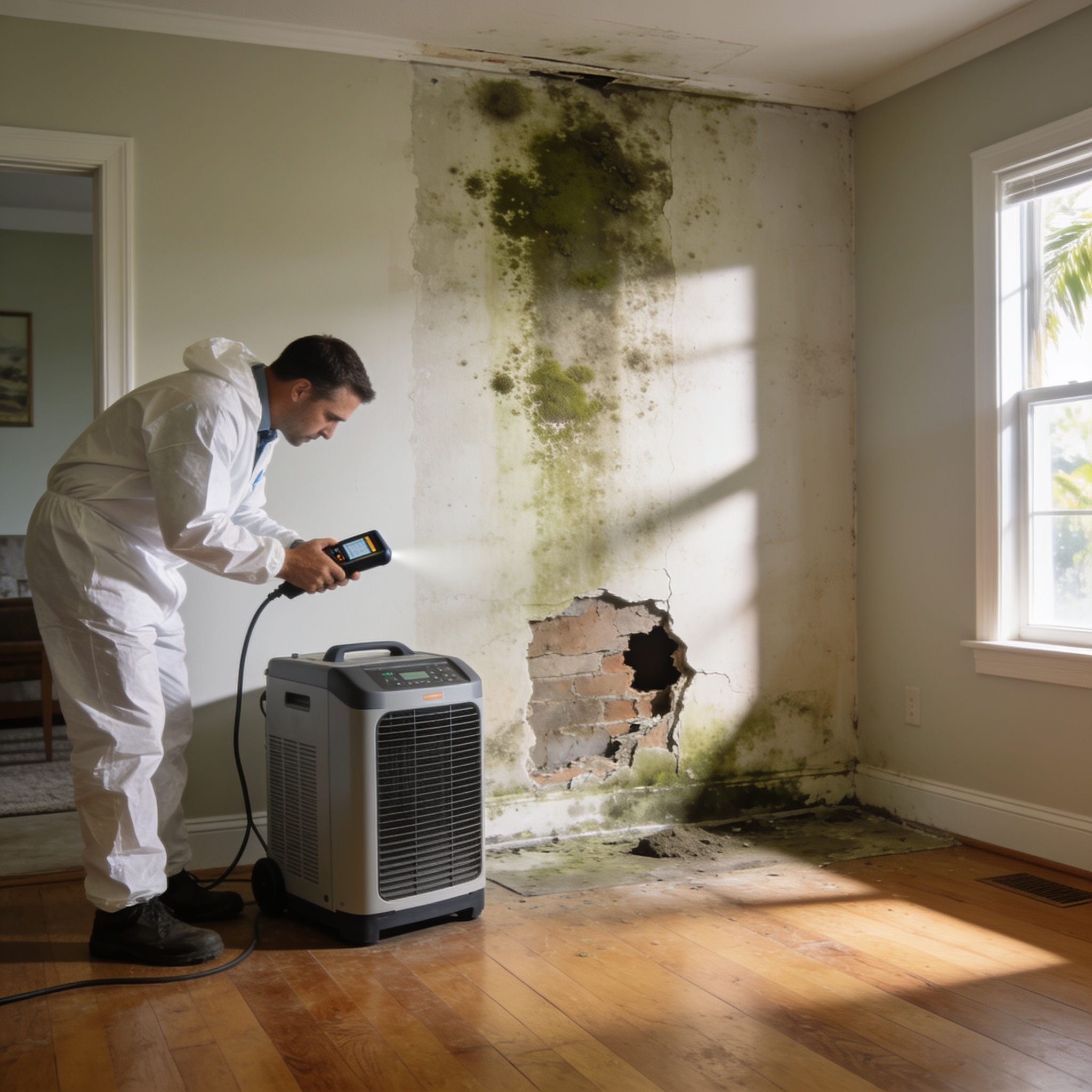
Key Takeaways
- Total remediation costs are primarily driven by the square footage of the contaminated area and the complexity of the materials involved.
- Southwest Florida’s tropical climate necessitates professional intervention to prevent future mold growth after initial cleanup.
- Most professional mold remediation follows the IICRC S520 standard to ensure safety and efficacy.
- Homeowners insurance may cover remediation if the underlying cause is a sudden, accidental water event like a burst pipe.
- DIY methods are generally discouraged for infestations larger than 10 square feet due to the risk of cross-contamination.
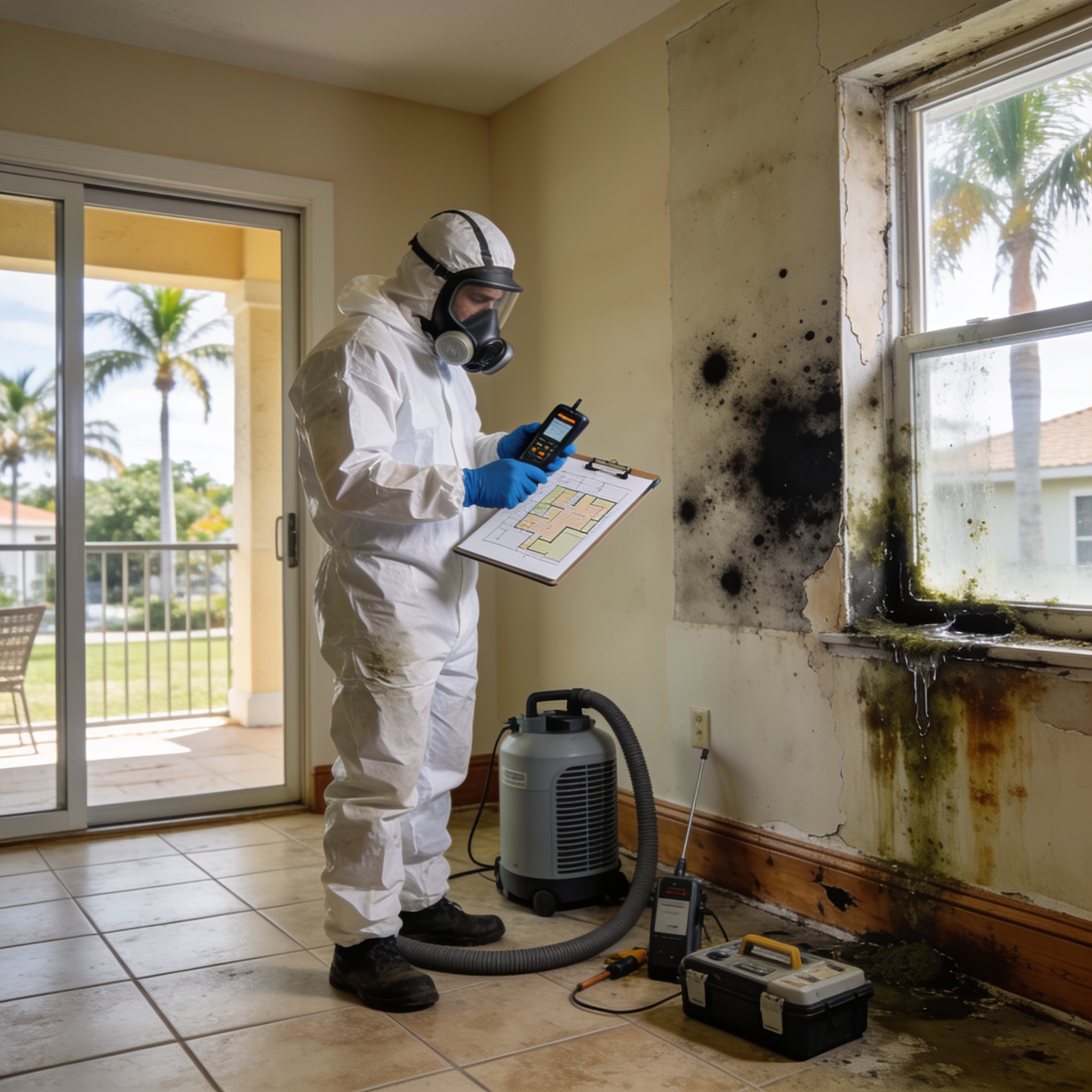
How is mold remediation cost estimate calculated or estimated?
Professional remediation specialists calculate costs by assessing the total square footage of the affected area and the specific labor required to safely remove mold damage. Most contractors use industry-standard software to generate a precise cost estimate based on line items for local labor and materials. This process accounts for the level of certified remediation needed, ensuring fair pricing while considering that costs scale based on the severity of the infestation. Factors include the type of building material affected and the level of containment required to protect the rest of the home.
The 5 visual signs of black mold growth
Identifying a mold issue early can significantly reduce your total removal cost by preventing the spread to structural components like drywall and insulation. Watch for these indicators that your home is contaminated with mold:
- Visible mold growth: Patches of black, green, or white fuzzy growth, including toxic stachybotrys, appearing on walls, ceilings, or baseboards.
- Persistent musty odor: A damp, earthy smell that remains even after thorough cleaning or the use of a HEPA-filtered vacuum.
- Discoloration of surfaces: Dark staining or bubbling paint on a basement wall or interior partition, often indicating moisture trapped behind the surface.
- Water damage history: Recent roof leaks, plumbing failures, or high humidity levels that have left materials damp for more than 48 hours.
- Physical symptoms: Residents experiencing unexplained respiratory irritation or allergic reactions when spending time in specific rooms of the house.
What factors influence the cost of mold remediation?
The total price is heavily influenced by the accessibility of the affected area and the specific techniques required. In some cases, the process requires stricter protocols to meet safety standards. Specialized hazmat procedures may be necessary for large-scale infestations. In Southwest Florida, the cost often increases if the infestation has reached crawlspaces or the attic, as these spaces require more complex containment. Additionally, a surcharge may apply for emergency services or difficult access, and surface-level cleaning is rarely sufficient for deep-seated colonies.
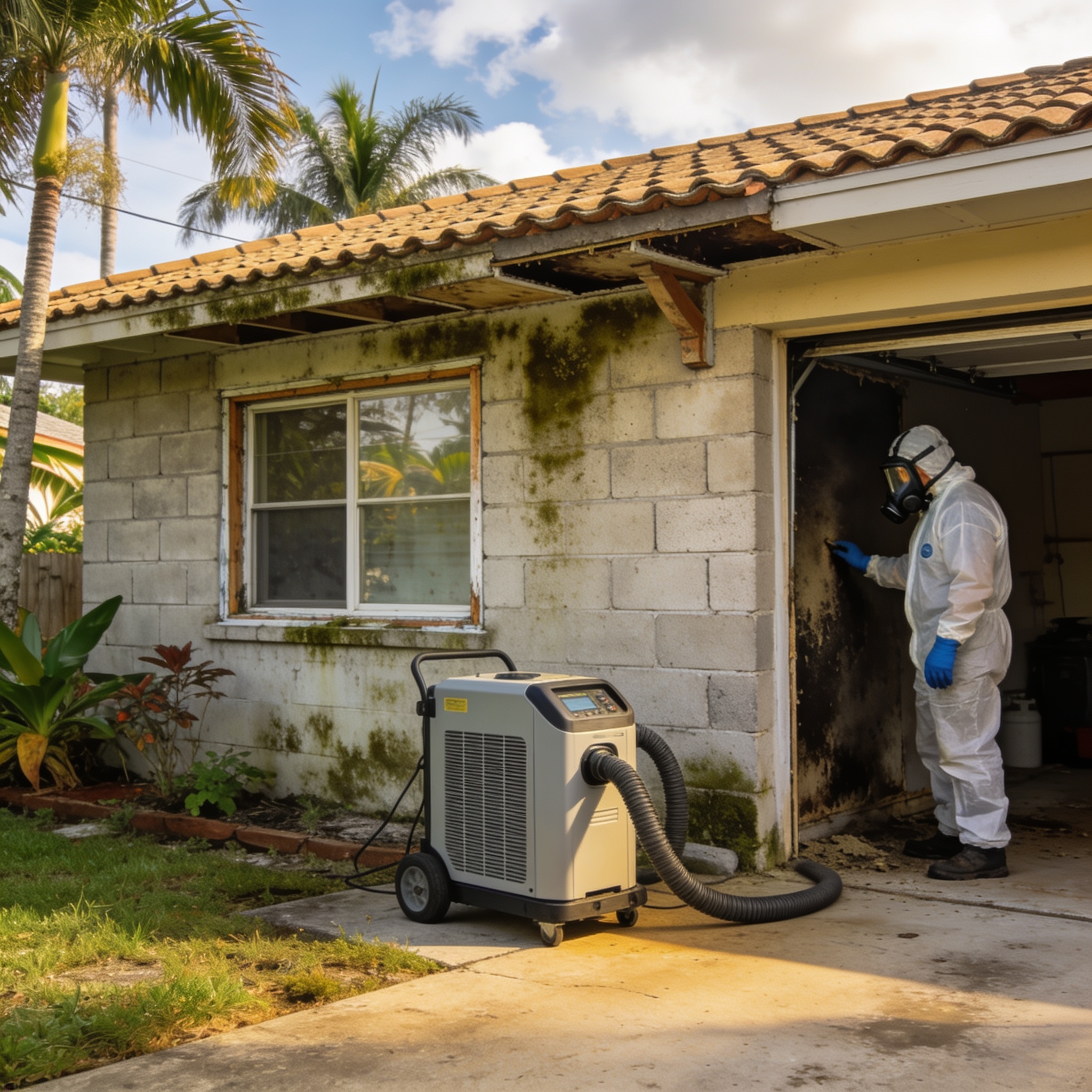
What does mold remediation typically cost, and how much does professional mold removal cost by size?
Professional mold removal cost varies significantly based on the scale of the project. You can expect to pay a rate per square foot, though this is often adjusted based on material choices and the need for encapsulation to seal surfaces. The following table outlines estimated price ranges for common remediation scenarios in the SWFL region.
| Affected Area Size | Estimated Cost Range | Average Cost per unit |
|---|---|---|
| Small (Under 50 sq ft) | $500 – $1,500 | $10–$30/sq ft |
| Medium (50 – 150 sq ft) | $1,500 – $3,500 | $10–$30/sq ft |
| Large (150+ sq ft) | $3,500 – $8,000+ | $10–$30/sq ft |
| Full HVAC/Duct System | $2,000 – $5,000 | $2,000–$5,000 flat |
| Average Industry Rate | Approx. $30 per square | Variable |
When is professional mold remediation necessary versus DIY?
Professional mold remediation is necessary whenever the affected area is larger than 10 square feet or if the mold is located within HVAC systems. The United States Environmental Protection Agency (EPA) suggests that larger infestations require professional containment and high-efficiency hepa filtration to prevent the release of spores. If you are dealing with a significant event, contacting mold remediation companies is the safest way to ensure the job is done correctly.
Can a house full of mold be saved?
Most homes can be fully restored to a safe, healthy condition through professional remediation, even after a severe infestation. The process involves removing non-salvageable porous materials, followed by antimicrobial treatment. Specialists use industrial-grade dehumidifiers and daily rental equipment to facilitate extended drying. To properly ventilate the space and ensure the structure is dried, professional intervention is critical to ensuring the structure is ready for preventing future mold growth.
What is the difference between mold inspection and mold testing?
A mold inspection is a visual assessment performed by a professional to identify the moisture source and the extent of the visible growth, whereas mold testing involves collecting samples to determine the specific species and spore counts. While inspection is often sufficient to identify the need for How Much Does Mold Remediation Cost remediation, testing provides scientific data on air quality. Many homeowners in Florida choose to conduct post-remediation clearance testing to verify that the environment is truly clean.
Will homeowners insurance pay for mold removal?
Homeowners insurance coverage for mold removal depends entirely on whether the mold was caused by a “covered peril” like a sudden pipe burst or a storm-damaged roof. If the mold growth resulted from long-term maintenance neglect or high humidity—often measured by the moisture content of building materials—most policies will deny the claim. You should review your policy carefully or contact a professional if you suspect you need Water Damage Restoration after a storm. Always document the damage thoroughly before starting any cleanup efforts.
How long does mold remediation take, and can I stay in my home during the process?
The timeline for mold remediation typically spans from three days to over a week, depending on the severity of the contamination and the size of the property. During this time, professionals will establish containment barriers and negative air pressure to keep spores from migrating to clean areas of the home. While you can sometimes remain in the home if the affected area is small and isolated, it is often safer to relocate if the project involves extensive demolition. If you need help with Water Damage Restoration, prioritize working with a licensed contractor who provides a clear timeline for your specific Mold Remediation Cost in Cape Coral.
Frequently asked questions
Understanding the nuances of the remediation process helps homeowners navigate the complexities of property restoration in the Florida climate.
Is there such a thing as free mold remediation?
There is no such thing as free mold remediation, as the process requires specialized equipment, certified labor, and proper disposal of hazardous materials. Any offer for free services should be treated with extreme caution, as legitimate restoration requires professional training and adherence to strict safety standards.
Does bleach kill mold on porous surfaces?
Bleach is generally ineffective at killing mold on porous materials like drywall and wood, as it only removes the surface color while the roots remain deep within the material. Professional remediation involves removing the contaminated material entirely or using EPA-registered antimicrobial agents designed for deep penetration.
How do I prevent future mold growth after remediation is complete?
Preventing future mold growth requires keeping indoor humidity levels below 60% and immediately addressing any new water leaks or moisture issues. Regularly maintaining your HVAC system and ensuring proper ventilation in bathrooms and kitchens are the most effective ways to keep your home mold-free.
What is the IICRC S520 standard?
The IICRC S520 is the industry-standard reference guide for professional mold remediation, outlining the best practices for safety, containment, and restoration. Adherence to this standard ensures that the remediation specialist follows rigorous protocols to protect the health of the occupants and the integrity of the building.
Our editorial team verifies licensing and reviews for every restoration company in the directory and writes practical, Florida-specific guides to help homeowners act fast and protect their insurance claims after water, fire, mold or storm damage.