Cost for Mold Testing: What You Should Expect to Pay
The average cost for mold testing in Southwest Florida typically ranges between $300 and $600 depending on the size of the property and the number of samples collected. Homeowners in high-humidity zones like Lee, Collier, and Charlotte counties should prioritize professional mold testing whenever they detect persistent musty odors or visible fungal growth following a storm or plumbing leak. Whether you live in a single-family home, an apartment, or one of the many local condos, identifying the presence of mold early is vital to maintaining a healthy environment. Furthermore, commercial property owners should conduct regular assessments to protect their assets and ensure compliance with EPA guidelines regarding indoor air quality. When budgeting for these services, it is helpful to compare various inspection prices offered by local professionals to ensure you receive a fair market rate.
Key Takeaways
- Professional mold testing usually costs between $300 and $600 for a standard residential inspection.
- A visual inspection is different from formal lab-based mold testing, which requires physical samples.
- High humidity in Florida makes it essential to check HVAC systems and attics for hidden moisture.
- Insurance coverage for mold testing is rarely guaranteed unless it results directly from a covered peril like a burst pipe.
- Always hire a certified inspector to ensure the results are accurate and admissible for insurance claims.
What Is the Difference Between Mold Inspection and Mold Testing?
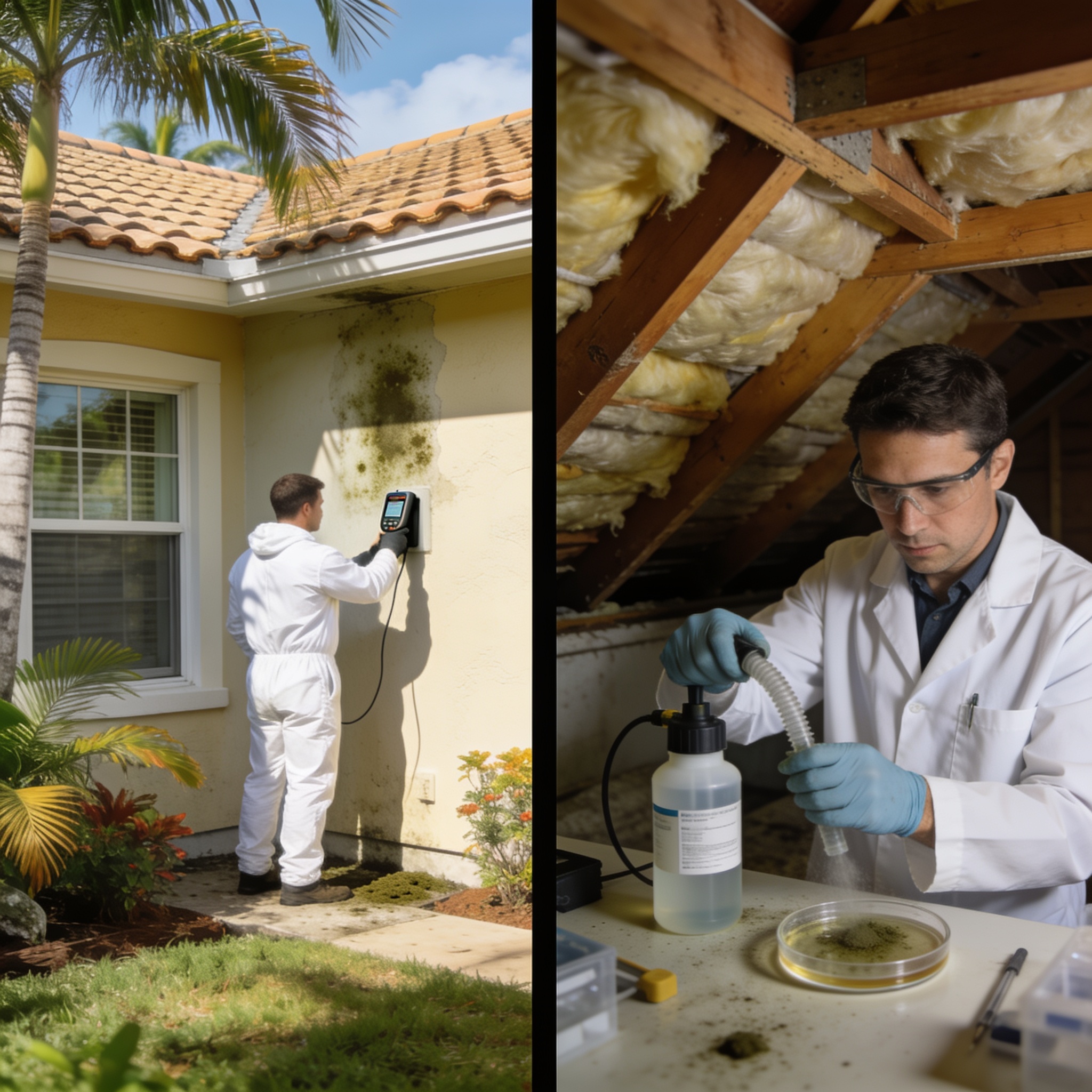
A mold inspection is a comprehensive visual assessment of a property, whereas mold testing involves collecting physical evidence to be analyzed in a laboratory. During an inspection, the professional looks for signs of moisture, water damage, and mold growth in accessible areas. Mold testing provides scientific data confirming the specific type of mold present and the concentration of mold spores in the air or on surfaces. You should understand that an inspection identifies the source of the problem, while testing confirms the biological makeup of the fungus.
When Should You Get a Mold Inspection or Testing?
You should schedule an inspection if you notice persistent musty odors, visible spots on drywall, or if you are buying a new home in a flood-prone area. Residents in SWFL often require these services after hurricanes or tropical storms that introduce high humidity into indoor spaces. If you or your family members develop a sudden allergy or respiratory symptom, it may indicate mold exposure or a hidden mold problem. Proactive checks can help you avoid the need for extensive mold removal and costly structural repair later.
What Happens During a Mold Inspection?
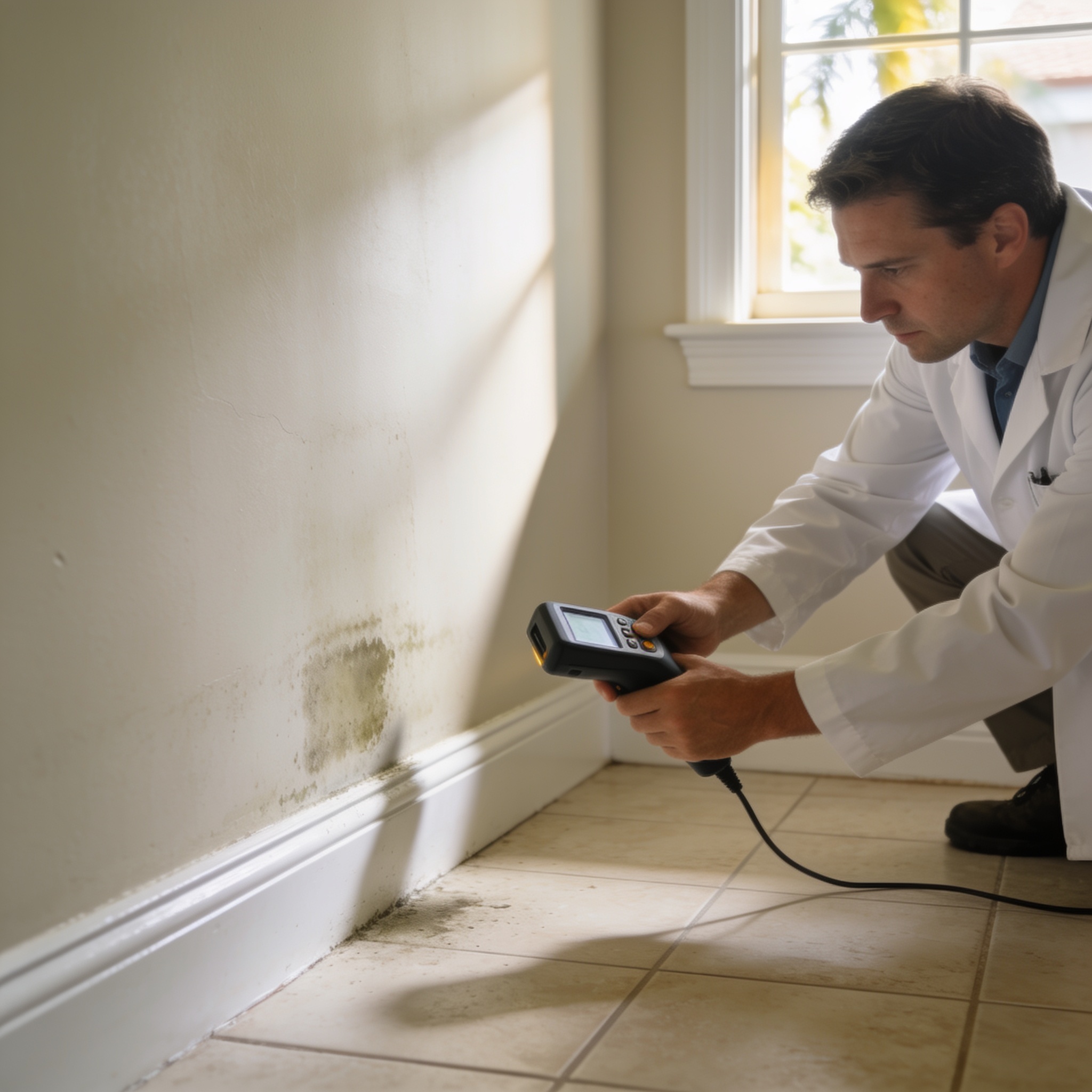
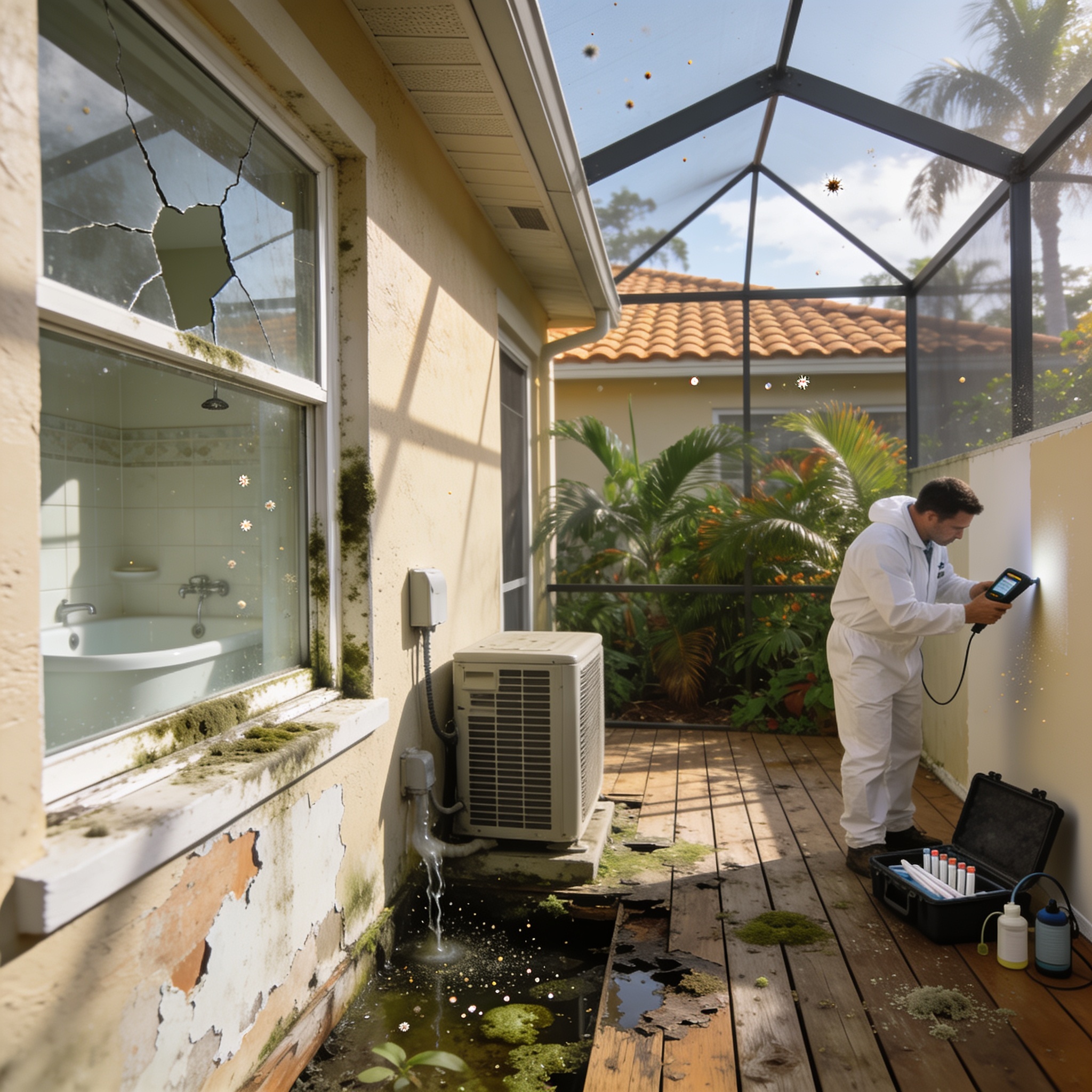
The inspection process involves a systematic review of the entire property using special equipment to detect mold and hidden moisture. An inspector will typically use moisture meters, thermal imaging cameras, and boroscopes to look behind walls or inside HVAC ducts. They examine common trouble spots like attics, basements, and under-sink plumbing where water damage frequently occurs. Following the assessment, the professional will document their findings to help you decide if you need to proceed with mold remediation.
How Many Samples Are Typically Included in Mold Testing?
Standard mold testing packages usually include between two and three samples as part of the base price. These samples typically consist of one outdoor control sample—used to establish a baseline for your specific neighborhood—and one or two indoor air samples or surface swabs. If your property is large or you suspect contamination in multiple rooms, you may need additional samples to accurately gauge the amount of mold. Most service providers charge an additional fee for every extra sample collected beyond the initial package.
Price for Mold Testing and Inspection
The total cost of mold inspection and testing generally falls within a price range of $300 to $600 for most residential properties in Southwest Florida. This price for mold testing covers the inspector’s time, the use of specialized equipment, and the laboratory fees for analyzing your samples. If you require a more extensive assessment for a large commercial property, the costs can scale significantly higher based on square feet. Always ask for a written quote before you hire one of the many qualified inspection companies to ensure there are no hidden fees.
What Factors Influence the Mold Inspection Cost?
The primary factors influencing the mold inspection cost include the total square footage of the structure, the number of samples required, and the accessibility of the affected areas. Large homes or complex layouts require more time to inspect, which naturally increases the labor portion of the bill. The size of the house often dictates the number of air samples needed to get an accurate reading. If the inspector needs to perform invasive testing, such as cutting into drywall or accessing cramped attics, the price will reflect the added difficulty. Additionally, the urgency of the request, especially during the peak hurricane season, may impact the final quote.
Who Pays for a Mold Inspector?
The property owner is typically responsible for paying the costs associated with an initial mold inspection. If you are in the process of buying a new home, you may negotiate for the seller to cover the inspection as part of the closing conditions. Renters should contact their landlord immediately if they suspect mold in my home, as the property owner is usually obligated to address moisture issues. Always clarify payment responsibilities before work begins to avoid disputes later.
Does an Inspector Recommend Insurance Coverage for Mold?
Most standard homeowners insurance policies in Florida do not cover mold testing or removal unless the growth is a direct result of a sudden, accidental water event like a burst pipe. Damage caused by long-term humidity, flooding, or poor maintenance is often excluded from coverage. If you are dealing with significant water damage, you might need Water Damage Restoration or Water Damage Restoration to mitigate the issue before it escalates. Always review your specific policy or contact your agent to understand your coverage limitations.
How to Prevent Mold and Why Testing Is Worth It
Testing for mold is objectively worth the investment because it provides the scientific evidence needed to prioritize health and guide effective remediation efforts. Without formal testing, you are essentially guessing about the severity of the contamination and the potential health problems involved. Knowing exactly what you are dealing with allows you to hire the right removal company and prevent mold from returning. It provides peace of mind for families and protects the long-term value of your property investment.
Can a House Full of Mold Be Saved?
A house infested with mold can almost always be saved through professional remediation, provided the underlying moisture source is identified and permanently corrected. The remediation process involves removing contaminated materials, cleaning surfaces, and utilizing industrial-grade dehumidifiers to lower indoor humidity. While the mold remediation cost cape coral can be substantial depending on the damage, it is usually more cost-effective than a total loss. Consult with a reputable How Much Does Mold Remediation Cost expert to evaluate the feasibility of restoring your specific property.
Frequently asked questions
Understanding the nuances of mold testing can help you make informed decisions about your property’s health.
Can I test for mold using a DIY kit?
While DIY kits are available, they are generally unreliable and often fail to provide the actionable data required to address a serious mold problem.
How long does it take to get test results?
Most laboratory results are returned within three to five business days after the samples are collected by the mold inspector.
Does a clean test result mean my home is safe?
A clean test result confirms that spore counts are within normal ranges at the time of testing, but it does not guarantee that mold will not return if moisture problems persist.
Will an air purifier get rid of mold?
An air purifier with a high-quality filter can help capture airborne spores, but it cannot eliminate the source of the growth or clean contaminated surfaces.
What is the most common type of mold found in Florida homes?
Common indoor molds in Florida include Cladosporium, Penicillium, and Aspergillus, all of which thrive in our high-humidity, warm climate.
| Service Type | Price range |
|---|---|
| Standard Visual Inspection | $150 – $300 |
| Cost of mold inspection (Incl. 2 Samples) | $300 – $600 |
| Additional Lab Samples | $75 – $150 each |
| Full Remediation Protocol | $1,500 – $5,000+ |
| Average Price for mold assessment | $300 – $600 |
Our editorial team verifies licensing and reviews for every restoration company in the directory and writes practical, Florida-specific guides to help homeowners act fast and protect their insurance claims after water, fire, mold or storm damage.