Home Insurance Mold Remediation: Does Your Policy Cover It?
Whether your home insurance covers mold damage depends entirely on whether the underlying cause was a sudden, accidental event like a burst pipe rather than long-term neglect or flooding. In Southwest Florida, where humidity levels frequently exceed 70%, most standard homeowners policies only pay for remediation if the moisture source is explicitly covered under your specific home insurance policy. Understanding your insurance coverage is vital, as standard home insurance typically focuses on sudden perils rather than maintenance issues. Homeowners insurance policies typically exclude damage resulting from a lack of home maintenance, so proactive home maintenance is essential to protect your property.
Key Takeaways
- Most standard home insurance policies only cover mold damage if it results from a sudden and accidental water event.
- Long-term issues like a slow leak or lack of maintenance are generally excluded from coverage.
- Flood insurance is a separate requirement, as standard homeowners insurance policy terms do not cover damage caused by rising groundwater.
- Documenting the source of moisture is the most critical step when you file a mold claim.
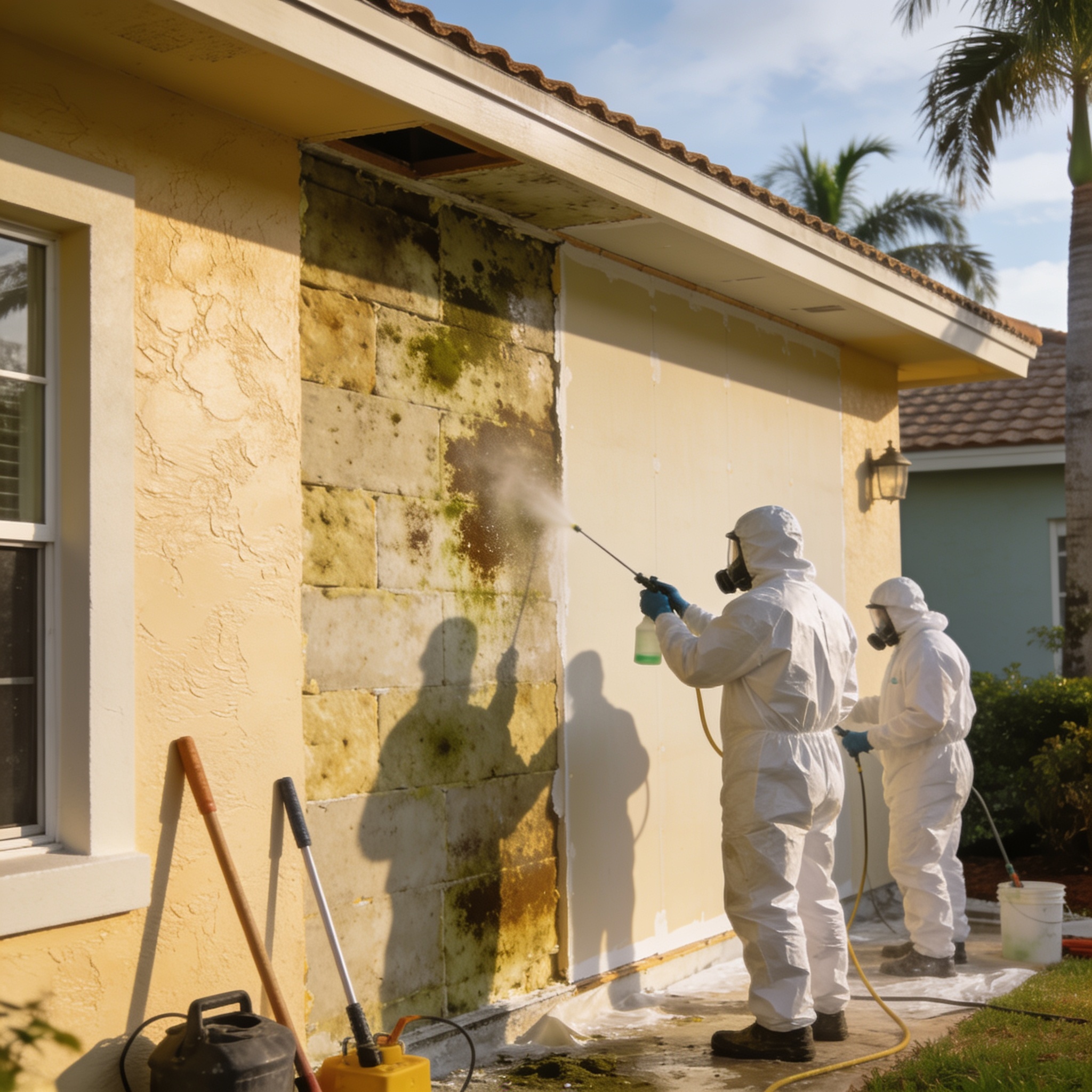
- Professional mold remediation is often required to meet safety standards set by the IICRC.
When Is Mold Covered by Homeowners Insurance?
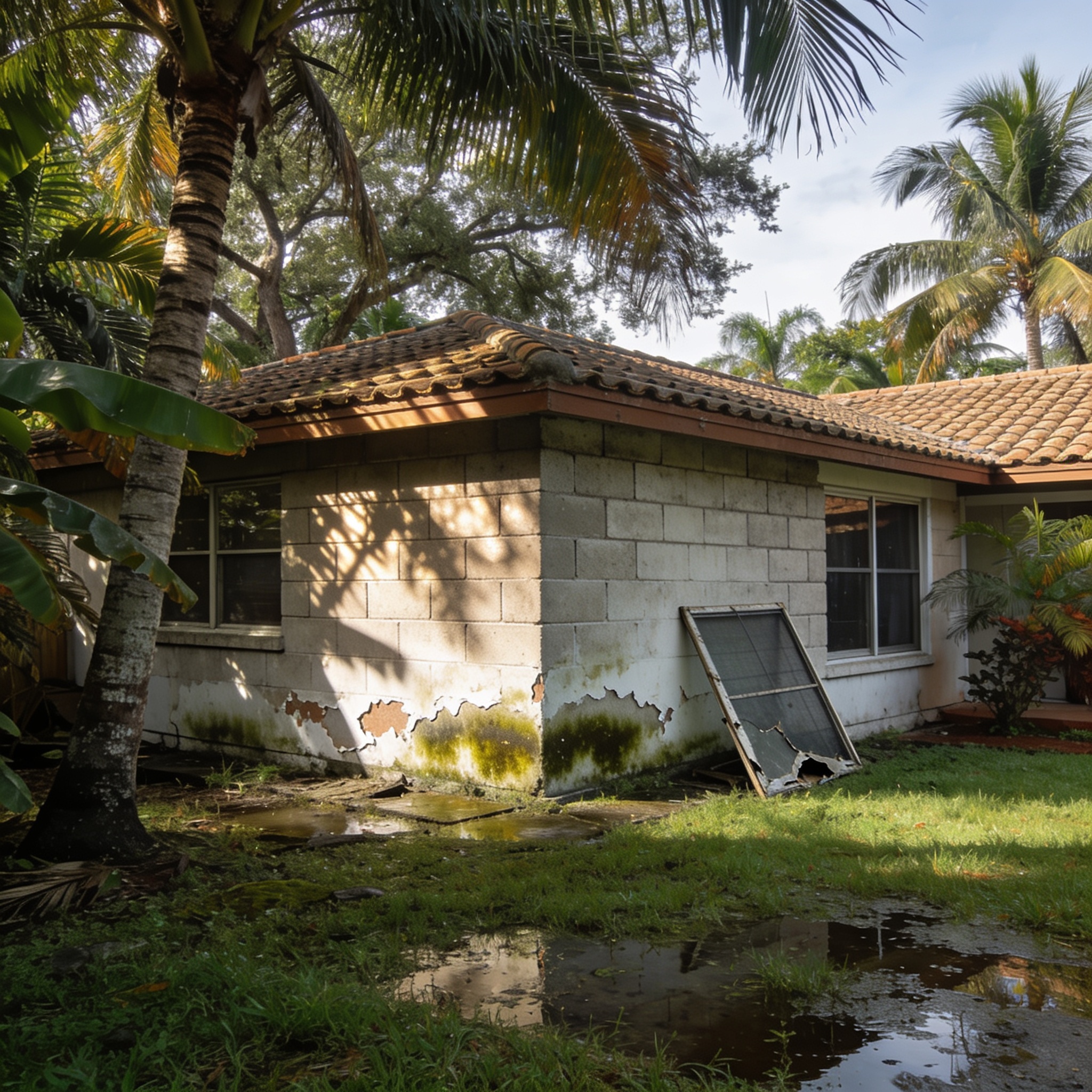
Insurance covers mold only when it is a direct consequence of a “covered peril,” such as a sudden pipe burst or a failed appliance. If a supply line to your dishwasher ruptures in your Cape Coral kitchen, the resulting water damage and subsequent fungal growth are typically included in your policy. Because the mold is caused by a sudden event, it is often covered by insurance. According to the IICRC, rapid response is essential to prevent the fungus from spreading to structural components. Your insurance company will usually pay for the necessary mold remediation if the claim is filed promptly after the accidental event. When mold damage is covered, it is because the policyholder can prove the cause of the mold was a sudden, accidental discharge of water. Insurance policies are designed to cover sudden and accidental water events, and mold is a form of secondary damage that may be included if the primary event is covered. You should check your insurance policy to see if your specific plan includes these protections.
When Is Mold Not Covered by Homeowners Insurance?
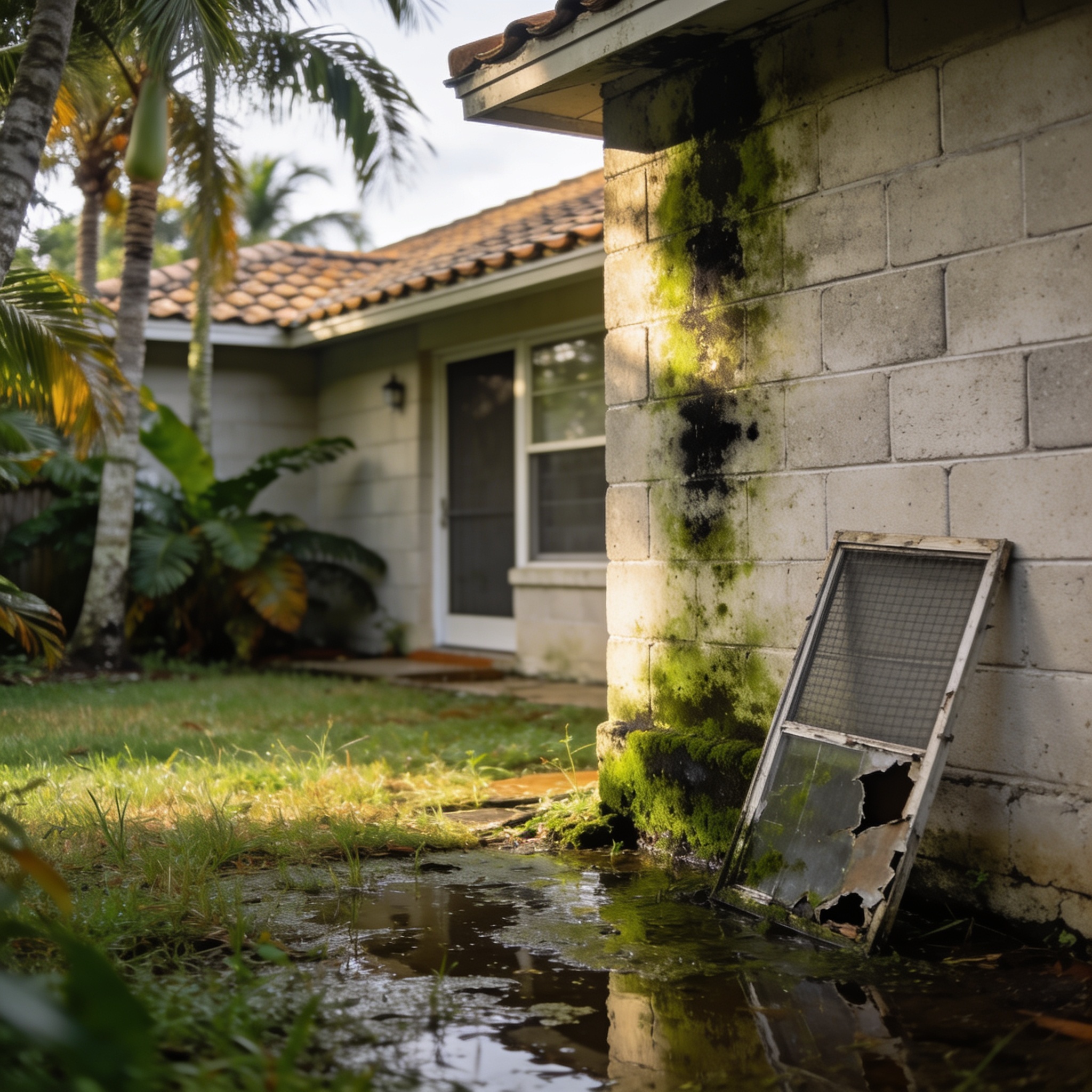
Home insurance covers mold only under specific conditions; therefore, your policy may not cover growth that stems from long-term moisture, humidity, or lack of maintenance. If you have a slow water leak behind a wall that goes unnoticed for months, this hidden water damage often leads to exclusions. Furthermore, the National Flood Insurance Program (NFIP) confirms that standard homeowners policies exclude damage caused by rising water or storm surges. You must secure a separate flood insurance policy to address these specific environmental risks in Lee or Collier County. It is important to remember that home insurance does not cover damage resulting from neglect, and many insurance policies explicitly state that insurance does not cover mold if it arises from preventable humidity issues.
Can You Claim for Mold on House Insurance — and Should You?
You should only file a mold claim if the estimated cost of repairs significantly exceeds your policy deductible. Filing a claim for minor issues can negatively impact your CLUE report, potentially increasing your premiums for future home insurance quotes. Before contacting your carrier, consult with local experts at mold remediation companies near me to get a professional assessment of the scope. If the damage to your home is extensive, ensure you have clear evidence linking the growth to a sudden, covered incident. Remember that home insurance claims are best reserved for significant events where the policy clearly indicates that mold is covered. Because mold can grow anywhere in your home, you must act quickly to mitigate the spread of mold damage in your home. If you notice signs of mold, talk to your insurance provider to understand the documentation required for claims for mold.
What Time of Year Is Worst for Mold Growth in Your Home?
The late summer and early fall months, particularly August through October, present the highest risk for mold in your home due to peak hurricane season and extreme humidity. High dew points combined with potential roof damage from tropical storms create the perfect environment for indoor contamination. During these months, it is vital to monitor for water damage regularly. If you notice signs of moisture, contact professionals specializing in Water Damage Restoration immediately to mitigate the risk. Excess moisture can quickly lead to mold growth if left untreated. Your insurance company may deny coverage if you fail to address these risks, as accidental water damage must be reported immediately to be covered by home insurance.
How Much Does It Cost to Get Rid of Mold in Your Home?
The average cost of mold remediation in Southwest Florida typically ranges between $1,500 and $6,000 depending on the square footage and the extent of the contamination. Complex projects involving HVAC ductwork or structural drying can push costs higher. You can find detailed breakdowns of these expenses in our guide on Mold Remediation Cost in Cape Coral. Always verify that the contractor follows EPA guidelines for containment and air filtration to ensure the safety of your household. If you are wondering if your policy will pay for mold, check your declarations page for specific sub-limits. Many policies usually cover mold damage only up to a certain dollar amount, so verify your limits before starting repairs.
How Do I File a Mold Insurance Claim (and What Not to Say to Your Adjuster)?
To successfully file a mold claim, you must provide clear documentation showing that the damage was caused by a sudden, accidental water event. Do not tell your adjuster that the issue has been present for a long time or that you noticed a smell weeks ago, as this implies a lack of maintenance. Instead, focus on the specific date and time the water leak occurred. Keep all receipts for emergency repairs and do not perform permanent repairs until your insurance company has inspected the property. Your policy pays for mold damage only when you can demonstrate that the water and mold damage resulted from a covered peril. Policies will often cover mold damage or removal only if it is a direct result of a covered water claim, and they will cover mold if it results from a sudden pipe failure.
What Should I Do If My Mold Claim Is Denied?
If your claim is denied, you have the right to request a formal explanation in writing and may hire a public adjuster to review your policy coverage. Many homeowners find that their initial denial is based on a misunderstanding of the cause of the moisture. You can also review your homeowners insurance documents to see if there is an endorsement for limited mold coverage. If the denial stands, you may still need to How Much Does Mold Remediation Cost experts to treat mold and prevent further health risks to your family. Remember that home insurance covers water damage, but the secondary growth is subject to specific policy language.
How Can I Prevent Mold in Your Home?
To effectively prevent mold in your home, you must maintain indoor humidity levels below 60% and address any plumbing issues immediately. Consistent maintenance is the best way to ensure your home insurance remains valid. Use the following checklist to maintain your property:
| Action Item | Frequency | Why it matters |
|---|---|---|
| Check under sinks for leaks | Monthly | Prevents water backup issues |
| Clean HVAC drip pans | Quarterly | Mold can cause respiratory issues |
| Inspect roof for storm damage | After every major storm | Helps cover sudden roof breaches |
| Run dehumidifiers in closets | During summer months | Reduces overall humidity |
Frequently asked questions
Understanding the nuances of your policy is essential for navigating the claims process in Florida.
Does home insurance cover mold if it comes from a roof leak?
Home insurance covers mold from a roof leak only if the leak was caused by a sudden event like a storm, rather than general wear and tear.
Is mold remediation expensive?
Mold remediation costs vary, but professional services are necessary to ensure the area is properly dried and sanitized to prevent recurrence.
Can I use my flood insurance for mold?
A flood insurance policy may cover damage caused by rising water, but you must verify the specific terms regarding fungal growth with your provider.
What is the biggest mistake when filing a mold claim?
The biggest mistake is waiting too long to report the incident, which allows the mold growth to worsen and suggests negligence to the adjuster.
How do I know if my mold is toxic?
Only professional laboratory testing can identify the specific species of mold, but any significant growth should be treated as a health hazard.
See also: Water Damage Restoration
Our editorial team verifies licensing and reviews for every restoration company in the directory and writes practical, Florida-specific guides to help homeowners act fast and protect their insurance claims after water, fire, mold or storm damage.