Fire Damage Restoration Steps: A Professional Recovery Roadmap
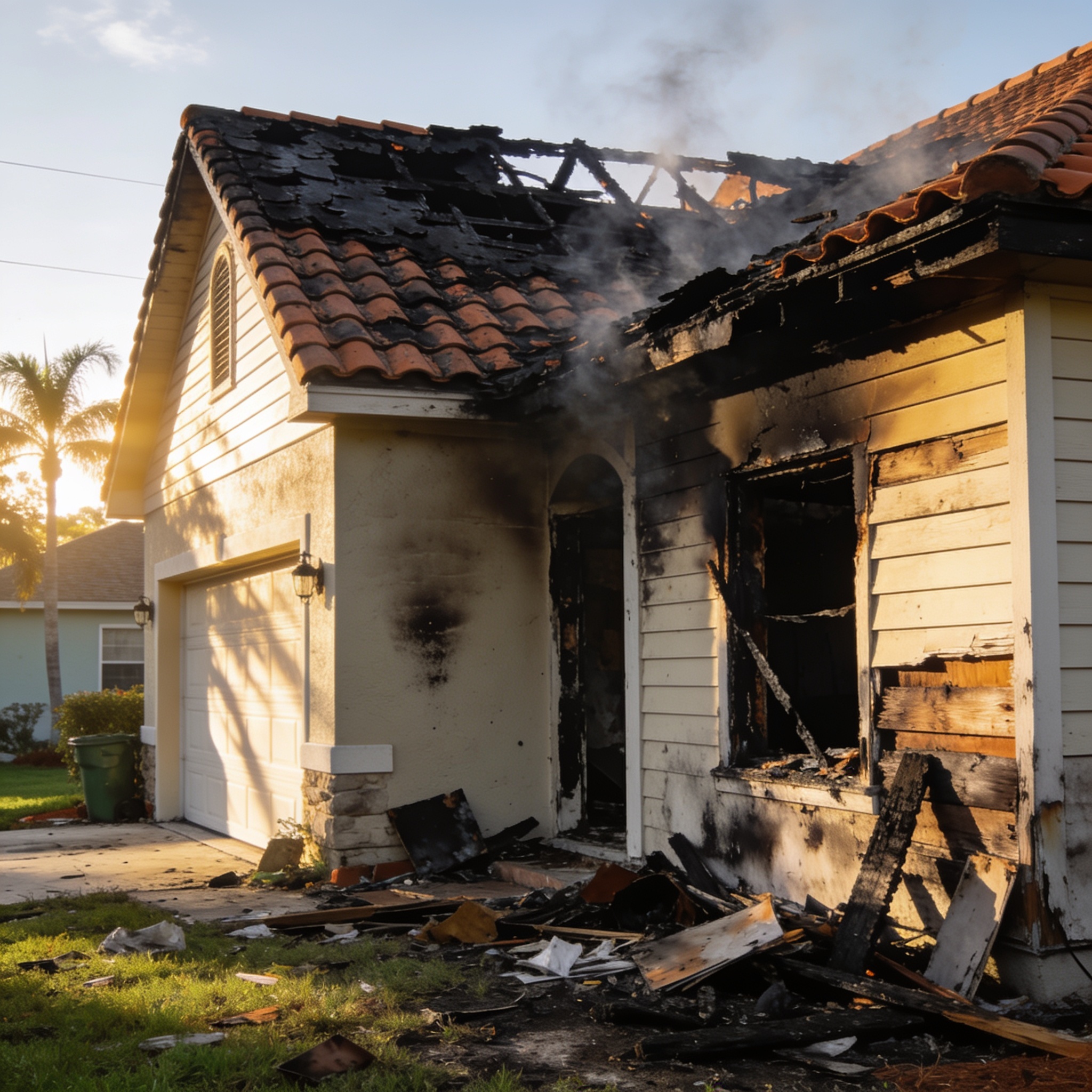
Professional fire damage restoration typically costs between $3,500 and $25,000 depending on the severity of the fire and the square footage involved in the recovery effort. Following a structured fire damage restoration process is the most effective way to mitigate long-term property damage and ensure a safe living environment in Southwest Florida. Securing your home or business immediately after the fire department leaves is the critical first step to prevent further damage from humidity and unauthorized entry. A qualified fire damage restoration team will begin by assessing the extent of the fire to ensure all safety protocols are met.
Key Takeaways
- Professional fire restoration requires specialized training to handle toxic soot and acidic smoke residues.
- Water damage from firefighting efforts often causes more structural harm than the fire itself in humid climates like Lee and Collier counties.
- Immediate action is necessary to prevent mold growth, which can occur within 24 to 48 hours in Florida’s tropical environment.
- The damage restoration process must prioritize structural integrity before cosmetic repairs or painting.
- Working with an IICRC-certified fire damage restoration contractor ensures compliance with industry standards for safety and remediation.
What Is Fire Damage Restoration?
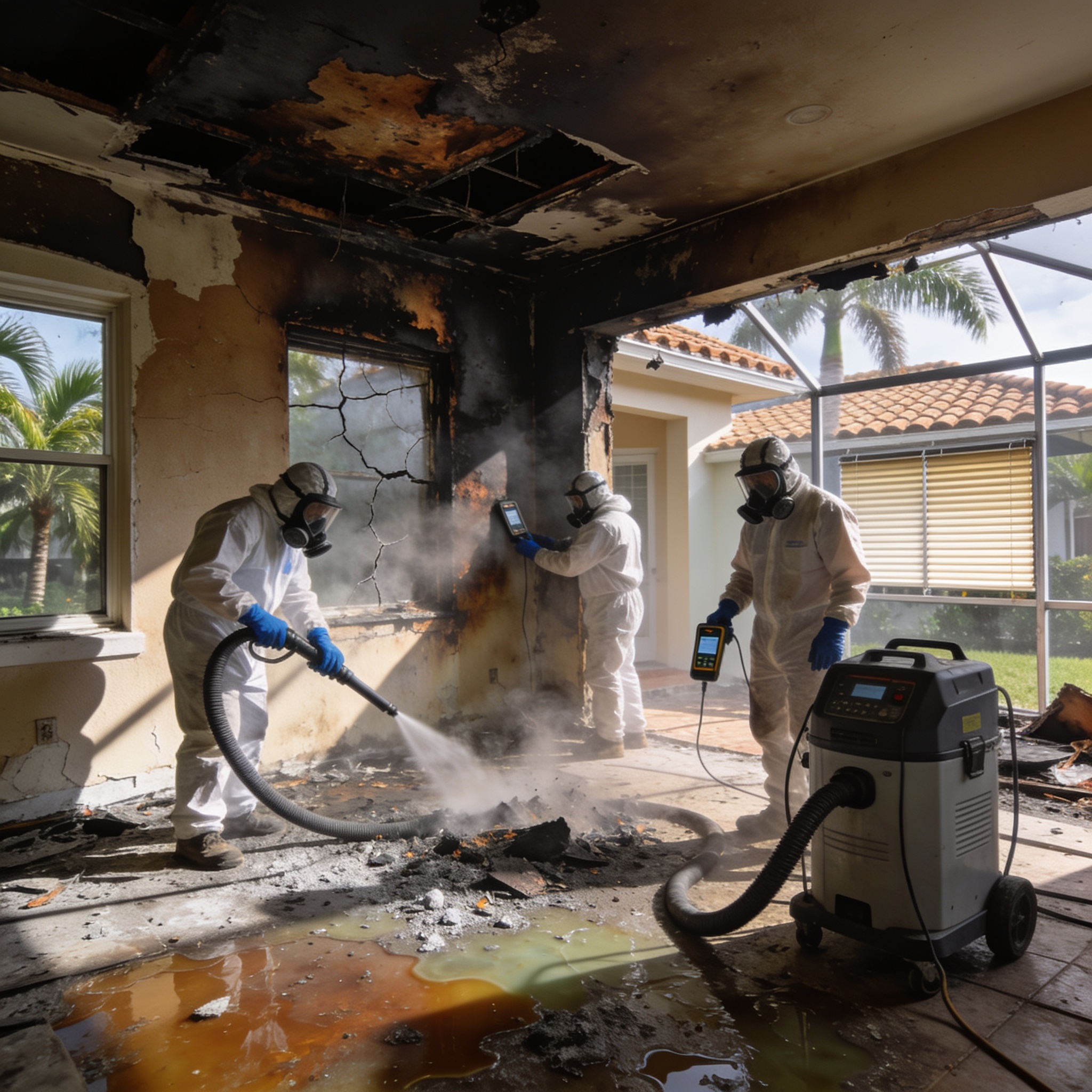
Fire damage restoration is the comprehensive process of cleaning, repairing, and restoring a structure to its pre-loss condition after a fire event. This service goes far beyond simple cleaning, as it involves addressing chemical changes caused by heat, smoke, and firefighting water. A professional restoration team will conduct a thorough assessment of the damage to determine the necessary scope of work for restoring your home. Effective fire remediation is essential to address any structural damage that may have occurred during the incident.
The SWFL Context
In Southwest Florida, restoration projects are uniquely complicated by high humidity and the prevalence of coastal flood zones. When a fire occurs, the combination of stagnant air and moisture can lead to rapid indoor mold growth if the property is not dried out quickly. Professional restoration services must account for both the heat damage and the environmental risks inherent to our region.
What Are the Different Types of Fire Damages?
Fire damages are categorized by the source of the combustion and the physical state of the resulting residues. Understanding the extent of fire damage is essential for your fire damage restoration contractor to select the correct cleaning agents. Whether you are dealing with smoke or fire, identifying the residue type is the first step in creating a comprehensive restoration plan.
Classification of Residues and Soot
- Wet Smoke: Results from low-heat, smoldering fires; it produces sticky, smeary soot that is difficult to clean.
- Dry Smoke: Created by fast-burning, high-heat fires; this soot is powdery and often easier to remove with specialized vacuums.
- Protein Residue: Often found in kitchen fires, this substance is virtually invisible but creates strong, pungent odors and discolors surfaces.
- Water Damage: This occurs when fire trucks pump thousands of gallons of water into a home, potentially causing extensive water damage that requires immediate extraction.
What Are the Steps and Stages of the Damage Restoration Process?
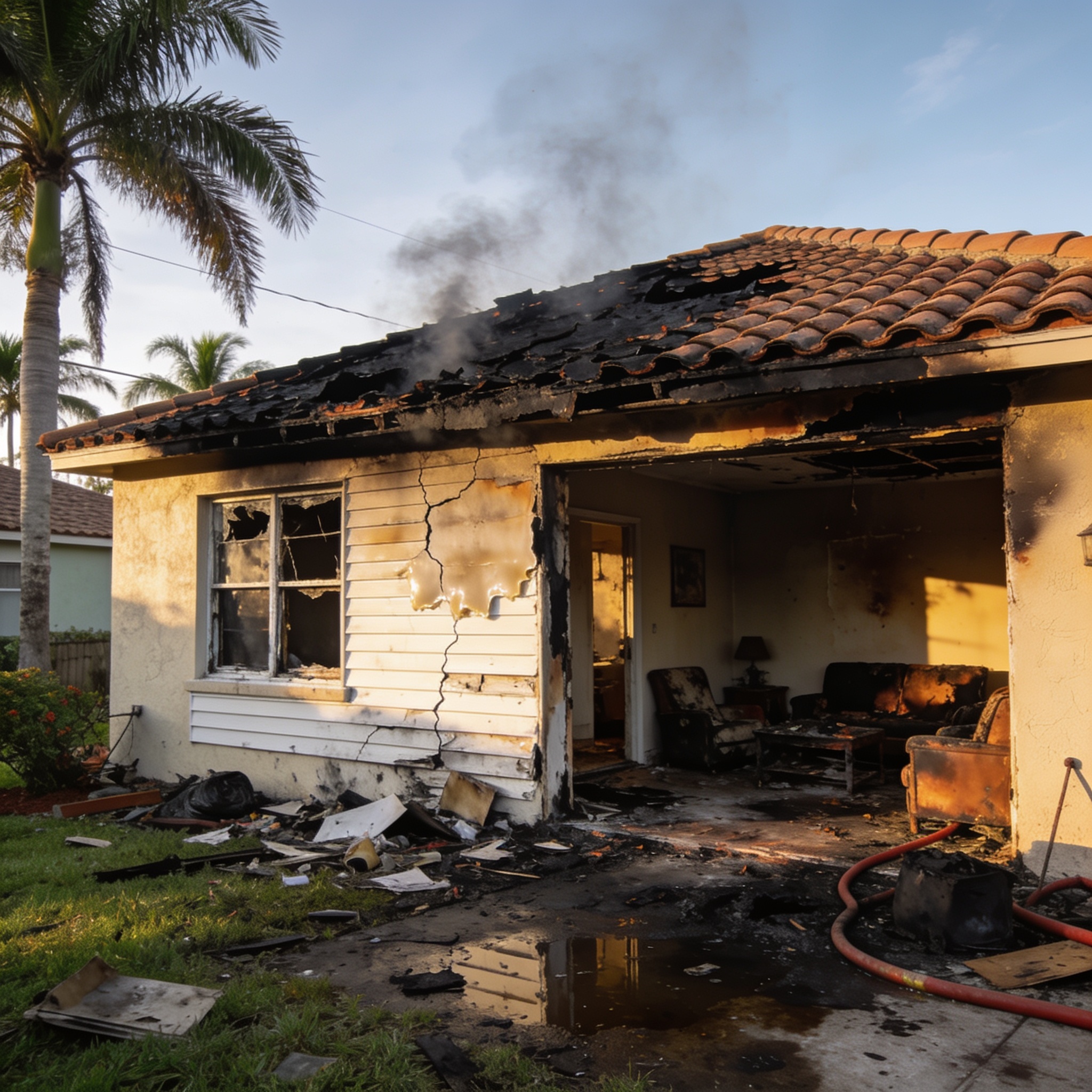
The 7-step recovery checklist provides a standardized roadmap for returning your property to a safe, habitable state, focusing on the restoration of fire and smoke impacts. This process is a vital part of disaster restoration, ensuring that even a large fire is managed with precision.
The 7-Step Fire Damage Restoration Process
- Emergency Contact and Inspection: A restoration professional arrives to assess the extent of fire and identify immediate hazards.
- Securing the Property: Boarding up windows and tarping the roof prevents further damage from weather or intruders.
- Water Removal and Drying: Technicians use industrial dehumidifiers to address water damage caused by firefighting efforts, which is vital in our humid climate.
- Smoke and Soot Removal: Specialized equipment is used to clean smoke and soot damage from walls, ceilings, and HVAC ducts.
- Cleaning and Sanitizing: All salvageable items are deep-cleaned using antimicrobial solutions to prevent secondary contamination during the cleanup process.
- Odor Neutralization: Professionals use ozone generators or thermal fogging to eliminate lingering smoke odors that penetrate porous materials.
- Reconstruction: The final stage involves repairing drywall, replacing flooring, and structural reconstruction to restore the home to its original state.
What Does a Fire Damage Restoration Contractor Do After a Fire?
A fire restoration company manages the entire project from initial inspection to final repair. They act as the primary point of contact between the homeowner and the insurance company.
Restoration companies deploy specialized equipment to remove soot and neutralize odors that standard household cleaners cannot touch. They also perform structural stabilization to ensure the building is safe for workers to enter. If you are looking for local assistance, you might research water damage restoration near me to find qualified teams in your area.
Can You Do Damage Repair Yourself, or Is Professional Cleaning Necessary?
Professional cleaning is strictly necessary because soot is a hazardous substance that can cause respiratory issues if not handled with proper PPE. Attempting to clean fire or smoke damage yourself often results in smearing the soot deeper into porous surfaces like drywall and carpet, complicating the smoke damage restoration process. Furthermore, firefighting efforts can often result in water damage, which requires specialized damage mitigation techniques.
“The IICRC advises that homeowners should not attempt to clean surfaces affected by soot because improper techniques can permanently set the stains and odors into the material.”
Attempting to clean fire damages without professional-grade equipment often leads to higher long-term property damage costs. Furthermore, if you live in a flood-prone area like Punta Gorda, you should consult a specialist for Water Damage Restoration in Cape Coral to manage the moisture levels effectively.
How Long Does the Restoration Service Take?
The timeline for fire restoration varies from a few weeks for minor damage to several months for a total loss reconstruction. The speed of the project depends on the severity of damage and the availability of building materials in the local market.
| Damage Level | Estimated Timeline | Primary Focus |
|---|---|---|
| Minor | 1–3 Weeks | Cleaning, deodorizing, minor painting. |
| Moderate | 1–3 Months | Drywall replacement, flooring, HVAC cleaning. |
| Severe | 4–12+ Months | Full structural reconstruction, debris removal. |
Factors such as permit processing and the complexity of the damage assessment can significantly influence the total duration of the project. In Southwest Florida, hurricane-related supply chain issues can sometimes extend these timelines.
Does Insurance Cover Fire Damage Restoration?
Most standard homeowners insurance policies cover fire damage restoration, though the specific limits and deductibles vary significantly. You must document every stage of the damage restoration services to ensure your claim is processed accurately.
Always review your policy for specific endorsements regarding smoke restoration and water removal services. If you are concerned about potential costs, comparing services like Water Damage Restoration Cost in Fort Myers can provide a baseline for what your policy might cover.
How Do You Choose a Fire Damage Restoration Company?
Choosing the right fire damage restoration contractor requires verifying their certifications, local experience, and insurance coverage. A reputable firm should be able to provide references from previous restoration projects in your specific county.
Always prioritize restoration companies that hold IICRC certifications and have a proven track record of handling complex smoke and fire damage. You should also confirm they have the capacity to handle Fire Damage Restoration Cost in Naples remediation according to Florida building codes. Never sign a contract without a clear, written estimate that outlines the scope of work and the extent of the damage.
Frequently asked questions
The following answers address the most common concerns regarding the recovery process after a fire incident.
Is it safe to stay in my home after a small fire?
No, you should not stay in your home until a professional has cleared the air quality, as lingering soot and toxic chemicals pose significant health risks.
How do I prevent mold growth after a fire?
The most effective way to prevent mold growth is to ensure the property is professionally dried within 48 hours using industrial-grade dehumidifiers and air movers.
Will my furniture be ruined by smoke?
Many items can be salvaged through professional restoration services, such as specialized dry cleaning or ultrasonic cleaning, depending on the material and the severity of the smoke exposure.
What is the difference between fire and smoke damage?
Fire damage refers to the charring and destruction caused by flames, while smoke damage refers to the acidic residue and odors that permeate surfaces far beyond the point of ignition. Proper restoration requires addressing both aspects to ensure structural integrity.
How does the insurance claims process start?
The insurance claims process starts by contacting your insurance company immediately to report the loss and requesting an emergency inspection by a licensed adjuster.
See also: Water Damage Restoration
Our editorial team verifies licensing and reviews for every restoration company in the directory and writes practical, Florida-specific guides to help homeowners act fast and protect their insurance claims after water, fire, mold or storm damage.