Cost for Mold Remediation in Attic: What to Expect
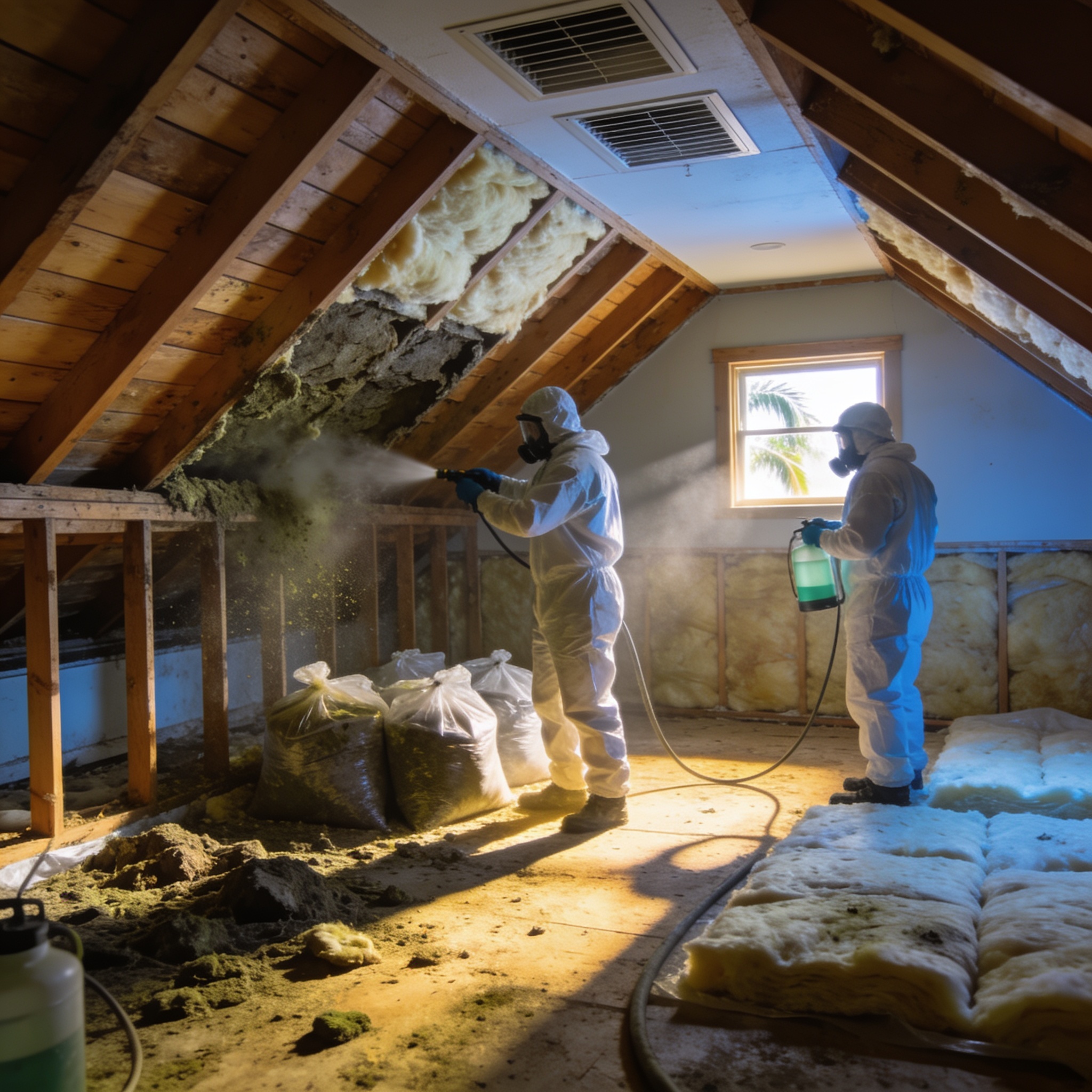
The average cost for mold remediation in an attic in Southwest Florida typically ranges from $1,500 to $5,000, depending primarily on the square footage of the space and the severity of the infestation. Because SWFL experiences extreme humidity and frequent tropical storm activity, basement mold and attic growth are common issues that require professional intervention to prevent structural compromise. Understanding how much does mold remediation cost helps homeowners in Lee, Collier, and Charlotte counties budget effectively for necessary property maintenance. When you identify mold in a home, it is vital to act quickly, as the mold spreads rapidly in humid environments. Because mold is a fungus that thrives in damp, dark areas, many properties are inherently susceptible to mold.
Key Takeaways
- Attic mold is often caused by poor ventilation combined with the high humidity levels characteristic of the Florida climate.
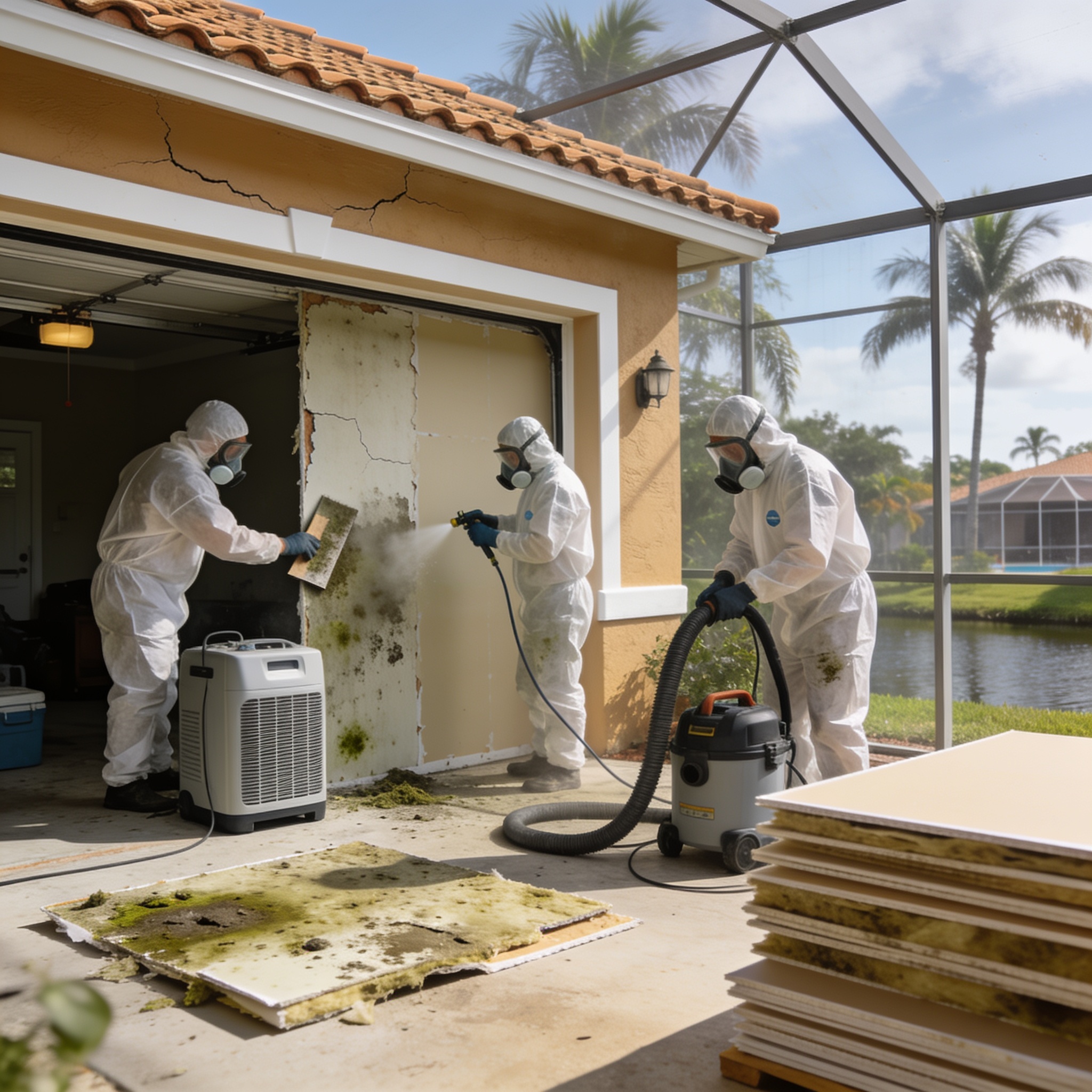
Professional mold remediation
costs are driven by the size of the attic, the accessibility of the space, and the extent of the damage.- Insurance coverage for mold remediation is generally limited to instances where the growth is caused by a sudden, covered peril like a roof leak.
- Early detection of a visible patch of mold can significantly reduce the total project cost by preventing the need for extensive structural repairs.
- Hiring a certified
mold remediation pro
ensures that the cleanup follows IICRC S520 standards for safety and efficacy. - Understanding the national
average cost
helps you gauge if your quotes are competitive when seeking professional mold removal services.
What Are the Signs That You Have Mold in Your Attic?
The most reliable signs of
basement mold
or attic growth include a musty odor, visible staining on roof decking, or damp insulation. Because attic spaces are rarely visited, homeowners often overlook the initial stages of hidden mold until the smell permeates the living areas below. If you spot household mold, it is time to consult a mold inspector.The 5 visual signs of attic mold
- Dark or discolored patches on the underside of the roof sheathing are the most common indicator of a mold problem.
- Musty, earthy odors that become stronger when the attic access hatch is opened suggest an active mold issue.
- Visible moisture or water droplets on the rafters or trusses indicate that the attic ventilation system is failing.
- Clumped or matted insulation that appears wet or discolored is a clear sign that moisture has settled into the attic floor.
- Rust on metal components like nails or HVAC ductwork indicates high humidity levels that are conducive to mold growth.
What Causes Mold Growth in an Attic?
Mold growth in a Florida attic is almost always the result of trapped moisture and poor ventilation. When warm, humid air from the living space rises into the attic and meets the cooler roof surface, condensation forms, creating the perfect environment where mold can grow. To help prevent growth, ensure your home’s envelope is properly sealed.
Common moisture sources in SWFL attics
In counties like Lee and Collier, high outdoor humidity exacerbates any minor ventilation flaw. If your roof has missing shingles or flashing issues, water intrusion can quickly lead to a large mold colony. Furthermore, improperly vented bathroom fans that exhaust directly into the attic—rather than through the roof—are a leading cause of drywall mold and localized infestation.
How Serious Is Much does mold
in An Attic, and What Are the Health Risks?
The seriousness of attic mold depends on the
type of mold
present and whether the spores are migrating into your home’s HVAC system. While not all mold is toxic, the EPA notes that any toxic growth should be addressed, as it can cause respiratory irritation and allergic reactions in sensitive individuals. Amold testing
protocol can determine the specific species affecting your property.Professional mold remediation is essential because improper disturbance of a large mold colony can release millions of spores into your home’s air supply.
If you suspect your air quality is compromised, you may need to look for mold remediation companies near me to perform a professional assessment. If you are needing to clean mold, ignoring the issue can lead to wood rot, which compromises the structural integrity of your roof trusses. You may also need to address mold from an hvac system to ensure your indoor air quality remains safe.
Is It Expensive to Remove Mold From An Attic? Mold remediation cost
and Price Per Square Foot
The average cost estimate for mold remediation in an attic typically falls between $1,500 and $5,000, though extreme cases can exceed $8,000. Most mold pros charge per square foot for the treatment area, with pricing often ranging from $4 to $10 per square foot for basic cleaning and encapsulation. When asking how much does it cost to pay for mold removal, consider that the amount of mold present will dictate the final bill. The mold removal prices are influenced by the severity of the mold infestation
, and a black mold removal cost may vary based on the containment requirements.
| Scope of Work | Potential cost Range |
|---|---|
| Minor/Localized Infestation | $1,000 – $2,500 |
| Moderate Attic Cleanup | $2,500 – $5,000 |
| Severe/Structural Remediation | $5,000 – $10,000+ |
For a more tailored estimate, you can use a How Much Does Mold Remediation Cost to understand the variables involved. Remember that mold remediation process steps are a necessary investment to protect your property value in the competitive Florida real estate market. If you need remediation, comparing mold removal prices from multiple licensed contractors is a smart way to ensure fair pricing.
What Factors Influence the Cost of Mold Remediation?
The total cost is primarily determined by the size of the attic and the difficulty of accessing the affected areas. If the mold has penetrated deep into the wood sheathing, the remediation involves more labor-intensive sanding or media blasting. Accessibility constraints, such as limited crawl space or high-pitched roof lines, will increase the labor portion of the cost. Additional costs may arise if the insulation must be removed and replaced due to heavy contamination. If you have experienced flooding, you might also need Water Damage Restoration to address the root cause of the moisture before starting the mold cleanup.
Can You Remediate Mold in An Attic Yourself, or Do You Need a Professional?
Professional mold remediation is strongly recommended for attic spaces due to the safety risks and the complexity of the remediation process. DIY attempts often fail because standard household cleaners do not kill mold roots within porous wood surfaces, and they do not address the environmental conditions that caused the growth. When you decide to hire a professional, they use specialized equipment to ensure the job is done right.
Attempting to clean up large mold infestations without proper personal protective equipment can lead to the inhalation of harmful mold spores. A professional remediation specialist uses HEPA-filtered vacuums and industrial-grade antimicrobial agents to ensure the mold is completely eradicated. If your home has suffered from pipe bursts or storm surges, you should also consider professional Water Damage Restoration to ensure the building envelope is dry.
Do You Need Mold testing
Before or After Remediation?
Testing for mold is highly recommended both before and after remediation to confirm the extent of the problem and verify that the cleanup was successful. A professional inspection provides a baseline of the air quality and the specific species of mold present in your attic.
Post-remediation testing provides the homeowner with a clearance report, which is essential for peace of mind and future property sales. This report confirms that the spore counts have returned to normal levels and that the remediation was effective. Always ensure your inspector is independent of the remediation company to avoid a conflict of interest.
Will Insurance Cover Basement mold
or Attic Growth?
Insurance coverage depends entirely on the source of the moisture and the specific language of your homeowners’ policy. Most Florida insurance policies exclude mold damage unless it is a direct result of a “covered peril,” such as a sudden pipe burst or a roof being ripped off during a hurricane.
Homeowners should review their policy declarations page to determine if they have specific mold coverage limits or exclusions. If the mold was caused by long-term neglect, such as a slow roof leak that went unreported for months, the claim will likely be denied. Always document the damage with photos and contact your insurance adjuster before beginning any major remediation work.
How Can You Prevent Mold From Returning to Your Attic?
Preventing mold from returning requires a proactive approach to attic ventilation and moisture control. Installing ridge vents, soffit vents, or attic fans can help move air through the space, preventing the stagnant conditions where mold thrives. To get rid of mold permanently, you must address the moisture source.
Maintaining proper attic ventilation is the single most effective way to prevent mold growth in the humid Florida climate. Ensure that your bathroom and kitchen exhaust fans are properly ducted to the exterior of the house rather than the attic space. Regularly inspect your roof for signs of damage or leaks, especially after the peak of hurricane season, to ensure your attic remains dry and protected.
Frequently asked questions
Understanding these common concerns can help you navigate the process of attic mold remediation with confidence.
How long does the mold remediation typically take?
Most attic mold remediation projects take between two to five days, depending on the severity of the infestation and the size of the attic.
Is black mold more expensive to remove than other types?
The black mold removal cost is generally similar to other types, as the remediation process focuses on the removal of the colony rather than the specific mold species. The total cost to remove mold depends more on the square footage than the specific strain.
Does humidity control help prevent mold in the attic?
Yes, maintaining proper ventilation and humidity levels is critical to preventing mold from returning after a professional cleanup. When you clean up mold, you must also eliminate the moisture source to prevent recurrence.
Will I need to move out during the remediation?
In most cases, you do not need to move out during attic mold remediation, provided the contractor uses proper containment methods to keep spores from entering the living areas while removing the mold.
Related: mold remediation cost cape coral
Our editorial team verifies licensing and reviews for every restoration company in the directory and writes practical, Florida-specific guides to help homeowners act fast and protect their insurance claims after water, fire, mold or storm damage.