Who to Call for Ceiling Water Damage: Expert Repair Steps
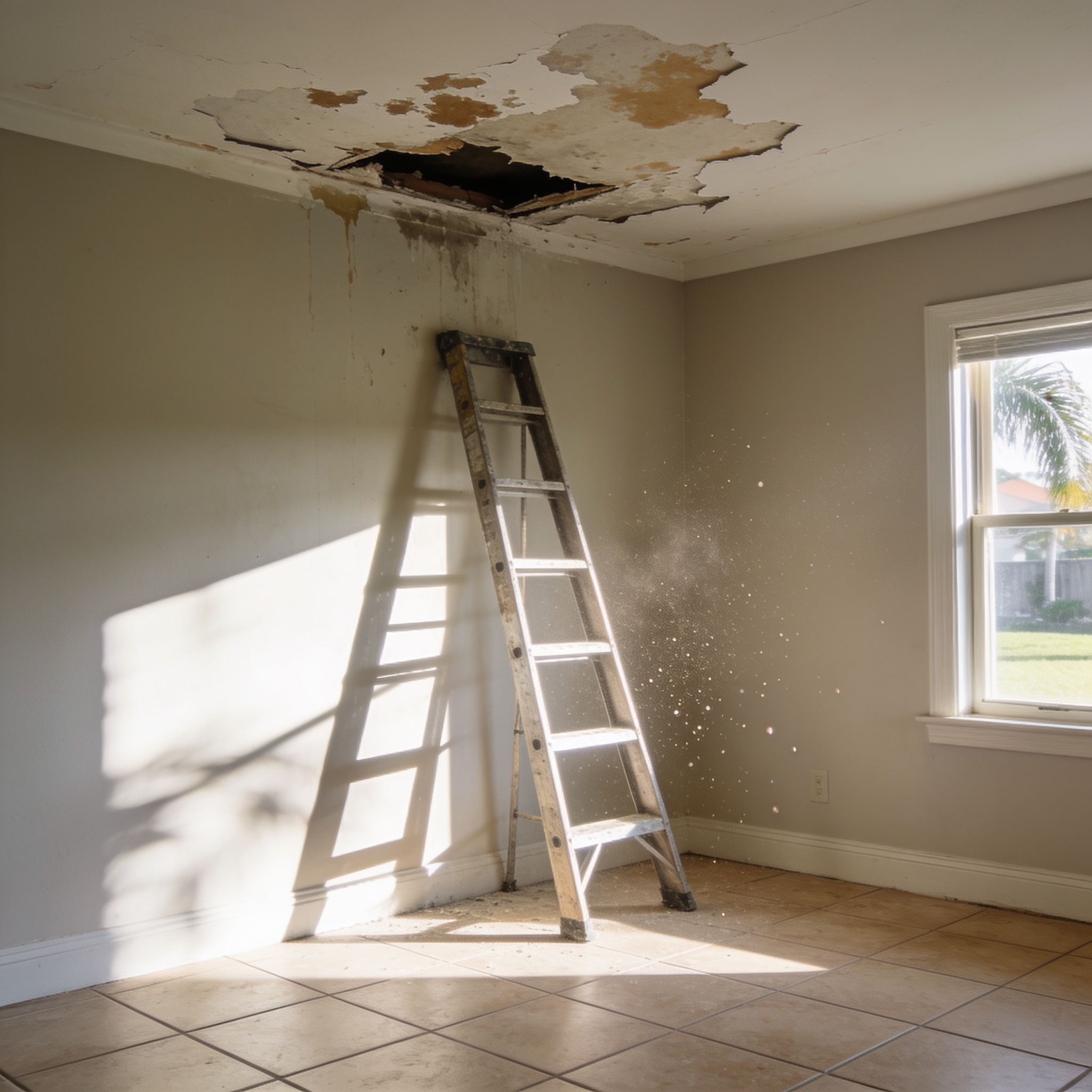
You should immediately call a licensed water damage restoration professional or a specialized contractor if you detect a leak in the ceiling, as repair costs typically range from $450 to $3,000 depending on the severity of the structural impact. Knowing exactly who to call for ceiling water damage is the most critical factor in preventing secondary issues like toxic damage and mold growth or total drywall collapse in your Southwest Florida home. If you are wondering who to call, acting within the first 24 to 48 hours is essential to mitigate long-term restoration costs, as issues left unaddressed can lead to catastrophic structural failure.
Key Takeaways
- Identify the leak source of the water leak in your ceiling immediately to prevent further structural degradation.
- Document all warning signs of water damage with photographs for your insurance claim process.
- Contact a professional restoration service if the area of damage exceeds two square feet.
- Florida’s high humidity levels make rapid drying non-negotiable to avoid mold damage.
- Always prioritize safety by shutting off electricity to the affected room if water coming from above is near fixtures.
What Are the Signs of Ceiling Water Damage You Should Never Ignore?
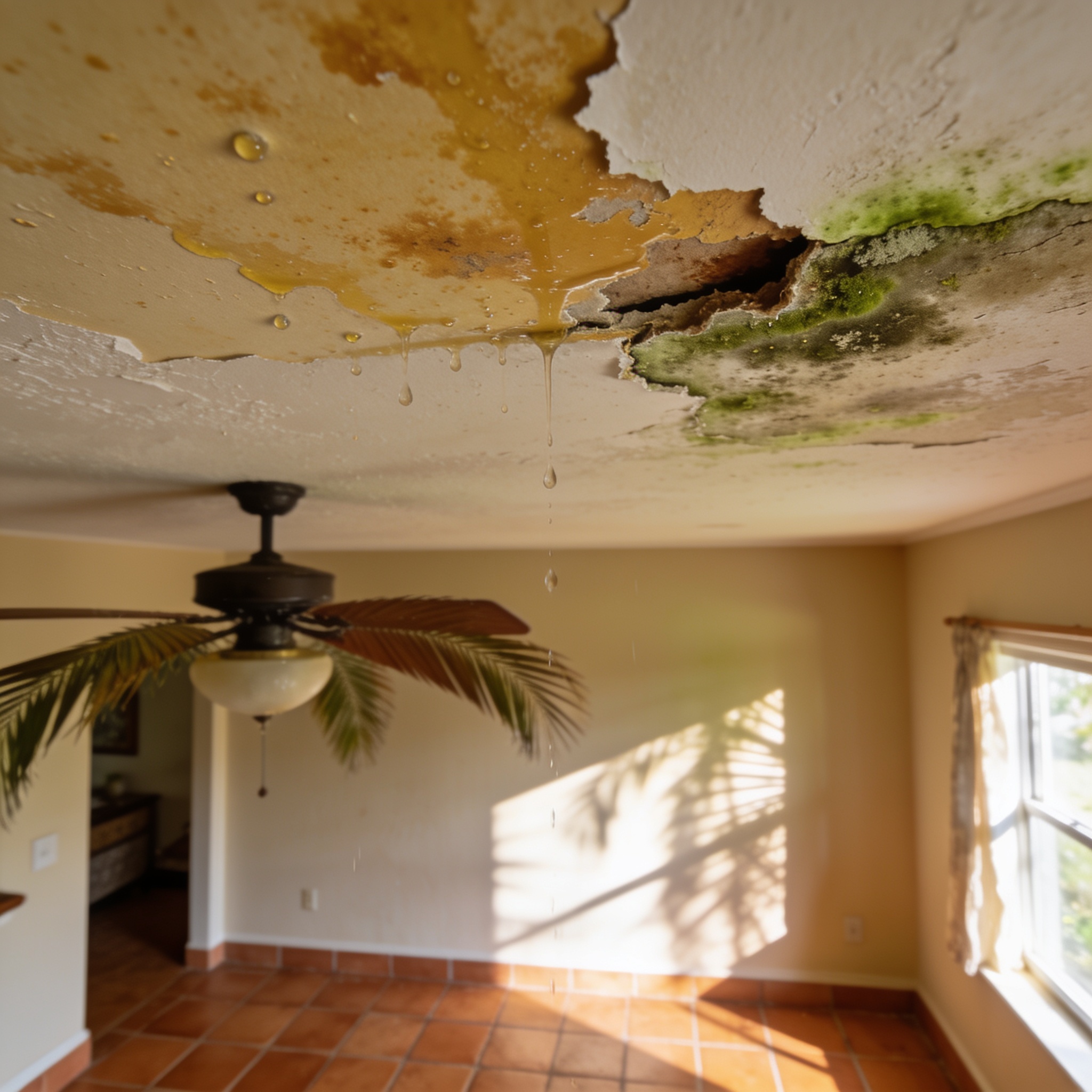
Recognizing the common signs of water damage in your ceiling early can save you thousands of dollars in emergency repairs. Homeowners should perform a visual inspection of their ceilings after every major Florida thunderstorm or period of heavy rain. Watch for discoloration, such as yellow or brown rings, which often signals that moisture has penetrated the surface.
The 5 visual signs of ceiling water damage
- Yellow or brown water stains indicate that a slow leak has been saturating the drywall over an extended period.
- Bubbling or peeling paint suggests that moisture is trapped between the surface and the drywall substrate.
- Visible sagging or bowing of the ceiling material is a major warning sign of a sagging ceiling and imminent structural failure.
- Musty or damp odors in a room often signal that mold damage is already developing behind the water-damaged ceiling.
- A persistent water dripping from light fixtures or ventilation registers requires an immediate emergency response to prevent electrical hazards.
What Are the Common Causes of Ceiling Water Damage?
Determining the root cause of a leaky ceiling is the first step toward effective remediation. In Southwest Florida, these issues are frequently linked to our unique climate and aging infrastructure, including leaky roofs that fail during storm season.
- Roof damage: Missing shingles or roof-related flashing issues from hurricane-force winds are leading causes of roof leaks.
- Plumbing failure: A leaking pipe or a faulty O-ring in a second-floor bathroom can cause water to migrate through the floor joists.
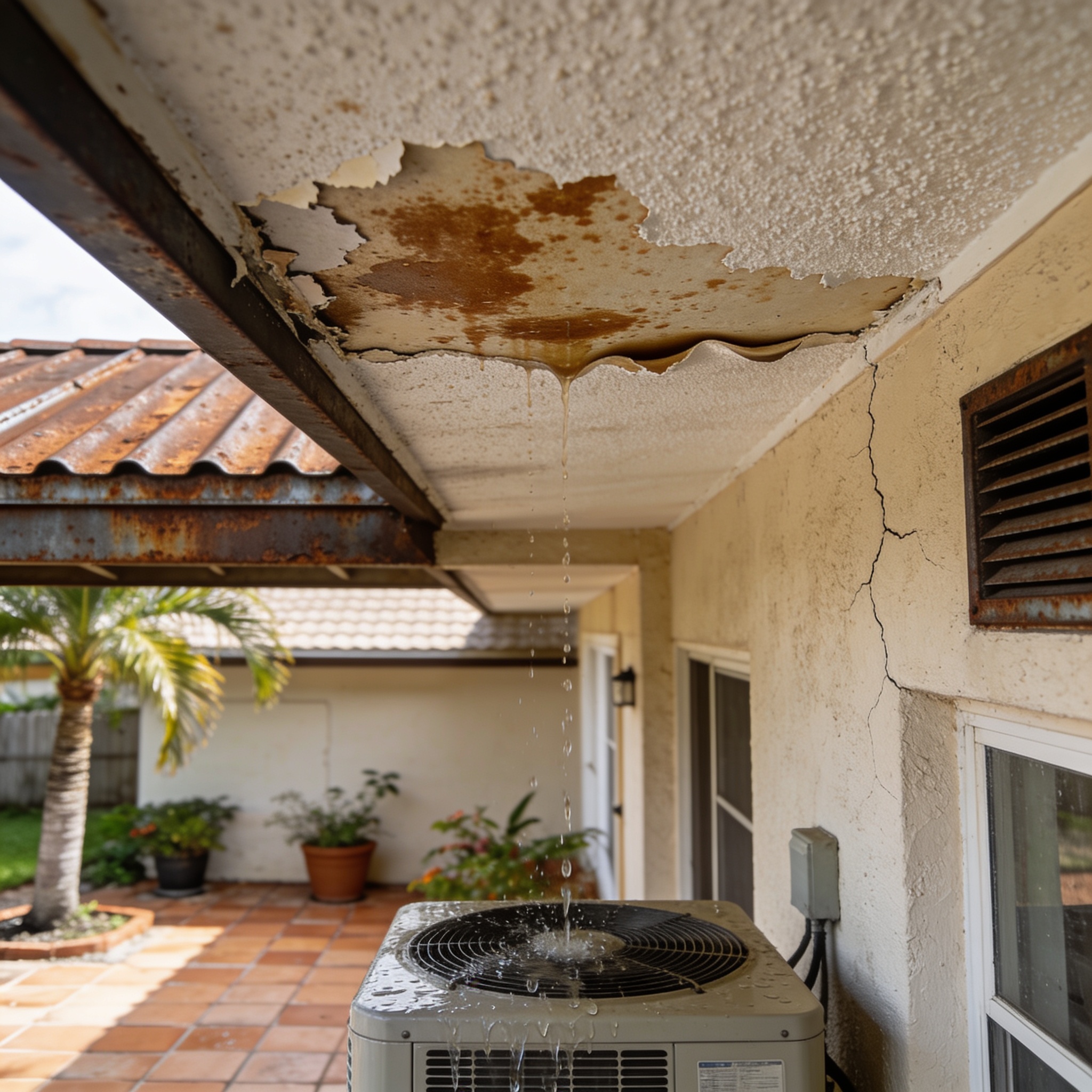
- HVAC condensation: Clogged condensate drain lines in attic-mounted units often lead to water leaking from the ceiling.
- Appliance leaks: An overflowing toilet or a failing water heater located on an upper level can cause extensive water damage to the floor below.
What Should You Do Immediately If Your Ceiling Has Water Damage?
Taking swift steps to stop the leak and prevent further damage is the most important step for any homeowner. First, find the source of the moisture and shut off the main water supply if the issue is plumbing-related. If the water is coming from the roof, place a bucket under the dreaded drip to minimize damage to your flooring and furniture. Contact a Water Damage Restoration professional to assess the saturation levels of your building materials, as the response time is critical to limiting the scope of the repair.
Who Should You Call for a Water Leak in Your Ceiling?
Determining who to call for ceiling water leak issues depends entirely on the source of the moisture. If you suspect a plumbing issue, you must call a plumber to address the leaking pipe or fixture. If the damage is caused by a storm or compromised shingles, you need to call a roofer for immediate roof repair. For widespread moisture or suspected mold, it is best to call a professional restoration company like a local expert that can handle the entire drying and remediation process.
Can You Fix a Water Leak Yourself, or Do You Need a Pro?
Small, isolated water stains that are completely dry may be handled by a handy homeowner, but any active water leak in the ceiling requires professional intervention. Attempting to patch a ceiling without addressing the underlying source often leads to recurring mold damage and structural issues. Professionals use moisture meters and thermal imaging to ensure the area is fully dry, which is critical in our humid climate. You can reference a Water Damage Restoration Cost guide to understand the scope of work involved in drywall restoration.
How Do Service Professionals Fix a Water Leak?
Restoration professionals follow a standardized process to ensure the structure is safe and free of contaminants. They start by using industrial-grade dehumidifiers and air movers to speed up the drying process. Once the area is dry, they remove the water-damaged drywall and inspect the wooden joists for rot or mold. Finally, they perform the necessary ceiling repair, including insulation replacement and painting, to restore your home to its pre-loss condition.
| Step | Action | Purpose |
|---|---|---|
| 1 | Containment | Stop the spread of water |
| 2 | Extraction | Remove standing water |
| 3 | Drying | Prevent mold growth |
| 4 | Restoration | Repair drywall and finish |
What Is the Average Cost for Leak Repair?
The average cost for leaky ceiling repair typically falls between $450 and $3,000, but this depends on the source of the damage. Factors such as the size of the area, the need for mold remediation, and the complexity of the leak repair source will influence your final invoice. You can use a Water Damage Restoration Cost to get a better estimate for your specific situation. Always request a detailed quote before authorizing any major repairs.
Does Homeowners Insurance Cover Ceiling Water Damage?
Most standard homeowners insurance policies cover sudden and accidental water damage, but they rarely cover damage caused by long-term neglect or lack of maintenance. If you need to fix a water leak that is the result of a burst pipe, you are likely covered. However, if the damage is due to a leaky roof that has been ignored for months, your claim may be denied. Always document the Water Damage Restoration immediately and contact your agent before starting permanent repairs to determine the proper course of action.
How Can You Prevent Future Ceiling Water Damage?
Regular maintenance is the most effective way to protect your home from the high costs of water damage restoration. Schedule annual roof inspections to identify loose shingles or damaged flashing. Keep your gutters clear of debris to prevent water from backing up under your roof eaves. Finally, monitor your home’s humidity levels and check your plumbing fixtures for any signs of a slow leak.
Frequently asked questions
Understanding these common concerns will help you navigate the repair process with confidence.
Is it safe to stay in a room with a leaking ceiling?
No, you should avoid the room if there is a risk of the ceiling collapsing or if water is near electrical outlets or light fixtures. You need to know who to call immediately.
How long does it take for mold to grow after a leak?
Mold can begin to colonize within 24 to 48 hours if the environment remains wet and humid, which is common in Florida. You should call to fix the issue before this happens.
Should I call my insurance company before a restoration company?
You should call for a water leak to be reported to your insurance company, but you have the right to hire a professional restoration company immediately to prevent further damage. Your first call should be to a licensed emergency service provider.
Can a handyman fix a major ceiling leak?
A handyman may be able to patch drywall, but they are generally not equipped to handle the structural repairs or mold remediation required for significant water damage. You must figure out who to call based on the severity of the leak.
What is the difference between a roof leak and a plumbing leak?
A roof leak usually occurs during or after rain, while a plumbing leak often happens consistently regardless of the weather, though both require immediate attention.
See also: Water Damage Restoration
Our editorial team verifies licensing and reviews for every restoration company in the directory and writes practical, Florida-specific guides to help homeowners act fast and protect their insurance claims after water, fire, mold or storm damage.