What to Do About Water Damage in Walls: A Step-by-Step Restoration Plan
The most effective way to handle water damage in walls is to address the source immediately, as professional remediation costs typically range from $1,000 to $5,000 depending on the scope of the saturation. Taking quick action is essential to prevent secondary issues like mold growth and structural damage in your home or business. This step-by-step guide helps you navigate the process of identifying, mitigating, and repairing water damage wall issues in the unique climate of Southwest Florida to protect your home.
Key Takeaways
- Identify the source of the leak immediately to prevent further moisture intrusion.
- Use a moisture meter to determine the extent of the saturation behind the wall.
- Prioritize the safety of your living space by turning off electricity near the affected walls to avoid electrical damage.
- Document all damage thoroughly for your insurance provider before beginning repairs.
- Consult with professional help if the damage involves contaminated water or exceeds a small area.
causes of water damage
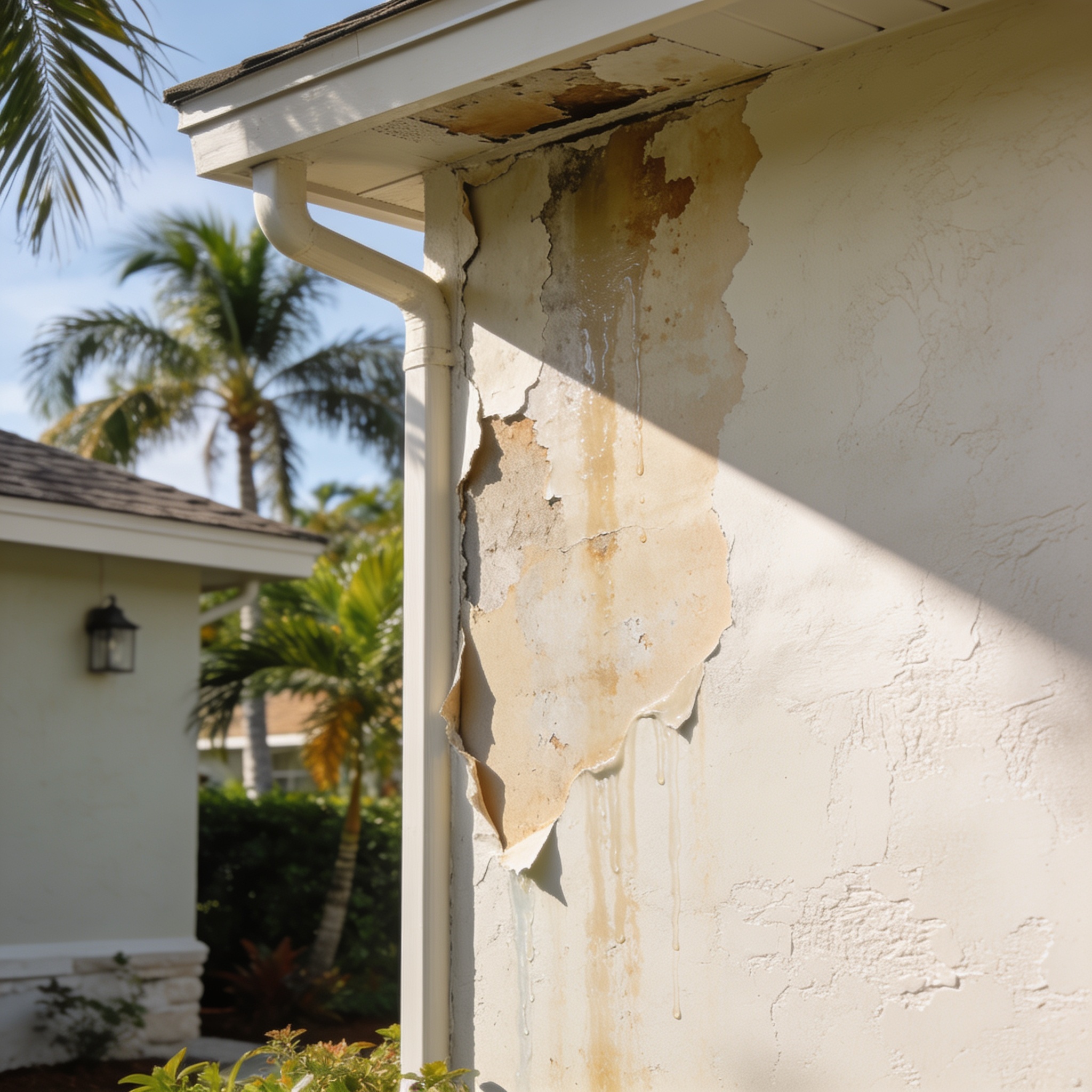
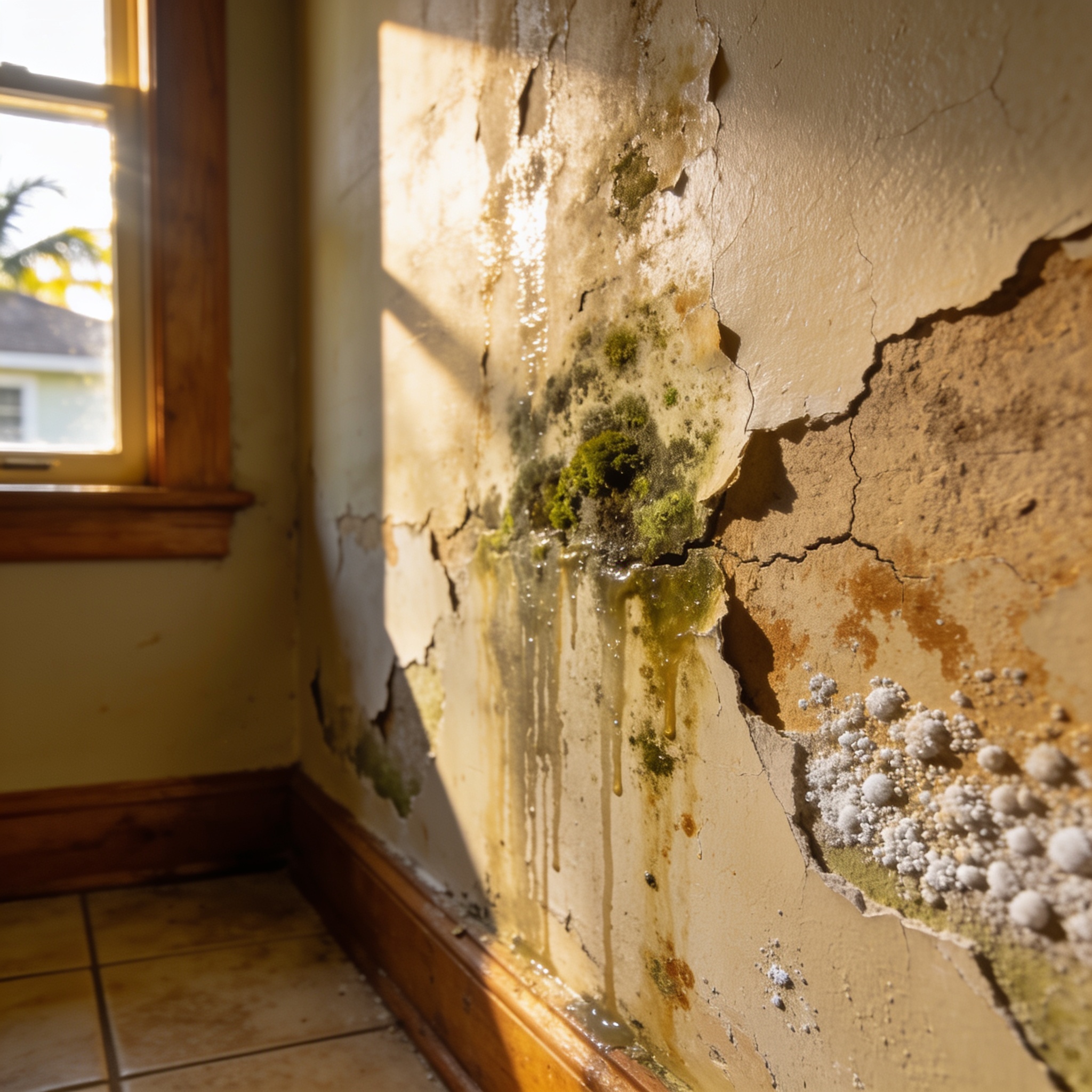
Common warning signs of water damage often appear as subtle changes in the appearance of your interior surfaces. You might notice yellow or brown water stains, bubbling paint, or drywall that begins to sag or buckle. In Southwest Florida, where humidity levels are high, these moisture issues can develop quickly after a heavy storm or a hidden plumbing leak. Keep an eye out for musty odors, which often indicate trapped moisture behind walls that isn’t yet visible to the eye.
wall water damage
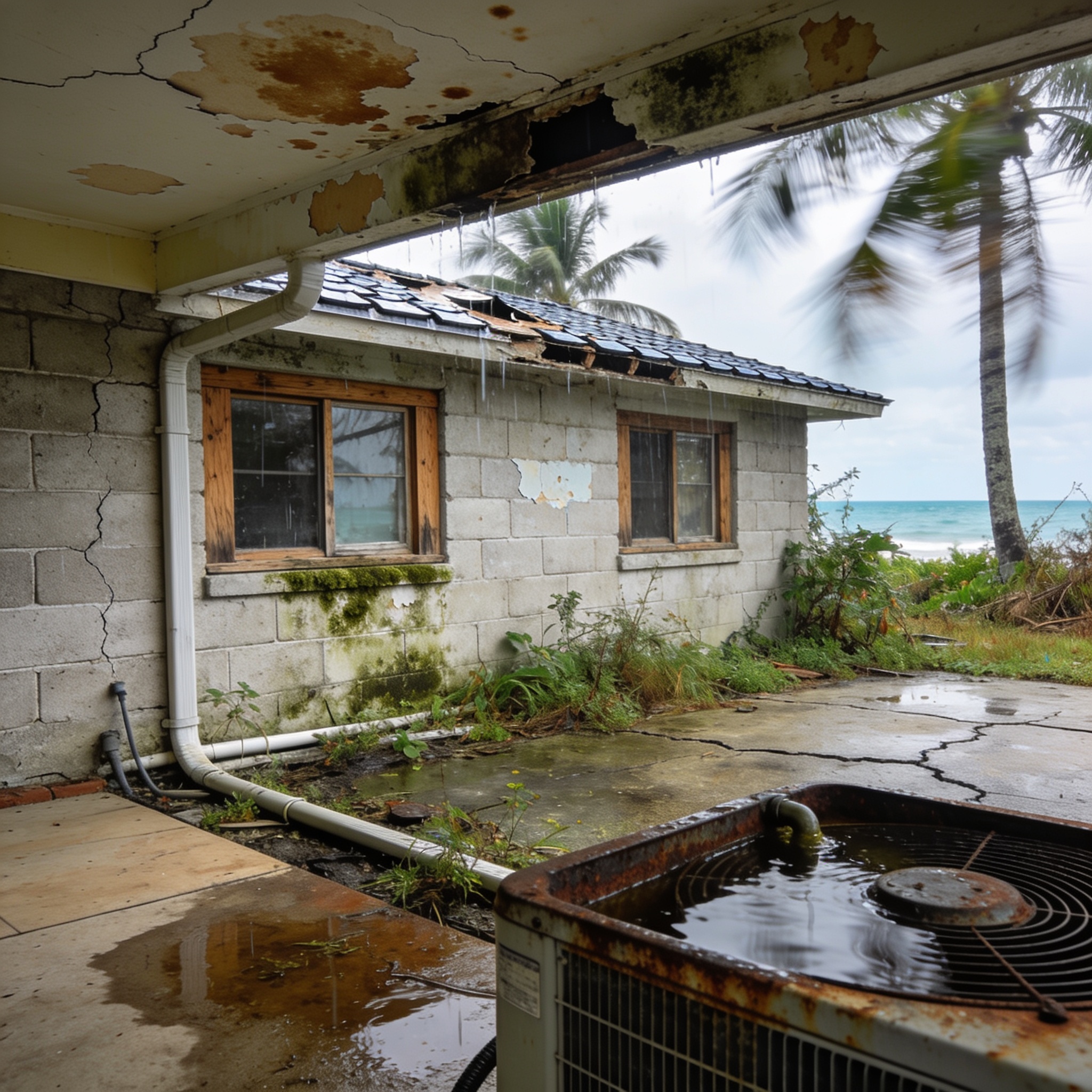
The primary causes of water damage on walls usually stem from plumbing leaks or exterior envelope breaches during severe storms. In Lee and Collier counties, common culprits include roof leaks from missing shingles, poorly sealed windows, or foundation cracks that allow groundwater to seep into the structure. Indoor appliances like washing machines, dishwashers, and water heaters are also frequent sources of hidden damage that can cause drywall to absorb water over time. When a leak persists, it will eventually saturate drywall, compromising its integrity and requiring immediate removal.
hidden water
Professional moisture detection is the only reliable way to assess the full extent of hidden water behind your walls. You can use a moisture meter to check the moisture levels of the structural materials, but experts often use thermal imaging to see moisture patterns that are invisible to the naked eye. If the drywall feels soft to the touch or shows signs of crumbling, the damaged area is likely significant enough to require professional intervention.
water damage in your walls
Drywall that has been exposed to clean water for less than 48 hours can often be dried and restored if the moisture is removed quickly. However, if the water is contaminated—such as sewage or floodwater—or if the material has begun to disintegrate, it must be removed to protect your indoor air quality. In SWFL, the high ambient humidity makes drying times longer, so professional-grade dehumidifiers are usually required to prevent mold and mildew.
water damage on walls
Water in walls does not always cause mold if the area is dried thoroughly within 24 to 48 hours. According to the EPA, mold growth requires excess moisture, nutrients, and time to colonize, so quick action is your best defense against costly repairs. If you notice persistent musty odors or visible fungal growth, you likely need professional mold remediation to restore your property and ensure the environment is safe.
What Are the Steps to Fix Water Damage in Walls?
The following 5-step checklist outlines the standard industry approach to fix water-damaged walls:
- Stop the source: Locate and shut off the water supply or patch a leaking pipe or clogged gutters.
- Assess the damage: Use a moisture meter to map the affected area and determine if materials can be saved.
- Remove non-salvageable items: Cut out water-damaged drywall and insulation that cannot be fully dried.
- Dry the structure: Deploy industrial air movers and dehumidifiers to bring moisture levels back to baseline.
- Restore the wall: Once the wall cavity is bone-dry, replace insulation and drywall, then prime and paint to match.
How Long Does It Take for Walls to Dry After Water Damage?
Professional drying processes typically take between three to five days depending on the level of saturation and the building materials involved. In Florida, high humidity can significantly slow down natural evaporation, making professional dehumidification essential for success. If you notice a persistent drip or are dealing with a burst pipe, you should seek Water Damage Restoration to ensure the wall cavity is completely dry before closing it back up.
When Should You Call a Professional for Water Damage in Walls?
You should call a professional if the water damage involves electrical wiring, sewage contamination, or covers a large area of your home. Attempting to fix water damage that involves electrical components can be dangerous, and improper drying can lead to hidden structural integrity and failure issues. For residents in the region, Water Damage Restoration provides the expertise needed to handle these complex scenarios safely and efficiently.
Does Homeowners Insurance Cover Water Damage in Walls?
Homeowners insurance typically covers water damage caused by sudden and accidental plumbing failures, but it often excludes damage from flooding or long-term neglect. You must check your specific policy, as coverage for Water Damage Restoration varies significantly between standard policies and separate flood insurance plans mandated by FEMA. Always document the damage with photos and contact your agent before you begin any major repairs to ensure your claim is processed correctly.
How Can You Prevent Future Water Damage in Walls?
Preventing future water damage requires a proactive approach to home maintenance, including regular inspections of your plumbing and roof seals. Ensure your gutters are clear of debris to prevent water from backing up against your foundation during heavy storms. You can learn more about managing these risks by reviewing our comprehensive guide on water damage restoration cost to better protect your investment.
| Sign | Likely Cause | Action Required |
|---|---|---|
| Discoloration near baseboards | Slow leak | Inspect plumbing |
| Bubbling Paint | Trapped moisture | Use moisture meter |
| Musty Odor | Water exposure | Call a professional |
| Soft Drywall | Severe saturation | Remove and replace |
Frequently asked questions
These answers address the most common concerns regarding wall restoration in the Florida climate.
Can I dry a wall with just a fan?
Using a household fan is usually insufficient because it only moves air across the surface without removing the moisture trapped behind the wall. You need specialized dehumidification equipment to lower the relative humidity and pull moisture out of the structural materials.
How do I know if the water is from a pipe or the roof?
Identifying the source is easier if you monitor when the water appears, such as during a rainstorm versus when an appliance is running. If the leak occurs during heavy storms, check your roof and window seals; if it happens regardless of weather, it is likely a plumbing issue.
Is it safe to leave damp insulation in the wall?
Leaving damp insulation in the wall is a major risk because it acts as a sponge and creates the perfect environment for mold to thrive. Most professionals recommend removing and replacing wet insulation immediately to prevent long-term indoor air quality problems.
Does a small water stain mean there is a big problem?
A small water stain on the surface often hides larger, more severe damage behind the wall that has already begun to saturate the framing. It is best to inspect the area thoroughly with a moisture meter to ensure the damage has not spread further than what is visible.
Properly addressing water damage in your walls is not just about aesthetics; it is about maintaining the structural integrity of your home and protecting your health from mold-related air pollution.
For additional resources on managing property damage, you can read more about water damage restoration cost fort myers and how to mitigate risks in your local area.
Our editorial team verifies licensing and reviews for every restoration company in the directory and writes practical, Florida-specific guides to help homeowners act fast and protect their insurance claims after water, fire, mold or storm damage.