What Is Category 3 Water Damage and How to Handle It Safely
Category 3 water damage is defined by the Institute of Inspection Cleaning and Restoration Certification (IICRC) as grossly contaminated water that contains pathogenic, toxigenic, or other harmful agents, often requiring professional remediation costs ranging from $3,000 to over $10,000 depending on the square footage affected. Understanding the three categories of water is essential for homeowners in Southwest Florida, where storm surges and sewage backups frequently create high-risk environments. By identifying the severity of your water loss early, you can prioritize safety and minimize long-term structural degradation. Our team specializes in water restoration to address property damage effectively.
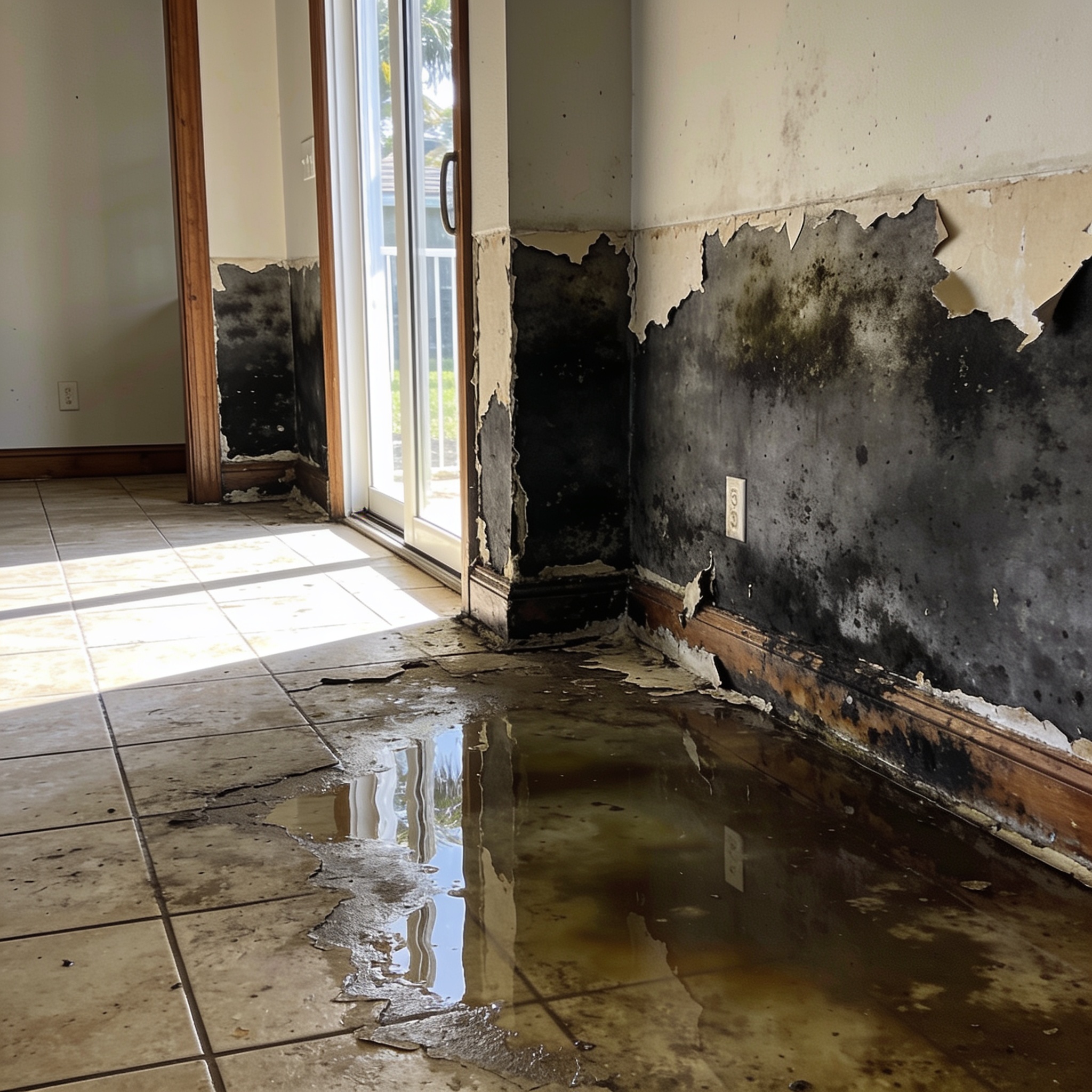
Key Takeaways
- Category 3 water is called “black water” and poses significant health risks due to pathogens and bacteria.
- Professional restoration is mandatory for this type of water damage to ensure the property is safe for habitation.
- Always prioritize personal protective equipment (PPE) and avoid exposure to water if it may be contaminated.
- Homeowners’ insurance policies often cover this damage, but documentation and immediate mitigation are critical for a successful claim.
- Southwest Florida residents should be particularly wary of floodwater, which is automatically classified as Category 3.
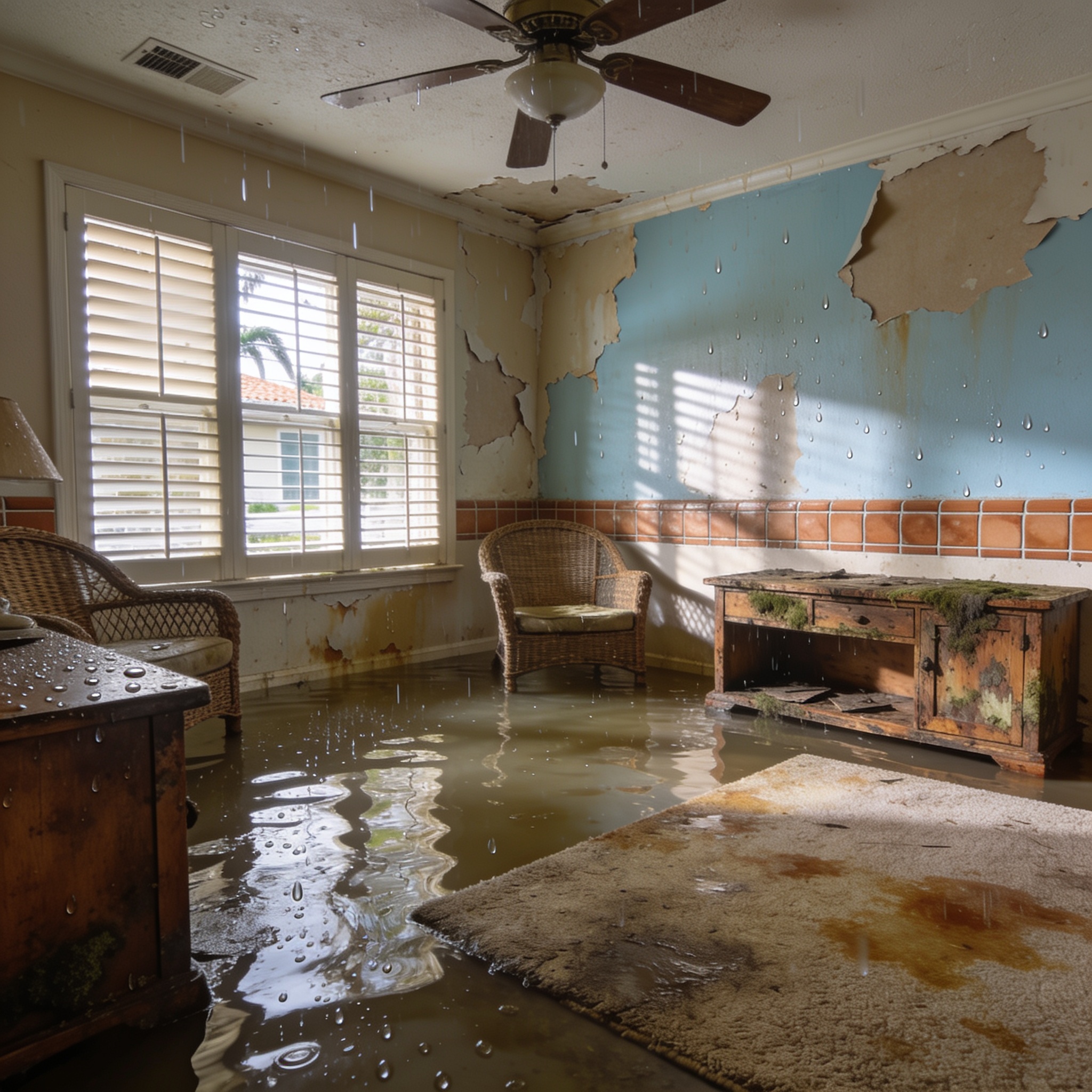
What Is Category 3 Water Damage?
Category 3 water damage refers to water that is highly contaminated water and contains pathogenic, toxigenic, or other harmful agents. This classification is strictly defined by the IICRC S500 standard to protect occupants from severe health hazards. In the context of the humid climate in Lee, Collier, and Charlotte counties, this water can rapidly foster mold growth and bacterial colonies. Because this water is hazardous, standard DIY cleaning methods are insufficient and dangerous. When you need to handle category 3, professional water damage cleanup is required to ensure safety.
What Are the 3 Categories of Water Damage?
The IICRC defines the three categories of water damage based on the level of contamination present at the water source. Understanding water damage categories helps restoration professionals determine the appropriate safety protocols and equipment needed for cleanup and restoration. We track the different categories of water—ranging from class 1 water, class 2 water, class 3 water damage, to class 4 water—to determine evaporation rates and the specific water damage assessment required.
| Category | Description | Typical Sources |
|---|---|---|
| Category 1 | Category 1 water damage (clean water) from a sanitary water supply line. | Clean water leaks, broken supply lines, melting ice. |
| Category 2 | Category 2 water damage (“gray water“) containing significant contamination. | Sources of category 2 water include dishwasher discharge, toilet overflows. Category 2 water damage include water with potential chemical or biological contaminants. |
| Category 3 | “Black water” that is grossly contaminated. | Sources of category 3 water include sewage, rising water from rivers, seawater. Category 3 water damage include water from these sources. |
Category 1 Water
Category 1 water loss originates from a sanitary source and does not pose an immediate health threat. If left untreated, however, it can quickly degrade into a more severe category of water damage as it interacts with building materials. This is often referred to as 1 water losses.
Category 2 Water
Category 2 water contains microorganisms and nutrients that can cause discomfort or illness if ingested. This water may contain chemical or biological contaminants that require specialized water damage restoration techniques.
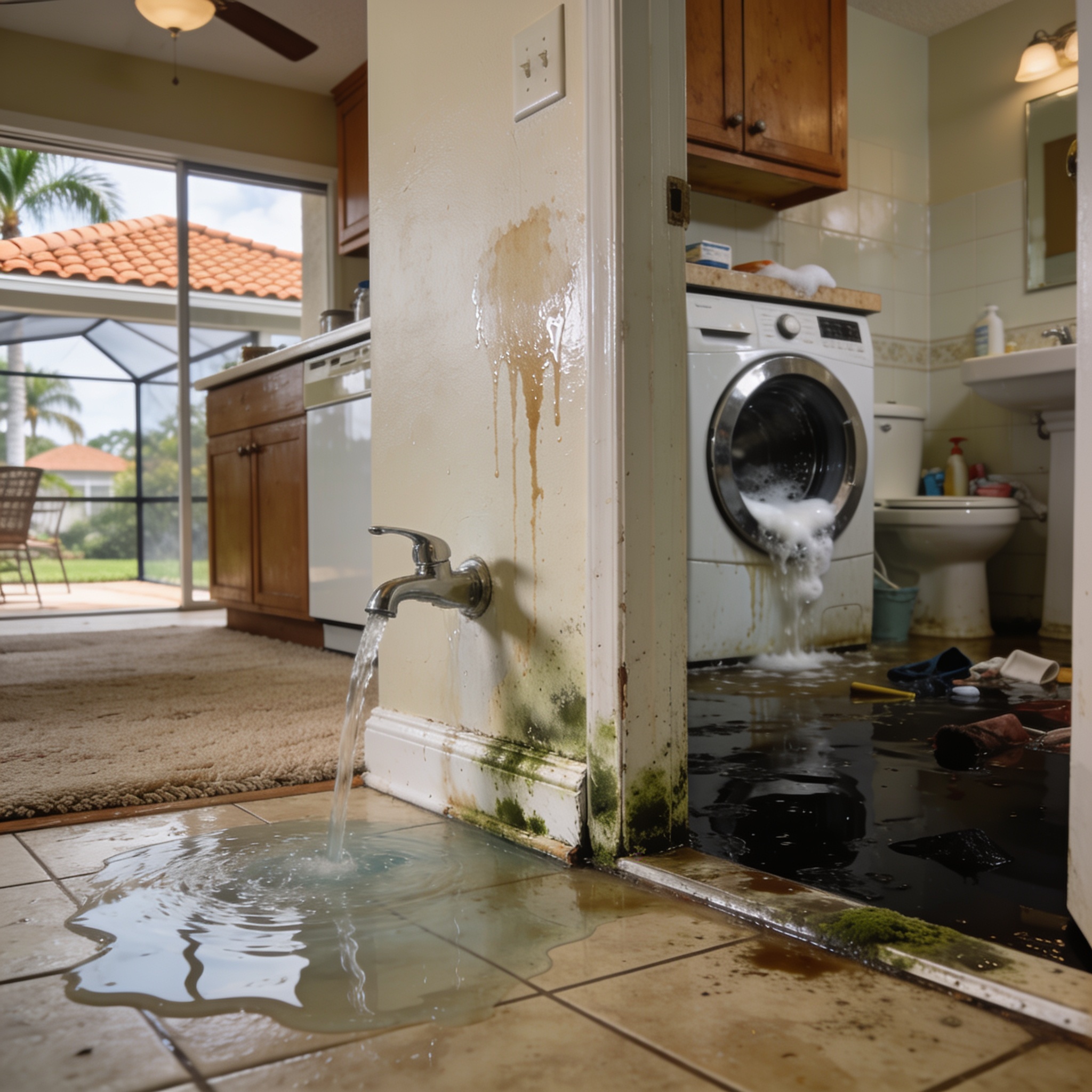
What Is the Category of Water Damage (Black Water)?
Category 3 water is often visually distinct, though it may not always be dark or murky. You should assume that any water intrusion from sewage, water from rivers or streams, or ground surface water is contaminated regardless of its appearance. In many cases, this cat 3 water damage may carry debris, organic matter, or chemical residues that leave visible stains on carpets, drywall, and tile. Remediating category 3 water involves strict containment to prevent contaminated water entering or affecting clean areas.
What Are the Classes of Water Damage?
While water categories define the contamination level, the class describes the evaporation rate and moisture content. Class 4 water damage often involves deep-seated moisture in hardwood floors, concrete, or crawl spaces common in Southwest Florida homes.
What Is Water Loss?
The common causes of category 3 in our region include sewage backups, flooding from tropical cyclones, and seawater intrusion. These causes of category 3 water carry high concentrations of bacteria, viruses, and heavy metals that necessitate professional intervention. Residents near the coast must be especially vigilant regarding ground surface water and rising water during hurricane season.
Is Toilet Water Category 3 Water Damage?
Toilet water is classified as Category 3 if it contains feces or other pathogenic waste from the sewage system. While some toilet overflows might start as category 2 water, the presence of human waste immediately elevates the risk level. Always treat any toilet overflow as a potential health hazard and contact a professional for Water Damage Restoration mitigation.
Can Category 1 or 2 Water Damage Become Category 3?
Water that begins as Category 1 or 2 can quickly transition into Category 3 if it is left standing for an extended period. Microorganisms multiply rapidly in warm, humid environments, turning clean water into a biohazard within 24 to 48 hours. This is why swift action is vital when dealing with any category 2 or 3 water loss in the Florida heat.
What Are the Health Risks Associated with Category 3 Water Damage?
Exposure to Category 3 water can lead to serious health issues, including skin infections, respiratory distress, and gastrointestinal illnesses. Pathogens found in grossly contaminated water can penetrate porous materials, creating a long-term risk for building occupants. Professionals use iicrc s500 category 3 water protocols, including specialized disinfectant and containment procedures, to mitigate these risks safely.
What Steps Should You Take If You Have Category 3 Water Damage?
The first step in handling Category 3 water damage is to ensure your personal safety by vacating the area and avoiding contact with the water. You must contact a certified restoration company immediately to begin the professional water damage restoration process, which includes professional water extraction. Document all damages for your Is Water Damage Covered by Homeowners Insurance before any cleanup begins. Avoid using standard household vacuums or fans, as these can spread contaminants throughout your home.
Does Homeowners’ Insurance Cover Category 3 Water Damage?
Most standard homeowners’ insurance policies cover Category 3 water damage if it results from a sudden and accidental event, such as a burst pipe or sewage backup. However, damage resulting from rising floodwater typically requires a separate policy through the National Flood Insurance Program (NFIP). Always consult with your insurance provider to understand the specific exclusions in your policy regarding water intrusion. If you need professional help, consider reaching out for Water Damage Restoration or other local experts to assist with the documentation process.
Frequently asked questions
These answers provide clarity on the most common concerns regarding severe water intrusion in residential properties.
Can I clean up category 3 water damage myself?
No, you should never attempt to clean up cat 3 water damage yourself due to the high risk of exposure to pathogens and bacteria. Professional restoration crews are trained to handle these hazards using specialized personal protective equipment and industrial-grade disinfectants.
How long does the restoration process take?
The timeline for restoration depends on the extent of the water loss, the materials affected, and the drying conditions. Typically, the process can take anywhere from three days to several weeks for full structural drying and sanitization.
What happens to my furniture and personal belongings?
Porous items like mattresses, upholstered furniture, and carpets that have been affected by category 3 water are often impossible to sanitize effectively. These items are usually discarded to prevent the spread of mold and bacteria throughout the home.
Will my home smell after the restoration is complete?
A professional restoration company will use advanced deodorization techniques and air scrubbers to ensure that no odors remain. If a lingering smell persists, it may indicate that moisture or contaminants are still trapped in hidden areas of the structure.
Is it safe to stay in my home during the cleanup?
It is generally not safe to remain in your home during the initial stages of category 3 water damage restoration. The presence of airborne contaminants and the use of heavy-duty chemicals require that the area be isolated and properly ventilated.
See also: Water Damage Restoration
Our editorial team verifies licensing and reviews for every restoration company in the directory and writes practical, Florida-specific guides to help homeowners act fast and protect their insurance claims after water, fire, mold or storm damage.