Does Water Damage Insulation? Here Is What You Need to Know
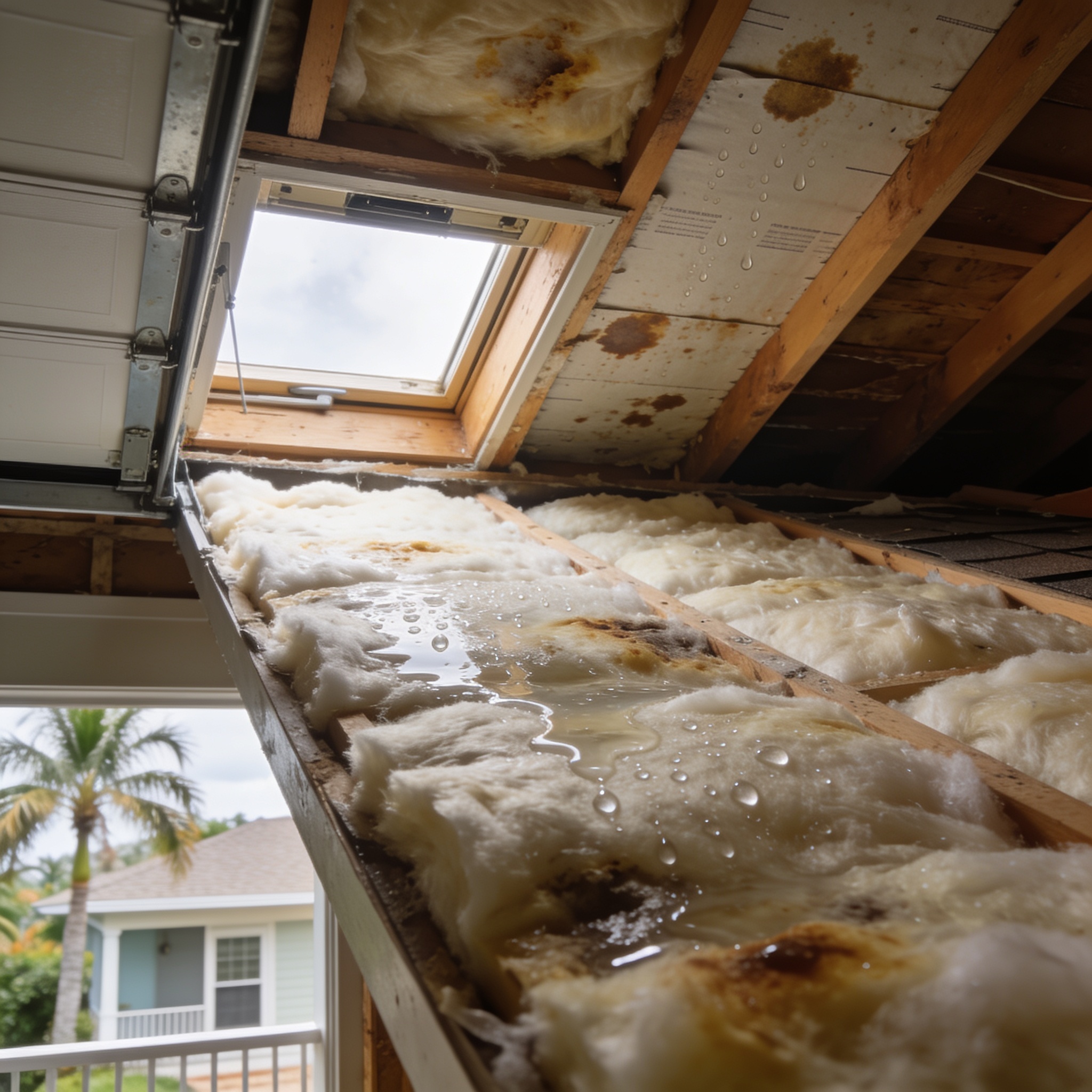
Water damage insulation requires immediate professional intervention because, in SWFL’s high-humidity climate, wet material rarely dries on its own and almost always loses its structural integrity within 24 to 48 hours. Whether you are dealing with a minor roof leak or significant flooding, the presence of moisture in your attic or wall cavities creates a permanent hazard for your home’s insulation, air quality, and energy efficiency. When your insulation becomes saturated, it can no longer effectively regulate temperature, and the moisture often leads to mold or mildew growth that impacts your entire living space. Understanding how different insulation materials react to moisture is the first step in protecting your home.
Key Takeaways
- Most porous insulation materials, such as fiberglass and cellulose, lose their thermal resistance permanently once they become saturated.
- The high humidity levels in Lee and Collier counties mean that insulation that gets wet will almost certainly develop mold growth if not removed.
- Professional water damage restoration includes moisture mapping to determine if your insulation needs to be replaced or if it can be salvaged.
- Ignoring wet insulation can lead to long-term structural damage to your ceiling joists and drywall.
- Always document the source of the water for your insurance provider to ensure your claim process is handled correctly.
What Are the Common Causes of Wet Insulation in a Home?
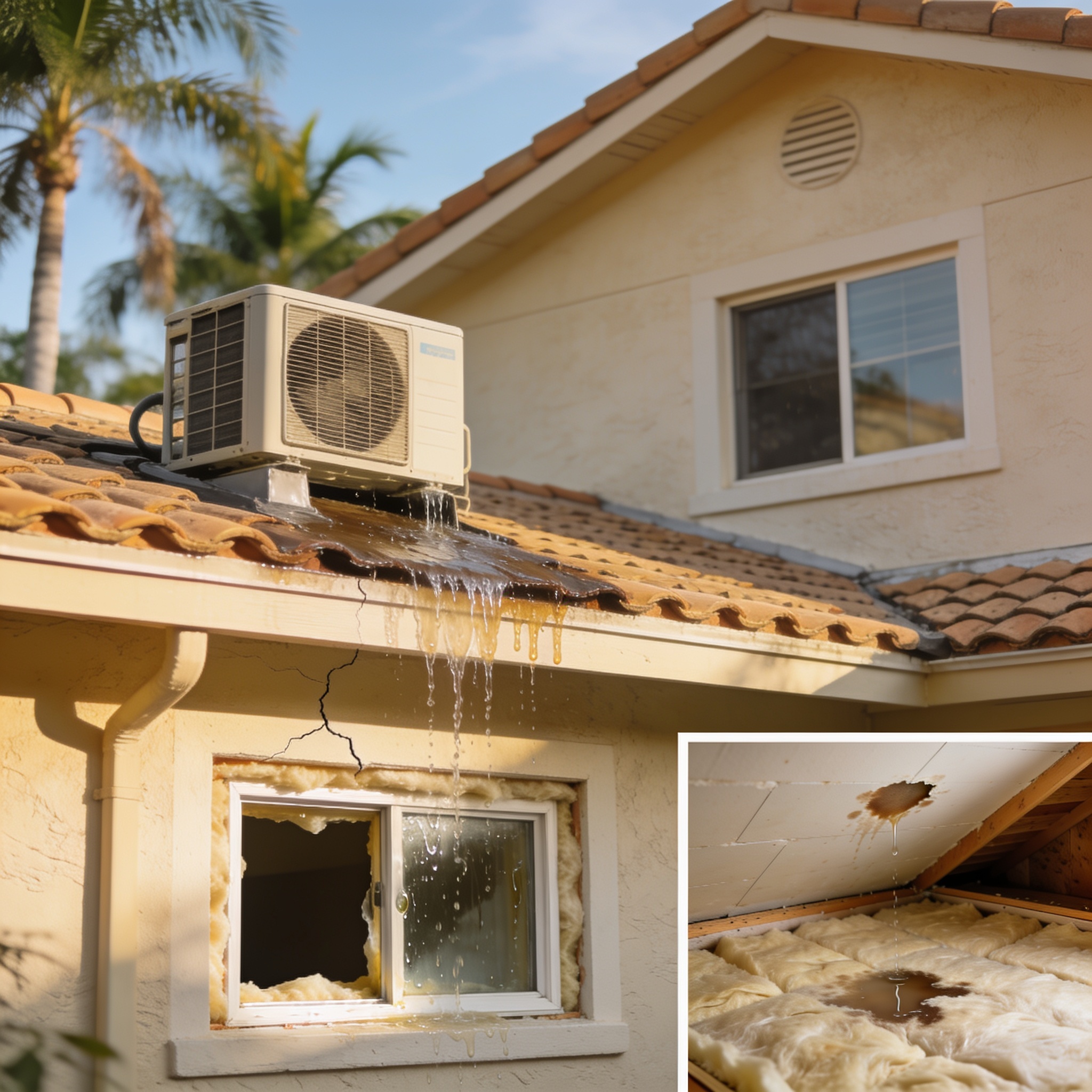
Common causes of wet insulation in SWFL homes include roof leaks during tropical storms, HVAC condensation overflows, and plumbing failures insulation behind walls. In areas like Fort Myers or Punta Gorda, heavy rainfall can overwhelm roof flashing, allowing water to penetrate the attic space and soaking the insulation. Any insulation damage caused by these events requires prompt attention to avoid further deterioration of your home’s insulation and surrounding materials. You can find more information on managing these incidents through professional water damage restoration cost fort myers services.
Roof Leaks and Storm Damage
High-wind events often compromise shingles or ridge vents, leading to localized saturation of your attic insulation. Once the barrier is breached, water travels along rafters and settles into the insulation materials, which can eventually damage your insulation if left unaddressed. Dealing with wet attic insulation early is critical to avoid mold and structural issues.
HVAC and Plumbing Issues
Improperly maintained AC drain lines are a leading cause of ceiling moisture in Florida. When the condensate pan overflows, it often drips directly onto the insulation above your living space, creating wet insulation problems that require immediate mitigation.
What Does Water Damaged Insulation Look Like?
The 5 signs of wet insulation include visible mold growth, sagging ceiling drywall, musty odors, clumping of loose-fill materials, and unexplained spikes in your monthly energy costs.
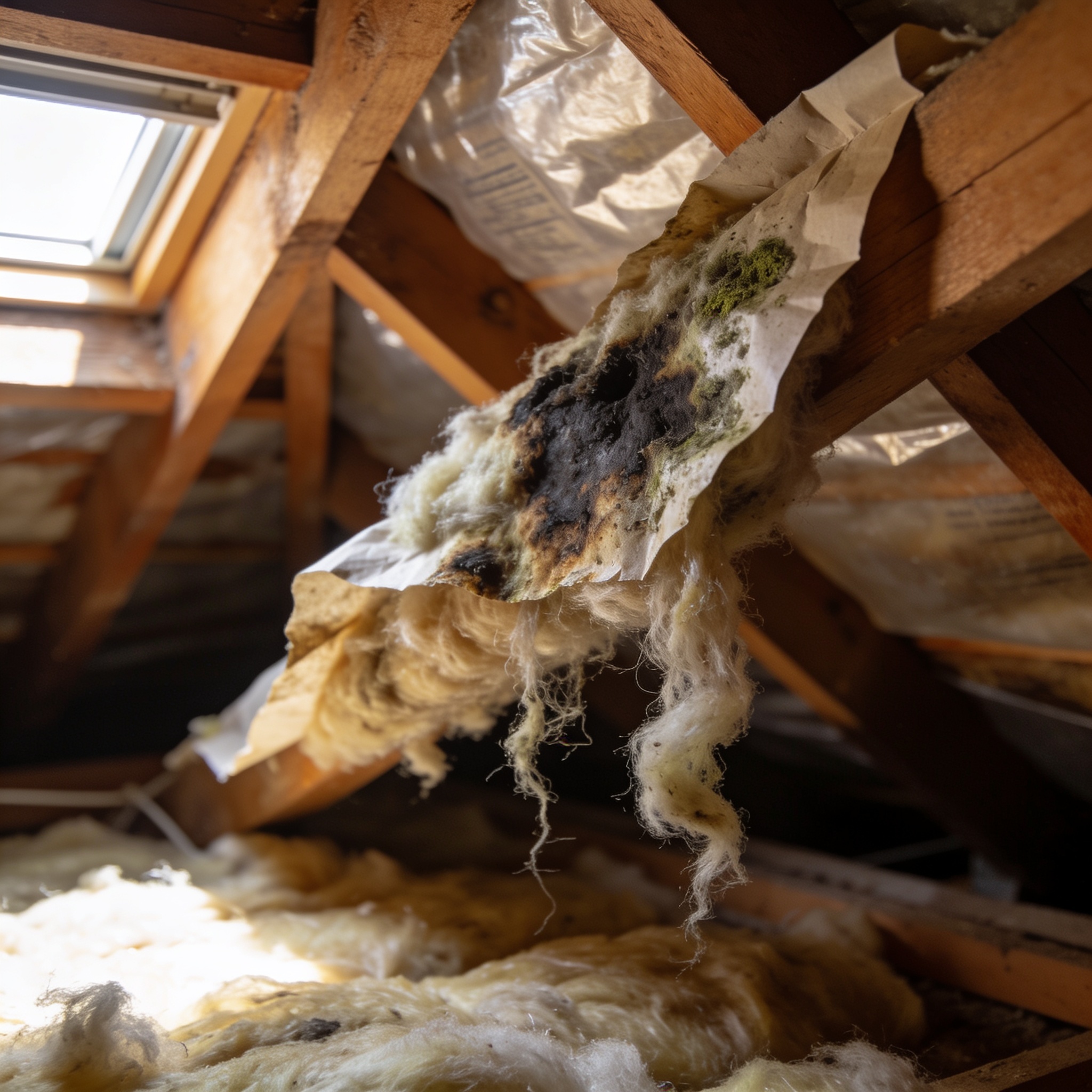
- Visible Mold Growth: Dark, fuzzy spots appearing on the surface of insulation or the surrounding wooden joists indicate active contamination from mold and mildew.
- Sagging Ceiling Drywall: If your ceiling shows bowing or water stains, the insulation above it is likely holding significant weight in trapped water due to water damage.
- Musty Odors: A persistent damp or earthy smell in your home is often the first indicator that your attic or wall insulation is harboring moisture.
- Clumping of Loose-Fill: If you inspect your attic, cellulose or fiberglass that looks matted or clumped together instead of fluffy has lost its air-trapping capability.
- Energy Cost Spikes: Because wet insulation loses its R-value, your HVAC system must work harder to maintain temperature, leading to higher electricity bills.
Can Different Types of Insulation Like Fiberglass, Cellulose Insulation
, or Spray Foam Get Wet?
Every type of insulation reacts to moisture in distinct ways, but nearly all suffer performance degradation when exposed to water. Fiberglass insulation can lose its loft and thermal effectiveness when it becomes thoroughly wet. Cellulose insulation, being paper-based, acts like a sponge and is highly susceptible to mold growth once it becomes wet. While closed-cell spray foam is a moisture-resistant insulation, it can still trap water against wood framing if a leak persists, potentially causing hidden rot.
Does Insulation Lose R-Value When Wet?
Wet insulation loses its R-value because the trapped water replaces the air pockets that are essential for thermal resistance. According to the Department of Energy, insulation works by trapping tiny pockets of air to slow heat transfer. When those pockets fill with water, the material becomes a conductor of heat rather than an insulator. This loss of efficiency is permanent for most porous materials, meaning you will likely need to replace the insulation to restore your insulation and your home’s energy performance.
What Are the Risks of Wet
Insulation in Your Home?
The primary risks of having insulation wet in your home involve the rapid development of mold and the potential for long-term structural damage to your property. Moisture can lead to mold growth within 24 to 48 hours in the humid SWFL environment, according to EPA guidelines. Furthermore, heavy, water-logged insulation puts excessive stress on ceiling joists and drywall, which may lead to collapse. Ignoring wet insulation also creates a breeding ground for pests that thrive in damp, dark environments.
Can Wet Insulation Dry Out on Its Own, and How Long Does It Take?
Wet insulation rarely dries out on its own in the Florida climate, and attempting to wait for it to air dry often results in secondary damage. The high ambient humidity in our region prevents the evaporation process from occurring quickly enough to prevent mold. Professional remediation, such as the services provided during Water Damage Restoration restoration, is necessary to allow the insulation to dry. If insulation is only damp, a professional may use industrial dehumidifiers to use insulation to prevent mold from spreading.
Does Insulation Need to Be Replaced After a Leak?
Insulation needs to be replaced after a leak if it has been contaminated by gray or black water or if it has begun to show signs of mold growth. While insulation that is only damp from a clean, minor leak might be dried by a professional, most porous materials like fiberglass and cellulose are difficult to sanitize properly. Replacing wet insulation is generally the most cost-effective way to ensure your home remains safe and energy-efficient. You can consult experts specializing in Water Damage Restoration to assess the extent of the saturation.
| Insulation Type | Moisture Sensitivity | Action Required if Wet |
|---|---|---|
| Fiberglass | High | Remove and Replace |
| Cellulose | Very High | Remove and Replace |
| Closed-Cell Foam | Low | Inspect and Dry |
What Steps Should You Take If You Find Wet Insulation?
The first step you should take if you find wet insulation is to identify and stop the source of the water to prevent further damage to your home’s structure. Once the leak is stopped, document the damage with photographs for your insurance claim. Avoid touching the wet material without proper personal protective equipment, as it may contain mold spores. Contact a professional to perform a moisture assessment before attempting any DIY insulation removal.
When Should You Call a Professional for Water-Damaged Insulation?
You should call a professional for water-damaged insulation as soon as you notice signs of moisture, especially if the area affected is larger than a few square feet. Professional insulation services have the industrial-grade dehumidifiers and air movers required to effectively dry a structure. If you are located in a coastal area like Sanibel, professional Water Damage Restoration teams are equipped to handle the specific challenges of salt-air humidity and water intrusion. Attempting to manage extensive water damage on your own can lead to improper remediation and recurring mold problems.
Frequently asked questions
Answers to common concerns regarding insulation and moisture help homeowners make informed decisions about property maintenance.
Is it safe to leave wet insulation in the attic?
No, leaving wet insulation in the attic is unsafe because it creates a permanent breeding ground for mold and can lead to structural rot in your roof decking. You will likely need to replace the insulation to ensure the area is safe.
How much does it cost to replace wet insulation?
Replacement costs vary based on the square footage and the type of material, but you can find estimates for your specific area by reviewing guides on water damage restoration cost restoration. Installing new insulation is an investment in your home’s long-term efficiency.
Can I just dry out the insulation with a fan?
Using a fan is insufficient for deep saturation, as it does not address the moisture trapped against the wood framing or within the insulation fibers. If your insulation is wet, it often requires professional drying or removal.
Does homeowners insurance cover insulation replacement?
Most policies cover insulation replacement if the damage was caused by a sudden, accidental peril like a burst pipe or storm-damaged roof, but you must verify your specific coverage.
How do I know if my insulation is moldy?
If you see dark, discolored patches or notice a persistent musty smell that does not go away after the area is dried, your insulation is likely contaminated with mold. Insulation materials like fiberglass often show visible discoloration when mold is present.
What happens when insulation gets wet?
When insulation gets wet, it loses its ability to trap air, which is its primary function for thermal resistance. Furthermore, the insulation becomes a heavy, damp mass that can damage your ceiling and harbor harmful mold and mildew.
What are the risks of ignoring wet insulation?
Ignoring wet insulation is dangerous because it leads to structural rot, compromised air quality, and the potential for mold to spread throughout your HVAC system and living areas.
What are the signs of wet insulation?
Signs of wet insulation include sagging ceilings, water stains on drywall, a musty odor, and a sudden increase in energy bills due to the loss of thermal efficiency.
What is the best way to handle wet fiberglass insulation?
The best way to handle wet fiberglass insulation is to have a professional assess the extent of the saturation. In most cases, wet fiberglass insulation must be removed and replaced to prevent long-term mold issues.
How do I handle insulation after water damage?
After water damage, you should immediately contact a professional to assess the insulation. If the material is saturated, you will likely need to replace the insulation to ensure your home remains healthy and energy-efficient.
What type of insulation is best to resist water?
While no material is completely immune to water, closed-cell spray foam insulation is designed to resist water better than porous options like fiberglass or cellulose.
Why do I need to replace the insulation?
You need to replace the insulation because once it becomes wet, it loses its R-value, becomes a breeding ground for mold, and can cause structural damage to your home due to the weight of the trapped water.
How does insulation become damaged due to water?
Insulation becomes damaged due to water when leaks or flooding saturate the material, causing it to clump, lose its air-trapping properties, and eventually foster mold growth.
What should I do if my insulation is wet?
If your insulation is wet, stop the source of the water, document the damage for insurance, and contact a professional to determine if the material can be dried or if it requires removal.
How do I manage insulation after water damage?
Managing insulation after water damage involves professional moisture testing, safe removal of contaminated materials, and the installation of new, dry insulation to restore your home’s thermal performance.
Why is replacing wet insulation important?
Replacing wet insulation is important to prevent mold growth, restore energy efficiency, and protect your home’s structural components from rot and decay.
How does wet insulation lead to insulation problems?
Wet insulation leads to insulation problems by destroying the material’s ability to insulate, creating a health hazard through mold, and potentially causing structural failure in ceilings and walls.
What should I know about insulation after water damage?
You should know that insulation after water damage is rarely salvageable if it has been wet for more than 24-48 hours, as the risk of mold and structural damage becomes too high.
How does my home’s insulation affect my energy bills?
Your home’s insulation is critical for energy efficiency; when it is damaged or wet, it loses its R-value, forcing your HVAC system to run longer and increasing your energy costs.
Can I use dry insulation to replace wet material?
Yes, once the source of the leak is fixed and the area has been professionally dried and sanitized, installing new, dry insulation is the correct way to restore your home’s energy efficiency.
What is the best insulation removal process?
The best insulation removal process involves wearing proper PPE, using professional-grade vacuums for loose-fill materials, and ensuring that all mold-contaminated materials are properly disposed of.
How does insulation become a liability due to water?
Insulation becomes a liability due to water when it traps moisture against structural wood, leading to rot, and acts as a reservoir for mold spores that degrade indoor air quality.
What is the most common type of insulation in Florida?
Fiberglass is a very common type of insulation in Florida, but it is highly susceptible to water damage, meaning it often needs to be replaced if it gets wet.
How does mold or mildew affect insulation?
Mold or mildew growth in insulation is a serious health hazard that can spread spores throughout your home, necessitating professional removal and replacement of the contaminated materials.
What should I know about insulation after water damage?
When dealing with insulation after water damage, prioritize safety; do not enter attics or crawlspaces with wet insulation without proper protection, as the material may be heavy or contaminated.
How do I know if I need to replace the insulation?
You need to replace the insulation if it is matted, shows signs of mold, or has been saturated for an extended period, as these conditions indicate the material is no longer effective.
Why is it important to address insulation problems?
Addressing insulation problems quickly is essential to prevent secondary damage, such as mold growth, structural rot, and increased energy costs, which can become much more expensive to fix over time.
How do I ensure my new insulation is protected?
To ensure your new insulation is protected, regularly inspect your roof and HVAC system for leaks, and ensure your attic has proper ventilation to prevent moisture buildup.
What is the risk of ignoring wet insulation?
The risk of ignoring wet insulation is that the moisture will continue to damage your home’s structure and create a persistent mold issue that can negatively impact your health and property value.
How does water damage affect insulation?
Water damage affects insulation by destroying its thermal properties, creating a weight load that can damage ceilings, and providing a perfect environment for mold and mildew to thrive.
What should I do if my insulation becomes wet?
If your insulation becomes wet, treat it as an emergency; stop the water source, contact a professional for a moisture assessment, and prepare for the potential need for professional removal.
Why is insulation removal necessary?
Insulation removal is necessary when the material is contaminated with mold, sewage, or has lost its structural integrity, as leaving it in place poses a risk to your home and health.
How do I prevent insulation damage?
You can prevent insulation damage by performing routine maintenance on your roof, gutters, and HVAC system to ensure that water stays outside of your home’s building envelope.
What is the impact of wet insulation on energy bills?
Wet insulation significantly impacts energy bills because it loses its insulating properties, causing your home to lose heat in the winter and gain heat in the summer, forcing your HVAC to work harder.
How do I identify insulation damage?
You can identify insulation damage by looking for signs like clumping, water stains on ceilings, musty smells, or visible mold growth in your attic or wall cavities.
What is the importance of dry insulation?
Dry insulation is essential for maintaining a comfortable home temperature and low energy bills; it is the only state in which insulation can effectively perform its job.
How do I handle insulation after water damage?
When handling insulation after water damage, always prioritize professional inspection, as they can determine if the material can be safely dried or if it must be removed to protect your home.
What is the best way to replace the insulation?
The best way to replace the insulation is to hire a professional who can safely remove the damaged material, sanitize the area, and install new insulation that meets current energy codes.
How does insulation become damaged due to water?
Insulation becomes damaged due to water when moisture compromises the material’s structure, causing it to lose its loft and effectiveness while simultaneously creating a habitat for mold.
What should I know about insulation problems?
Insulation problems, especially those caused by water, should never be ignored, as they can lead to significant structural issues and health risks that are far more costly than early intervention.
How do I ensure my home’s insulation is safe?
To ensure your home’s insulation is safe, keep your attic and walls dry, address any leaks immediately, and have a professional inspect your insulation after any significant water event.
What is the role of professional insulation services?
Professional insulation services are vital for safely removing contaminated materials, ensuring the area is properly sanitized, and installing new insulation that provides optimal thermal performance.
How do I know if my insulation is wet?
You know your insulation is wet if you see visible water, feel dampness, notice a musty smell, or observe signs of mold or mildew in your attic or wall cavities.
What is the risk of mold and mildew in insulation?
The risk of mold and mildew in insulation is that these fungi can release spores into your home’s air, which can cause respiratory issues and other health problems for your family.
How do I handle insulation after water damage?
Handling insulation after water damage requires a systematic approach: stop the water, document the damage, consult a professional, and remove any material that cannot be effectively sanitized.
What is the importance of new insulation?
New insulation is important because it restores your home’s energy efficiency, improves indoor comfort, and eliminates the health risks associated with mold-contaminated materials.
How do I manage insulation problems?
Managing insulation problems effectively requires identifying the root cause of the moisture, removing the damaged material, and ensuring the area is completely dry before installing new insulation.
Why is insulation removal important?
Insulation removal is important because it is the only way to guarantee that mold and moisture-damaged materials are completely eliminated from your home, preventing future health and structural issues.
How do I prevent insulation damage?
Preventing insulation damage is best achieved through regular home maintenance, such as checking your roof for leaks and ensuring your HVAC system is properly maintained to avoid condensation issues.
What is the impact of wet insulation on my home?
Wet insulation impacts your home by increasing your energy bills, creating a health risk due to mold, and potentially causing structural damage to your ceilings and framing.
How do I identify insulation damage?
You identify insulation damage by looking for signs of moisture, such as clumping, water stains, or the presence of mold, which all indicate that the material is no longer functioning correctly.
What is the importance of dry insulation?
The importance of dry insulation cannot be overstated; it is the foundation of an energy-efficient home and is necessary for maintaining healthy indoor air quality.
How do I handle insulation after water damage?
When you handle insulation after water damage, always prioritize the removal of any material that shows signs of mold or saturation to protect your home’s structure and your family’s health.
What is the best way to replace the insulation?
The best way to replace the insulation is to work with a professional who can ensure the entire area is dry and clean before installing high-quality, new insulation materials.
How does insulation become damaged due to water?
Insulation becomes damaged due to water when moisture saturates the material, which destroys its thermal properties and creates a heavy, damp environment that encourages mold growth.
What should I know about insulation problems?
You should know that insulation problems are often hidden; if you suspect water damage, have a professional inspect your attic or wall cavities to ensure your insulation is still performing as it should.
How do I ensure my home’s insulation is safe?
To ensure your home’s insulation is safe, keep your home dry, address leaks promptly, and never leave wet insulation in place, as it will inevitably lead to mold or mildew issues.
What is the role of professional insulation services?
Professional insulation services play a key role in identifying, removing, and replacing damaged insulation, ensuring your home remains safe, efficient, and free from mold contamination.
How do I know if my insulation is wet?
You know your insulation is wet if you notice any of the signs of wet insulation, such as sagging ceilings, musty odors, or visible mold, which all indicate that professional help is needed.
What is the risk of mold and mildew in insulation?
The risk of mold and mildew in insulation is that these contaminants can compromise your indoor air quality and cause structural damage to your home’s framing and ceiling materials.
How do I handle insulation after water damage?
Handling insulation after water damage means acting quickly to remove the wet material and dry the surrounding area to prevent the spread of mold and further structural damage.
What is the importance of new insulation?
New insulation is important for restoring your home’s energy efficiency, lowering your utility bills, and ensuring a healthy living environment free from the dangers of mold and mildew.
How do I manage insulation problems?
Managing insulation problems effectively involves identifying the source of the moisture, removing the damaged insulation, and ensuring the area is fully dried and sanitized before installing new materials.
Why is insulation removal important?
Insulation removal is important because it is the only way to fully eliminate mold and moisture-damaged material, ensuring your home is safe and energy-efficient once again.
How do I prevent insulation damage?
Preventing insulation damage is a matter of regular maintenance; keep your roof, gutters, and HVAC system in good working order to keep your insulation dry and effective.
What is the impact of wet insulation on my home?
Wet insulation impacts your home by increasing your energy bills, creating a health risk due to mold, and potentially causing structural damage that can be very expensive to repair.
How do I identify insulation damage?
You identify insulation damage by looking for signs of moisture, such as clumping, water stains, or the presence of mold, which all indicate that the material is no longer effective.
What is the importance of dry insulation?
The importance of dry insulation is that it allows your home to maintain a consistent temperature, which reduces the load on your HVAC system and keeps your energy costs low.
How do I handle insulation after water damage?
When you handle insulation after water damage, always consult a professional to ensure the area is properly dried and that all contaminated materials are removed to protect your home.
What is the best way to replace the insulation?
The best way to replace the insulation is to hire a professional who can ensure the entire area is dry and clean before installing new, high-quality insulation materials.
How does insulation become damaged due to water?
Insulation becomes damaged due to water when moisture saturates the material, which destroys its thermal properties and creates a heavy, damp environment that encourages mold growth.
What should I know about insulation problems?
You should know that insulation problems are often hidden; if you suspect water damage, have a professional inspect your attic or wall cavities to ensure your insulation is still performing as it should.
How do I ensure my home’s insulation is safe?
To ensure your home’s insulation is safe, keep your home dry, address leaks promptly, and never leave wet insulation in place, as it will inevitably lead to mold or mildew issues.
What is the role of professional insulation services?
Professional insulation services play a key role in identifying, removing, and replacing damaged insulation, ensuring your home remains safe, efficient, and free from mold contamination.
How do I know if my insulation is wet?
You know your insulation is wet if you notice any of the signs of wet insulation, such as sagging ceilings, musty odors, or visible mold, which all indicate that professional help is needed.
What is the risk of mold and mildew in insulation?
The risk of mold and mildew in insulation is that these contaminants can compromise your indoor air quality and cause structural damage to your home’s framing and ceiling materials.
How do I handle insulation after water damage?
Handling insulation after water damage means acting quickly to remove the wet material and dry the surrounding area to prevent the spread of mold and further structural damage.
What is the importance of new insulation?
New insulation is important for restoring your home’s energy efficiency, lowering your utility bills, and ensuring a healthy living environment free from the dangers of mold and mildew.
How do I manage insulation problems?
Managing insulation problems effectively involves identifying the source of the moisture, removing the damaged insulation, and ensuring the area is fully dried and sanitized before installing new materials.
Why is insulation removal important?
Insulation removal is important because it is the only way to fully eliminate mold and moisture-damaged material, ensuring your home is safe and energy-efficient once again.
How do I prevent insulation damage?
Preventing insulation damage is a matter of regular maintenance; keep your roof, gutters, and HVAC system in good working order to keep your insulation dry and effective.
What is the impact of wet insulation on my home?
Wet insulation impacts your home by increasing your energy bills, creating a health risk due to mold, and potentially causing structural damage that can be very expensive to repair.
How do I identify insulation damage?
You identify insulation damage by looking for signs of moisture, such as clumping, water stains, or the presence of mold, which all indicate that the material is no longer effective.
What is the importance of dry insulation?
The importance of dry insulation is that it allows your home to maintain a consistent temperature, which reduces the load on your HVAC system and keeps your energy costs low.
How do I handle insulation after water damage?
When you handle insulation after water damage, always consult a professional to ensure the area is properly dried and that all contaminated materials are removed to protect your home.
What is the best way to replace the insulation?
The best way to replace the insulation is to hire a professional who can ensure the entire area is dry and clean before installing new, high-quality insulation materials.
How does insulation become damaged due to water?
Insulation becomes damaged due to water when moisture saturates the material, which destroys its thermal properties and creates a heavy, damp environment that encourages mold growth.
What should I know about insulation problems?
You should know that insulation problems are often hidden; if you suspect water damage, have a professional inspect your attic or wall cavities to ensure your insulation is still performing as it should.
How do I ensure my home’s insulation is safe?
To ensure your home’s insulation is safe, keep your home dry, address leaks promptly, and never leave wet insulation in place, as it will inevitably lead to mold or mildew issues.
What is the role of professional insulation services?
Professional insulation services play a key role in identifying, removing, and replacing damaged insulation, ensuring your home remains safe, efficient, and free from mold contamination.
How do I know if my insulation is wet?
You know your insulation is wet if you notice any of the signs of wet insulation, such as sagging ceilings, musty odors, or visible mold, which all indicate that professional help is needed.
What is the risk of mold and mildew in insulation?
The risk of mold and mildew in insulation is that these contaminants can compromise your indoor air quality and cause structural damage to your home’s framing and ceiling materials.
How do I handle insulation after water damage?
Handling insulation after water damage means acting quickly to remove the wet material and dry the surrounding area to prevent the spread of mold and further structural damage.
What is the importance of new insulation?
New insulation is important for restoring your home’s energy efficiency, lowering your utility bills, and ensuring a healthy living environment free from the dangers of mold and mildew.
How do I manage insulation problems?
Managing insulation problems effectively involves identifying the source of the moisture, removing the damaged insulation, and ensuring the area is fully dried and sanitized before installing new materials.
Why is insulation removal important?
Insulation removal is important because it is the only way to fully eliminate mold and moisture-damaged material, ensuring your home is safe and energy-efficient once again.
How do I prevent insulation damage?
Preventing insulation damage is a matter of regular maintenance; keep your roof, gutters, and HVAC system in good working order to keep your insulation dry and effective.
What is the impact of wet insulation on my home?
Wet insulation impacts your home by increasing your energy bills, creating a health risk due to mold, and potentially causing structural damage that can be very expensive to repair.
How do I identify insulation damage?
You identify insulation damage by looking for signs of moisture, such as clumping, water stains, or the presence of mold, which all indicate that the material is no longer effective.
What is the importance of dry insulation?
The importance of dry insulation is that it allows your home to maintain a consistent temperature, which reduces the load on your HVAC system and keeps your energy costs low.
How do I handle insulation after water damage?
When you handle insulation after water damage, always consult a professional to ensure the area is properly dried and that all contaminated materials are removed to protect your home.
What is the best way to replace the insulation?
The best way to replace the insulation is to hire a professional who can ensure the entire area is dry and clean before installing new, high-quality insulation materials.
How does insulation become damaged due to water?
Insulation becomes damaged due to water when moisture saturates the material, which destroys its thermal properties and creates a heavy, damp environment that encourages mold growth.
What should I know about insulation problems?
You should know that insulation problems are often hidden; if you suspect water damage, have a professional inspect your attic or wall cavities to ensure your insulation is still performing as it should.
How do I ensure my home’s insulation is safe?
To ensure your home’s insulation is safe, keep your home dry, address leaks promptly, and never leave wet insulation in place, as it will inevitably lead to mold or mildew issues.
What is the role of professional insulation services?
Professional insulation services play a key role in identifying, removing, and replacing damaged insulation, ensuring your home remains safe, efficient, and free from mold contamination.
How do I know if my insulation is wet?
You know your insulation is wet if you notice any of the signs of wet insulation, such as sagging ceilings, musty odors, or visible mold, which all indicate that professional help is needed.
What is the risk of mold and mildew in insulation?
The risk of mold and mildew in insulation is that these contaminants can compromise your indoor air quality and cause structural damage to your home’s framing and ceiling materials.
How do I handle insulation after water damage?
Handling insulation after water damage means acting quickly to remove the wet material and dry the surrounding area to prevent the spread of mold and further structural damage.
What is the importance of new insulation?
New insulation is important for restoring your home’s energy efficiency, lowering your utility bills, and ensuring a healthy living environment free from the dangers of mold and mildew.
How do I manage insulation problems?
Managing insulation problems effectively involves identifying the source of the moisture, removing the damaged insulation, and ensuring the area is fully dried and sanitized before installing new materials.
Why is insulation removal important?
Insulation removal is important because it is the only way to fully eliminate mold and moisture-damaged material, ensuring your home is safe and energy-efficient once again.
How do I prevent insulation damage?
Preventing insulation damage is a matter of regular maintenance; keep your roof, gutters, and HVAC system in good working order to keep your insulation dry and effective.
What is the impact of wet insulation on my home?
Wet insulation impacts your home by increasing your energy bills, creating a health risk due to mold, and potentially causing structural damage that can be very expensive to repair.
How do I identify insulation damage?
You identify insulation damage by looking for signs of moisture, such as clumping, water stains, or the presence of mold, which all indicate that the material is no longer effective.
What is the importance of dry insulation?
The importance of dry insulation is that it allows your home to maintain a consistent temperature, which reduces the load on your HVAC system and keeps your energy costs low.
How do I handle insulation after water damage?
When you handle insulation after water damage, always consult a professional to ensure the area is properly dried and that all contaminated materials are removed to protect your home.
What is the best way to replace the insulation?
The best way to replace the insulation is to hire a professional who can ensure the entire area is dry and clean before installing new, high-quality insulation materials.
How does insulation become damaged due to water?
Insulation becomes damaged due to water when moisture saturates the material, which destroys its thermal properties and creates a heavy, damp environment that encourages mold growth.
What should I know about insulation problems?
You should know that insulation problems are often hidden; if you suspect water damage, have a professional inspect your attic or wall cavities to ensure your insulation is still performing as it should.
How do I ensure my home’s insulation is safe?
To ensure your home’s insulation is safe, keep your home dry, address leaks promptly, and never leave wet insulation in place, as it will inevitably lead to mold or mildew issues.
What is the role of professional insulation services?
Professional insulation services play a key role in identifying, removing, and replacing damaged insulation, ensuring your home remains safe, efficient, and free from mold contamination.
How do I know if my insulation is wet?
You know your insulation is wet if you notice any of the signs of wet insulation, such as sagging ceilings, musty odors, or visible mold, which all indicate that professional help is needed.
What is the risk of mold and mildew in insulation?
The risk of mold and mildew in insulation is that these contaminants can compromise your indoor air quality and cause structural damage to your home’s framing and ceiling materials.
How do I handle insulation after water damage?
Handling insulation after water damage means acting quickly to remove the wet material and dry the surrounding area to prevent the spread of mold and further structural damage.
What is the importance of new insulation?
New insulation is important for restoring your home’s energy efficiency, lowering your utility bills, and ensuring a healthy living environment free from the dangers of mold and mildew.
How do I manage insulation problems?
Managing insulation problems effectively involves identifying the source of the moisture, removing the damaged insulation, and ensuring the area is fully dried and sanitized before installing new materials.
Why is insulation removal important?
Insulation removal is important because it is the only way to fully eliminate mold and moisture-damaged material, ensuring your home is safe and energy-efficient once again.
How do I prevent insulation damage?
Preventing insulation damage is a matter of regular maintenance; keep your roof, gutters, and HVAC system in good working order to keep your insulation dry and effective.
What is the impact of wet insulation on my home?
Wet insulation impacts your home by increasing your energy bills, creating a health risk due to mold, and potentially causing structural damage that can be very expensive to repair.
How do I identify insulation damage?
You identify insulation damage by looking for signs of moisture, such as clumping, water stains, or the presence of mold, which all indicate that the material is no longer effective.
What is the importance of dry insulation?
The importance of dry insulation is that it allows your home to maintain a consistent temperature, which reduces the load on your HVAC system and keeps your energy costs low.
How do I handle insulation after water damage?
When you handle insulation after water damage, always consult a professional to ensure the area is properly dried and that all contaminated materials are removed to protect your home.
What is the best way to replace the insulation?
The best way to replace the insulation is to hire a professional who can ensure the entire area is dry and clean before installing new, high-quality insulation materials.
How does insulation become damaged due to water?
Insulation becomes damaged due to water when moisture saturates the material, which destroys its thermal properties and creates a heavy, damp environment that encourages mold growth.
What should I know about insulation problems?
You should know that insulation problems are often hidden; if you suspect water damage, have a professional inspect your attic or wall cavities to ensure your insulation is still performing as it should.
How do I ensure my home’s insulation is safe?
To ensure your home’s insulation is safe, keep your home dry, address leaks promptly, and never leave wet insulation in place, as it will inevitably lead to mold or mildew issues.
What is the role of professional insulation services?
Our editorial team verifies licensing and reviews for every restoration company in the directory and writes practical, Florida-specific guides to help homeowners act fast and protect their insurance claims after water, fire, mold or storm damage.