Cost of Crawl Space Encapsulation: Is It Worth the Investment?
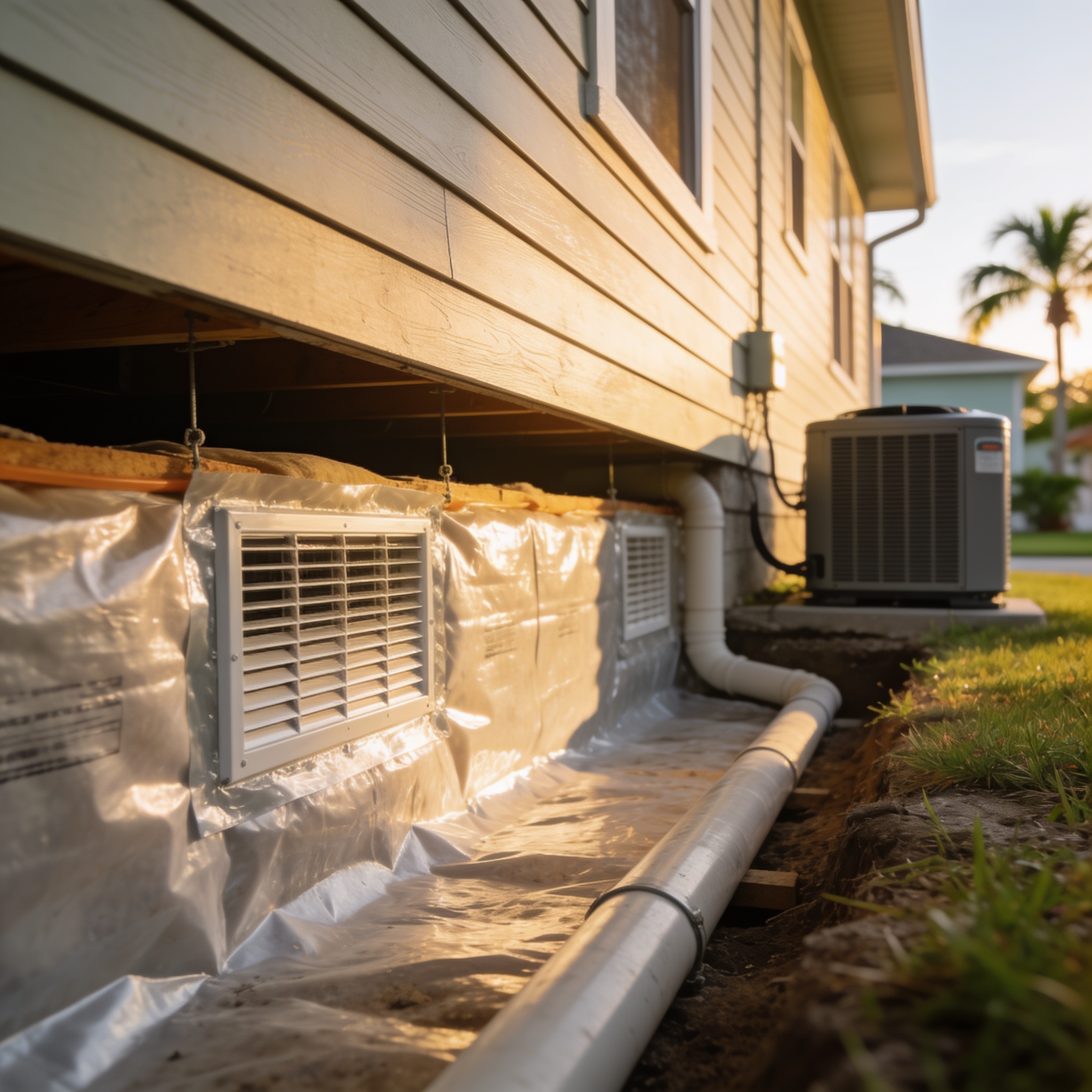
The average total crawl space encapsulation cost in Southwest Florida typically ranges between $5,000 and $15,000, depending heavily on the square footage and the extent of required moisture control measures. This investment is often necessary to protect your home from the extreme humidity and storm-related flooding common in Lee, Collier, and Charlotte counties. Understanding the specific logistics of this process is essential for every Florida homeowner, as managing these crawl spaces is vital for home health. By encapsulating the crawl space, you create a protective barrier that significantly improves the overall condition of your crawl space. Maintaining dry crawl spaces is a fundamental step in preventing long-term structural degradation.
Key Takeaways
- Encapsulation significantly reduces humidity, which helps prevent mold and structural decay in high-moisture environments.
- Total costs are driven by the size of the area, the need for a sump pump, and existing damage repairs.
- Professional installation is recommended to ensure a proper seal that prevents pests and moisture intrusion.
- Energy efficiency often improves after sealing, as the HVAC system does not have to work as hard to condition the air.
- Local SWFL restoration experts can assist with initial Water Damage Restoration in Cape Coral if standing water is present before encapsulation begins.
- Addressing crawl space problems early prevents long-term damage to the structure.
- Properly maintaining crawl spaces is essential for long-term air quality and energy efficiency.
How Much Does Crawl Space Encapsulation Cost per square foot?
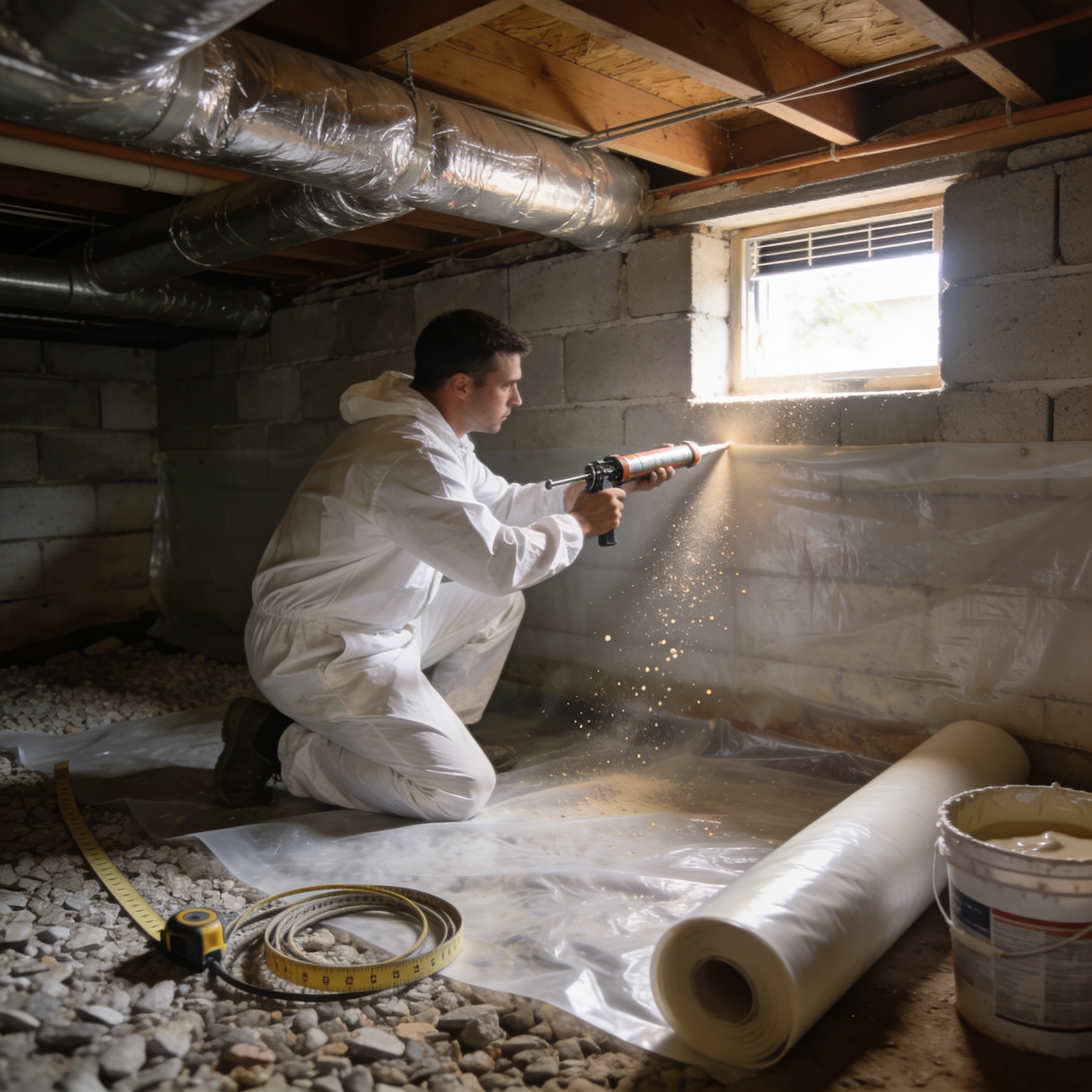
The average cost of crawl space encapsulation generally falls between $3 and $7 per square foot for a complete system. This price accounts for the vapor barrier, sealing materials, and labor required to transform a vented, damp crawlspace into a conditioned environment. In Southwest Florida, prices may skew higher due to the specialized drainage systems required to manage high water tables and seasonal storm surges. When comparing quotes, consider the cost in north carolina or other regions as a baseline, though local labor rates and specific crawl space needs will dictate your final quote. A reputable crawl space specialist will assess your unique crawl space conditions before providing a final estimate.
How Much Does It Cost to Encapsulate a 2000 Square Foot Crawl Space?
For a standard 2,000 square foot home, you should budget between $6,000 and $14,000 for a comprehensive crawl space encapsulation project. This estimate assumes the crawl space is in relatively good condition and does not require extensive structural repairs or mold remediation before the vapor barrier is installed. The total encapsulation cost is heavily influenced by the size of the crawl space and the specific materials used. If your property requires a heavy-duty sump pump or significant foundation repair, the total investment will likely trend toward the higher end of that spectrum.
What Factors Influence the Cost of Crawl Space Encapsulation?
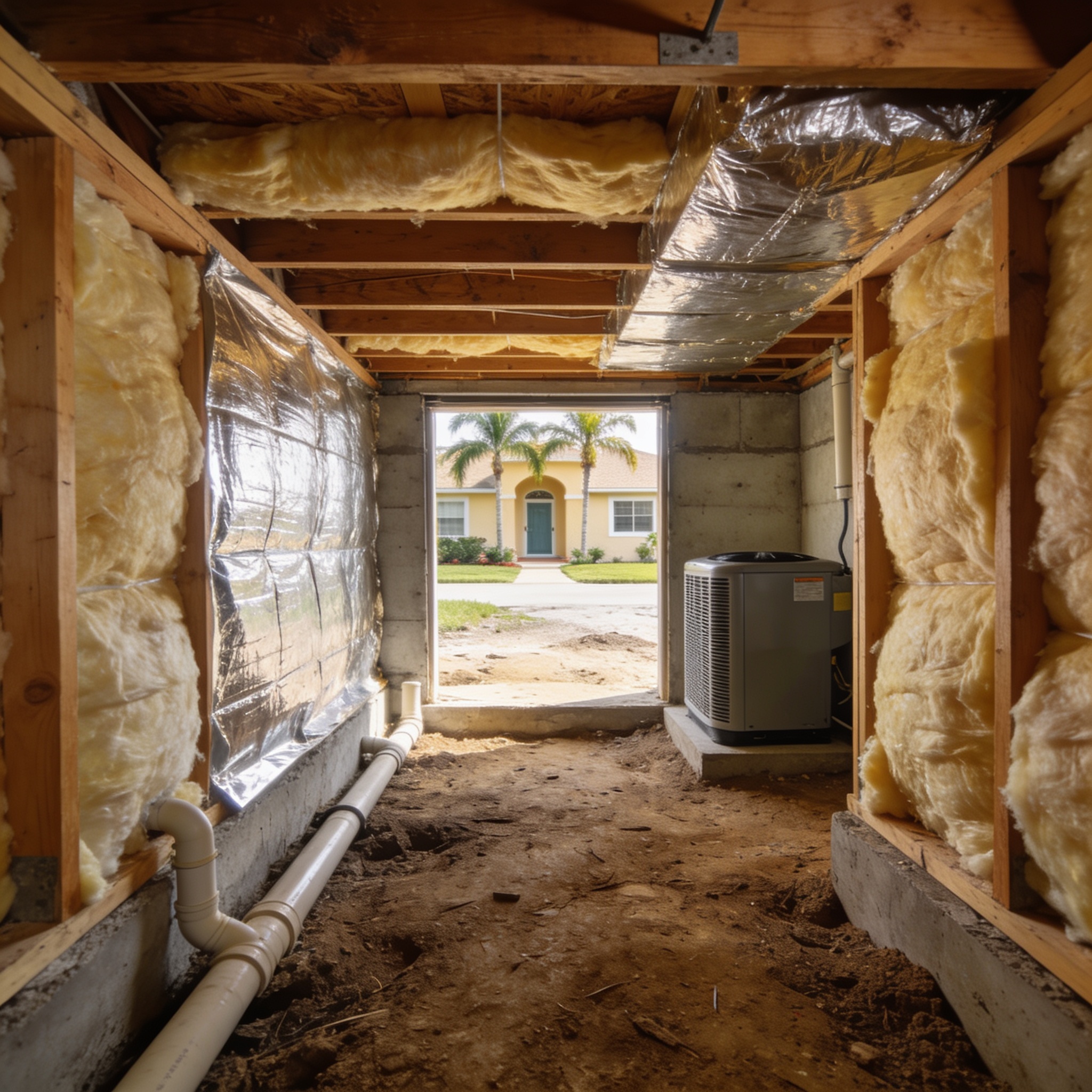
The condition of the crawl space is the primary variable that dictates the final price of the installation. If the area has existing rot, standing water, or structural damage, these must be addressed by professionals, as there are often necessary repairs before encapsulation can begin. Other factors include the thickness of the vapor barrier, the complexity of the drainage systems, and the need for a high-capacity dehumidifier.
Size and Accessibility
Larger crawl spaces require more materials and labor hours, directly increasing the total cost. Limited access points or low clearance can also add to the labor costs, as technicians must navigate tighter working conditions within these crawl spaces.
Existing Damage and Foundation Repair
If you have previously experienced flooding, you may need Water Damage Restoration or surrounding areas, to clear out debris and mold. Failing to remediate existing issues will lead to mold growth behind the new barrier, rendering the investment ineffective. A thorough crawl space inspection is required to identify if foundation repair is needed to stabilize the perimeter before sealing the crawl space.
What Is Included in a Typical Crawl Space Encapsulation Process?
A professional encapsulation system involves sealing all vents, installing a heavy-duty vapor barrier, and integrating a dehumidifier to maintain optimal moisture levels. This systematic approach ensures that the entire crawl space is isolated from the outside environment, which is crucial in Florida’s climate. The process typically follows these steps:
- Cleaning the crawl space floor and performing insulation removal to eliminate trapped moisture.
- Installing a high-quality, reinforced vapor barrier that covers the floor and extends up the foundation walls.
- Sealing all seams and penetrations to create an airtight environment through comprehensive air sealing.
- Installing a sump pump and drainage systems to manage potential water intrusion.
- Adding a dehumidifier to regulate humidity and improve air quality throughout the home.
What Are the Benefits of Crawl Space Encapsulation?
Encapsulating a crawl space significantly improves indoor air quality by preventing mold spores and musty odors from migrating into your living space. By controlling the moisture, you also protect your home from wood-destroying organisms like termites that thrive in damp, dark environments. Furthermore, sealing the crawl space can lead to lower energy bills, as the home’s climate control system operates more efficiently when you properly insulate the area. Maintaining dry crawl spaces is a key component of a healthy home.
What Are the Negatives of Crawl Space Encapsulation?
The primary drawback of this process is the high upfront cost, which can be a significant financial burden for some homeowners. Additionally, if the system is not installed correctly, it can trap moisture inside, potentially leading to faster structural damage. It is vital to hire a reputable contractor who understands the specific challenges of the Florida water table and soil composition.
Can I Encapsulate My Crawl Space Myself, or Should I Hire a Professional?
While DIY is technically possible, quality encapsulation is strongly recommended to ensure the system is properly sealed and moisture-proofed. Improper installation often leads to gaps in the vapor barrier, which can negate the benefits and lead to mold growth. Professionals also have access to industrial-grade dehumidifiers and specialized drainage equipment that are not typically available to the average homeowner.
Is Crawl Space Encapsulation Worth the Cost — and Does It Increase Home Value?
Most industry experts agree that full encapsulation is worth the cost because it prevents expensive structural damage and increases the resale value of your property. Prospective buyers in Southwest Florida are increasingly aware of the dangers of high humidity and are more likely to purchase a home with a pre-encapsulated crawlspace. It serves as a long-term insurance policy against the environmental risks inherent to living in a flood-prone coastal region.
Will Homeowners Insurance Cover Crawl Space Encapsulation?
Standard homeowners insurance policies typically do not cover the cost of crawl space encapsulation as it is considered a home improvement or maintenance expense. However, if your crawl space suffered damage due to a covered peril, such as a burst pipe, your insurance might cover the restoration costs associated with the cleanup. Always consult with your insurance provider in Port Charlotte or elsewhere in SWFL to understand what is covered under your specific policy regarding Water Damage Restoration services.
Frequently asked questions
Understanding the nuances of moisture control can help you make an informed decision for your property.
How often should an encapsulated crawl space be inspected?
You should have a professional inspection at least once a year to ensure the vapor barrier remains intact and the dehumidifier is functioning correctly.
Does encapsulation eliminate the need for a sump pump?
No, a sump pump is often a necessary component of the system to manage groundwater intrusion, especially in low-lying Florida areas.
Can I still use my crawl space for storage after encapsulation?
While you can store items, it is best to use plastic bins rather than cardboard, which can absorb moisture and attract pests.
How long does the encapsulation process typically take?
The time and cost of a standard encapsulation project usually take between two to five days, depending on the size of the space and the complexity of the repairs needed.
| Factor | Impact on Cost |
|---|---|
| Crawl Space Size | High |
| Existing Mold/Water | High |
| Type of Vapor Barrier | Medium |
| Sump Pump Installation | Medium |
Our editorial team verifies licensing and reviews for every restoration company in the directory and writes practical, Florida-specific guides to help homeowners act fast and protect their insurance claims after water, fire, mold or storm damage.