Hurricane Deductible Florida: What Homeowners Need to Know
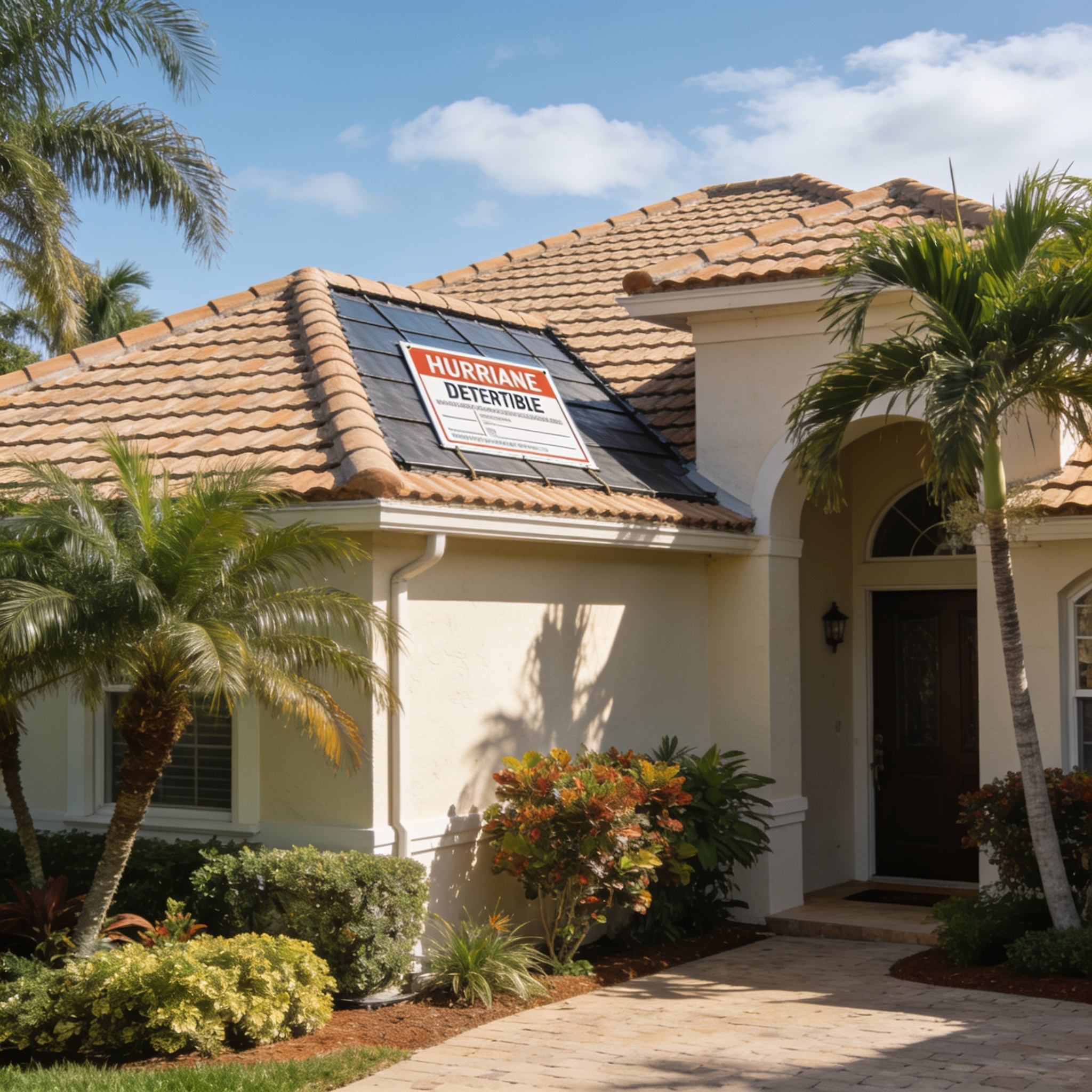
A hurricane deductible in Florida typically ranges from 2% to 10% of your home’s insured value, meaning on a $500,000 home, you could pay between $10,000 and $50,000 out-of-pocket before insurance kicks in. Understanding your hurricane deductible is essential for any homeowner in Southwest Florida to avoid financial shock after a major storm. This guide clarifies how these costs function under Florida property insurance laws, including how your insurance coverage interacts with a specific florida hurricane deductible.
Key Takeaways
- Hurricane deductibles are calculated as a percentage of your total dwelling coverage rather than a flat dollar amount.
- The deductible is triggered only when the hurricane center of the national weather service issues an official hurricane warning for your specific area.
- Florida law requires insurance companies to offer various deductible options, typically ranging from 2% to 10%.
- You only pay this year hurricane deductible once per calendar year, even if multiple storms strike your property.
- Standard homeowners insurance policies do not cover flood or storm surge damage, which requires separate flood insurance policies.
- If you want the insurance coverage to be effective, you must understand how your hurricane deductible impacts your total claim payout.
What Is a Hurricane Deductible and When Does It Apply in Florida?
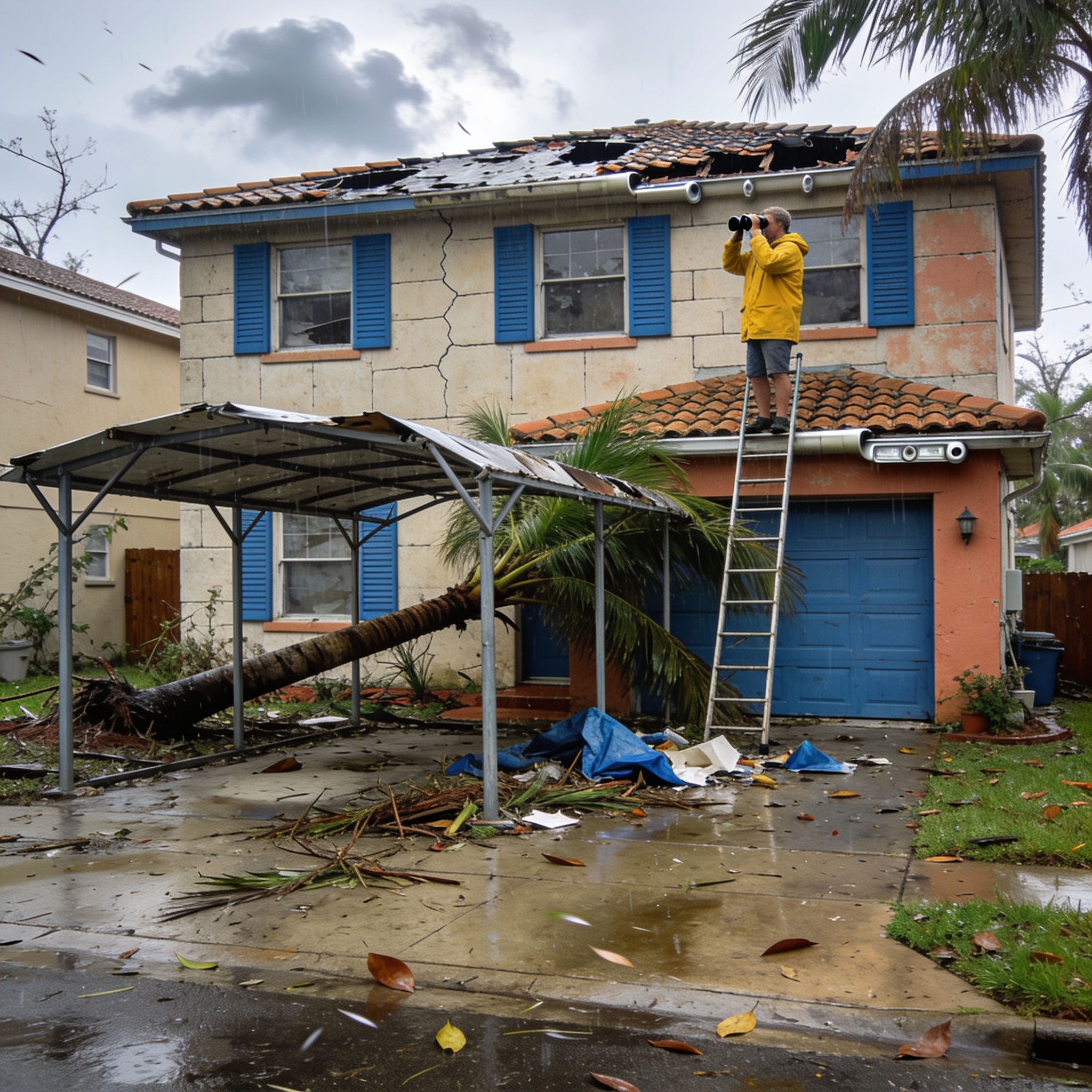
A hurricane deductible is a specific cost-sharing mechanism that applies only to damage caused by a declared hurricane event. This financial requirement is activated when the hurricane center of the national weather service issues a hurricane warning for any part of Florida. Once the warning is lifted, the deductible remains in effect for 72 hours following the termination of the last hurricane watch or hurricane warning issued for Florida by the national hurricane center. If you experience damage caused by a hurricane during this window, your insurer applies this specific deductible instead of your standard policy deductible. When a storm is declared a hurricane, the hurricane deductible applies separately to the dwelling coverage as described in your policy.
Triggering the deductible
The system relies on official meteorological data rather than subjective storm severity. When a hurricane watch or hurricane warning is issued, your insurance provider monitors the event to determine if the hurricane deductible applies. If you need immediate assistance after a storm, professional Storm Damage Repair Companies in Southwest can help assess the structural integrity of your property.
How Does a Hurricane Deductible Differ from a Standard Homeowners Deductible?
Standard deductibles are usually fixed dollar amounts, whereas a hurricane deductible is calculated as a percentage of your home’s total insured dwelling coverage. While a standard deductible might be $1,000 or $2,500 for general perils like fire or theft, the hurricane deductible is designed to offset the massive financial risk insurance companies face during catastrophic events. This separate hurricane deductible is a mandatory feature of most property insurance policies in high-risk areas like Lee, Collier, and Charlotte counties. If you choose a higher deductible, you may lower your premiums, but you must be prepared for the out-of-pocket costs.
Distinguishing between perils
If your roof is damaged by a non-hurricane wind event, your standard deductible applies. However, if the damage is confirmed as resulting from a covered hurricane, the percentage deductible is applied. Always check your policy language to see if your coverage includes an inflation guard, which adjusts your dwelling coverage—and consequently your deductible—to account for rising construction costs. In these instances, the deductible applies instead of your standard policy deductible.
How Does a Hurricane Deductible Work in Florida?
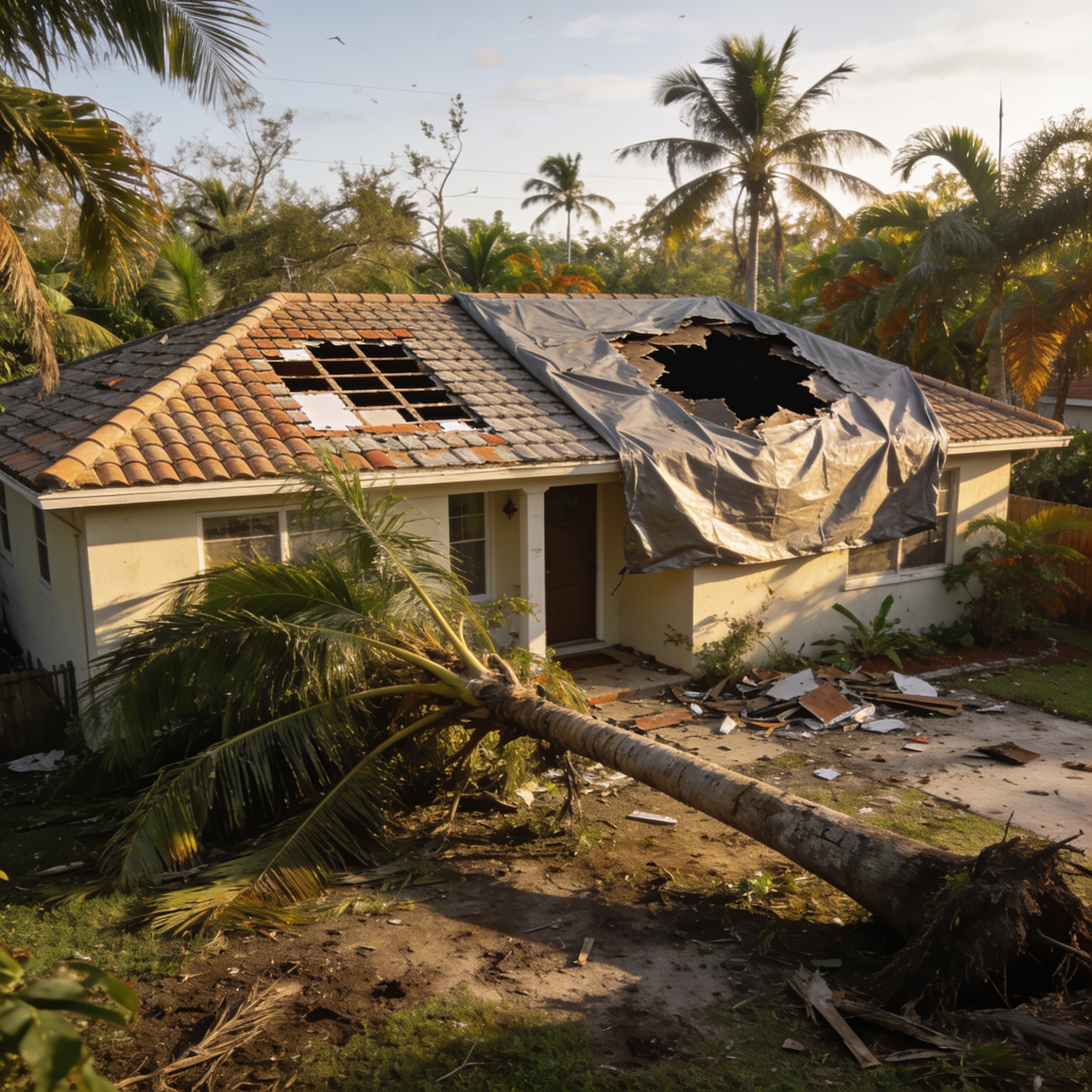
Understanding how a hurricane deductible work in florida is vital for managing your florida insurance expectations. When a storm hits, the deductible that applies is based on your dwelling limit. A hurricane deductible may vary based on your choice at the time of purchase. An experienced insurance agent can explain how your specific deductible would be calculated. Note that the deductible applies separately to the dwelling coverage, and a separate roof deductible may also be present in some modern policies. Furthermore, the hurricane deductible would be applied on a basis to all covered hurricane losses that occur within the same calendar year.
Amount of Your Hurricane Deductible
The amount of your hurricane deductible is determined by multiplying your dwelling coverage limit by the specific percentage selected in your policy. For example, if your home is insured for $500,000 and you have a 2% hurricane deductible, your out-of-pocket cost is $10,000. This calculation is standardized across the industry to ensure consistency for Florida homeowners. You must ensure your hurricane deductible percentage is clearly outlined in your policy documents.
| Dwelling Coverage | Deductible Percentage | Out-of-Pocket Cost |
|---|---|---|
| $300,000 | 2% | $6,000 |
| $500,000 | 5% | $25,000 |
| $1,000,000 | 10% | $100,000 |
| $500,000 | 0.1% (e.g., $500 hurricane deductible) | $500 |
| Hurricane 1 | Hurricane 2 | Combined Event Deductible |
Understanding Your Hurricane Claim
A 2 percent hurricane deductible means you are responsible for the first 2% of your home’s insured value before the insurance company issues any payment for a hurricane claim. If your home suffers $50,000 in damage from a hurricane and your deductible is $10,000, the insurance company covers the remaining $40,000. It is vital to document all damage thoroughly, as the deductible is subtracted from the total settlement offer under the policy. Any hurricane loss for one event will be tracked against your hurricane deductible balance.
Florida Homeowners and Hurricane Coverage
Florida law requires insurance companies to offer policyholders a range of hurricane coverage options, typically including 2%, 5%, and 10% deductibles. Choosing a higher percentage deductible will lower your annual premium, but it significantly increases your financial exposure if a major storm hits. Before deciding, consider your ability to cover the deductible amount in an emergency. Insurance providers must offer hurricane deductible options that align with state regulations. If you find yourself dealing with secondary issues like moisture buildup, you may need to search for mold remediation near me to prevent further structural degradation.
How Many Times Do You Pay a Hurricane Deductible in a Single Year?
You are only required to pay the full hurricane deductible once per calendar year, regardless of how many hurricanes impact your property. If a second storm hits later in the same hurricane season, the insurer will apply any remaining balance from your previous deductible payment toward the new claim. This protects homeowners from being penalized multiple times for consecutive events. The hurricane deductible must be satisfied before the insurer pays for subsequent damage.
Is a $5,000 Deductible High for Homeowners Insurance — and What Should Your Hurricane Deductible Be?
A $5,000 deductible is considered relatively standard for a primary homeowners policy, but it is rarely an option for a hurricane deductible. Because hurricane damage often involves catastrophic losses, insurers use percentage-based deductibles to manage their total liability. Your choice should depend on your liquid savings and the age of your home. If you have an older roof, you might consider professional services like Water Damage Restoration in Cape Coral to mitigate minor damage before it escalates into a major claim. Note that the deductible under the policy may differ significantly from your standard deductible.
How Much Is Homeowners Insurance on a $500,000 House in Florida?
The average cost of homeowners insurance in Florida for a $500,000 home currently exceeds $4,000 to $6,000 annually, though this varies significantly by location and age of construction. Coastal properties in Southwest Florida often face higher premiums due to the increased risk of storm surge and wind damage. Insurance companies evaluate your home’s proximity to the coast, wind mitigation features, and the specific deductible you choose when calculating your final quote. You should also consider adding hurricane insurance riders if your standard policy is limited.
What Are the Best Ways to Lower Your Hurricane Deductible in Florida?
The most effective way to lower your financial burden is to invest in wind mitigation improvements that may qualify you for premium discounts or lower deductible tiers. Installing hurricane shutters, impact-resistant windows, or reinforced roof-to-wall connections can make your home more resilient. While these upgrades do not change the percentage of your deductible, they reduce the likelihood of filing a claim in the first place. Be aware that at the time a hurricane warning is issued, you cannot change your coverage terms.
The 5 visual signs of hurricane damage
- Missing or damaged roof shingles that expose the underlayment to water intrusion.
- Cracks in the home’s exterior stucco or siding caused by wind-blown debris.
- Water stains on ceilings or walls, indicating a breach in the roof or window seals.
- Broken or shattered window glass that allows wind and rain to enter the living space.
- Standing water or saturated flooring inside the home, which often requires immediate professional extraction.
Frequently asked questions
These common inquiries address the most frequent concerns regarding property insurance and storm damage in the Florida region.
Does my hurricane deductible cover flood damage?
No, a hurricane deductible applies only to wind-related damage; flooding or storm surge damage requires a separate flood insurance policy. You may also be subject to a separate deductible for other types of water damage.
What happens if the hurricane damage is less than my deductible?
If the total cost of repairs is less than your deductible amount, the insurance company will not pay for the repairs, and you must cover the full cost out-of-pocket. The deductible under the policy is the threshold you must exceed.
Can I change my deductible during hurricane season?
Most insurance companies place a moratorium on policy changes, including deductible adjustments, once a hurricane watch or warning is issued for your area.
How do I know if my damage was caused by a hurricane?
Your insurance adjuster will review meteorological reports from the National Hurricane Center to determine if the damage occurred during a period when a hurricane warning was in effect.
Is the hurricane deductible based on the cost of repairs or the home’s value?
The deductible is based on the total dwelling coverage limit stated in your policy, not the actual cost of the specific repairs needed.
Our editorial team verifies licensing and reviews for every restoration company in the directory and writes practical, Florida-specific guides to help homeowners act fast and protect their insurance claims after water, fire, mold or storm damage.