How to Sanitize a Basement After a Flood: A Step-by-Step Recovery Plan
The total cost to sanitize a basement after a flood typically ranges between $2,000 and $7,000 depending on the square footage and the level of contamination, but the decisive factor for your recovery is acting within the first 24 to 48 hours to prevent permanent structural damage. Learning how to sanitize a basement after a flood requires a systematic approach to water removal, drying, and disinfection to protect your SWFL property from lingering mold growth and health hazards. Understanding the different types of water—from clean water to contaminated sewage—is the first step in restoring your space safely. You must also address hidden issues, such as a burst pipe that may have contributed to the flooding, and manage moisture from the air to prevent secondary humidity damage.
Key Takeaways
- Prioritize safety by turning off electricity and gas before entering any standing water.
- Document all damage with photos and videos for your insurance provider before beginning the cleanup.
- Use a submersible pump to remove standing water before attempting to mop or dry surfaces.
- Ensure the basement is completely dry using a high-capacity dehumidifier to prevent mold and mildew.
- Consult with a professional if the flood water contains sewage or if the water level exceeds several inches.
What Are the Immediate Steps to Take After a Basement Flood?
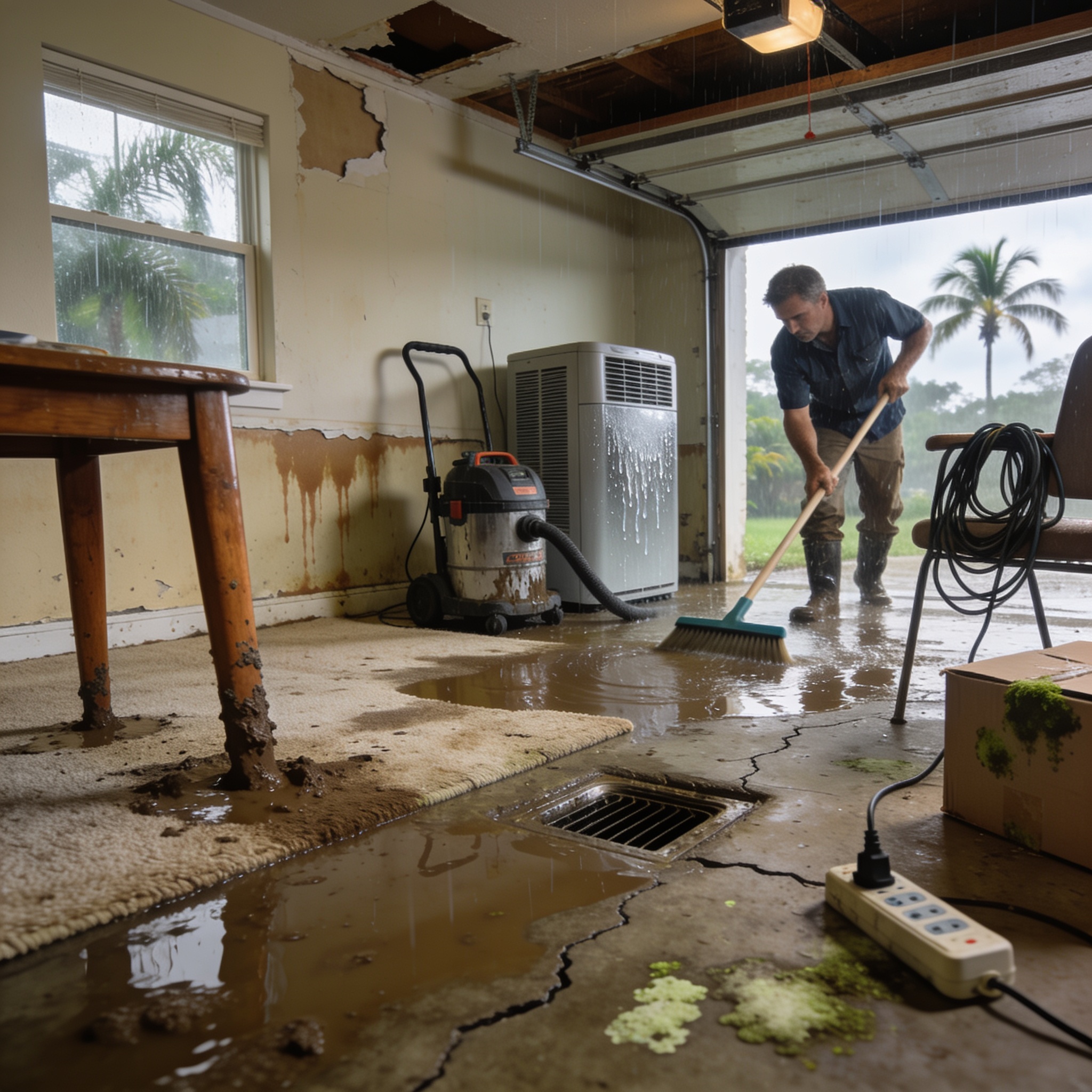
The first priority when dealing with a flooded basement is ensuring the safety of all occupants by cutting off power and gas supplies. SWFL residents should be particularly cautious of electrical equipment submerged in flood water, as this creates an immediate electrocution hazard. Contact your gas company and electric provider to disconnect services if you cannot safely reach the main breaker or gas valve. Before you begin the cleanup process, document every room with high-resolution photos and videos to support your insurance claims. If you suspect flooding or sewer backups, call an expert immediately to avoid exposure to pathogens. According to the Federal Emergency Management Agency (FEMA), this documentation is essential for verifying losses under the National Flood Insurance Program (NFIP).
What Tools and Supplies Do You Need for Basement Flood Cleanup?
Equipping yourself with the correct personal protective equipment and heavy-duty tools is essential for a safe and effective restoration. You will need rubber boots, heavy-duty gloves, and N95 masks to protect against bacteria and mold spores. Essential tools include a submersible pump, a high-capacity shop vac, a squeegee, and a moisture meter to track the drying process. For disinfectant needs, stock up on EPA-approved cleaning agents, and keep a supply of warm water on hand to help dissolve stubborn grime during the scrubbing phase, as simple soap and water are often insufficient for sanitizing porous surfaces after a flood.
How Do You Remove Standing Water from a Flooded Basement?
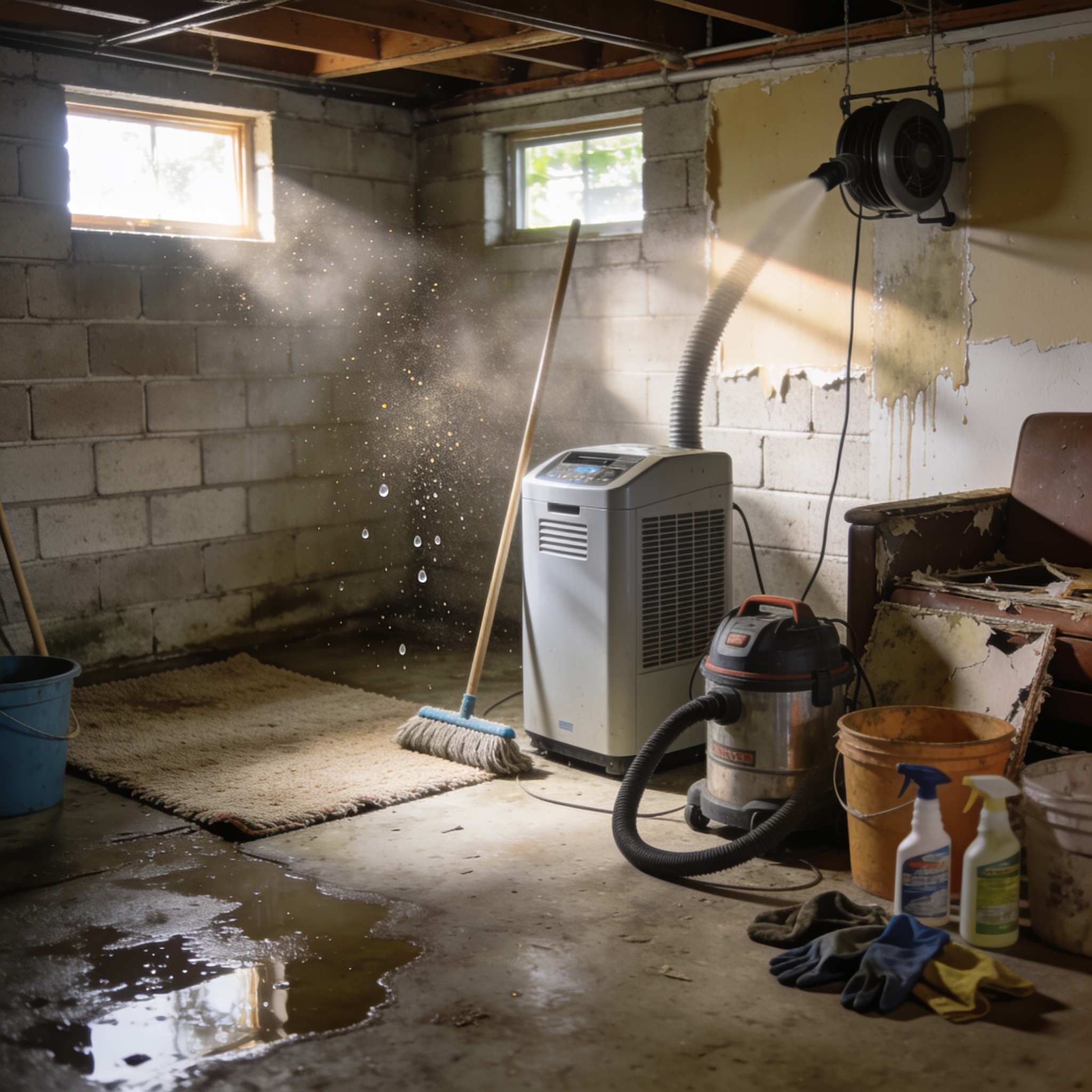
Removing standing water requires the use of a submersible pump to extract large volumes of liquid before you can address the remaining moisture. If you need to clean a flooded basement, start by checking your floor drain to ensure it isn’t clogged with water and sediment. Once the bulk of the water is gone, use a shop vacuum to suck up water from corners and low spots. If you are in a low-lying area, ensure that the water you pump out is directed away from your home’s foundation. For large volumes of water, call in a professional to prevent structural compromise. For persistent water issues, consider professional water damage restoration services to ensure the area is fully dry.
What Items Should Be Thrown Away or Saved After a Basement Flood?
Porous materials that have been saturated by floodwater for more than 24 hours should generally be discarded to prevent long-term mold and mildew growth. This includes items like carpet, padding, drywall, and upholstered furniture that cannot be thoroughly sanitized; you may need to pull up the carpet to inspect the subfloor. Non-porous items like plastic bins, metal shelving, and concrete surfaces can often be saved if they are clean and dry. Always check with your insurance provider before throwing away large items, as they may require an inspection to verify the extent of the water damage.
How Long Does It Take to Dry Out a Basement After a Flood?
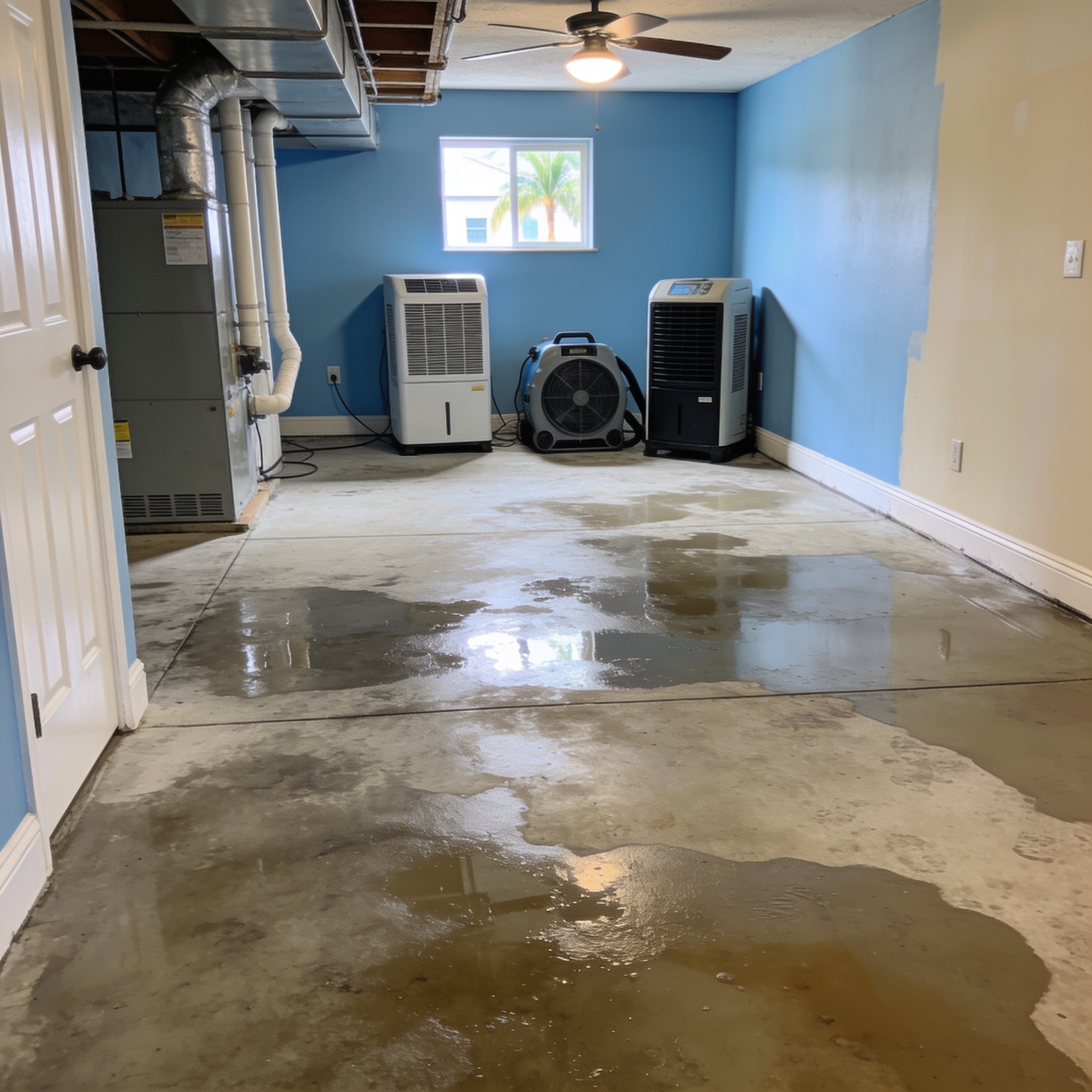
The drying process for a basement typically takes between three to seven days depending on the humidity levels and the efficiency of your equipment. In the humid climate of Southwest Florida, relying on open windows is rarely enough to lower the humidity sufficiently to stop mildew. You must utilize a commercial-grade dehumidifier and industrial fans to circulate air and air dry the area. Using a moisture meter is the only way to confirm that the substrate is dry enough to begin the rebuilding phase.
How Do You Disinfect and Clean a Basement After a Flood?
Cleaning and restoration of a basement must focus on removing sediment and debris before applying a disinfectant to all affected surfaces. Start by scrubbing concrete floors with a heavy-duty detergent and clean water to remove the film left by the flood. Once the surfaces are clean, apply an EPA-registered disinfectant to kill bacteria. You must clean and disinfect all surfaces, including wall cavities if the drywall was removed. If you are located in areas prone to storm surges, you may need specialized Water Damage Restoration in Sanibel to handle the high levels of silt and contamination.
What Kills Mold After a Flood — and What Are the Best Products to Use?
The most effective way to kill mold after a flood is to use professional-grade antimicrobial solutions that penetrate porous materials. While many homeowners reach for bleach, it is often ineffective on porous surfaces like wood or drywall because it cannot penetrate the root structure of the mold. Instead, look for products specifically labeled as fungicides or mold inhibitors that are safe for indoor use. Always follow the manufacturer’s instructions to ensure the product is applied correctly for maximum efficacy.
What Are Effective Alternatives to Bleach for Cleaning a Concrete Basement Floor After a Flood?
Using hydrogen peroxide or distilled white vinegar provides a safer and often more effective alternative to bleach for sanitizing concrete basement floors. These solutions are less harsh on the lungs and do not produce the toxic fumes associated with mixing cleaning chemicals. Hydrogen peroxide is particularly effective at oxidizing organic matter and killing mold spores on contact. For stubborn stains, a mixture of baking soda and water can act as a mild abrasive to help lift residue from the concrete pores.
When Should You Call a Professional for Flooded Basement Cleanup?
You should call a professional if the floodwater is suspected of containing sewage or if the water damage has affected the electrical or structural integrity of your home. Dealing with a flooded basement that involves sewer backups requires specialized hazardous material training and equipment that most homeowners do not possess. A qualified water damage restoration company can provide the necessary documentation for your insurance claims and ensure that the structure is safe for occupancy. If you are in the Sanibel area, professional Water Damage Restoration is recommended after any significant storm event.
How Can You Prevent Future Basement Flooding?
Preventing future basement flooding requires a combination of exterior drainage improvements and internal monitoring systems. Ensure your gutters and downspouts are clear of debris and directed at least six feet away from your foundation. Shutting off the main water supply during a storm can also prevent secondary damage if pipes burst. Installing a high-quality sump pump with a battery-powered backup system is essential for protecting your basement during the heavy rain common in Southwest Florida, especially in the event of a sump pump failure. Finally, consider installing a water leak sensor that alerts your smartphone the moment moisture is detected.
Frequently asked questions
Below are common concerns regarding the cleanup process for flooded basements in Florida.
Is it safe to use bleach on mold?
Bleach is generally not recommended for porous surfaces because it only kills mold on the surface and does not prevent regrowth in the material’s fibers.
What should I do if my sump pump fails?
If your sump pump failure occurs, immediately remove the water using a wet-dry vac and contact a plumber or restoration expert to replace the unit and assess the damage.
Does my standard homeowners insurance cover flood damage?
Most standard homeowners insurance policies do not cover flood damage; you typically need a separate flood insurance policy through the NFIP.
How do I know if the basement is dry enough?
You can verify that the basement is dry by using a moisture meter to check the levels in your walls and floors, ensuring they return to baseline readings.
What are the 5 visual signs of black mold?
- Visible dark spots or patches on walls, ceilings, or floors.
- A persistent musty or earthy odor that does not go away after cleaning.
- Discoloration or warping of drywall, wood trim, or baseboards.
- Visible water stains that continue to spread or darken over time.
- Peeling or bubbling paint and wallpaper caused by moisture trapped behind the surface.
Our editorial team verifies licensing and reviews for every restoration company in the directory and writes practical, Florida-specific guides to help homeowners act fast and protect their insurance claims after water, fire, mold or storm damage.