How to Prevent Sewage Backup During Flood Events: Essential Home Protection
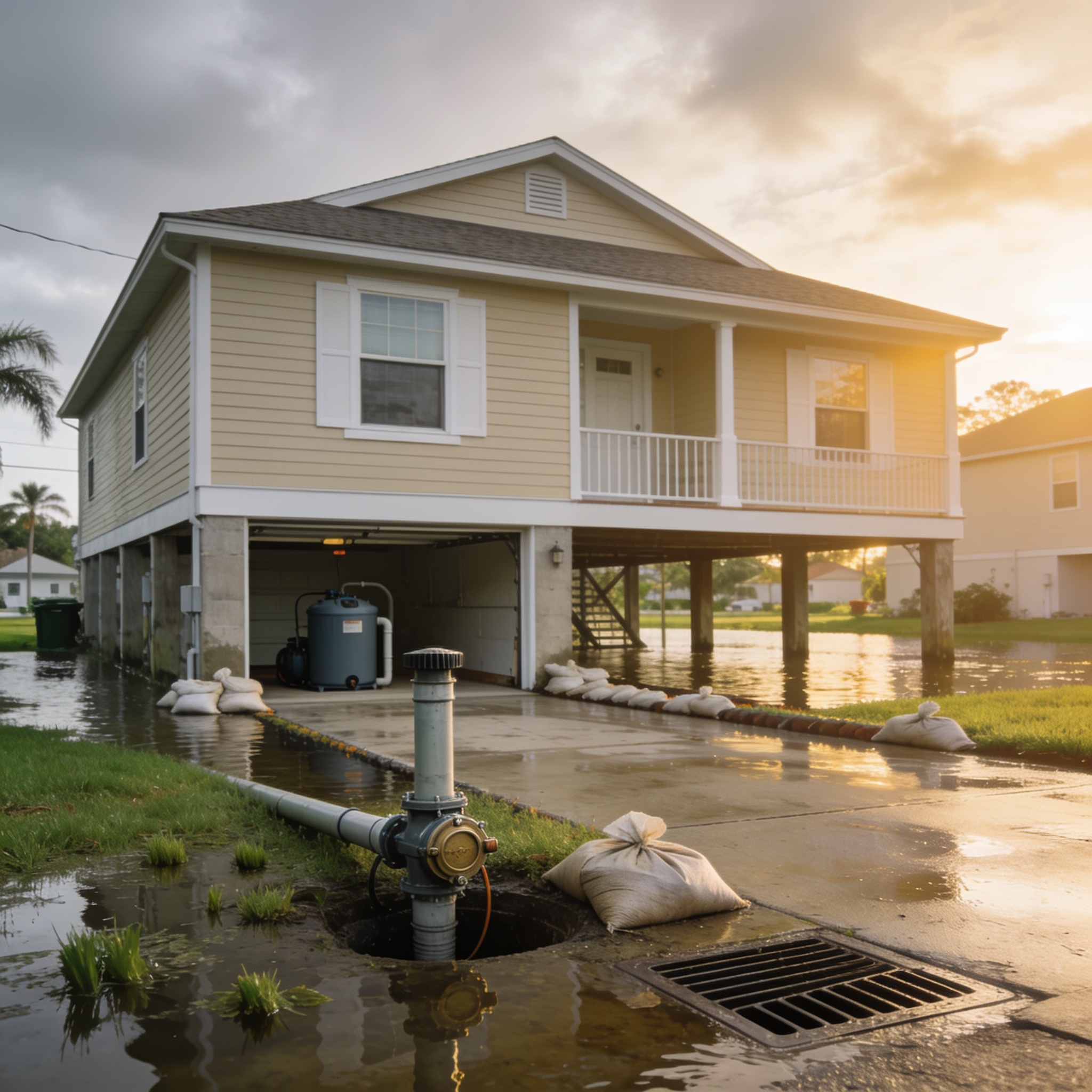
Preventing a sewage backup during flood events typically requires a one-time investment of $800 to $2,500 for a professional backwater valve installation, which serves as the most effective barrier against property loss. Understanding how to prevent sewage backup during flood conditions is critical for residents in Southwest Florida, where heavy rainwater and high groundwater levels often overwhelm municipal plumbing systems. To protect your home from the risks of water and sewage intrusion, homeowners must be proactive in maintaining their private lines.
Key Takeaways
- Installing a backflow valve is the primary mechanical defense against backflow into your home.
- Regular inspection of your sewer lateral helps identify root intrusion and potential blockages before a storm hits.
- Never connect downspouts or sump pumps to the sanitary sewer system, as this illegal practice contributes to system overload.
- Standard homeowners insurance rarely covers sewage backing unless you have a specific endorsement or rider.
- Professional restoration services should be contacted immediately if contamination occurs to mitigate health risks.
What Are the Causes of Sewer Backups and How to Prevent Sewer Flooding?
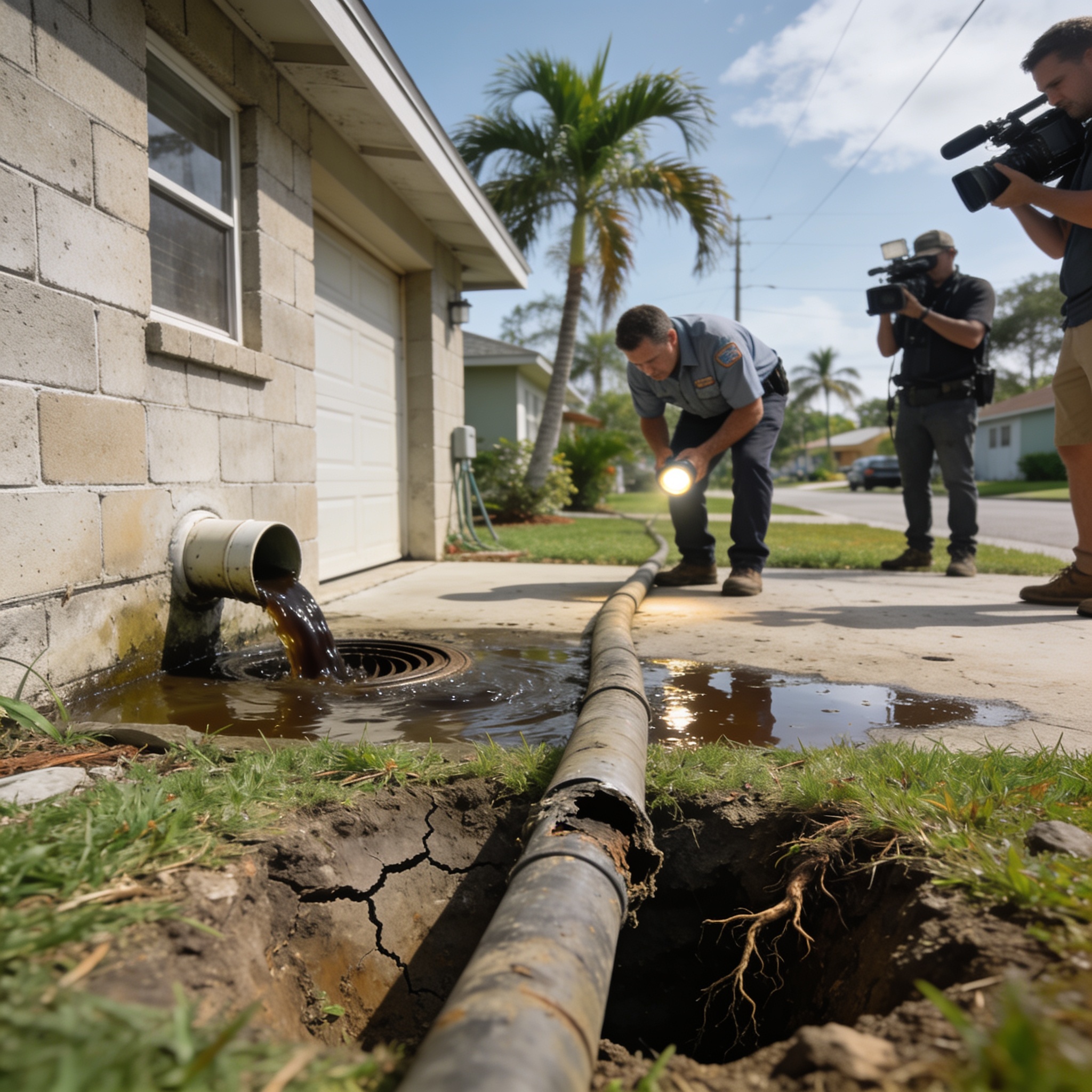
The primary causes of sewer backups during severe weather are related to the surcharging of municipal sanitary sewer lines when they become inundated with excess water. During heavy rain, storm water often infiltrates the sewer system through cracked pipes or illegal cross-connections, leading to an overflow of the main sewer line. In older homes, sewer pipes may deteriorate, allowing groundwater to enter the system and increase the volume of runoff. City officials often warn that this added pressure can force raw sewage to move backward through the sewer lateral and into residential plumbing fixtures. In Southwest Florida, the flat topography and high water table mean that even moderate rainfall can saturate the ground, putting immense pressure on the underground infrastructure and municipal treatment plants.
What Are the Signs of an Impending Sewer Backup?
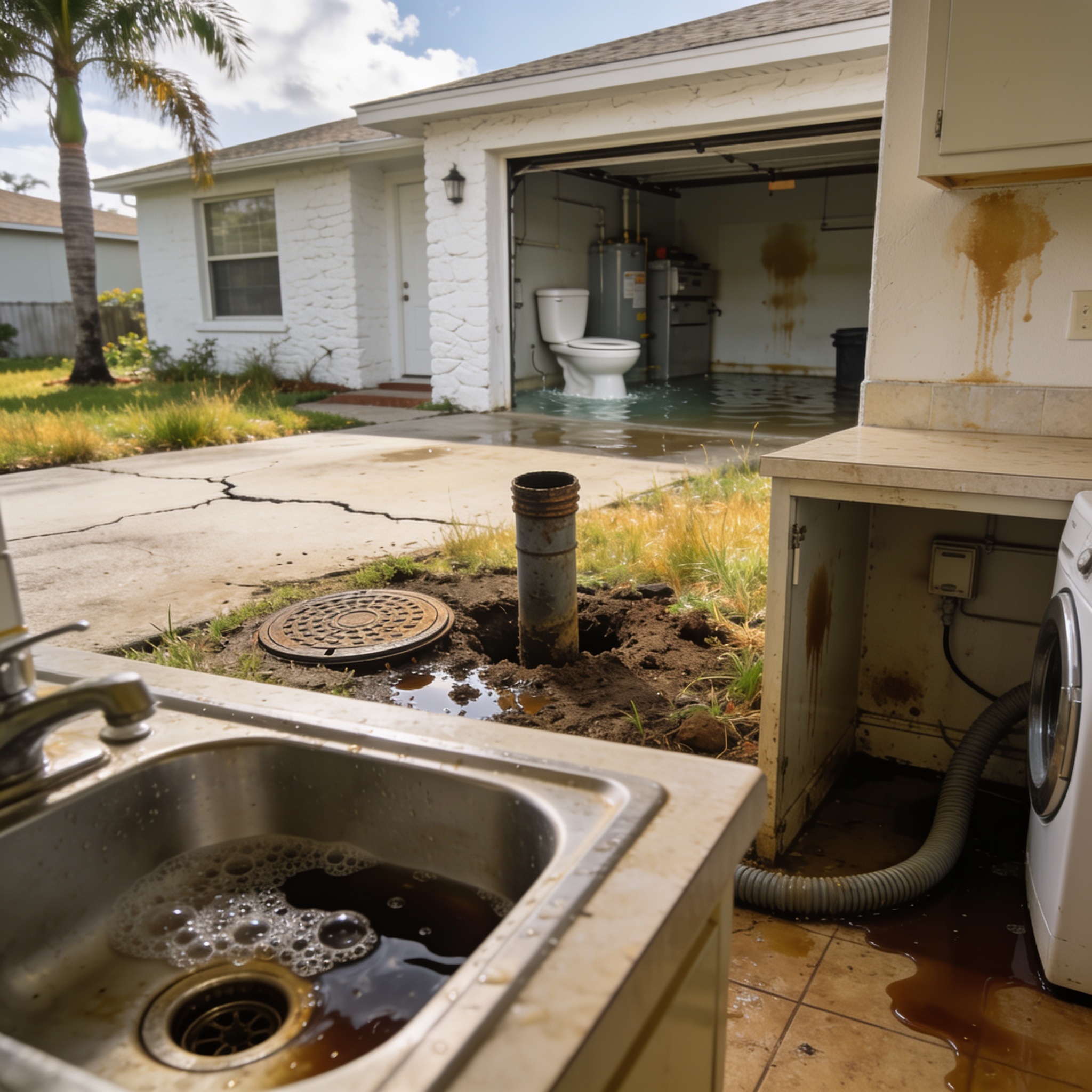
Recognizing the early signs of a sewer backup allows you to take defensive action before your home is compromised by waste. Common indicators include gurgling sounds coming from your toilet or drain, or multiple plumbing fixtures draining significantly slower than usual. You should investigate your property for signs of a sewer backup if you notice slow drains, water pooling around floor drains, or foul odors emanating from your pipes. These symptoms often suggest a partial clog or a system that is struggling to handle the current volume of water flow.
How Can You Help Prevent Sewage Backup During a Flood?
To help prevent sewage backup effectively, you must eliminate sources of excess water that enter your private plumbing system. This includes ensuring that your roof downspouts and sump pump discharge are directed away from your home’s foundation and never into the sanitary sewer. Homeowners must ensure that no foreign objects, grease, or non-flushable paper products are flushed or poured into the drain system during high-water events. By limiting the load on your internal plumbing, you help prevent the system from reaching a critical failure point during periods of heavy rainfall or when the area is prone to flooding.
What Are Backflow Devices and How Do They Prevent Sewer Backups?
A backflow valve is a specialized mechanical device designed to allow water to flow in only one direction—out of your home—while automatically closing to prevent sewage from entering. When the valve is properly installed on your main sewer line, it acts as a gate that shuts when it detects reverse pressure. This valve allows for normal drainage while providing a critical barrier. This critical component ensures that if the city sewer system becomes overwhelmed, the sewage is physically blocked from traveling back into your home. These valves are essential for homes in low-lying areas where flooding is imminent during tropical events.
What Steps Can You Take in the Event of a Sewer Backup?
The 5 steps to stop sewage from backing up into your home include:
- Install a backwater prevention valve: Have a licensed plumber install a backwater prevention valve on your main sewer line to create a permanent, automated barrier.
- Use test plugs: Keep heavy-duty rubber test plugs on hand to manually seal floor drains if you receive an emergency flood warning.
- Install a standpipe: Fit your basement floor drains with a standpipe, which creates a vertical extension that prevents water from spilling out onto the floor.
- Disconnect illegal connections: Ensure your sump pump and downspouts are disconnected from the sanitary sewer to prevent unnecessary hydraulic overload.
- Schedule regular inspections: Have a professional perform a camera inspection of your sewer lateral and cleanout annually to clear root intrusion and debris.
What Is the Homeowner’s Responsibility for Sewer Maintenance?
The homeowner is generally responsible for maintaining the sewer lateral from the house to the point where it connects to the city’s main sewer line. Neglecting this maintenance can lead to root intrusion, where trees near your property infiltrate the pipes and cause major blockages. Regular maintenance, including professional cleaning of the pipes, is the most effective way to prevent sewer backups caused by structural deterioration. If you live in an area with mature vegetation, you should consider installing a proactive cleaning schedule to keep your lines clear and prevent a sewage pipe failure.
What Should You Do Immediately If a Sewage Backup Occurs — and How Do You Clean It Up Safely?
If a sewage backup occurs, your first priority must be personal safety; turn off the main power if the area is wet—especially during power outages—and avoid contact with any water and sewage. You should contact a professional for flood cleanup immediately, as raw sewage contains pathogens that pose severe health risks. Professional remediation teams utilize specialized equipment to sanitize the environment and prevent long-term damage to your home. Attempting to clean up a large-scale contamination yourself can lead to further property loss and hazardous exposure, especially in cases of basement flooding. Note that certain chemicals used in cleaning can cause some waste materials to solidify, making professional removal necessary.
Is Sewer Backup Damage Covered by Flood Insurance?
Sewer backup damage is typically excluded from standard homeowners insurance policies and is often not covered by basic National Flood Insurance Program (NFIP) policies. You must check with your insurance professional to see if you have a specific endorsement for “water and sewer backup.” Without a specific rider, the financial burden of repairing damage to your home from a sewer backup falls entirely on the property owner. Always review your policy annually to ensure your coverage limits are adequate for 2026 property values and to protect against the high costs associated with flooded basements.
Can You Sue the City for Sewage Backup?
Suing the city for a sewage backup is a complex legal process that often depends on proving negligence in the maintenance of the municipal sewer system. While some municipalities may offer compensation, they often claim immunity unless it can be proven that they were aware of a defect and failed to act. Documenting every detail of the event is essential if you intend to pursue a claim against local government agencies. For residents in need of expert assistance, resources like Water Damage Restoration in Cape Coral or Water Damage Restoration can help provide the necessary documentation for your insurance or legal claims.
Frequently asked questions
The following questions address common concerns regarding sewer system protection in Florida.
Do all homes need a backwater valve?
While not required in every house, they are highly recommended for homes with basement plumbing or those located in low-lying flood zones. We suggest you have a licensed plumber install a backwater valve to ensure it meets local codes.
Can tree roots cause a sewer backup?
Yes, root intrusion is one of the most common causes of sewer backups, as roots seek out moisture and can easily penetrate aging pipes.
What should I do if I see sewage in my yard?
Stay away from the area, keep children and pets indoors, and contact your local public works department or a licensed plumber immediately.
Are floor drains always a risk?
Floor drains are the most common entry point for sewage during a backup, which is why installing a valve or using a plug is so important.
Our editorial team verifies licensing and reviews for every restoration company in the directory and writes practical, Florida-specific guides to help homeowners act fast and protect their insurance claims after water, fire, mold or storm damage.