How Long Does It Take to Dry a Flooded House? A Professional Timeline
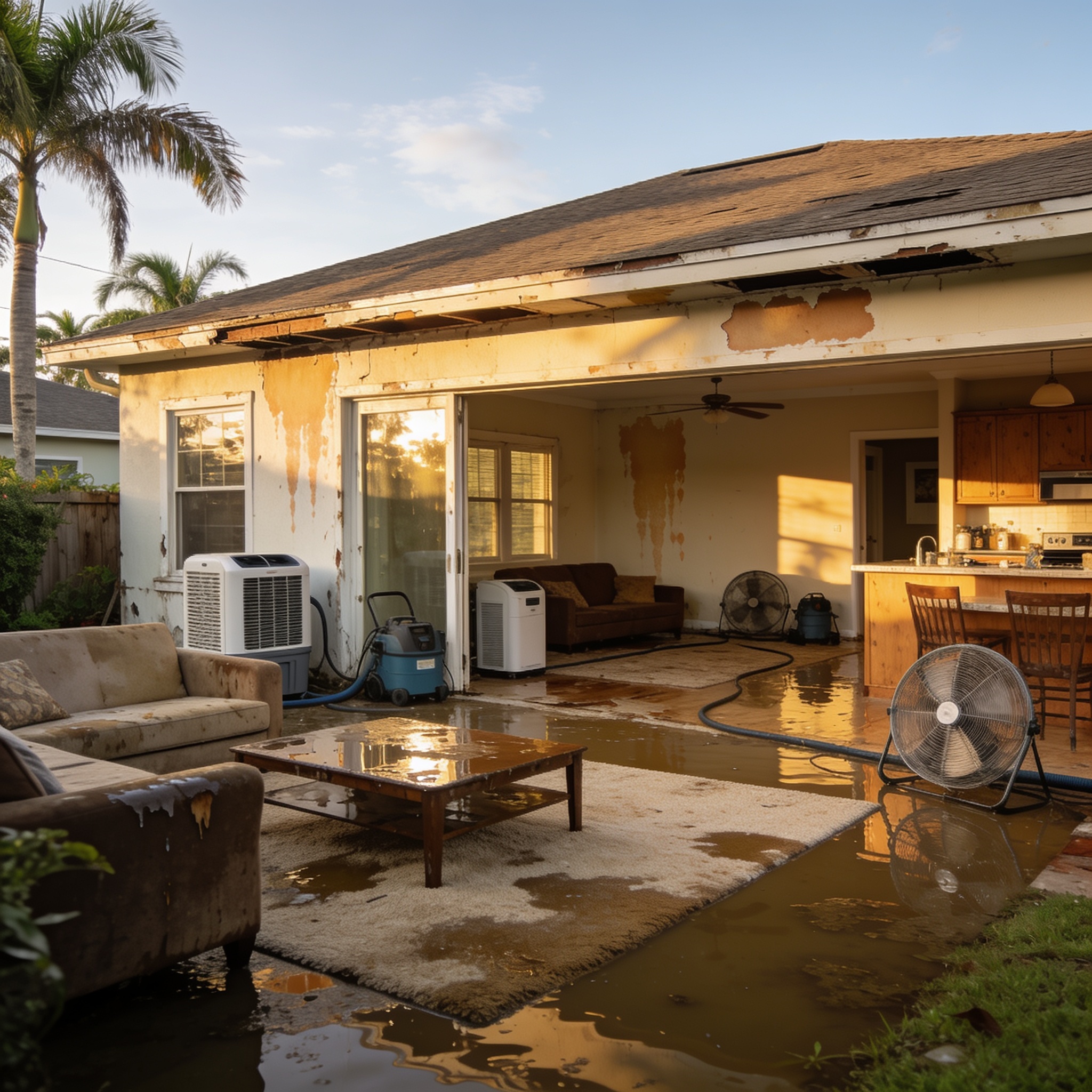
It typically takes between 3 to 7 days to dry a flooded house, though the precise duration depends on the saturation level of structural materials and the specific humidity conditions in Southwest Florida. Understanding how long does it take to dry a flooded house is critical for homeowners in Lee, Collier, and Charlotte counties, where tropical moisture often complicates the drying process after a storm or plumbing failure. Dealing with water damage requires immediate action to mitigate the severity of water impact on your property. If you suspect the issue stems from faulty plumbing, identifying the source is the first step to stop the influx of water.
Key Takeaways
- Professional drying usually requires 3 to 7 days for standard water intrusion.
- High indoor humidity in Florida can significantly extend the time it takes to dry a flooded house.
- Immediate water extraction is the most effective way to prevent secondary structural damage and expensive damage.
- The IICRC S500 standard dictates that drying must be verified with moisture meters before reconstruction begins.
- Contacting your insurance company early is essential to document the claim and authorize professional drying equipment.
How Long Does It Take to Dry a Flooded House?
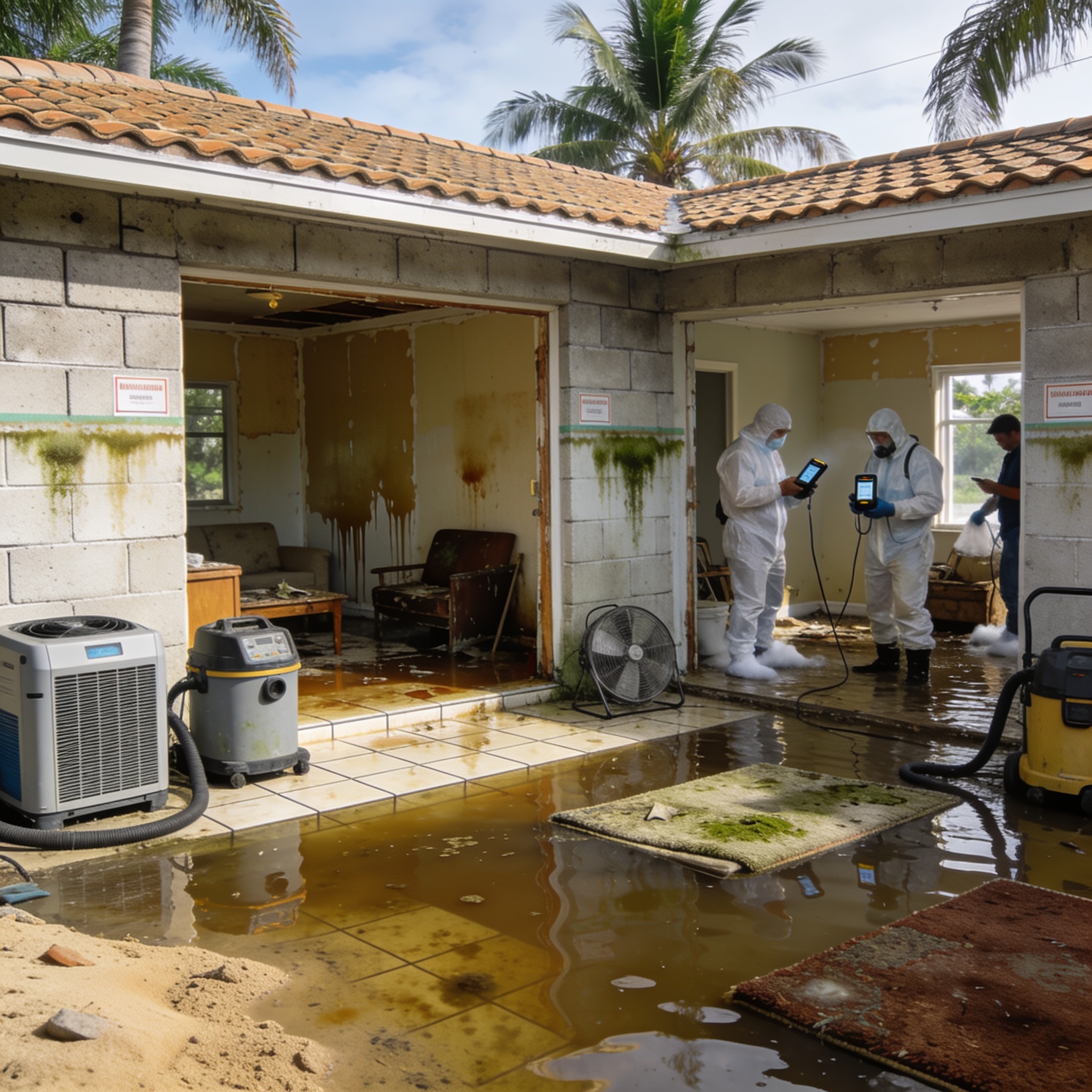
Most residential properties require a minimum of 72 hours of continuous operation of industrial-grade equipment to reach a stable state of dryness. In the humid climate of Southwest Florida, the ambient air often holds too much moisture to rely on passive evaporation alone. Professional restoration companies utilize specialized drying equipment to ensure the structure reaches equilibrium moisture content. Without this intervention, materials like wood framing and drywall can remain damp for weeks, leading to severe microbial growth. Because mold can begin to develop within 24-48 hours, you must start drying as soon as possible to prevent irreparable damage to damaged materials.
What Factors Affect the Drying Time of a Flooded House?
The total drying time is dictated by the volume of water, the porosity of the materials affected, and the effectiveness of the environmental controls in place. In SWFL, outdoor humidity levels frequently exceed 80%, which makes it nearly impossible to dry out a flooded house by simply opening windows. Materials with high porosity, such as carpet padding and insulation, take longer to dry than non-porous surfaces like tile or concrete. Furthermore, the duration of exposure to standing water determines whether structural elements can be saved or must be removed. Depending on the severity of the flood damage, some materials may require replacement to avoid additional damage to the home’s integrity.
Environmental and Structural Variables
| Factor | Impact on Drying |
|---|---|
| Material Porosity | High (e.g., drywall) takes longer to dry |
| Humidity Levels | High Florida humidity slows evaporation |
| Water Source | Category 3 (sewage) necessitates material removal |
| Equipment Used | Industrial dehumidifiers speed up the process |
| Airflow | Proper airflow is essential to speed up the drying |
| Monitoring | Regular checks ensure the drying progress is on track |
What Steps Should You Take Immediately After a House Floods?
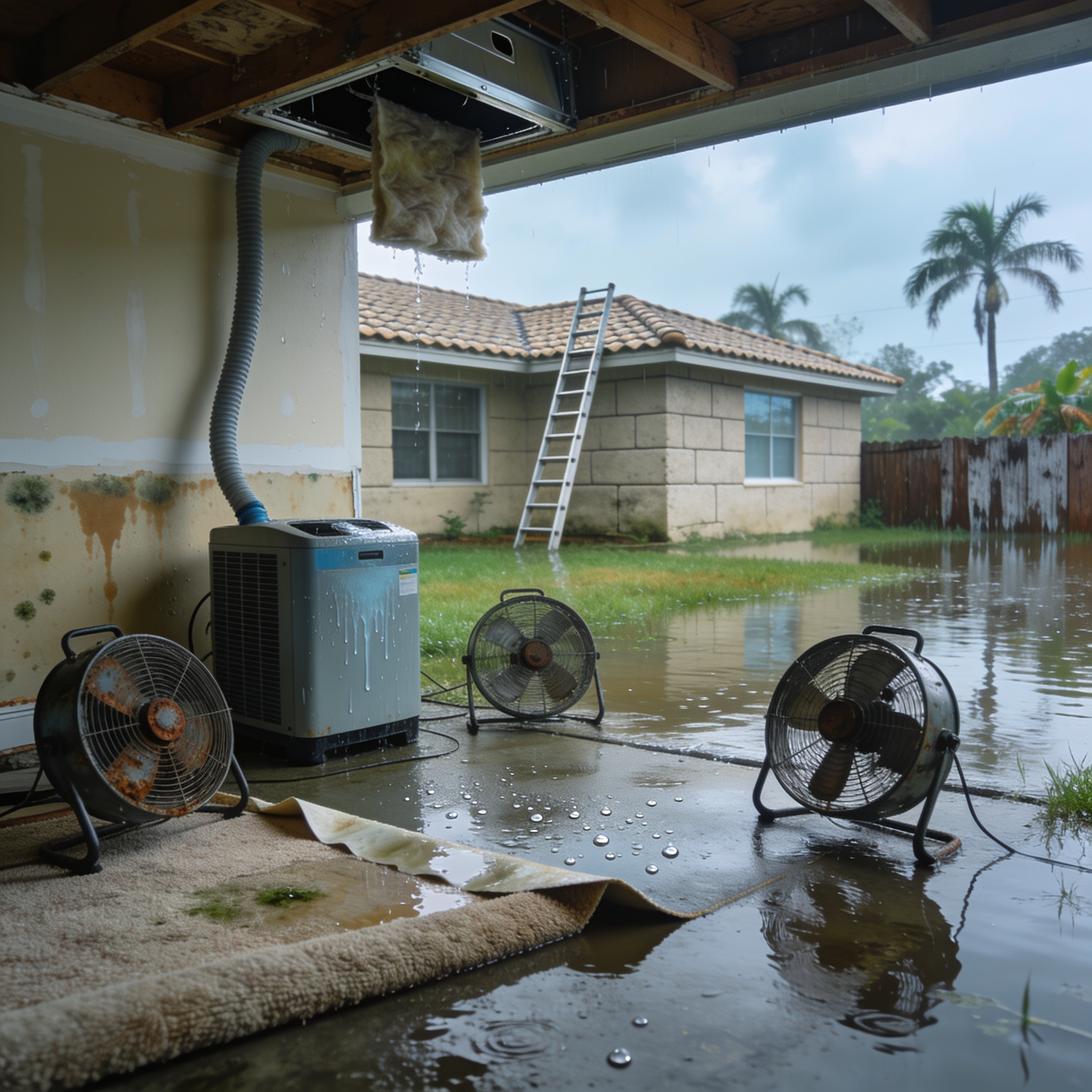
Safety is the primary concern, so you must ensure the power is disconnected before entering any standing water in the space. Homeowners should prioritize contacting professional water damage restoration experts to begin the water extraction process within 24 hours. While waiting for help, remove any small water damaged items that are not attached to the structure to prevent further contamination. Avoid using standard household fans, as these can spread mould spores if the water source is contaminated. You must remove wet materials that cannot be salvaged to help dry out your space effectively and ensure your home safe for occupants.
Water Damage Restoration: How Long Does It Take to Dry Water Damage?
Drywall acts like a sponge and often requires 3 to 5 days of intensive dehumidification to reach a safe moisture level. If the drywall remains wet for more than 48 hours, the risk of mold growth increases significantly, often necessitating professional removal. In many SWFL homes, the moisture becomes trapped inside walls, requiring specialized air circulation to dry out the hidden structural elements. If you are in the region, seeking Water Damage Restoration services quickly can prevent the need for full wall reconstruction. If materials are still wet after a week, it may take months to dry, indicating potential structural saturation.
Drying Water: How Long Does It Take to Dry Out a Flooded House?
While true basements are rare in Florida due to the high water table, “flooded” lower-level living areas or sunken rooms can take 5 to 10 days to fully dry. These spaces often suffer from poor ventilation, which traps moisture and requires high-capacity dehumidifiers to manage the indoor environment. A flooded basement requires professional moisture detection to ensure that no water is trapped beneath the floor or behind finished wall surfaces. To manage the environment, technicians use industrial drying techniques, including ventilation systems, to pull moisture from the air. Ensure that any equipment used is safe to use in wet areas to prevent electrical hazards.
What Drying Methods Are Best to Fully Dry?
The most effective method for drying water involves a combination of industrial dehumidifiers, high-velocity air movers, and moisture monitoring tools. Professional restoration companies use these drying methods to lower the indoor humidity and force evaporation from saturated materials. Relying on opening windows is ineffective in Florida’s climate and can actually introduce more moisture into the home. For those in the area, finding Water Damage Restoration can provide access to the fans and dehumidifiers necessary to shorten the drying time and remove excess moisture. These tools help wet walls dry faster by creating a controlled environment.
Why Do Some Areas Take Longer to Dry?
Drying is only considered complete when moisture meter readings return to the baseline levels established for the specific materials in your home. Professional technicians use moisture detection technology to verify that the structure is fully dry before they conclude the drying process. You should never rely on touch alone, as surfaces may feel dry while the underlying structure remains saturated. If you are unsure about the state of your property, searching for Water Damage Restoration will help you connect with qualified inspectors. Severe flooding often saturates subflooring, which will naturally take longer to dry than surface-level moisture, as there is simply more moisture to remove.
When Should You Seek Professional Help?
You should call for professional assistance immediately if the water damage involves sewage, or if the water has been standing for more than 24 hours. Professional help is essential because standard household equipment is rarely sufficient to dry out a flooded house effectively. Restoration companies are trained to document the damage for your insurance company, which is vital for a successful claim. They also understand how to navigate the unique challenges of the Florida climate to prevent secondary damage.
Can a Flooded House Be Saved from Mold and Long-Term Damage?
A flooded house can be successfully saved from long-term damage if the drying process begins within 24 to 48 hours of the initial event. Prompt action is the most effective way to prevent mold from colonizing your home after a flood. Once mold begins to grow, the remediation process becomes significantly more complex and expensive. To understand the financial implications, you may want to research how much mold remediation remediation cost in your specific area.
Frequently asked questions
Addressing common concerns regarding water damage helps homeowners make informed decisions during a crisis.
Can I dry my house using only fans and opening windows?
In Florida, this is rarely effective because the high outdoor humidity will simply pull more moisture into your home, making it take longer to dry.
Will my home insurance cover the cost of drying equipment?
Most standard homeowners insurance policies cover the cost of drying equipment if the water damage resulted from a covered peril, such as a burst pipe or storm damage.
How do I know if the water is contaminated?
Water is categorized by the IICRC; Category 1 is clean, Category 2 is grey (contains contaminants), and Category 3 is black (sewage), which always requires professional intervention.
Is it safe to stay in the house while it is drying?
It is generally not recommended to stay in a home during the drying process, especially if industrial equipment is running, due to noise, potential air quality issues, and the risk of tripping over cords.
What happens if I wait too long to start the drying process?
Waiting more than 48 hours significantly increases the risk of mold growth and structural decay, which may lead to the need for extensive demolition and reconstruction.
Our editorial team verifies licensing and reviews for every restoration company in the directory and writes practical, Florida-specific guides to help homeowners act fast and protect their insurance claims after water, fire, mold or storm damage.