What Does Pink Mold Look Like in Your Bathroom?
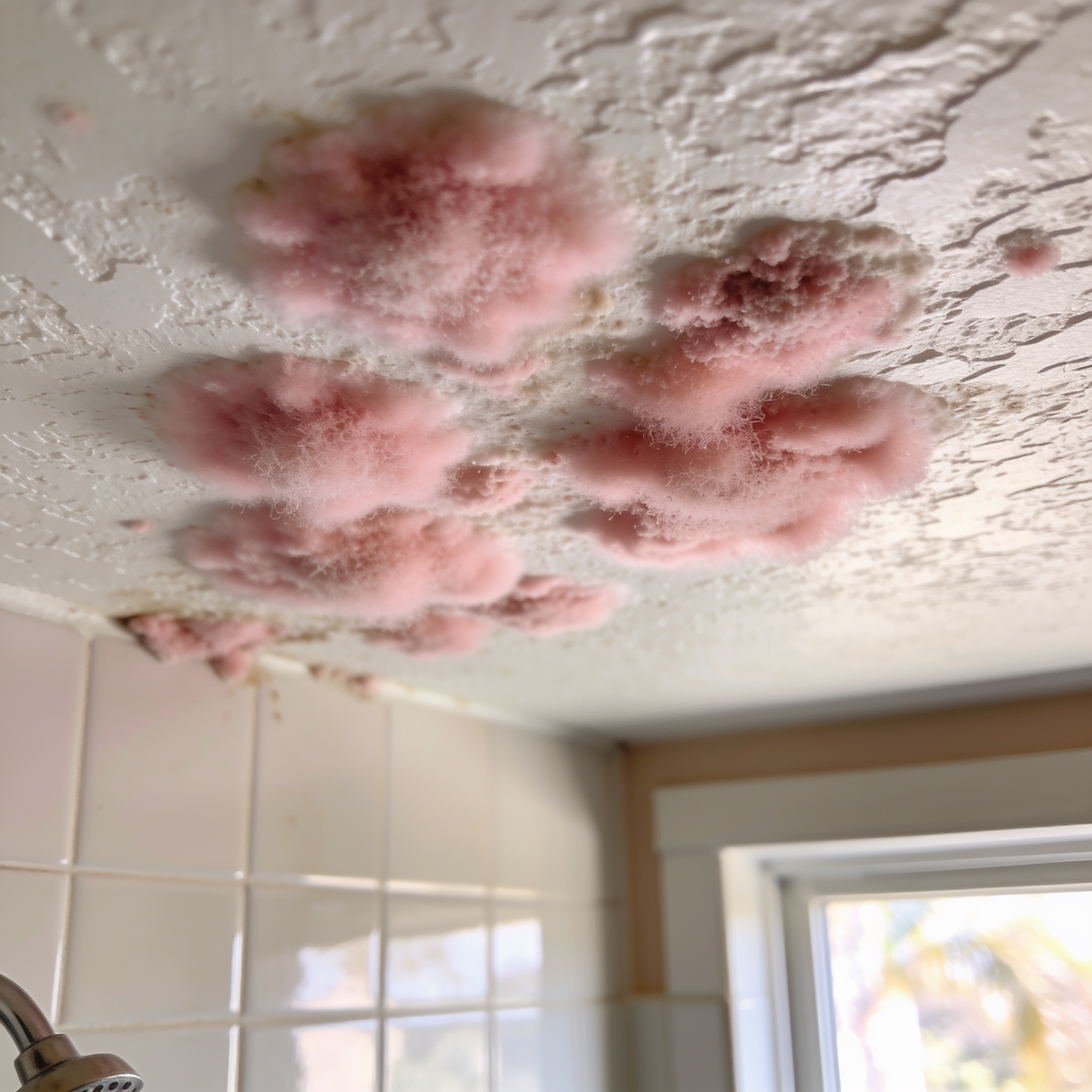
Pink mold in your bathroom typically appears as a slimy, pink or orange film that covers grout, caulk, and shower corners, and while it is often mistaken for a fungus, it is actually a type of bacteria called Serratia marcescens. Because SWFL humidity often exceeds 75%, homeowners in Lee and Collier counties frequently encounter this growth, which thrives in damp environments and feeds on soap residue rather than wood or drywall. By understanding what causes these outbreaks, you can better manage your home’s hygiene.
Key Takeaways
- Pink mold is a common term for a bacteria, not a true mold, and it feeds on soap scum and shampoo residue.
- High humidity in Southwest Florida creates the perfect environment for this pink slime to flourish year-round.
- While generally not as toxic as black mold, it can cause infections in people with compromised immune systems.
- Effective removal requires removing the soap scum food source rather than just scrubbing the surface.
- Proper ventilation and regular cleaning and moisture control are the most effective ways to stop pink mold from returning.
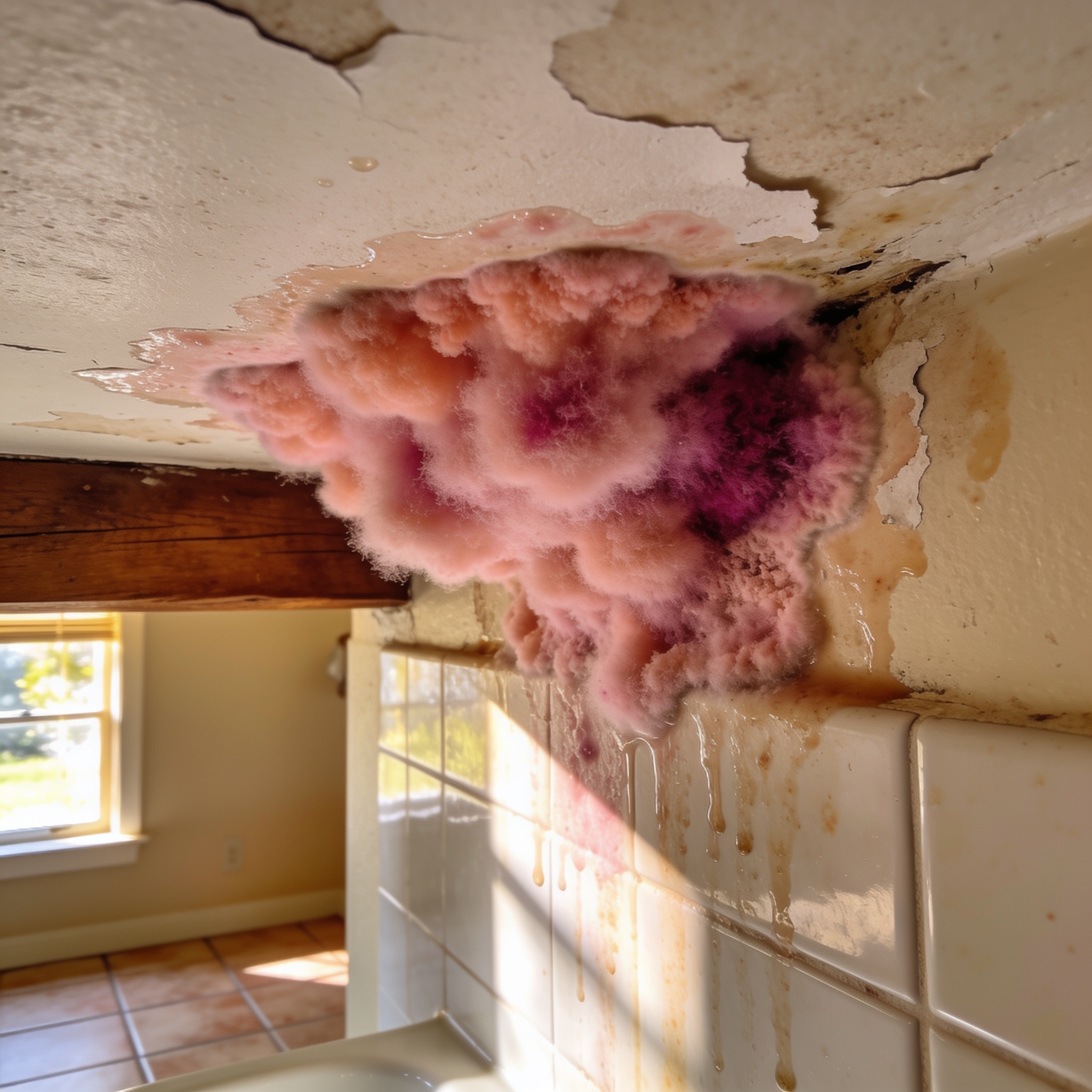
What does pink mold look like, and is it actually a type of bacteria?
Pink mold typically presents as a fuzzy or slimy film that ranges in color from light pink to deep orange or reddish-brown. Despite the common name, it is not technically a mold but a type of bacteria called Serratia marcescens. This organism spreads through the air and settles in moist environments, where it forms a biofilm that adheres tightly to bathroom surfaces. Because visible pink mold may look harmless, homeowners often overlook it, yet this pink growth can colonize a shower in as little as 24 to 48 hours if conditions remain stagnant.
What causes pink mold in the shower?
The primary underlying causes of pink mold are the presence of soap scum and high levels of moisture in your bathroom. Serratia marcescens thrives in damp environments and feeds on the fatty acids found in bar soap, shampoo, and conditioner residue. When you fail to wipe down shower walls after use, these nutrient-rich deposits remain on tile and grout. In Southwest Florida, where outdoor humidity levels are consistently high, moisture control becomes difficult, making it easier for this bacterial growth to establish a colony. Because pink mold requires specific nutrients to survive, removing soap scum is essential to stop the cycle.
Does pink mold make your shower smell bad, and where else does it typically grow?
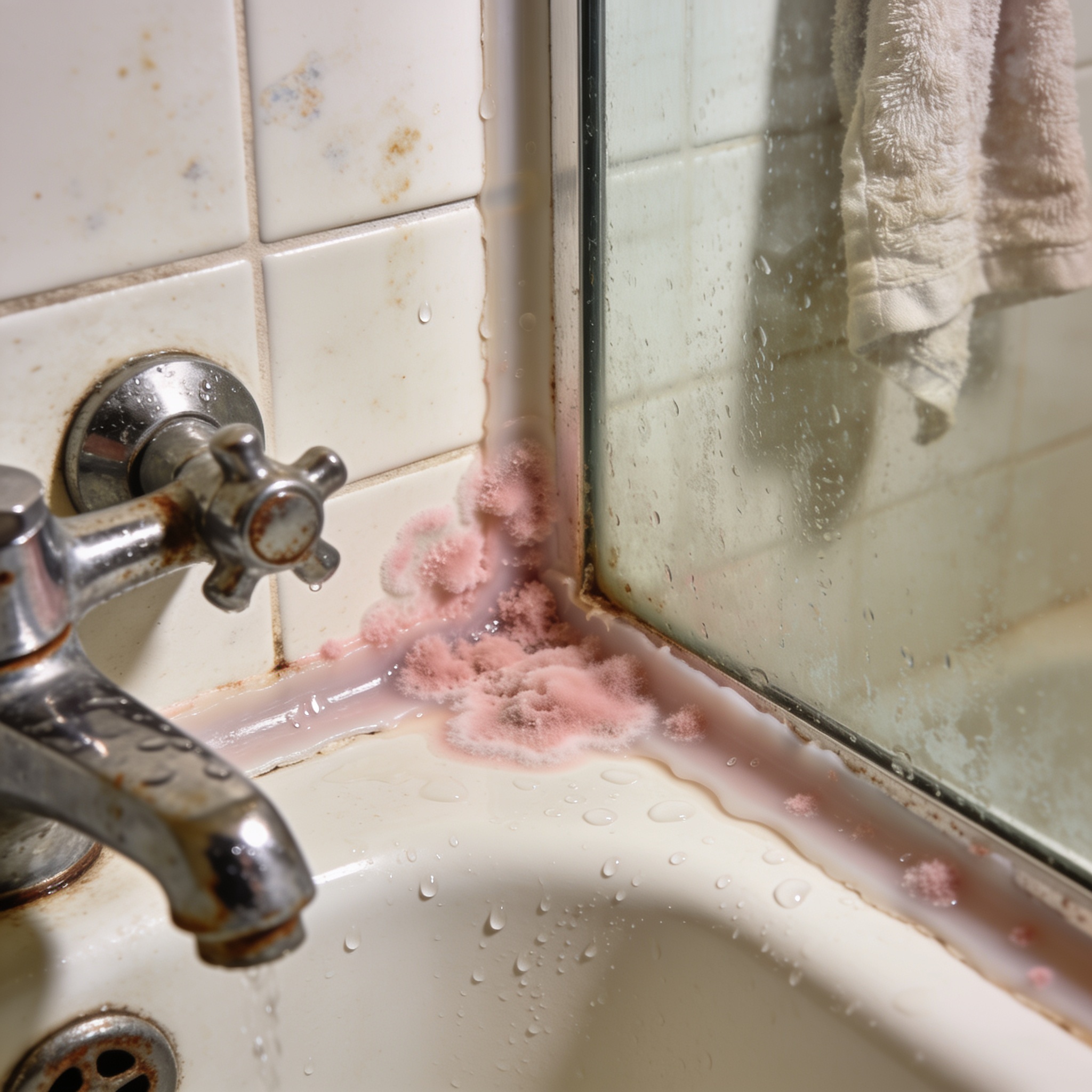
Pink mold in the shower does not usually produce a strong, musty odor, but the biofilm it creates can trap other bacteria that cause foul smells. While it is most commonly found on shower curtains, caulk, and tile grout, it can also appear in other areas with standing water. You may notice it inside the toilet bowl, around the base of a sink, or near leaky faucets. If you have experienced recent flooding, you may need to consult with local experts regarding water damage restoration sanibel to ensure no other contaminants are present. Because bacteria produce these biofilms, they can sometimes harbor other microbes that lead to urinary tract infections.
Is pink mold harmful to your health, and what are the health risks?
Pink mold is generally not considered a severe health hazard for healthy individuals, but it can cause health issues in people with compromised immune systems. The bacteria can enter the body through open wounds or the respiratory tract, potentially causing infections. Those with weakened immune systems should avoid direct contact with the growth during cleaning. If you are concerned about persistent contamination, researching how much does mold remediation cost can help you decide if professional intervention is necessary. Always be aware of the health risks associated with leaving any biofilm untreated.
What is worse — pink mold or black mold, and what are the key differences?
Black mold, such as Stachybotrys chartarum, is generally considered more dangerous than pink mold because it produces mycotoxins that can lead to significant respiratory issues. While pink mold is a bacterial colony that is relatively easy to scrub away, black mold is a true fungus that penetrates porous materials like drywall and wood. In the event of a hurricane or major leak, residents should contact professional mold remediation companies near me to assess the severity of the infestation. Black mold requires specialized containment, whereas pink mold is often manageable with standard household disinfectants.
5 Signs of Pink Mold
Identifying the presence of Serratia marcescens early is the best way to prevent mold growth from spreading across your bathroom surfaces. Look for these five distinct indicators during your weekly cleaning routine:
- Slimy biofilm: A slick, jelly-like substance that feels slippery to the touch on tile surfaces.
- Pink or orange discoloration: Visible pink mold that appears as a hazy, reddish film along the caulk lines of your shower.
- Soap scum accumulation: A dull, cloudy buildup on glass doors or tiles that serves as a primary food source for the bacteria.
- Grout discoloration: The grout between your tiles turning a distinct shade of pink or coral instead of its original white or gray.
- Shower curtain staining: Small, pinkish-orange spots appearing near the bottom hem of your shower curtain where water pools.
How do you go about cleaning pink mold in your bathroom?
You can effectively remove pink mold by using a combination of a mild detergent to remove soap scum and a disinfectant to kill the bacteria. Spray the affected areas with a mixture of water and vinegar or a dedicated bathroom cleaner, then scrub with a stiff brush. If the colony is persistent, applying a solution of hydrogen peroxide or a bleach-based cleaner can help eliminate the bacteria. Always ensure the area is rinsed thoroughly and dried to stop pink mold from returning. Following this cleaning pink mold guide will help ensure you address the root cause.
When should you call a professional for pink mold removal?
You should call a professional if the pink mold has penetrated deep into porous materials like caulk, wood, or wallboard that cannot be cleaned with standard household products. If you notice the growth returning repeatedly despite your best efforts, there may be an underlying moisture issue, such as a hidden leak or persistent water damage. In such cases, professional mold remediation provides the deep cleaning and moisture assessment necessary to resolve the problem permanently. This is especially important for residents in flood-prone areas where managing water damage is critical to maintaining home integrity.
How can you ensure pink mold prevention?
The most effective way to prevent mold is to maintain low humidity levels and eliminate the food sources that bacteria require. Use an exhaust fan to ventilate the room during and after every shower to remove excess humidity. You should also wipe down shower walls and squeegee the glass to remove soap residue after each use. Keeping your bathroom surfaces clean and dry is the most reliable method for pink mold prevention, ensuring your home remains a healthy environment. Pink mold thrives in damp environments, so keeping surfaces dry is your best defense.
Frequently asked questions
Understanding the nuances of bathroom bacteria helps homeowners maintain a cleaner, safer living space.
Does bleach kill pink mold?
Yes, bleach is an effective disinfectant that will kill the bacteria, but it does not remove the soap scum that allows it to grow back quickly.
Is pink mold dangerous to pets?
While not typically fatal, the bacteria can cause gastrointestinal distress if pets ingest the slime, so it is best to keep them away from affected areas.
Does pink mold grow on walls?
Pink mold typically grows on surfaces where soap scum and water collect, but it can grow on painted walls if there is high humidity and poor ventilation.
Can I just paint over pink mold?
Never paint over mold or bacteria, as it will continue to grow underneath the paint and eventually cause the finish to bubble and peel.
How often should I clean my shower to prevent pink mold?
To prevent pink mold, you should perform a deep cleaning of your shower at least once a week, focusing on removing all soap residue.
| Feature | Pink Bacteria (Serratia) | Common Black Mold |
|---|---|---|
| Biological Classification | Bacteria | Fungus (e.g., Aureobasidium pullulans) |
| Primary Food Source | Soap scum/Fatty acids | Cellulose (wood, paper) |
| Removal Difficulty | Easy (surface level) | Difficult (penetrates porous materials) |
| Health Risk | Low (mostly for immune-compromised) | Moderate to High |
See also: mold remediation companies near me
See also: Water Damage Restoration
See also: Water Damage Restoration
Related: how much mold remediation
Our editorial team verifies licensing and reviews for every restoration company in the directory and writes practical, Florida-specific guides to help homeowners act fast and protect their insurance claims after water, fire, mold or storm damage.