What Does Mold Smell Like in Air Vents? Identifying the Musty Odor
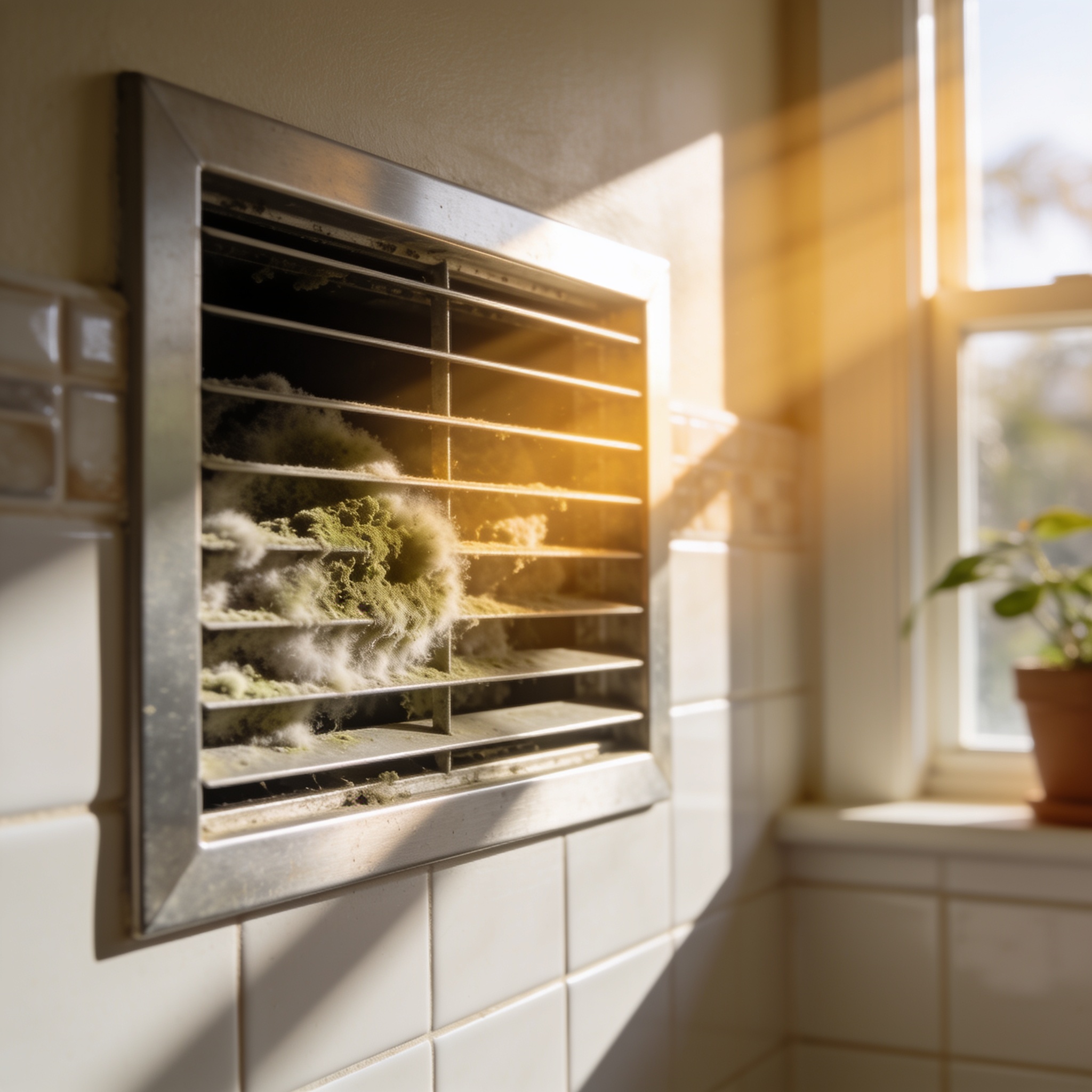
Mold in air vents typically produces a distinct, earthy, or musty smell that originates from the HVAC system, often signaling that moisture has accumulated within the ductwork. Because Southwest Florida experiences high humidity levels year-round, homeowners should recognize that this smell is often the first indicator of a hidden moisture problem that requires immediate attention. If you detect a persistent damp scent when your air conditioner kicks on, it is a primary warning sign that you may have mold in hvac components. If you notice a musty odor, it is a clear sign that you have mold in your air. When you see signs of moisture, remember that mold exposure can lead to health concerns, and the symptoms of mold sensitivity often include respiratory irritation.
Key Takeaways
- The musty smell associated with mold is caused by microbial volatile organic compounds (mVOCs) released during the growth process.
- High humidity in SWFL creates the perfect environment for mold and mildew growth inside your air conditioning unit.
- Visible mold growth often appears on the ac vents or around the perimeter of the air duct first.
- Professional inspection is recommended if you notice a persistent odor, as DIY cleaning often fails to address the source.
- Addressing mold before it gets worse can prevent more extensive and expensive mold removal later.
What Does Mold Smell Like in Air Vents?
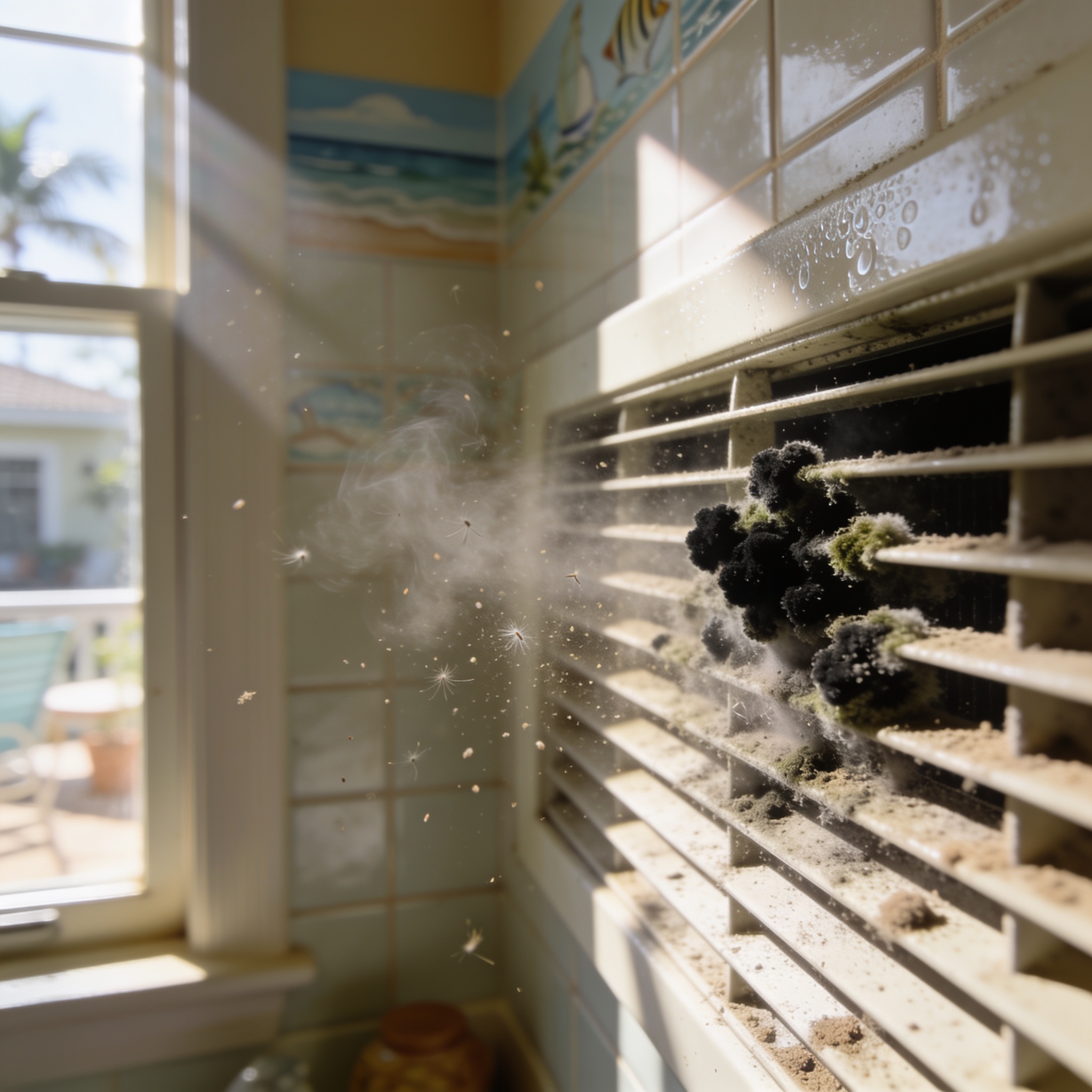
The smell of mold in an air vent is frequently described as earthy, damp, or similar to rotting wood or wet socks. This musty smell is often produced by the gases released by mold colonies as they digest organic materials within your home’s air ducts. In the humid climate of Lee and Collier counties, these musty odors can become particularly pungent when the heating and air conditioning system cycles on, pushing the scent throughout your home. If you notice a musty smell coming from the registers, it is a strong indicator of indoor mold. You might find yourself asking, “what’s that smell?” or “what’s that smell?” when you walk near air registers; if it smells bad, it is time to investigate.
What Does Mold in Air Vents Look Like?
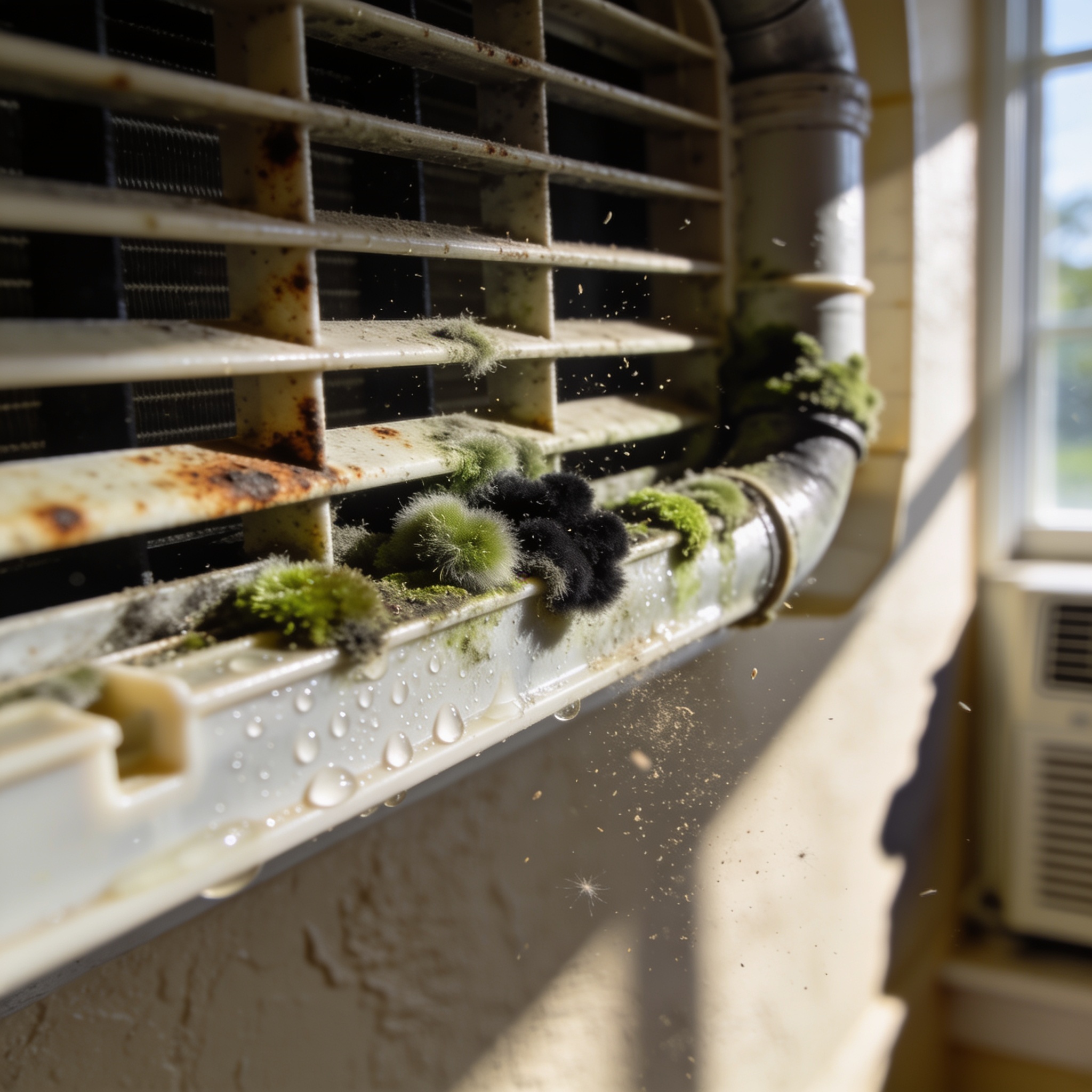
Visible mold growing inside an air duct system often appears as fuzzy, discolored patches that can be black, white, green, or orange in color. You might see these spots on the vent slats, the surrounding ceiling drywall, or even deep inside the ductwork if you use a flashlight to inspect the interior. If you notice persistent Water Damage Restoration near your vents, it is highly likely that mold or mildew are present behind the registers. These colonies can affect indoor air quality by releasing spores into the air throughout the building.
How Do I Tell If There’s Mold in My Vents? 5 Signs Explained
Identifying mold early is critical to maintaining your indoor air quality and preventing the need for extensive Water Damage Restoration services. Watch for these five specific indicators that your heating and cooling system is compromised:
- Persistent Musty Odor: A damp, earthy smell that lingers specifically when the AC unit is running is a primary sign of mold.
- Visible Discoloration: Seeing black, gray, or white fuzzy spots on your air duct vents or the surrounding ceiling is a definitive visual cue.
- Increased Allergy Symptoms: If you or your family members sneeze, cough, or experience throat irritation only while inside the home, it may be a reaction to mold spores.
- Dust Accumulation: Excessive dust buildup around the vent can trap moisture, creating an ideal environment for hvac mold.
- Condensation on Vents: Water droplets forming on the exterior of your vents suggest high humidity levels that can trigger rapid mold growth inside the duct.
What Can Be Mistaken for Mold Smell in Air Vents?
Homeowners often confuse the smell coming from the unit with the scent of stagnant dust or debris trapped within the air ducts and vents. Sometimes, a dead rodent or pest trapped in the ductwork can mimic the foul, damp odor associated with mold infestations. It is important to verify the source, as a professional technician can distinguish between a simple clog and a biological growth issue. Additionally, check areas like bathrooms where high humidity might be creating a localized fume or odor that is being pulled into the return vents.
Are There Other Common Smells from Air Vents That Indicate Problems?
Other odors from your air conditioning system can indicate mechanical failures rather than biological ones. A burning smell may indicate an electrical issue with the blower motor, while a sweet, chemical scent could point to a refrigerant leak. Always call an hvac professional if the smell is metallic or chemical, as these are not typically related to mold.
What Causes Mold Growth in Air Vents?
Mold growth in air vents is primarily driven by the accumulation of condensation on the evaporator coil or within the ductwork due to high humidity. In Southwest Florida, the constant battle between hot outdoor air and cold indoor air creates cool air that, when combined with dust, provides a nutrient-rich environment for mold. If your air filter is not changed regularly, it restricts airflow and exacerbates this moisture buildup. Proper ventilation is essential to prevent these conditions, and checking your ventilation system for blockages is a key maintenance step. Remember that mold can trigger significant issues if left unchecked in a damp crawlspace or duct system.
Can Mold in Air Vents Make You Sick?
Exposure to mold spores from your hvac system can trigger respiratory issues, particularly for those with existing allergies or asthma. According to the EPA, individuals may experience signs that mold may be affecting their health, such as a runny nose, eye irritation, or shortness of breath. While not everyone reacts the same way, children and the elderly are often more sensitive to poor indoor air quality.
What Kills Mold in Air Vents — and Should You Clean It Yourself or Hire a Professional?
Professional mold removal is the safest and most effective way to eliminate mold in your hvac system because it ensures the source of the moisture is addressed. While some homeowners attempt to clean mold from air vents with vinegar or bleach, this rarely reaches the mold deep within the ductwork. You should consider the how much mold remediation compared to the long-term health benefits of a professionally cleaned system.
| Method | Effectiveness | Risk Level |
|---|---|---|
| DIY Surface Cleaning | Low (Surface only) | High (Spore dispersal) |
| Professional Duct Cleaning | High (System-wide) | Low (Containment used) |
How Can I Prevent Mold Prevention in Air Vents?
Maintaining consistent indoor humidity levels below 60% and changing your air filter every 30 to 90 days are the most effective ways to help prevent mold. Ensure that your hvac system is properly sized for your home to avoid short-cycling, which prevents the unit from effectively dehumidifying the air. Regular maintenance by a licensed professional will help keep your ducts dry and free of biological growth.
Frequently asked questions
Common concerns regarding mold in air vents often revolve around detection and remediation.
Can I just spray bleach on mold in my vents?
No, bleach is not recommended for porous surfaces like duct insulation and can actually make the mold problem worse by adding moisture. To get rid of the smell, you must address the moisture source.
How often should I have my air ducts cleaned?
Most experts recommend an inspection every 3 to 5 years, or sooner if you notice persistent odors or visible signs of mold.
Does mold in air vents always mean I have a leak?
Not necessarily, as high humidity and condensation on the evaporator coil are the most common culprits in Florida homes.
Will a dehumidifier help with mold in my vents?
Yes, using a whole-home dehumidifier can significantly reduce the moisture levels that allow mold and mildew to grow.
Our editorial team verifies licensing and reviews for every restoration company in the directory and writes practical, Florida-specific guides to help homeowners act fast and protect their insurance claims after water, fire, mold or storm damage.