What Does Mold on Grout Look Like and How to Identify It
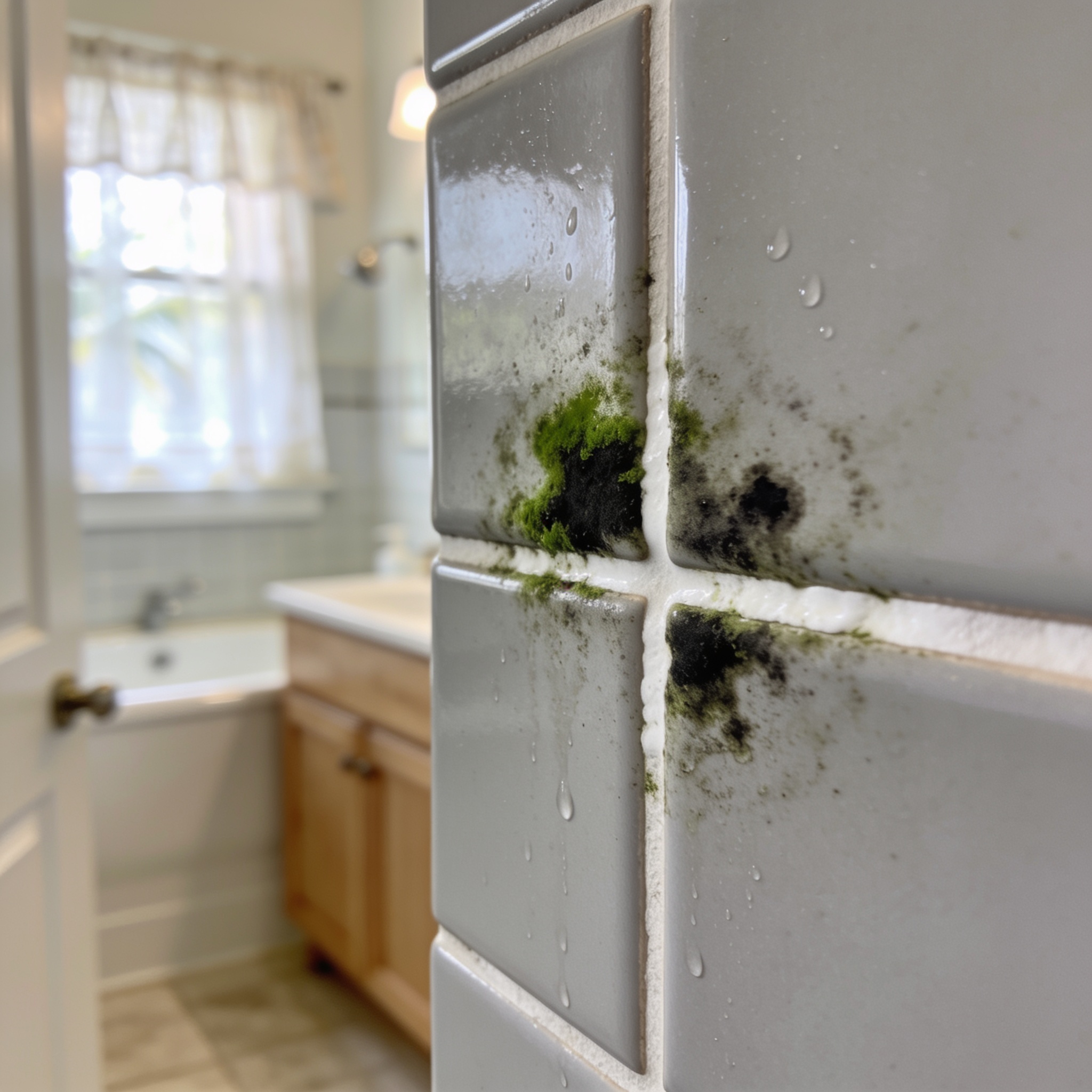
The primary visual indicator of mold on grout is the presence of fuzzy, dark, or discolored spots that do not wash away with standard soap, typically appearing as localized patches covering 10% to 50% of the grout surface in high-humidity areas. Identifying what does mold on grout look like requires distinguishing between simple surface staining and active fungal colonization that penetrates the porous material. In Southwest Florida, where humidity levels frequently exceed 70%, these persistent spots often signal deeper moisture intrusion requiring professional assessment. Proper maintenance of your tile and grout is essential to prevent the growth of mold. If you notice that mold is widespread across your bathroom surfaces, it is time to take immediate action.
Key Takeaways
- Mold on grout appears as persistent, fuzzy, or dark discolorations that resist standard surface cleaning.
- Grout is highly porous, making it a primary breeding ground for mold in humid climates like Lee and Collier counties.
- Distinguishing between surface mold and deep-seated fungal growth is essential for determining if DIY cleaning will suffice.
- High humidity in SWFL requires consistent ventilation and the use of high-quality grout sealers to prevent recurring infestations.
- Persistent mold growth behind the tile or deep within the mortar may necessitate contacting professional mold remediation companies near me.
What Does Mold on Grout Look Like?
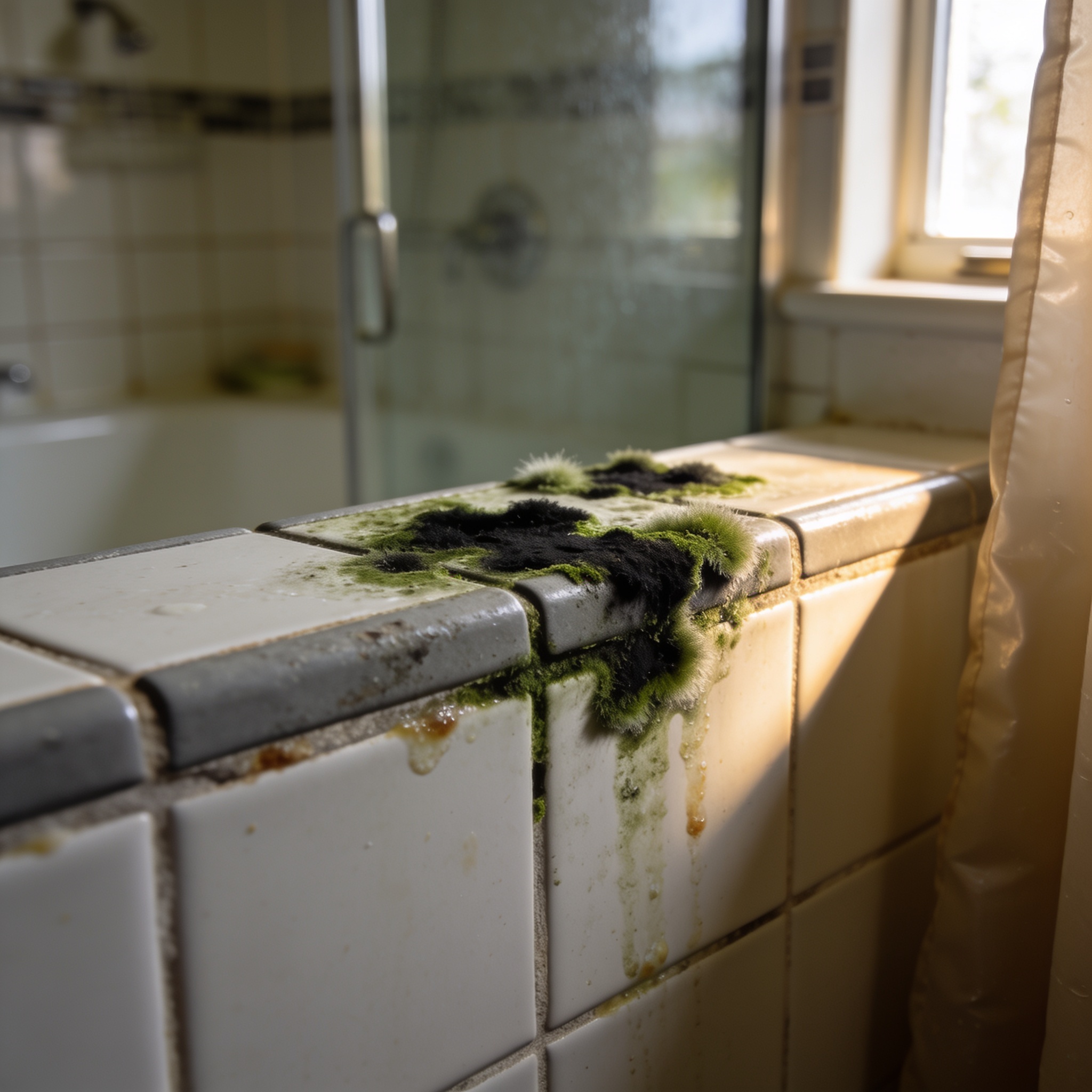
Mold on grout typically manifests as dark, fuzzy, or slimy patches that stubbornly cling to the porous lines between your tile. When you inspect your shower tiles, you may notice that these spots remain even after vigorous scrubbing with standard soap. Because the specific type of grout used in your home is porous, it acts as a sponge for moisture, creating an ideal environment for fungal colonies to take root. Understanding the common mold species found in bathrooms can help you take care of mold before it spreads.
The 5 visual signs of black mold
Identifying specific types of growth is crucial for determining the severity of the infestation in your bathroom.
- Fuzzy or velvety texture: Mold often develops a raised, textured appearance that looks distinct from smooth mineral deposits or soap scum.
- Persistent dark pigmentation: While stains are often light or yellow, true mold growth frequently presents as deep black, dark green, or charcoal gray spots.
- Spreading growth patterns: Unlike localized water stains, mold colonies tend to expand outward in circular or irregular branching patterns across the grout lines.
- Musty odor presence: If you detect an earthy, damp smell near the shower area, it is a strong indicator that mold can grow and is actively reproducing.
- Resistance to surface cleaning: If the discoloration does not fade after you scrub the grout with a standard bathroom cleaner, it has likely penetrated the material.
Does Mold or Mildew Show Up as a Pink Color on Shower Grout?
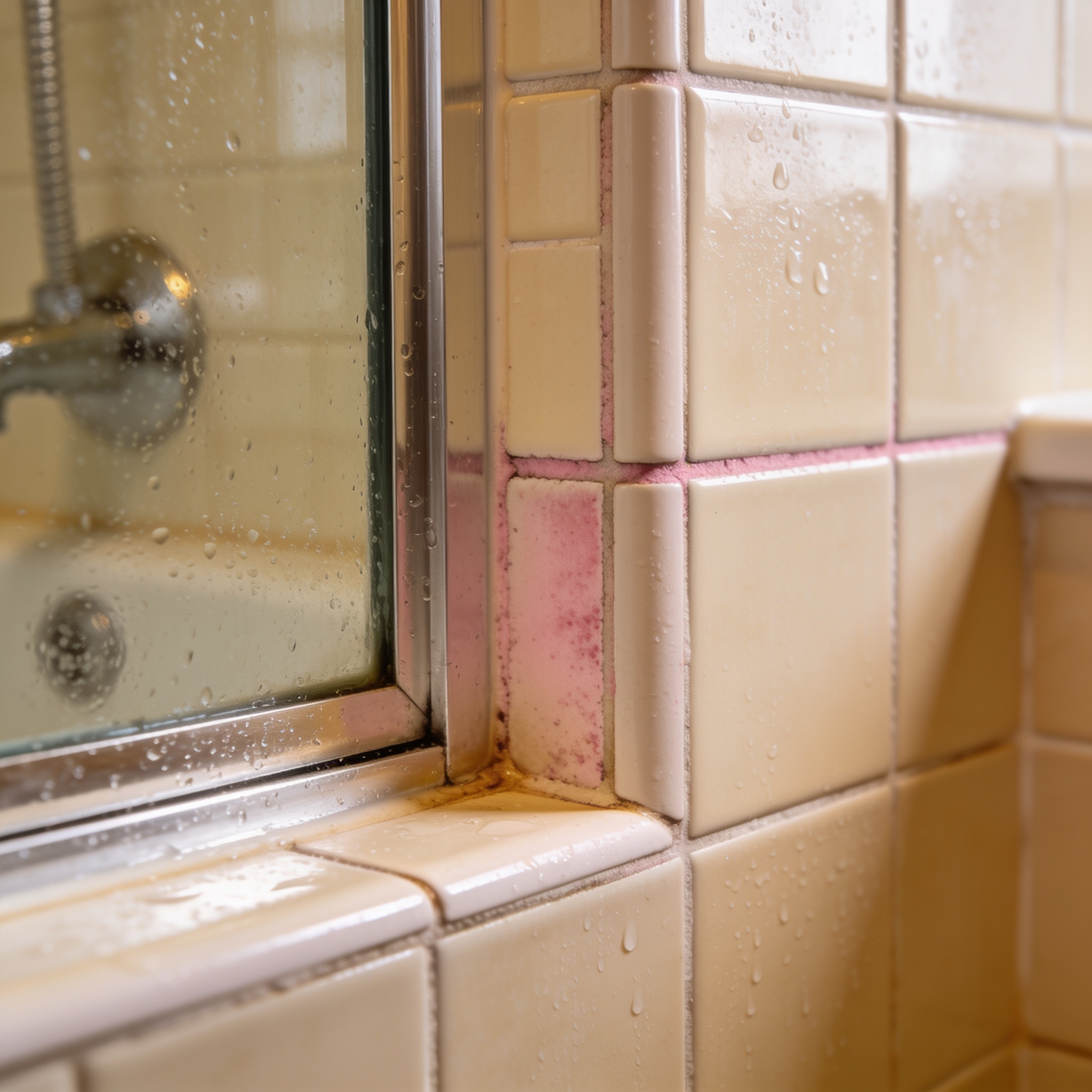
Pink discoloration on shower grout is often misidentified as mold, but it is frequently caused by a bacteria called Serratia marcescens that thrives on soap scum and fatty deposits. This pink mold film is technically a bacterial colony rather than a traditional fungus, though it thrives in the same high-moisture conditions found in Southwest Florida bathrooms. While not a true mold, this pink residue can still contribute to the degradation of your grout over time if left untreated. Regular tile and grout cleaning is the best way to keep these surfaces pristine.
How Can You Tell If It’s Black Mold or Just Regular Mold on Grout?
Distinguishing between common household mold and more hazardous species like Stachybotrys chartarum requires professional testing, as visual inspection alone cannot confirm the specific type of mold. Most mold found in residential grout is a surface-level fungus that feeds on organic material like skin cells and soap residue trapped in the porous mortar. If you notice large, slimy black patches appearing after a major weather event, you may be dealing with water damage that requires immediate attention from experts in water damage restoration sanibel.
Is It Normal for Grout to Grow Mold?
It is unfortunately common for mold to grow on grout in the humid climate of Florida, as the material is inherently porous and absorbs water during every shower. Grout is a cement-based material that acts as a perfect breeding ground for mold when it remains damp for extended periods. In counties like Charlotte or Lee, where the ambient humidity is high, the grout is susceptible to mold unless it is properly sealed and maintained with regular cleaning. Using epoxy grout can significantly reduce these risks.
Why Does Mold Grow on Grout?
Mold grows on grout because the material is highly porous and frequently accumulates organic debris like shampoo residue and skin cells. Once the grout absorbs water, it provides a consistent moisture source that allows mold spores to germinate and colonize the surface. Without proper ventilation, the moisture trapped behind the tile can lead to significant issues, potentially requiring an evaluation of your home’s water damage status.
Can Mold in Grout Make You Sick? Health Risks You Should Know
Exposure to mold in your home can trigger allergic reactions in sensitive individuals, including sneezing, skin irritation, and respiratory distress. People with weak immune systems or chronic respiratory conditions are at a higher risk of experiencing adverse health effects from prolonged mold exposure. If you find mold in shower grout that covers a significant portion of your bathroom, you should consider how much does mold remediation cost to ensure the safety of your living environment. Be careful during manual removal, as aggressive agitation can release spores into the air, potentially spreading the contamination.
How Do You Clean Mold From Grout? DIY Methods vs. Professional Help
You can often clean mold from grout using a simple mixture of hydrogen peroxide and water, or by using a stiff tile brush to physically remove the mold. For minor surface mold, a spray bottle filled with a solution of water and mild detergent can be effective if you scrub the grout thoroughly. Be sure to dilute your cleaning products properly. However, if the mold has penetrated deep into the grout or is growing behind the tile, DIY cleaning methods may not be sufficient to eliminate the mold entirely.
What Kills Mold on Grout for Good?
To kill mold on grout effectively, you must address both the surface growth and the underlying moisture issue that allows it to thrive. While you can use bleach to lighten the appearance of stains, it often fails to penetrate porous grout to kill the mold roots. Using a professional-grade fungicide or a mixture of hydrogen peroxide is often more effective at killing the spores without damaging the integrity of the cement. If you are struggling with moldy grout, a professional cleaning service may be required.
| Cleaning Method | Effectiveness on Grout | Best For |
|---|---|---|
| Hydrogen Peroxide | High | Killing spores and whitening grout |
| Bleach Solution | Moderate | Removing surface stains |
| Professional Steam Cleaning | Very High | Deep-seated, extensive mold growth |
| Grout Sealing | Preventative | Protecting sealed grout |
How Can You Prevent Mold From Growing on Grout?
The most effective way to prevent mold growth on grout is to keep the surface as dry as possible by using a squeegee after every shower. Ensuring that your grout is sealed with a high-quality penetrating sealer is the most important step to prevent mold from penetrating the porous surface. Additionally, maintaining proper bathroom ventilation will help reduce the humidity levels that mold needs to survive in your home.
Frequently asked questions
Below are common inquiries regarding the maintenance and identification of mold within your tile surfaces. There are many ways to remove moldy buildup, but prevention remains key.
Does sealing the grout stop mold?
Sealing the grout creates a barrier that prevents water from soaking into the pores, which significantly reduces the likelihood of mold taking root.
Can I use bleach to remove mold from grout?
While bleach can remove the color of the mold, it often does not kill the roots within the porous grout, leading to rapid regrowth of grout mold.
How often should I clean my shower grout?
Regular cleaning the grout with a mild cleanser should be performed weekly to prevent the buildup of soap scum and organic materials that feed mold and mildew.
When should I call a professional for mold?
You should contact a professional if the moldy tile grout covers a large area, returns quickly after cleaning, or if you suspect water damage behind the walls.
What is the best way to manage grout and tile maintenance?
Consistent drying and periodic deep cleaning of your tile surfaces will keep your bathroom healthy and free of mold in your home.
See also: mold remediation companies near me
See also: Water Damage Restoration in Bonita Springs
See also: Water Damage Restoration
Related: how much mold remediation
Our editorial team verifies licensing and reviews for every restoration company in the directory and writes practical, Florida-specific guides to help homeowners act fast and protect their insurance claims after water, fire, mold or storm damage.