Signs of Water Damage in Walls: How to Identify Mold Growth Early
The most reliable way to identify early signs of water damage in walls is by detecting persistent musty odors or visible discoloration within 24 to 48 hours of moisture exposure, which typically costs between $1,500 and $5,000 to remediate depending on the square footage affected. Early detection of water damage in walls is critical in Southwest Florida, where high ambient humidity and storm surges frequently create the ideal environment for mold to thrive. By recognizing these warning signs of water damage early, homeowners can mitigate the risk of extensive structural damage and costly repairs associated with unchecked mold growth. Understanding the causes of water damage is the first step in preventing mold from water damage, as excess moisture is the primary factor that causes mold to colonize. Recognizing these early signs can save your home from further damage.
Key Takeaways
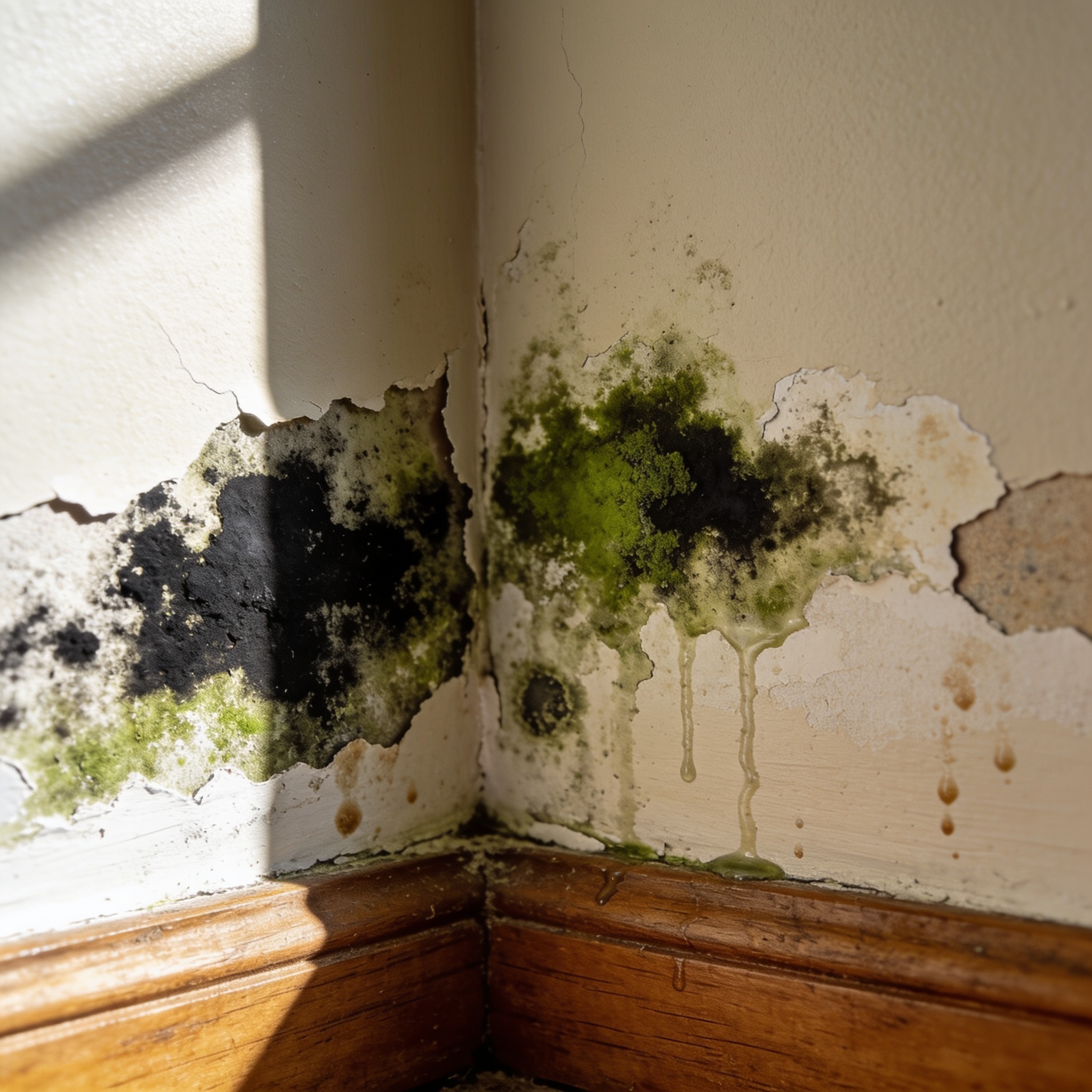
- Visible signs of water damage, such as bubbling paint or water stains, often indicate that mold is growing behind the surface.
- The United States Environmental Protection Agency (EPA) notes that mold can begin to colonize within 24 to 48 hours after water damage occurs.
- Musty odors are among the first signs that you have hidden water damage behind walls, even if no visible growth is present.
- Southwest Florida homeowners should prioritize moisture control in bathrooms and near exterior walls to prevent mold growth after water damage.
- Mold remediation services are necessary when mold colonies cover more than 10 square feet to ensure safe removal and air quality restoration.
Common signs of water damage
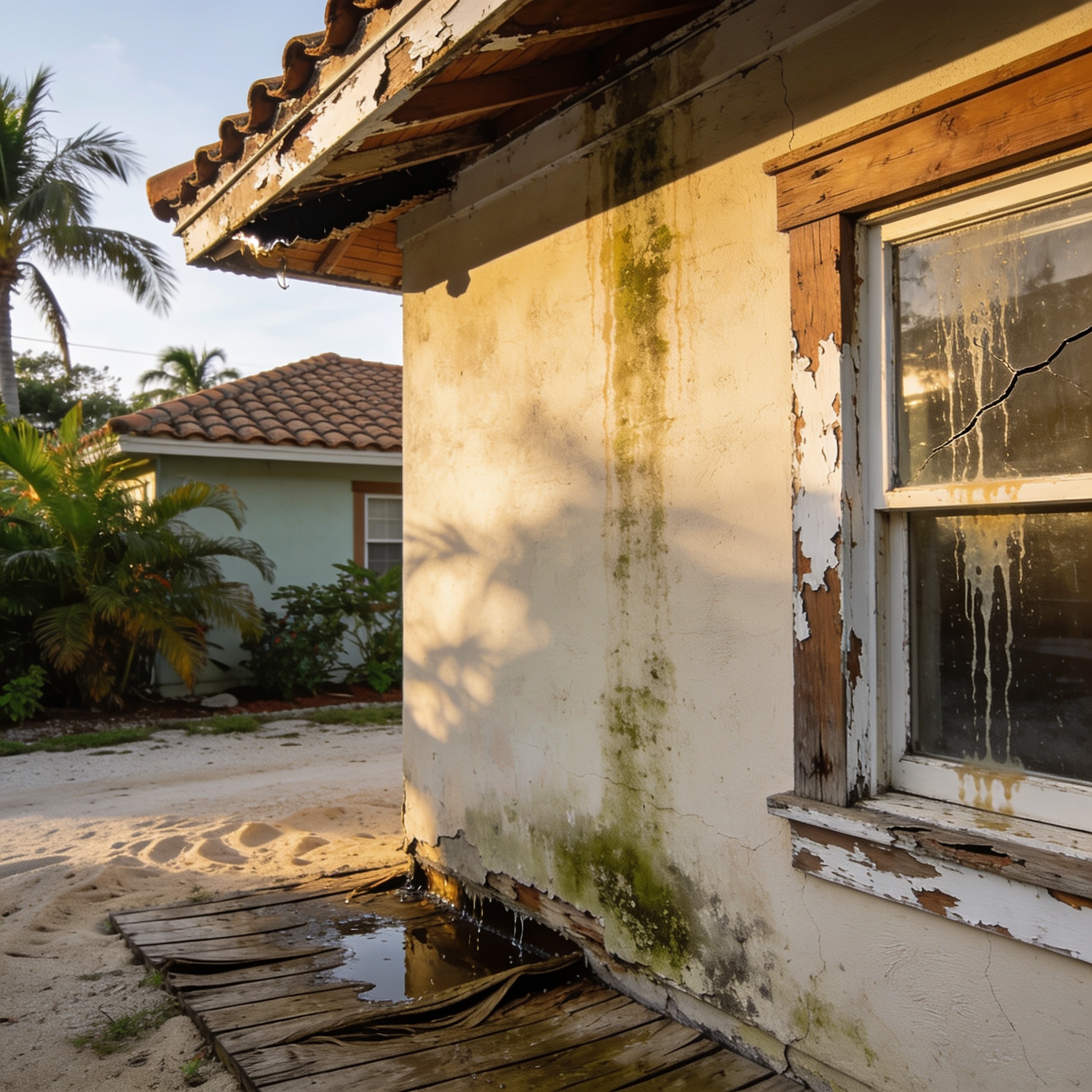
Common signs of water damage in walls include visible water stains, peeling paint, warped drywall, and a distinct musty odor that persists despite cleaning. These indicators are frequently seen in Lee and Collier counties following tropical storms or plumbing failures. If you notice these signs of water or suspect leaks and water intrusion, it is essential to investigate the source immediately to protect your home from further damage. Common causes of water damage include burst pipes, roof leaks, and high humidity, all of which can lead to mold if left untreated. Because water damage often creates the perfect conditions for mold to grow, addressing water damage promptly is essential.
Visual Indicators
You may observe discoloration, such as yellow or brown rings, on your drywall or plaster. Bubbling or cracking paint is another common sign of water damage in walls, often caused by moisture trapped behind the finish. In many cases, these visual signs of water damage are accompanied by a soft or spongy texture when the wall is touched, which may indicate mold growth.
Structural and Sensory Indicators
Beyond visual cues, structural changes like warping or bowing indicate significant water damage that has compromised the wall’s integrity. A persistent, earthy, or musty smell is a major red flag that mold or mildew is growing within the wall cavity. If you notice these signs, professional Water Damage Restoration restoration services should be contacted to assess the extent of the impact.
Common signs of mold
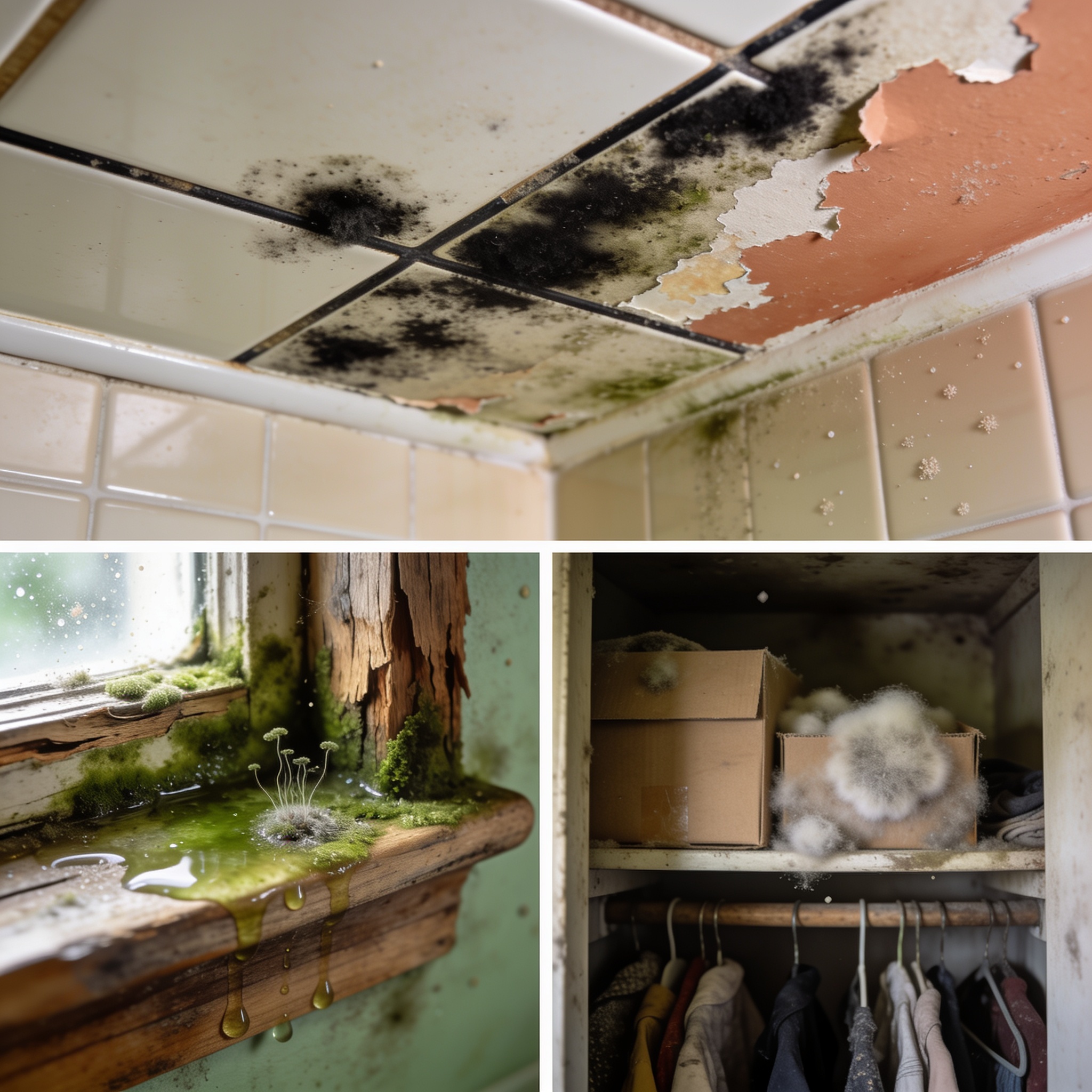
The 5 visual signs of mold growth on walls include fuzzy patches, dark spots on walls, discoloration, peeling wallpaper, and visible spore clusters. These signs of hidden mold often appear in areas with high humidity or poor ventilation, such as behind bathroom vanities or near exterior wall corners. Identifying visible mold growth early is essential to maintaining healthy mold in your home. If you are concerned about mold, look for these common signs of mold, as various types of mold can start to colonize in damp locations for mold.
- Fuzzy patches: Mold appears fuzzy or velvet-like and can range in color from white to green, black mold, or orange.
- Dark spots on walls: Small, circular, or irregular dark spots on walls often indicate the first signs of a mold colony.
- Discoloration: Changes in wall paint color, such as darkening or yellowing, suggest moisture has seeped into the substrate.
- Peeling wallpaper: Moisture trapped behind wallpaper creates a perfect breeding ground, causing the adhesive to fail and the paper to peel.
- Visible spore clusters: In advanced stages, you may see visible clusters of spores, which indicate that the mold has matured and is releasing particles into the air.
Mold growth after water damage
Mold growth after water damage typically begins within 24 to 48 hours if the moisture is not addressed. This timeline is supported by the United States Environmental Protection Agency, which emphasizes that moisture control is the primary way to prevent mold growth. In Southwest Florida, the high dew point and humidity levels can accelerate this process, making rapid intervention essential. Understanding the conditions for mold to grow is vital, as any water exposure can cause spores to grow after water damage. If you notice signs of mold growth, contact a mold remediation company immediately.
The 48-Hour Window
The first 48 hours after water damage are critical for preventing long-term issues. During this period, mold spores that are naturally present in the air settle on wet surfaces and begin to colonize. If the wall remains damp, the mold will continue to spread, potentially affecting insulation and structural studs.
Factors Influencing Growth
The speed of mold growth depends on the type of water damage, the material affected, and the ambient temperature. Porous materials like drywall and insulation provide an ideal environment for mold to grow, especially in the humid climate of Charlotte County. If you are dealing with water damage, you should seek Water Damage Restoration as soon as possible to minimize the risk of mold growth.
Signs of mold
You can determine if water damage has caused mold growth by using a moisture meter to detect hidden pockets of dampness and by checking for persistent musty odors. While visual inspection is a start, many signs of mold growth are hidden behind walls where moisture has accumulated. If you are water damage or suspect mold, an inspection by a professional mold inspector can provide a definitive answer regarding mold damage. The total amount of mold present can vary, but any sign of mold growth requires attention.
| Indicator | What It Suggests |
|---|---|
| Musty Odor | Active mold colonies are present and releasing gases. |
| High Moisture Reading | The wall is currently wet and at high risk for mold growth. |
| Discoloration/Stains | Past or present water intrusion has occurred. |
| Health Symptoms | Poor indoor air quality due to mold exposure. |
| Wall Damage | Structural issues caused by water damage. |
Prevent mold
Detecting hidden mold behind walls often requires professional tools like moisture meters, infrared thermal cameras, and borescopes to locate moisture without demolition. Because mold is often hidden behind walls, homeowners may not see the growth until it has become extensive water damage. Using thermography allows experts to identify temperature differences that indicate water leaks, which is a common sign of mold growth. If you are concerned about mold, remember that water damage causes mold, and acting quickly is the best way to prevent mold.
If you suspect hidden mold, do not attempt to cut into the wall yourself, as this can release spores into your home. Instead, hire a professional to perform a non-invasive inspection. Understanding the water damage restoration cost fort myers process is vital for managing these hidden risks effectively.
Mold exposure
Common health risks associated with mold exposure include respiratory irritation, allergic reactions, and exacerbation of asthma symptoms, particularly in vulnerable individuals. According to the Florida Department of Health, mold exposure can lead to symptoms such as coughing, wheezing, and skin irritation. While not everyone reacts to mold, those with chronic conditions may experience more severe reactions when mold is growing in their living environment. Because mold can grow rapidly, addressing the source is critical.
If you notice these health signs, it is important to address the source of the mold immediately. Prolonged exposure to indoor mold can lead to long-term health complications if the environment is not remediated. Always consult a medical professional if you are concerned about symptoms related to your home environment.
Professional mold remediation
You should call a professional for mold remediation if the mold covers an area larger than 10 square feet or if the contamination is located within the HVAC system. Attempting to clean extensive mold yourself can lead to further contamination and increased health risks. Professional mold remediation services have the specialized equipment to safely contain the area and remove the mold colonies without spreading spores throughout your home.
When evaluating the water damage restoration cost, remember that professional mold intervention is a long-term investment in your property’s safety. Professionals follow IICRC standards to ensure that the remediation process is thorough and effective. This is especially important in Florida, where building codes and insurance requirements often mandate professional documentation for claims.
Future water damage
To prevent mold growth after water damage, you must act immediately to remove standing water, dry the affected area completely, and maintain indoor humidity levels below 60 percent. Using dehumidifiers and industrial fans is standard practice for drying out wall cavities after a leak or flood. Preventing future water damage requires regular maintenance of your roof, plumbing, and HVAC systems to ensure they remain in good working order.
Ensure that bathroom exhaust fans are working correctly and that you address any plumbing leaks as soon as they are discovered. By keeping your home dry and well-ventilated, you create an environment where mold cannot thrive. Consistent monitoring of your home’s moisture levels is the most effective way to protect your property from the risks of mold.
Frequently asked questions
These answers address common concerns regarding water damage and mold management in Southwest Florida homes.
Can I clean up mold myself?
You can clean small, non-porous surfaces if the area is less than 10 square feet, but professional help is recommended for larger infestations or if the mold is inside walls.
Does homeowners insurance cover mold remediation?
Coverage for mold remediation varies by policy and typically depends on whether the mold was caused by a covered peril, such as a sudden plumbing leak, rather than long-term neglect.
How do I know if the mold is toxic?
All mold should be treated as a potential health risk, and you should not attempt to identify the type of mold yourself; instead, rely on professional testing to determine the specific species present.
What is the most common cause of mold in Florida homes?
The most common causes of mold in Florida are high ambient humidity, roof leaks, and plumbing issues that go undetected, leading to sustained moisture in wall cavities.
How long does the remediation process take?
The duration of professional mold remediation depends on the extent of the damage, but it typically takes anywhere from a few days to over a week for larger, more complex projects.
See also: Water Damage Restoration
Our editorial team verifies licensing and reviews for every restoration company in the directory and writes practical, Florida-specific guides to help homeowners act fast and protect their insurance claims after water, fire, mold or storm damage.