How to Treat Mold on Wood Studs During Your Remodeling Project
You can effectively treat mold on wood studs by spending between $50 and $200 on professional-grade antimicrobial solutions, provided the affected area is less than 10 square feet. Addressing how to treat mold on wood studs early in your remodeling phase is critical to preventing long-term structural degradation in high-humidity climates like Southwest Florida. Because mold spores need a food source to thrive, any organic material in your home is at risk if moisture is present. If you suspect a mold problem, immediate action is necessary to protect your property.
Key Takeaways
- Identify if the mold is surface-level or deep-rooted before attempting DIY removal.
- Always prioritize personal protective equipment (PPE) when handling moldy lumber.
- Use EPA-registered antimicrobial products rather than household bleach for wood surfaces.
- Ensure the source of moisture is fully resolved before closing up walls with new drywall.
- Consult a professional if the mold covers more than 10 square feet or affects structural integrity.
What are the signs of mold on wood studs?
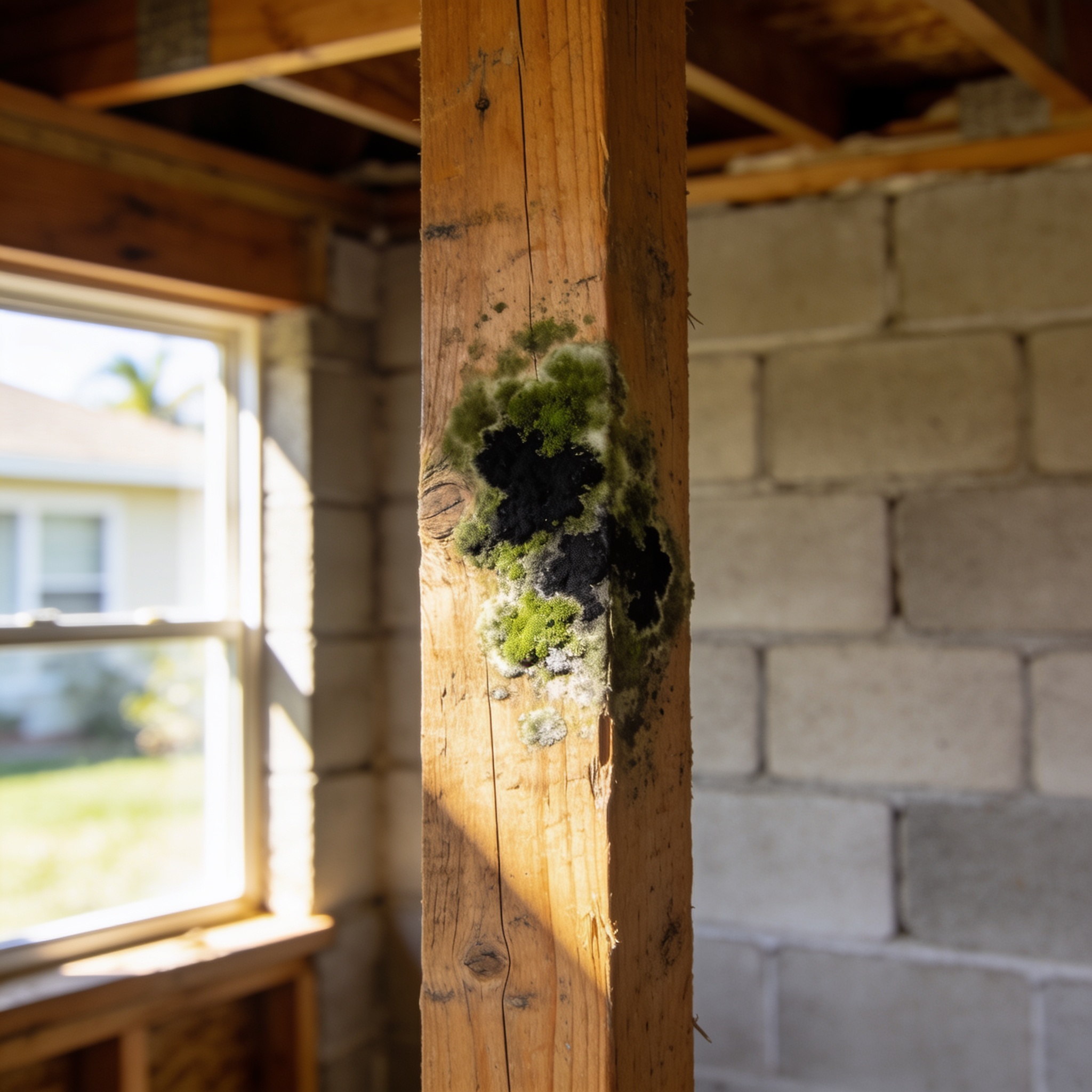
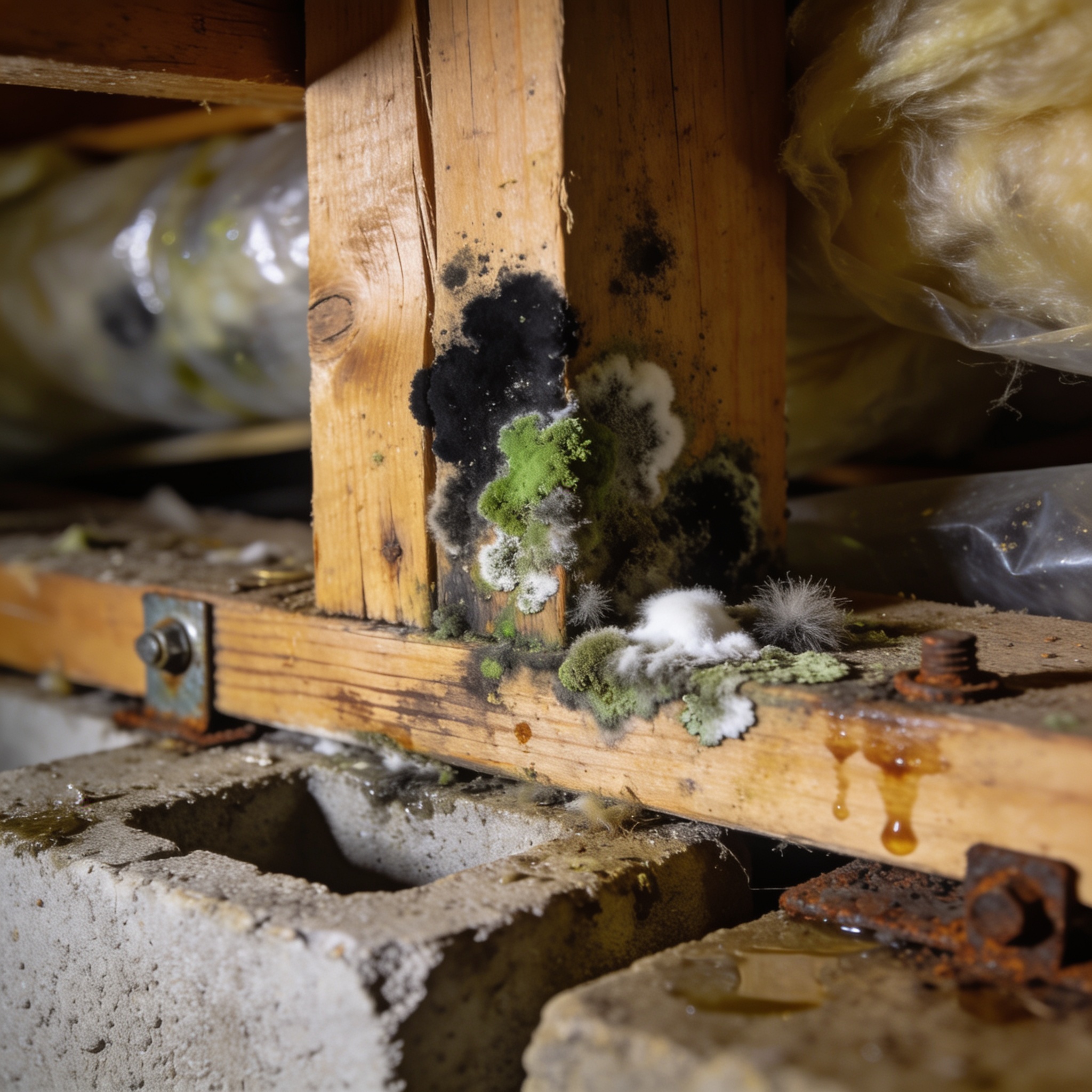
Visible mold on wood studs often presents as fuzzy, discolored patches ranging from white and gray to black or green. You may also notice a distinct musty odor, especially in areas where water damage has occurred behind baseboards or inside an exterior wall. In Lee and Collier counties, high humidity levels often exacerbate these issues, making it common to find moldy lumber after a storm event. If you notice mold growing on the studs, it is a sign that moisture has penetrated the wall cavity. Exposure to these spores indoors can trigger allergic reactions, causing you to sneeze or develop red eyes.
What supplies are needed for mold removal from wood studs?
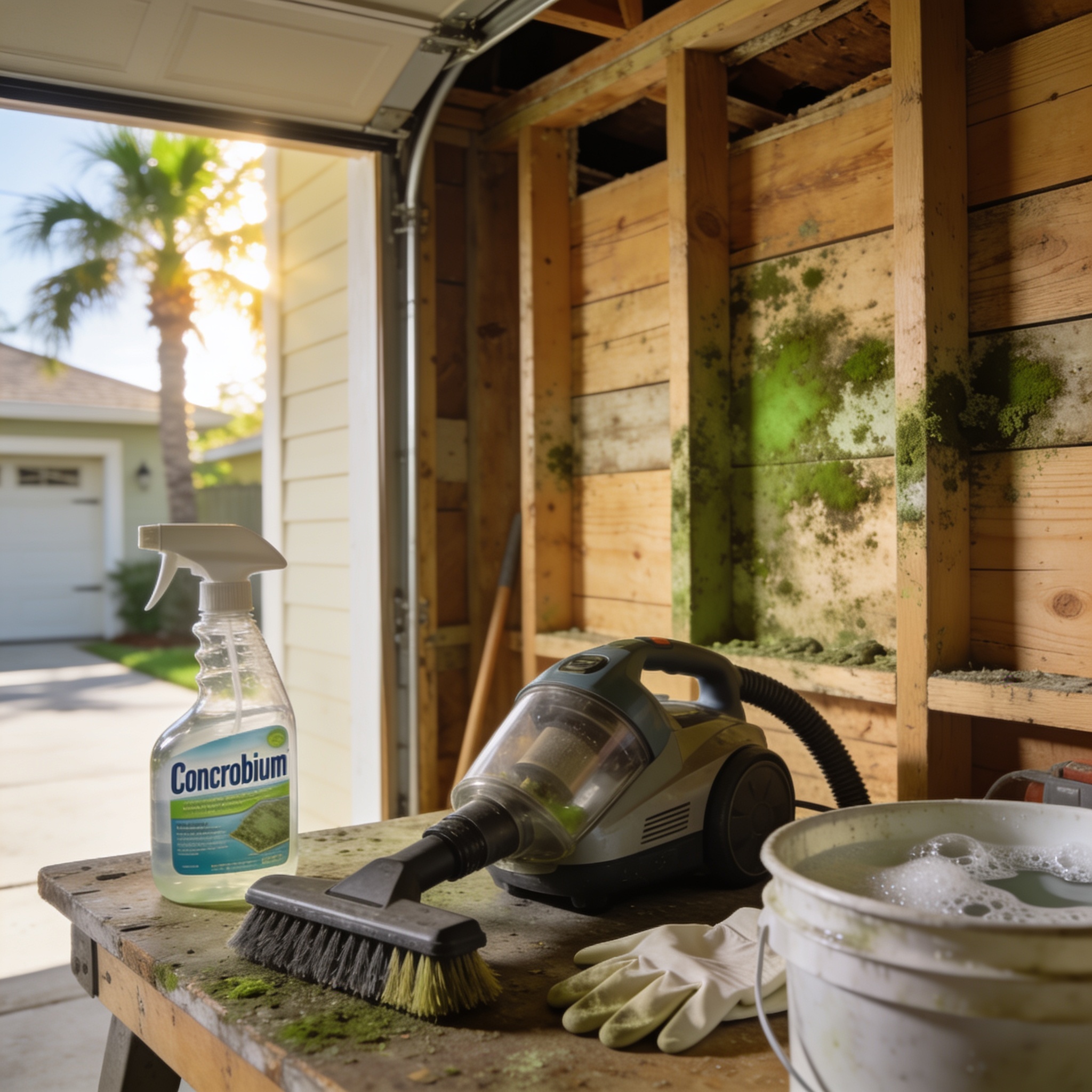
Essential supplies for this task include a P100 respirator, nitrile gloves, safety goggles, and a stiff-bristled brush. You will also need an EPA-registered antimicrobial solution, a HEPA-filtered vacuum, and heavy-duty contractor bags for disposing of contaminated insulation or drywall. Wearing proper protective gear is mandatory for your safety. Having these items ready ensures you can safely manage the moldy area without spreading spores throughout your home. If you are working in a confined space, ensure the area is well-ventilated to protect your respiratory health.
How to get rid of mold on wood framing or studs: step-by-step
The 5-step removal checklist for treating mold on wood studs involves containment, cleaning, drying, sealing, and monitoring.
- Contain the area: Seal off the room with plastic sheeting to prevent mold spores from migrating to other parts of your home.
- Remove contaminated materials: Carefully remove and discard any moldy drywall, insulation, or debris that cannot be salvaged.
- Scrub the wood: Use an antimicrobial solution and a stiff brush to remove surface mold from the studs thoroughly.
- Dry the lumber: Utilize a commercial-grade dehumidifier to ensure the wood moisture content drops below 16% and dry thoroughly before proceeding.
- Seal the surface: Apply a high-quality, mold-resistant primer like Zinsser to the studs to encapsulate any remaining microscopic spores.
Bleach and chemical treatments for mold growth
You should use specialized antimicrobial sprays like Concrobium, which are designed to crush mold spores as they dry. While some homeowners ask if they should use bleach or ammonia, the EPA notes these do not effectively kill mold on porous surfaces like wood and can actually provide moisture that encourages further growth. If you choose to use a cleaning solution, be aware that it may only bleach the color of the mold rather than removing the roots. For a safer alternative, hydrogen peroxide can be used to treat the surface. Never keep the mold in place, as it will continue to spread to the subfloor or other structural elements.
Remove mold from the frame and structure
Permanent mold elimination on wood requires both the physical removal of the fungal growth and the permanent correction of the underlying moisture source. To remove all the mold, you must address the entire frame. If the mold is everywhere, you may need to replace the affected studs entirely. After scrubbing the wood, applying a professional-grade sealant prevents the remaining mold from returning. If you are dealing with significant Water Damage Restoration, ensure the wood is completely dry before applying any coatings. This abatement process is vital for ensuring the longevity of your framing.
Floor and subflooring considerations
Mold and mildew often migrate from wall studs down to the floor. If you find mold on the wood near the base of the wall, inspect the subflooring and floor joists for signs of rot. If you are working on a year-old house, check for construction debris that may grow mold if it was trapped behind the walls during the building process. Ensure that any hardwood flooring nearby is protected during the cleanup process to prevent staining.
Types of mold and serious infestations
You should contact a professional mold remediation company if the mold growth covers an area larger than 10 square feet or if you suspect the mold has compromised the structural integrity of your home. Serious mold infestations require specialized equipment to handle Water Damage Restoration. Professionals can help you control mold before it spreads further. Relying on experts is especially important if you are dealing with toxic black mold or extensive damage to a load-bearing beam.
Indoor air quality and prevention
Maintaining a consistent indoor humidity level below 60% is the most effective way to prevent mold from coming back after your project is complete. Ensure your windows and doors are properly sealed and that your bathroom and kitchen have adequate exhaust ventilation. Installing a vapor barrier in your crawlspace or basement can also help keep the wood framing dry throughout the humid Florida seasons. You should also insulate pipes to prevent condensation and ensure that non-moldy materials are kept away from moisture sources. Proper ventilation helps exchange indoor air with outdoor air, reducing the risk of recurrence.
Frequently asked questions
Understanding the nuances of mold treatment helps homeowners make informed decisions during their renovation projects.
Is it safe to leave mold on studs if I just paint over it?
No, painting over mold without cleaning it first will lead to peeling paint and continued mold growth underneath the surface.
How does Florida humidity affect mold on wood?
High relative humidity in Southwest Florida provides the constant moisture that mold needs to thrive on organic materials like wood studs.
Can I use vinegar to treat mold on wood?
Vinegar can kill some types of mold, but it is often less effective than professional-grade antimicrobial solutions for deep-seated infestations.
What should I do if I find mold behind my shower tile?
Mold behind tile usually indicates a plumbing leak or failed waterproofing, which requires immediate professional investigation to prevent structural rot.
| Method | Effectiveness | Best Use Case |
|---|---|---|
| Antimicrobial Spray | High | Surface mold and prevention |
| Sanding | Medium | Removing deep stains on studs |
| Encapsulation | High | Final step after cleaning |
See also: mold remediation
Related: how much mold remediation
Our editorial team verifies licensing and reviews for every restoration company in the directory and writes practical, Florida-specific guides to help homeowners act fast and protect their insurance claims after water, fire, mold or storm damage.