How to Test for Mold in a Basement: A Step-by-Step Professional Guide
The most reliable way to test for mold in a basement is to hire a certified professional for an air quality assessment, which typically costs between $300 and $600 depending on the square footage of your property in Southwest Florida. Because our region experiences extreme humidity and frequent tropical storm events, homeowners must understand how to test for mold in basement environments to protect their structural investments. Whether you are dealing with a post-hurricane flood or chronic condensation, identifying the presence of fungal growth early is the primary factor in preventing long-term property damage. If you suspect mold in your home, timely intervention is essential to remove mold spores and protect your indoor air quality.
SR
SWFL Restoration Editorial
Nov 6, 2026 7 min read
Key Takeaways
Professional air sampling is significantly more accurate than a DIY mold test kit for identifying hidden mold colonies.
Southwest Florida’s high humidity levels create a constant breeding ground for mold in sub-grade spaces.
Visible discoloration or a persistent musty odor are immediate indicators that you need a professional home inspection.
Effective mold prevention requires maintaining indoor humidity levels below 60% and you should use a dehumidifier to keep moisture in check.
Insurance coverage for mold remediation often depends on whether the growth resulted from a sudden, covered peril like a pipe burst.
What Are the Signs of Mold in a Basement?
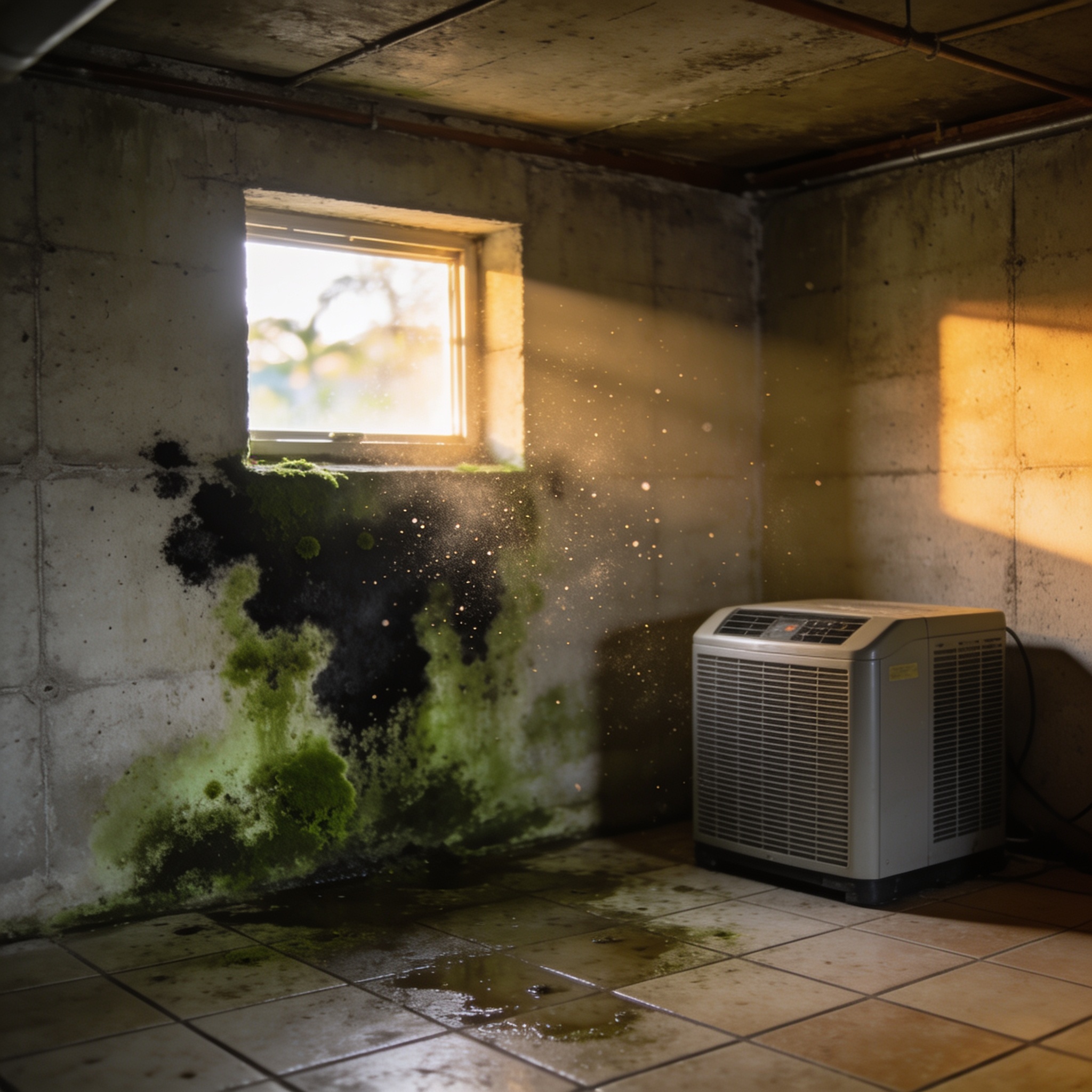
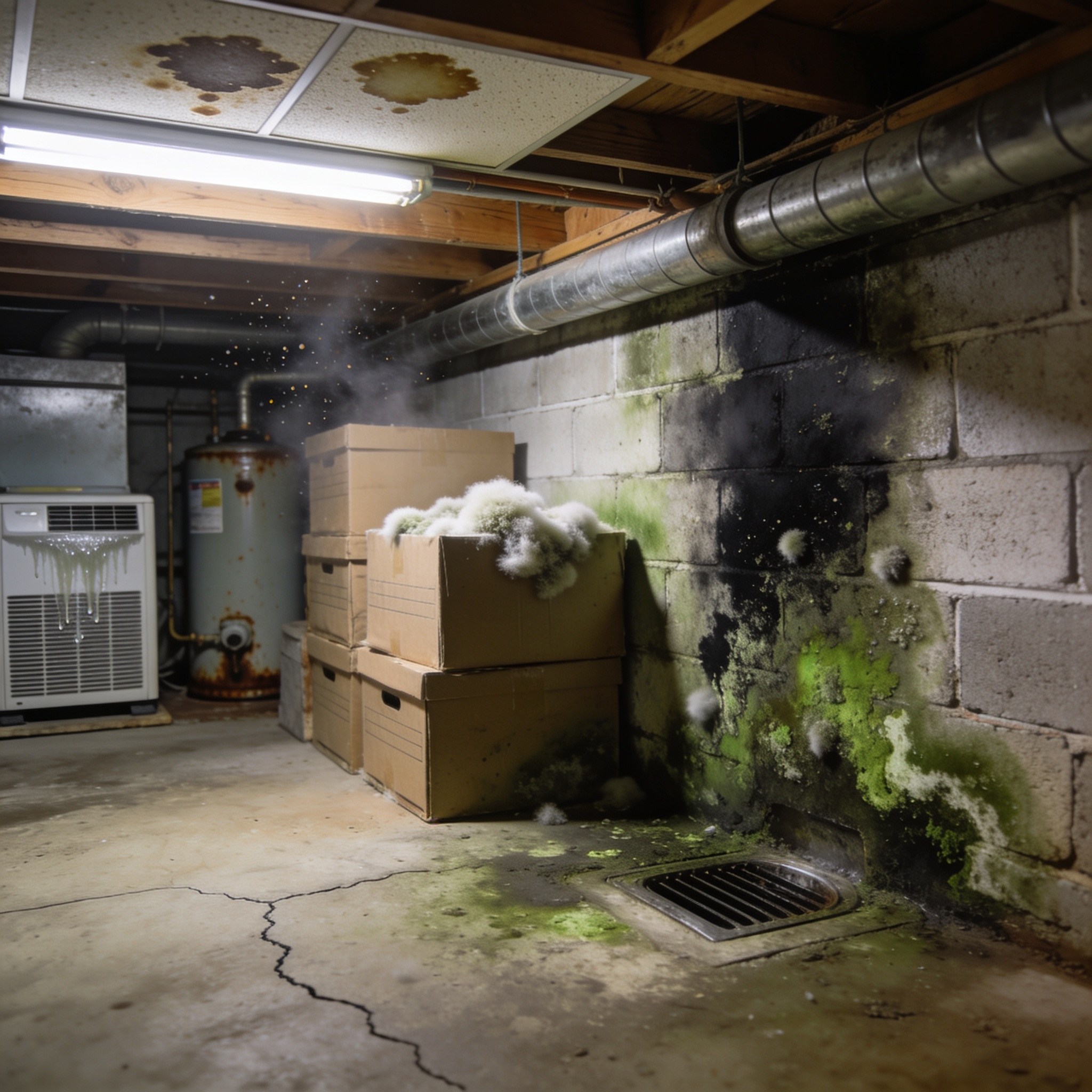
The most common signs of mold in a basement include visible spots on walls, a persistent musty odor, and unexplained respiratory irritation among residents. In Southwest Florida, our high water table often leads to hydrostatic pressure against concrete foundations, forcing moisture through porous materials. You should immediately investigate if you notice dark, fuzzy discoloration on drywall, wood framing, or stored cardboard boxes. If you see mold growing on surfaces, it is often just the tip of the iceberg, as the root system may have already penetrated deep into the building materials. Common symptoms of mold exposure often include the urge to sneeze, itchy eyes, or congestion, all of which can affect your health.
The 5 visual signs of basement mold
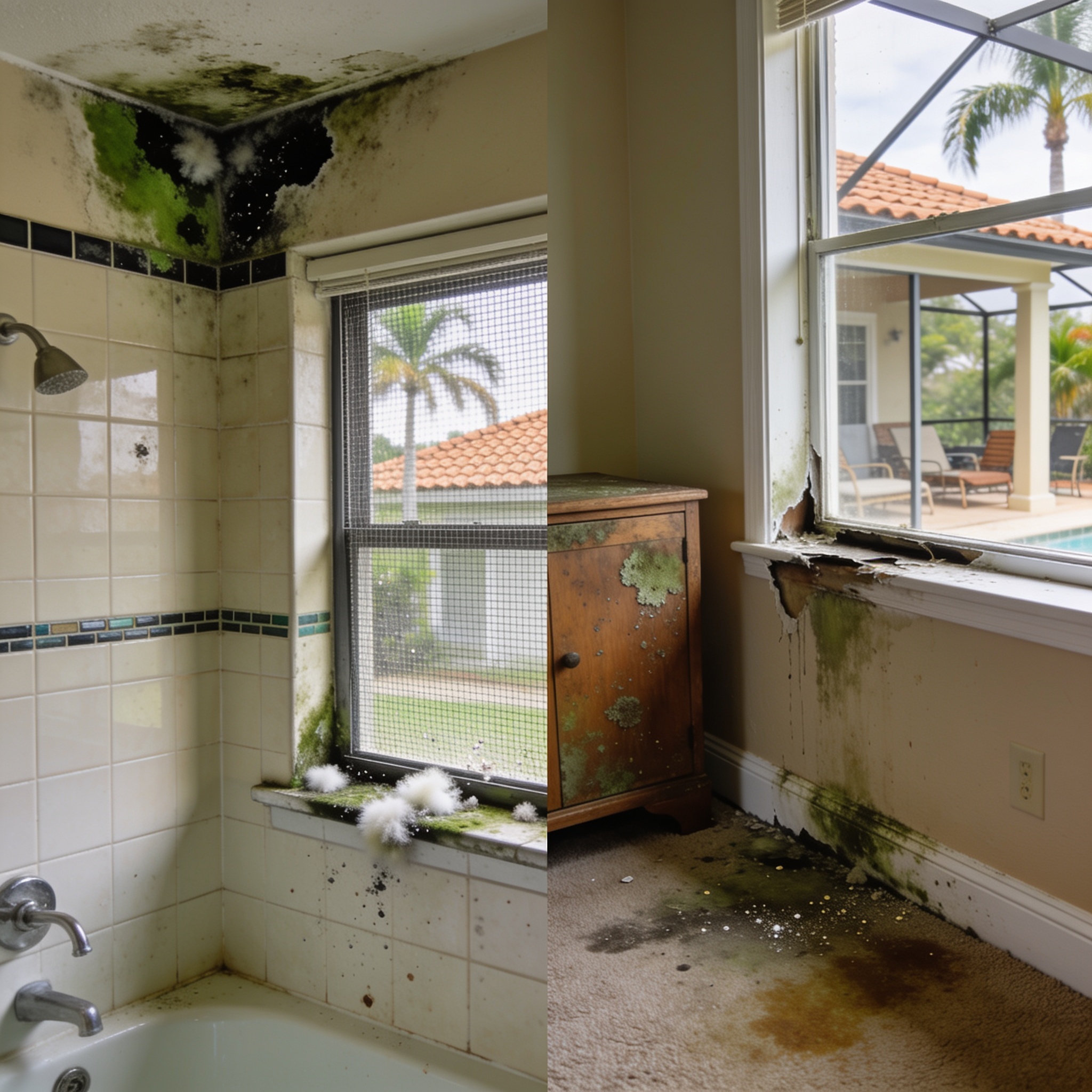
Visible Discoloration: Patches of black or green spots appearing on concrete, wood, or drywall surfaces.
Musty Odor: A damp, earthy smell that lingers even after the basement has been ventilated or cleaned.
Peeling Paint or Wallpaper: Moisture trapped behind wall coverings causes bubbling, peeling, or cracking in the finish.
Condensation on Pipes: Persistent water droplets on cold water lines indicate high humidity levels that support fungal growth.
Warped Building Materials: Buckling floorboards or soft, crumbling drywall are clear indicators of long-term moisture exposure.
Mold Type and Mold Growth
The most common mold type found in basements is Cladosporium, though Aspergillus and Penicillium are also frequently identified in Florida homes. These fungal species thrive in the dark, damp environments typical of sub-grade spaces where air circulation is restricted. While homeowners often worry about toxic mold known as Stachybotrys chartarum, any significant fungal growth should be treated as a health hazard. It is important to identify mold species correctly, as some may be classified as allergenic mold, which can act as a potent allergen for sensitive individuals. Whether you are dealing with common black mold or white mold, the amount of mold present dictates the urgency of the situation.
Black Mold and Indoor Mold
Indoor mold in the basement can easily affect other areas of the house because spores travel through the HVAC system and airflow currents. Your home’s heating, ventilation, and air conditioning system acts as a distribution network, pulling air from the basement and circulating it into living spaces upstairs. If you suspect a mold problem, it is vital to inspect your ductwork to ensure that contaminants are not being spread throughout your entire home. This cross-contamination is why prompt professional mold remediation is essential to get rid of mold before it colonizes new areas. If you have excess moisture in your crawlspace or foundations, mold grows in areas that are often overlooked, leading to widespread infestations.
Indoor Air Quality and Test Kits
The most accurate way to test for mold in a basement is through professional air sampling, which captures airborne mold spores for laboratory analysis. While you can purchase a DIY mold test kit from retailers, these tools are often unreliable and fail to provide the context needed for a remediation plan. A professional mold inspector will use specialized equipment like moisture meters and thermal imaging cameras to identify the source of moisture. Professional air quality testing provides a baseline measurement of spore counts compared to the outdoor environment—which exists both indoors and outdoors—which is necessary to determine if an indoor issue exists.
Testing Method
Accuracy Level
Best For
Air Sampling
High
Detecting hidden colonies in walls or ducts
Surface Swab
Medium
Identifying a specific mold type on a surface
DIY Test Kit
Low
General awareness, not for professional decisions
Professional Inspection
Highest
Determining total mold inspection costs and scope
Symptoms of Mold
Common signs of mold exposure include persistent sneezing, itchy eyes, skin rashes, and respiratory distress that worsens when you are inside the home. Individuals who are allergic to mold or have underlying respiratory conditions like asthma are at the highest risk for severe symptoms. If you notice that your health improves when you leave the house for extended periods, it is a strong indicator that indoor air quality may be compromised. Always consult a medical professional if you suspect that your symptoms are related to your home environment.
Is It Safe to Live in a House That Has Mold in the Basement?
Living in a house with significant mold growth is generally considered unsafe, especially if the mold is widespread or in an area with high airflow. The IICRC recommends that any mold infestation larger than 10 square feet should be handled by a professional to ensure safety and prevent further contamination. If you have recently experienced flooding, such as during a hurricane, you may need Water Damage Restoration to mitigate the moisture before mold takes hold. Leaving mold unaddressed can lead to structural decay and persistent health issues for all occupants.
Cost of a Mold Inspection and Mold Inspection Costs
The average cost of a mold inspection in Southwest Florida typically ranges from $300 to $600, depending on the size of the basement and the number of samples required. This fee covers the professional inspector’s time, the use of specialized diagnostic tools, and the laboratory analysis of collected samples. While this might seem like an extra expense, it is far more affordable than the cost of how much mold remediation if the problem is left to escalate. Always verify that your inspector is certified and independent from the remediation company to avoid potential conflicts of interest.
When Should You Consider Professional Mold Testing or Remediation?
You should consider professional intervention if you can see mold growth, smell a persistent musty odor, or if you have experienced recent water damage. Professional remediation is required when the mold has infiltrated porous materials like drywall, insulation, or carpet padding that cannot be effectively cleaned. If you are in Charlotte County and need assistance, seeking Water Damage Restoration services can stop the moisture source that is fueling the growth. Taking action early prevents the mold from spreading to structural wood members, which would significantly increase the cost of repairs. When in doubt, hire a professional to assess the situation.
HVAC System and Prevention
The most effective way to prevent mold growth is to control indoor humidity levels by keeping them consistently below 60% and you should use a dehumidifier to maintain this balance. Regularly inspecting your basement for leaks, ensuring proper drainage around your foundation, and maintaining your HVAC system are critical steps to protect your home. In Southwest Florida, our climate is naturally prone to mold, so you must be proactive about moisture management. By keeping your basement dry and well-ventilated, you create an environment where mold cannot thrive, effectively protecting your home from future fungal infestations.
Frequently asked questions
The following answers address the most common concerns regarding basement mold management in the Florida climate.
Can I just use bleach to kill the mold?
Bleach is generally ineffective on porous surfaces like drywall or wood because it only kills the surface mold while leaving the roots intact, and it does not address the underlying moisture problem.
Does homeowners insurance cover mold testing?
Coverage depends entirely on your policy and whether the mold was caused by a “covered peril” like a sudden pipe burst; mold resulting from long-term humidity or neglect is rarely covered.
How long does it take for mold to grow after a flood?
Mold can begin to grow within 24 to 48 hours of a water intrusion event, which is why immediate drying and dehumidification are critical.
Is it necessary to move out during mold remediation?
In most cases, you do not need to move out, but the work area must be sealed off with containment barriers to prevent the spread of spores to the rest of the house.
SR
SWFL Restoration Editorial
Local restoration research team
Our editorial team verifies licensing and reviews for every restoration company in the directory and writes practical, Florida-specific guides to help homeowners act fast and protect their insurance claims after water, fire, mold or storm damage.