How to Prevent Window Mold: A Homeowner’s Essential Guide
The most effective way to prevent mold on windows in Southwest Florida is to maintain indoor relative humidity levels between 30% and 50% using a high-capacity dehumidifier, as excess moisture is the primary driver of fungal colonization. By managing the interior climate of your home in Lee, Collier, or Charlotte counties, you can significantly reduce the likelihood of condensation forming on your glass and frames. Implementing these proactive measures is far more cost-effective than paying for extensive remediation after a storm or prolonged humidity event. Because your home is vulnerable to mold in these climates, staying vigilant is key to protecting your property value and reducing the overall risk of mold in your living spaces.
Key Takeaways
- Maintaining indoor humidity below 50% is the most critical factor in preventing fungal growth near glass surfaces.
- Condensation on windows acts as a moisture source that fuels mold spores, particularly in humid climates like SWFL.
- Regular inspection of window sills and frames allows homeowners to catch early signs of growth before they spread to drywall.
- Proper ventilation, especially in bathrooms and kitchens, is essential to stop window condensation from accumulating.
- Professional intervention is recommended if the mold covers a large area or if you suspect the growth has penetrated the wall cavity.
What are the common causes of condensation and how do they cause mold?
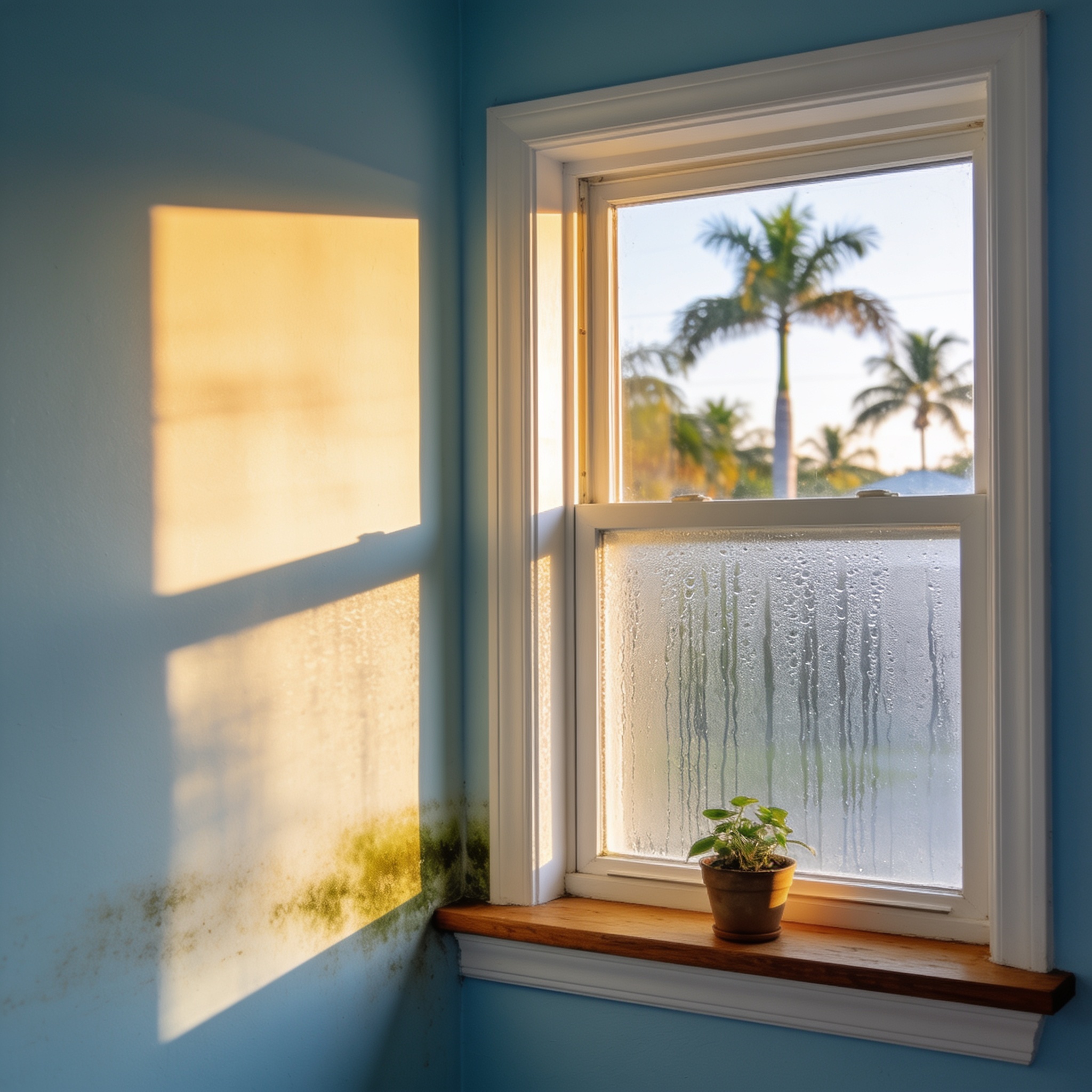
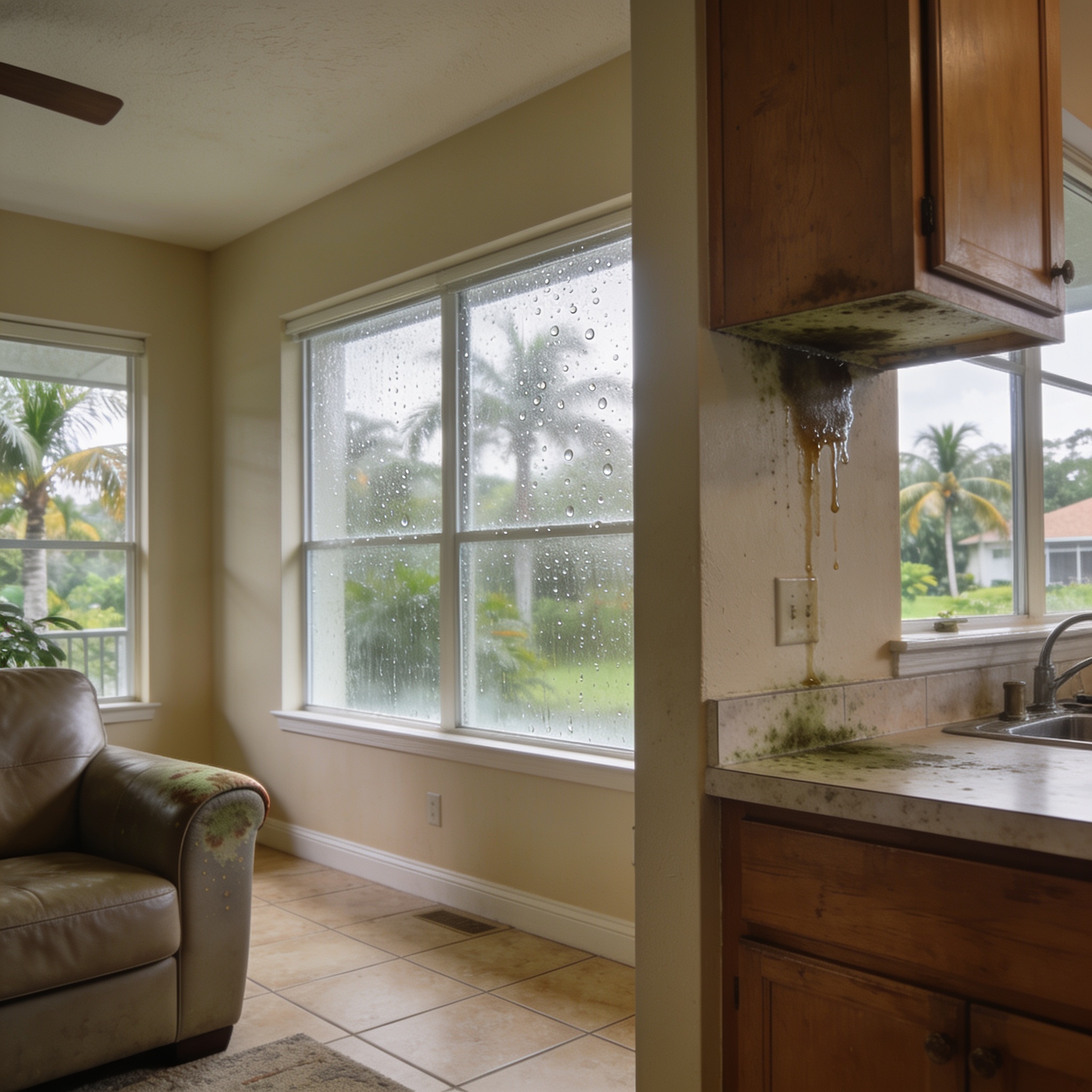
The primary cause of mold on windows is the accumulation of condensation resulting from the temperature differential between the hot, humid Florida exterior and your air-conditioned interior. When warm, moist air meets a cold glass surface, it creates water droplets that settle on the sill and window frame. This moisture provides the perfect environment for mold spores to land and thrive. In SWFL, high humidity levels often lead to mold growing if the home lacks adequate insulation or if the window seals have degraded over time. These conditions frequently cause mold to establish itself in the corners of frames.
Why do I keep getting mold around my windows?
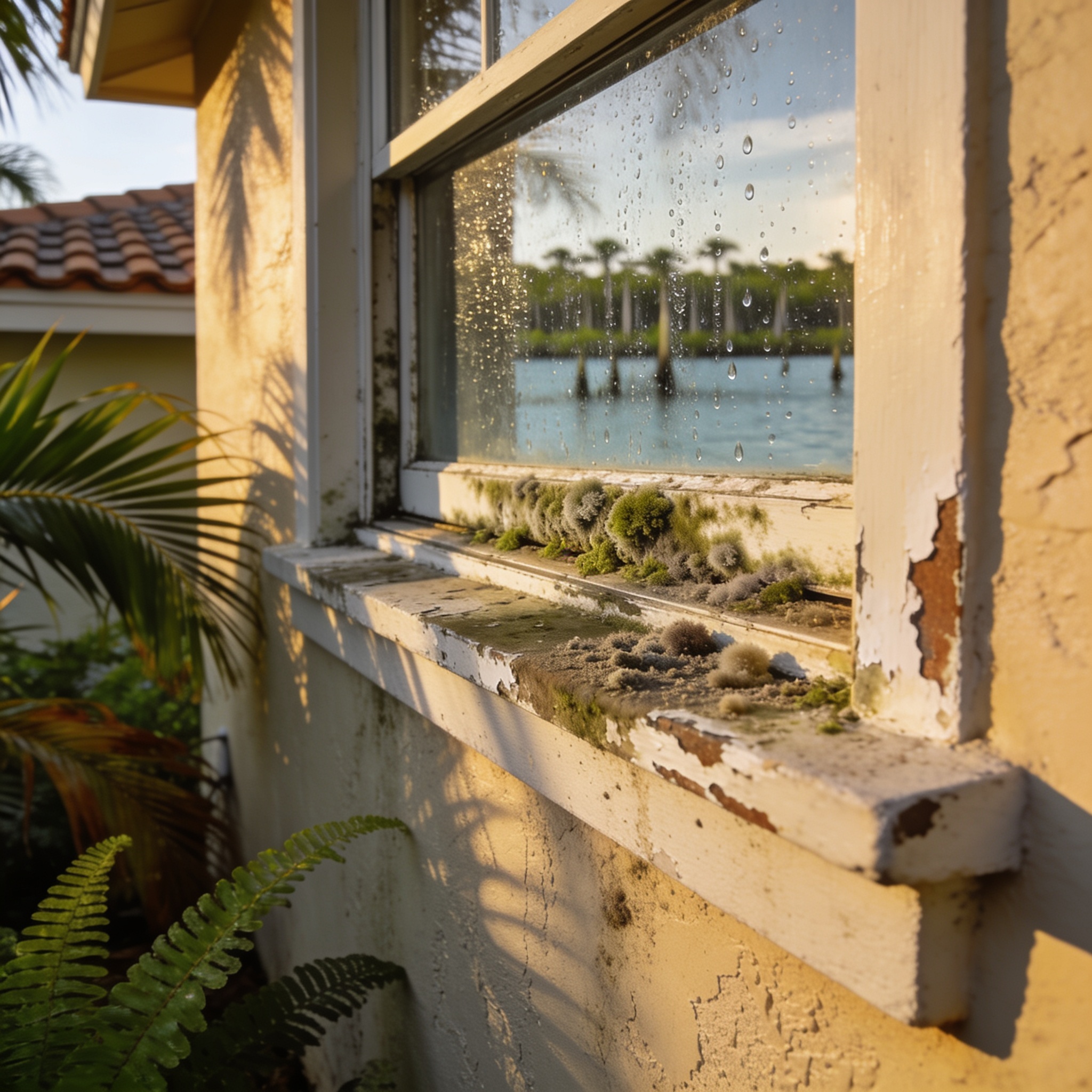
Persistent mold growth around windows is typically caused by inadequate ventilation or structural issues that trap moisture against the frame. If you notice recurring spots, it is likely because the area is not drying out between humidity spikes. Older windows often lack the thermal insulation required to prevent the glass from becoming cold enough to trigger condensation. Additionally, heavy curtains can block airflow, creating a stagnant pocket of air where moisture lingers and encourages mold from growing. If you have any type of mold appearing repeatedly, it suggests that your current window seals are no longer well insulated.
Is mold on windows dangerous to my health?
Mold on windows can pose health risks, particularly to individuals with underlying respiratory conditions like asthma or severe allergies. According to the EPA, exposure to mold spores can trigger allergic reactions, including sneezing, skin rashes, and red eyes. While specific health impacts vary by individual, the presence of mold in a living space is generally considered a red flag for poor indoor air quality. If you find mold in your home, it is important to address the moisture source immediately to mitigate the risk of spreading mold to other parts of your property.
What kills mold spores on windows — and how to clean mold?
The most effective way to eliminate mold spores on non-porous surfaces like glass is using a solution of detergent and water, followed by a professional-grade antimicrobial treatment. While many homeowners reach for bleach, the EPA notes that bleach is not always effective at killing mold on porous materials like wood window sills because it does not penetrate the surface. For deep-seated growth, you may need to consult a specialist to determine if you require professional mold remediation near me. Always wear a respirator and safety goggles when cleaning and removing mold to prevent inhalation of spores.
What are natural remedies for cleaning and removing mold?
Natural remedies such as white vinegar or tea tree oil can be effective for surface-level mold cleaning on window frames. Vinegar is acidic and can kill many species of mold, while tea tree oil acts as a natural mold inhibitor. To use these, spray the solution onto the affected area, let it sit for at least an hour, and then wipe it away with a clean cloth. Do not mix different cleaning agents, as this can create dangerous chemical reactions in your home.
Does keeping a window open help or hinder?
Opening a window can help prevent mold only if the outdoor dew point is lower than the indoor temperature, which is rarely the case in humid Southwest Florida. In our climate, keeping a window open often introduces more moisture into the home, which can exacerbate condensation on windows. If you must leave a window open, do so only during the driest parts of the day. Using exhaust fans in bathrooms and kitchens is a much more reliable method to reduce condensation than relying on natural ventilation.
How to stop window condensation and prevent mold on the windowsill?
You can prevent mold from growing by following a consistent maintenance schedule that targets moisture control and surface cleanliness. The following list outlines the five proven steps to keep your windows clear and healthy.
The 5 proven steps to prevent mold
- Use a hygrometer to monitor indoor humidity: Keep your home’s relative humidity between 30% and 50% to prevent the moisture levels that lead to mold growth.
- Wipe down condensation daily: Use a dry cloth to remove any visible water droplets on your glass or sill as soon as you notice them to stop condensation.
- Improve indoor ventilation: Ensure that your HVAC system is functioning properly and use exhaust fans during showers or cooking to prevent water vapor from settling on cold surfaces.
- Inspect and replace weatherstripping: Check the seals around your windows regularly to ensure that warm, humid air is not leaking into your home and creating a condensation-prone environment.
- Keep window areas clear: Avoid placing heavy curtains or furniture directly against the glass, as this restricts airflow and creates a stagnant environment where mold thrives.
How do new window installations help?
Energy-efficient windows help prevent mold by providing superior thermal insulation, which keeps the interior glass surface warmer and reduces the likelihood of condensation forming. Unlike older windows, modern double-pane insulated glazing creates a thermal break that prevents the cold exterior temperatures from transferring to the interior pane. Investing in a new window replacement can significantly decrease the amount of moisture that collects on your sills during the humid summer months. If you have recently experienced water damage, you may also need to check for hidden moisture behind the frame, which may require water damage restoration sanibel services.
When should I find mold and call a professional?
You should call a professional if the mold covers an area larger than 10 square feet or if you suspect that the growth has penetrated behind the drywall or window frame. Persistent mold that returns shortly after cleaning is often a sign of a deeper moisture issue, such as a leaking roof or compromised building insulation. Contacting a certified expert ensures that the root cause of the moisture is identified and addressed according to IICRC standards. If you are concerned about the financial aspect, you can research how much does mold remediation cost to prepare for the necessary repairs. Ignoring the problem can lead to structural water damage, which may require comprehensive water damage services to resolve.
| Strategy | Effectiveness | Frequency |
|---|---|---|
| Dehumidification | High | Continuous |
| Wiping Condensation | Medium | Daily |
| Exhaust Fans | High | During Use |
| New Window Installation | High | One-time |
| Regular Cleaning | High | Weekly |
Frequently asked questions
Homeowners often have specific concerns regarding the maintenance of their window frames and the prevention of fungal growth in the Florida climate.
Can I use bleach to remove mold from my window sills?
Bleach is generally not recommended for porous materials like wood window sills because it cannot penetrate the surface to kill the roots of the mold. Using a specialized antimicrobial detergent is a much safer and more effective way to remove the mold from your window frames and keep mold at bay.
How do I know if my window mold is toxic?
All mold should be treated as a potential health hazard, regardless of whether it is identified as a specific toxic strain. Do not attempt to test the mold yourself; instead, focus on removing the moisture source and cleaning the area thoroughly to stop mold from returning.
Does mold on windows mean I have a leak?
Mold on windows is often caused by condensation, but it can also be a sign of a failed seal or a roof leak that allows water to enter the wall cavity. If you notice water staining around your window frames, you should investigate the source immediately to prevent further structural damage and resolve your mold issues.
How often should I clean my window sills to prevent mold?
In Southwest Florida, you should aim to wipe down your windowsill at least once a week during the humid season. Consistent cleaning and removing the mold before it becomes visible is the best way to keep your home healthy.
Will my homeowners insurance cover mold remediation?
Most standard homeowners insurance policies in Florida do not cover mold remediation unless it is the direct result of a covered peril, such as a sudden pipe burst. Review your specific policy documents or contact your agent to understand your coverage limitations regarding mold and mildew and water damage.
See also: mold remediation near me
See also: Water Damage Restoration
See also: Water Damage Restoration
Related: How Much Does Mold Remediation Cost
Our editorial team verifies licensing and reviews for every restoration company in the directory and writes practical, Florida-specific guides to help homeowners act fast and protect their insurance claims after water, fire, mold or storm damage.