How to Prevent Closet Mold: Expert Tips for a Fresh Space
You can effectively prevent mold in your closet by maintaining indoor humidity levels below 60% and ensuring adequate air circulation, which typically costs less than $100 in preventative supplies. Implementing these strategies is critical in Southwest Florida, where the combination of high ambient moisture and potential for water leaks creates a constant threat to your clothing and storage spaces. To help prevent mold, it is essential to monitor moisture and humidity levels, as these factors directly contribute to the musty smell often found in stagnant areas. Addressing dampness early is key to keeping your wardrobe dry and fresh.
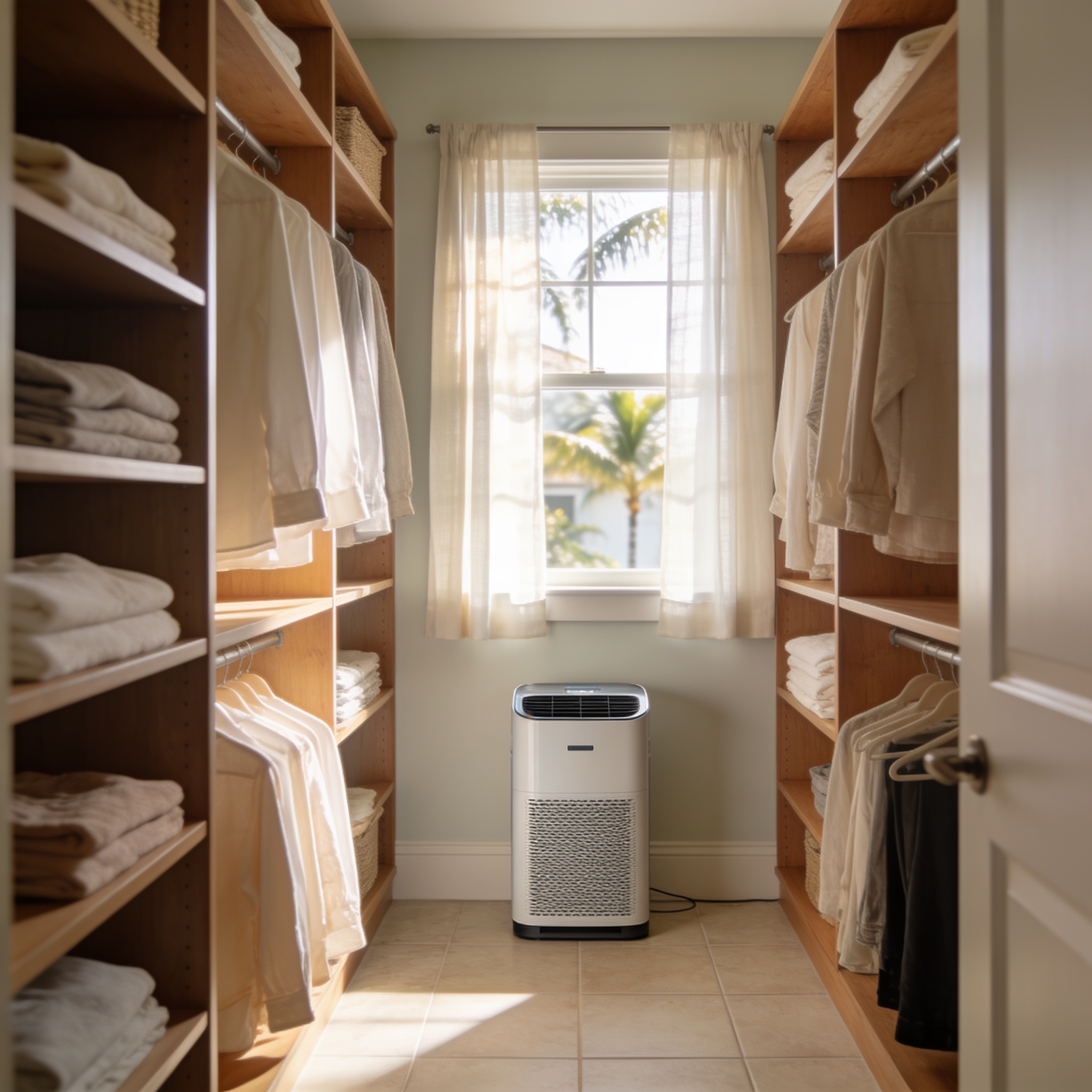
Key Takeaways
- Maintaining relative humidity between 30% and 50% is the most effective way to prevent mold growth in any closet.
- Always inspect your closet for signs of water leaks from roof issues or plumbing lines, especially after heavy storm events.
- Proper ventilation is essential to stop the accumulation of moisture that leads to a musty odor.
- Professional intervention is recommended if you discover mold growth covering an area larger than 10 square feet.
- Regularly decluttering your space allows air to circulate, which is a primary defense against fungal development.
- Use moisture-absorbing products to help prevent mold and mildew from settling on your upholstery or delicate fabrics.
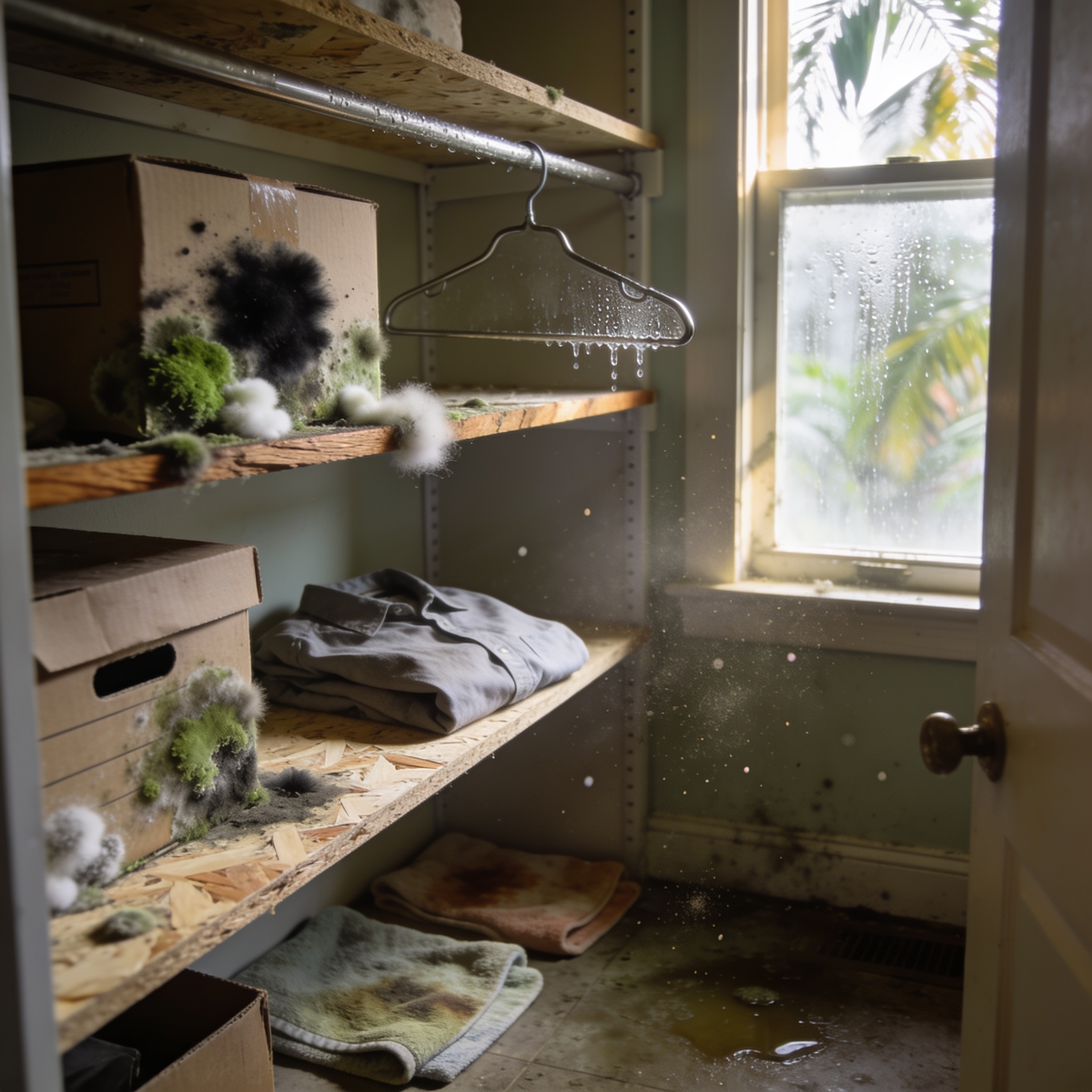
What are the signs of mold in a closet?
The earliest signs of mold in a closet often manifest as a persistent musty odor or visible fuzzy patches on clothing and walls. You may also notice discoloration on your drywall, particularly if your closet shares a wall with a bathroom or an exterior surface prone to condensation. If your storage area is near a bathroom, the excess moisture can easily migrate, leading to rapid growth in your closets. Remember that mold feeds on dirt and organic fibers, so keeping surfaces clean is a vital preventative step.
The 7 visual signs of black mold
- Visible fuzzy growth: Small, velvet-like patches in green, black, or white appearing on fabrics or wood surfaces.
- Persistent musty odor: A damp, earthy smell that lingers even after you have aired out the space.
- Discolored spots on walls: Circular or irregular stains on the drywall that suggest moisture trapped behind the paint.
- Warped or buckling baseboards: Physical distortion of wood trim usually caused by long-term exposure to moisture.
- Peeling or bubbling paint: Paint that separates from the wall surface indicates high humidity or a hidden leak.
- Staining on stored items: Dark spots on leather goods, shoes, or linen that indicate a spore colony has taken hold.
- Increased allergy symptoms: Sneezing, coughing, or skin irritation that occurs only when you are inside your closet.
What causes mold to grow in closets?
Mold thrives in closets primarily because these spaces often lack sufficient ventilation and are prone to stagnant air. In Southwest Florida, the high humidity levels outside can easily penetrate interior spaces, especially if there is a hidden leak in the plumbing or roof. Closets provide a dark, undisturbed environment where moisture in the air can settle, making it vital to control moisture to prevent mildew from taking hold. Poor ventilation is a primary culprit, as it allows moisture to linger in humid environments.
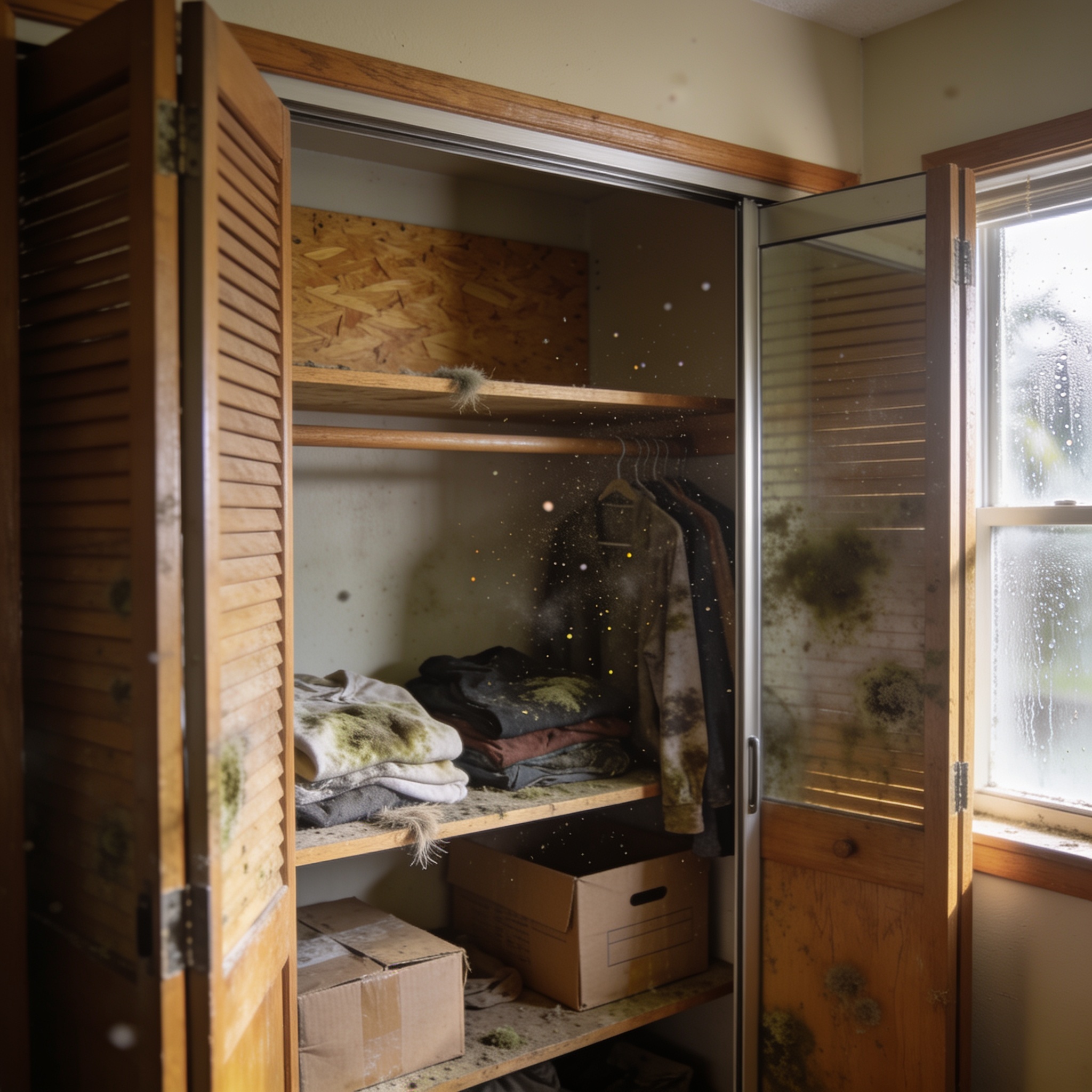
What time of year is worst for mold (and why closets are especially vulnerable)?
The summer months in Lee and Collier counties represent the worst time for mold growth due to extreme heat and tropical humidity. During hurricane season, the risk of water damage increases significantly, making it vital to check for leaks that can turn a dry closet into a damp environment within 24-48 hours. Always ensure you do not store damp clothing or shoes in these spaces, as they significantly increase the risk of fungal development. If you must store damp clothing, ensure it is fully dry first, as wet items take longer to dry in enclosed spaces.
Can I sleep in my room if my closet has mold?
You should avoid sleeping in a room with active mold growth until the area has been properly remediated to protect your indoor air quality. If you are concerned about the extent of the contamination, you can search for mold remediation near me to find local experts who can assess the safety of your living space.
How can I prevent mold in my closet?
Consistent air circulation and moisture control are the two most effective ways to prevent mold growth in your home. You should avoid overpacking your closet to ensure that air can move freely between your garments. If you live in a flood-prone area, consider professional Water Damage Restoration assessments to ensure your home’s envelope is secure. To help prevent, use a natural cleaning solution like tea tree oil to wipe down shelves, and always ensure you wash your clothes thoroughly before long-term storage. Incorporating mold-resistant materials during renovations can also provide a long-term defense.
What can I hang in my closet to prevent mold?
Using a desiccant or moisture-absorbing product is a practical method to keep your closet dry and mold-free. Products containing silica gel are highly effective at pulling moisture from the air in small, enclosed spaces. Ensure you replace these items every few months to maintain their efficacy. These products act to absorb excess water, which is a key step to reduce excess humidity that fuels fungal growth. If you notice an item is slightly damp, remove it immediately to prevent cross-contamination.
How do I control humidity in my closet?
You should use a dehumidifier in or near your closet if you notice the air feels heavy or damp. By removing moisture from the air, you keep humidity levels well below the threshold where mold spores typically germinate. This is especially important if your closet is built over a carpet or against an exterior wall. You can also use a fan to encourage circulating air, which helps dry wet areas effectively. When selecting materials and finishes for your closet, opt for mold-resistant finishes that provide an antimicrobial barrier.
How do I clean mold from my closet and clothes?
Cleaning mold requires a careful approach using non-toxic solutions like white vinegar or hydrogen peroxide to neutralize the fungus. For clothing, wash items in hot water with a heavy-duty detergent to kill any remaining spores. If the damage is extensive, you may need to consult a specialist to learn how much does mold remediation cost before attempting a large-scale DIY project. Be sure to remove any dried food or debris that might attract moisture.
When should I call a professional for closet mold?
You must call a professional if the mold covers a large surface area or if you suspect the growth is hidden behind the walls. Professionals have the specialized equipment to perform Water Damage Restoration residents trust when dealing with deep-seated moisture issues. If you find a pipe issue, repair any leaks immediately to stop the moisture source.
How do Japanese bathrooms not get mold — and what can closets learn from it?
Japanese homes prioritize high-efficiency ventilation systems and dry-room technology to prevent moisture buildup in enclosed spaces. By mimicking this approach, you can install better ventilation or use exhaust fans in adjacent rooms to keep your closet dry. This strategy is particularly effective for a custom closet design in humid climates. Avoid using plastic bags for long-term storage, as they trap moisture against clothing in your closets, creating a perfect breeding ground for spores. Instead, store items in breathable containers, like cotton bags, to allow for better airflow.
| Strategy | Benefit | Frequency |
|---|---|---|
| Dehumidification | Lowers moisture levels | Daily |
| Decluttering | Improves air circulation | Monthly |
| Desiccant use | Absorbs ambient humidity | Quarterly |
| Surface Cleaning | Reduce excess moisture | Bi-annually |
Frequently asked questions
Understanding the basics of mold prevention helps homeowners protect their property and belongings from the humid Florida climate.
Does a closet door help or hurt mold growth?
Keeping a closet door closed can trap moisture, but keeping it open allows for better air circulation, which is essential for prevention.
Can I store leather shoes in a damp closet?
You should never store leather items in a damp closet because organic materials provide a food source for mold spores.
Is silica gel safe for pets and children?
Silica gel is generally non-toxic, but you should keep it in secure containers to prevent accidental ingestion.
How often should I inspect my closet?
You should perform a visual inspection of your closet every few months, especially after heavy rain or high-humidity events.
Our editorial team verifies licensing and reviews for every restoration company in the directory and writes practical, Florida-specific guides to help homeowners act fast and protect their insurance claims after water, fire, mold or storm damage.