How to Get Rid of Pink Mold in the Shower Effectively
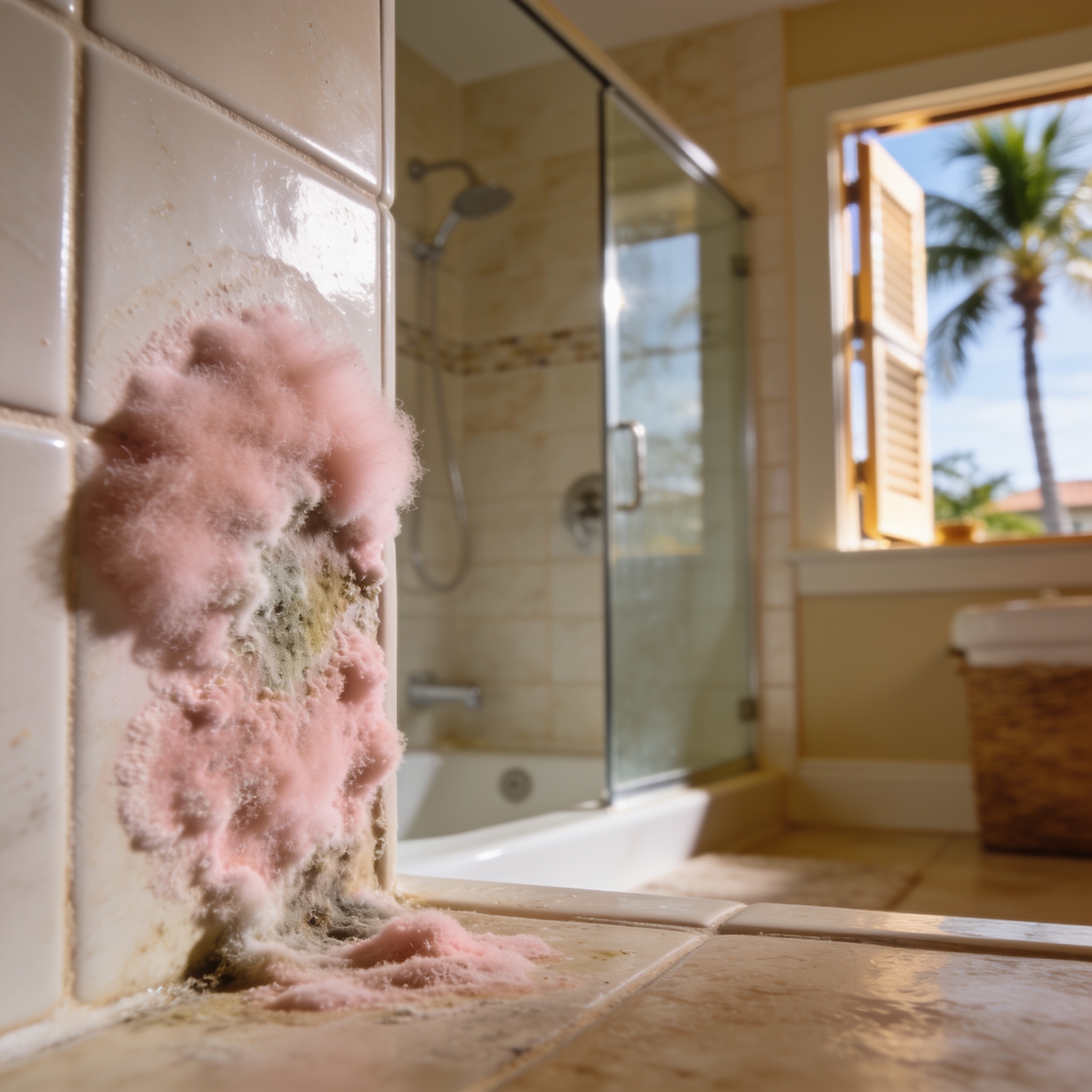
You can effectively get rid of pink mold in the shower by using a simple vinegar and baking soda solution or a standard disinfectant, which typically costs less than $10 to apply. This persistent pink film is not actually a fungus but a resilient bacterium that thrives in the humid, high-moisture environment common to Southwest Florida homes.
Key Takeaways
- Pink mold is technically a bacterium called Serratia marcescens, not a true mold species.
- It feeds on soap scum and fatty deposits left behind on shower surfaces.
- Regular cleaning and proper ventilation are the most effective ways to prevent pink mold from returning.
- High humidity in Lee and Collier counties makes bathrooms particularly susceptible to this growth.
- Professional intervention may be required if the growth spreads to porous materials like caulk or grout.
What is clean pink mold, and is it actually mold?
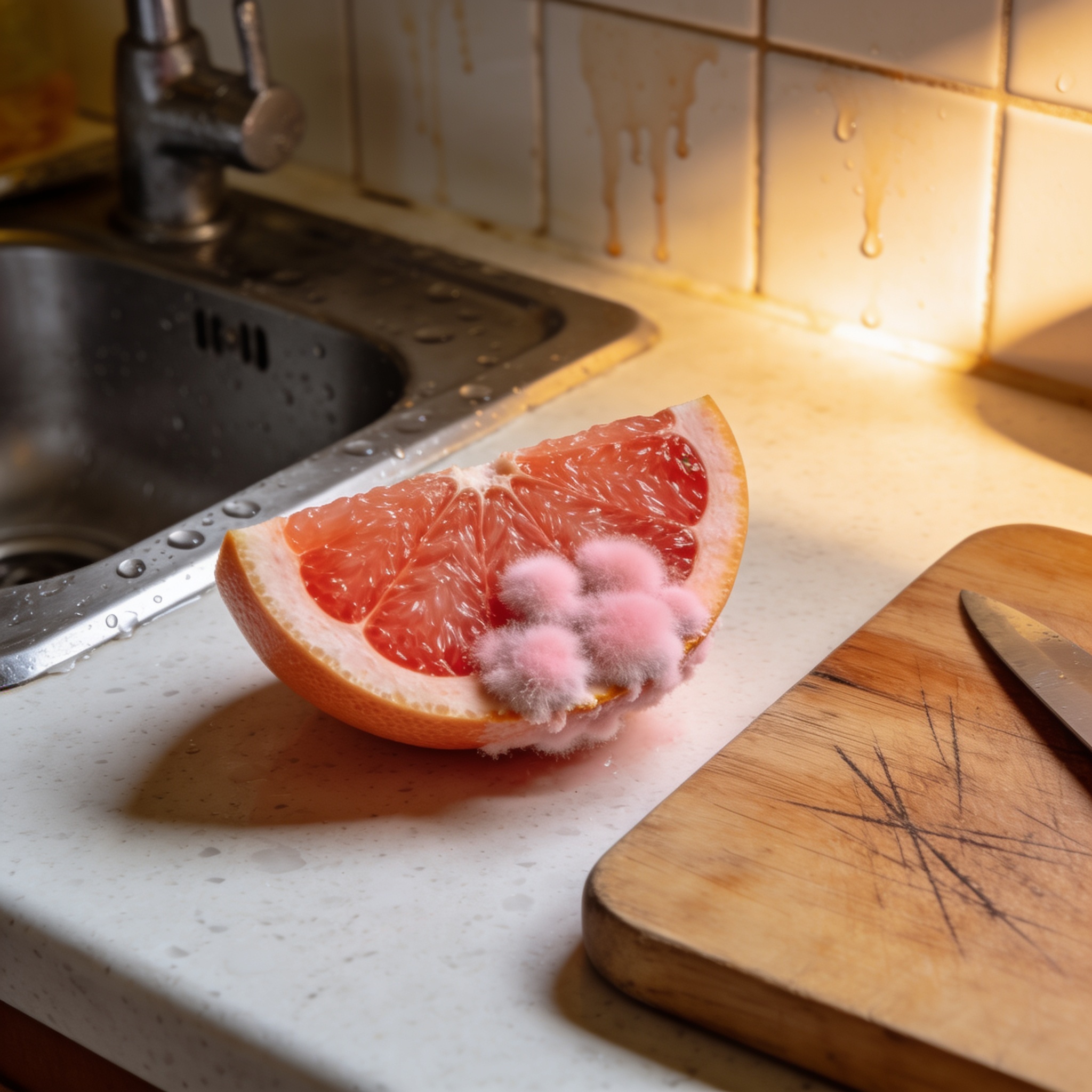
To properly clean pink mold, you must understand that the substance is actually a bacterium known as Serratia marcescens rather than a fungus. This bacterium produces a distinctive pink or orange pigment that creates a slimy residue on your ceramic shower walls and grout. While it is not a traditional mold, it behaves similarly by colonizing damp areas and spreading across non-porous surfaces.
What causes bacteria to grow in your shower?
The primary cause of this growth is the presence of fatty substances and soap residue that provide a food source for the bacteria. These bacteria multiply quickly when they find a steady supply of shampoo residue and soap scum in the warm, humid climate of Southwest Florida. High indoor humidity levels, common near the coast, keep surfaces wet for extended periods, allowing the colony to thrive in areas prone to moisture.
Does Serratia marcescens come from tap water, and can a shower filter help?
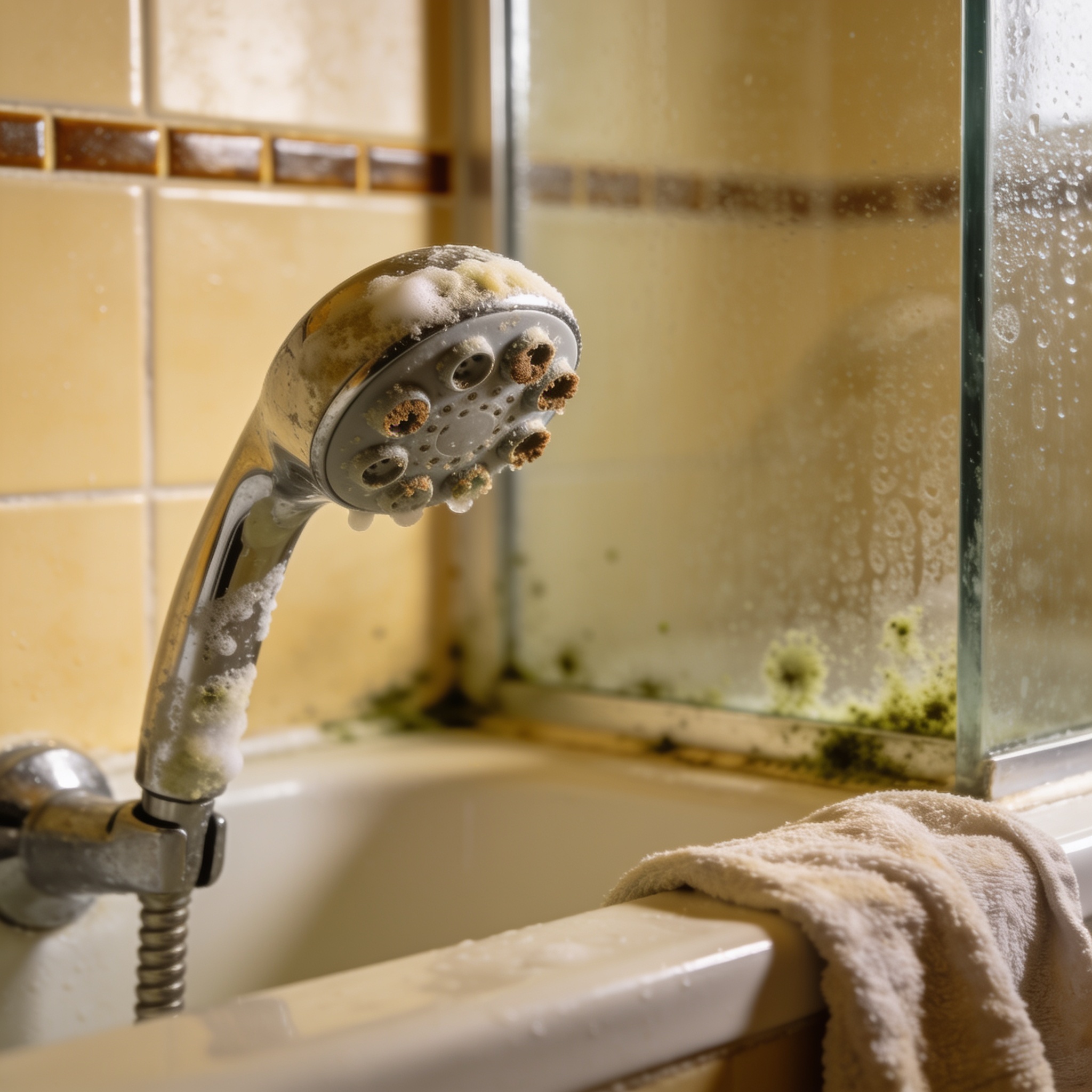
The bacteria are often airborne and can be introduced into your home through water supplies or ventilation systems. While some homeowners believe a shower filter will solve the problem, these devices do not effectively eliminate the bacteria already present in your bathroom environment. The focus should remain on removing the food source rather than filtering the water, as the bacteria often feed on mineral deposits left behind by hard water.
Is pink mold toxic or dangerous to your health?
Pink mold is generally considered an opportunistic pathogen that can cause health issues for individuals with compromised immune systems. Exposure to this bacterium can lead to respiratory infections or urinary tract issues if the organism enters the body through open wounds or catheters. If you notice extensive growth, you may want to consult with mold remediation companies to ensure your home remains safe.
What are the 5 steps to get rid of pink mold in the shower
Follow these five specific steps to effectively clean and remove the pink film from your bathroom surfaces.
- Step 1: Prepare a cleaning solution by mixing a hydrogen peroxide-based formula or equal parts white vinegar and water in a spray bottle.
- Step 2: Spray the affected areas thoroughly and let sit for at least 10 minutes to break down the soap scum and mildew.
- Step 3: Use an old toothbrush or a stiff-bristled brush to scrub every corner and grout line where the bacteria hide.
- Step 4: Rinse the surface completely with hot water to remove all loosened residue, sodium compounds, and cleaning agents.
- Step 5: Wipe the shower walls dry with a clean cloth or squeegee to prevent moisture buildup near the drain.
What is the best conventional cleaner for pink mold in showers?
A standard disinfectant or a mild bleach solution is often the most effective conventional cleaner for eliminating this bacterium and any associated stain. Always ensure you wear protective gloves when using a harsh cleaner to protect your skin from chemical irritation. If the buildup is severe, you might need to check our How Much Does Mold Remediation Cost to see if professional help is more economical.
Why does pink mold keep coming back, and when should you call a professional?
Pink mold keeps coming back because the underlying food source—soap scum—is not being fully removed during your routine cleaning. You should call a professional if the growth has penetrated deep into the caulk or behind the wall, which could indicate underlying Water Damage Restoration. Persistent recurrence often suggests that your bathroom lacks proper ventilation, potentially leading to more serious issues like black mold.
How can you establish a habit of preventing pink mold?
The best way to prevent pink mold is to establish a habit of wiping down your shower walls after every use. Using an exhaust fan during and after your shower significantly reduces the moisture levels that allow this bacterium to thrive. Consistent hygiene practices, such as washing your shower curtain regularly, will also stop the buildup of fatty deposits.
| Action | Frequency | Benefit |
|---|---|---|
| Squeegee walls | Daily | Removes moisture |
| Deep scrub | Weekly | Eliminates food source |
| Run exhaust | During/After | Lowers humidity |
Frequently asked questions
Below are common inquiries regarding the management of bacterial growth in Florida bathrooms.
Can I use bleach to kill pink mold?
Yes, a diluted bleach solution is an effective disinfectant that will kill the bacteria on contact.
Is pink mold the same as black mold?
No, pink mold is a bacterium, whereas black mold is a fungus that often requires Water Damage Restoration services.
Does pink mold grow in the toilet bowl?
Yes, it can grow in the toilet bowl or sink if soap residue and moisture are present.
How often should I clean my shower to prevent pink mold?
You should perform a thorough cleaning at least once a week to prevent the buildup of soap scum.
Our editorial team verifies licensing and reviews for every restoration company in the directory and writes practical, Florida-specific guides to help homeowners act fast and protect their insurance claims after water, fire, mold or storm damage.