How to Get Rid of Mold on Window Sill: A Complete Removal Guide
You can effectively remove mold on window sill surfaces by using a simple solution of white vinegar or a diluted bleach mixture, typically costing less than $10 in materials. Addressing these mold issues promptly is critical in Southwest Florida, where high humidity levels often fuel rapid fungal colonization around your windows. By following a structured cleaning process, you can restore your home’s indoor air quality and protect your property from further degradation. Whether you are dealing with mold on windows or general mildew, this guide covers the best practices for keeping your home healthy and safe, including how to clean the area around the window effectively.
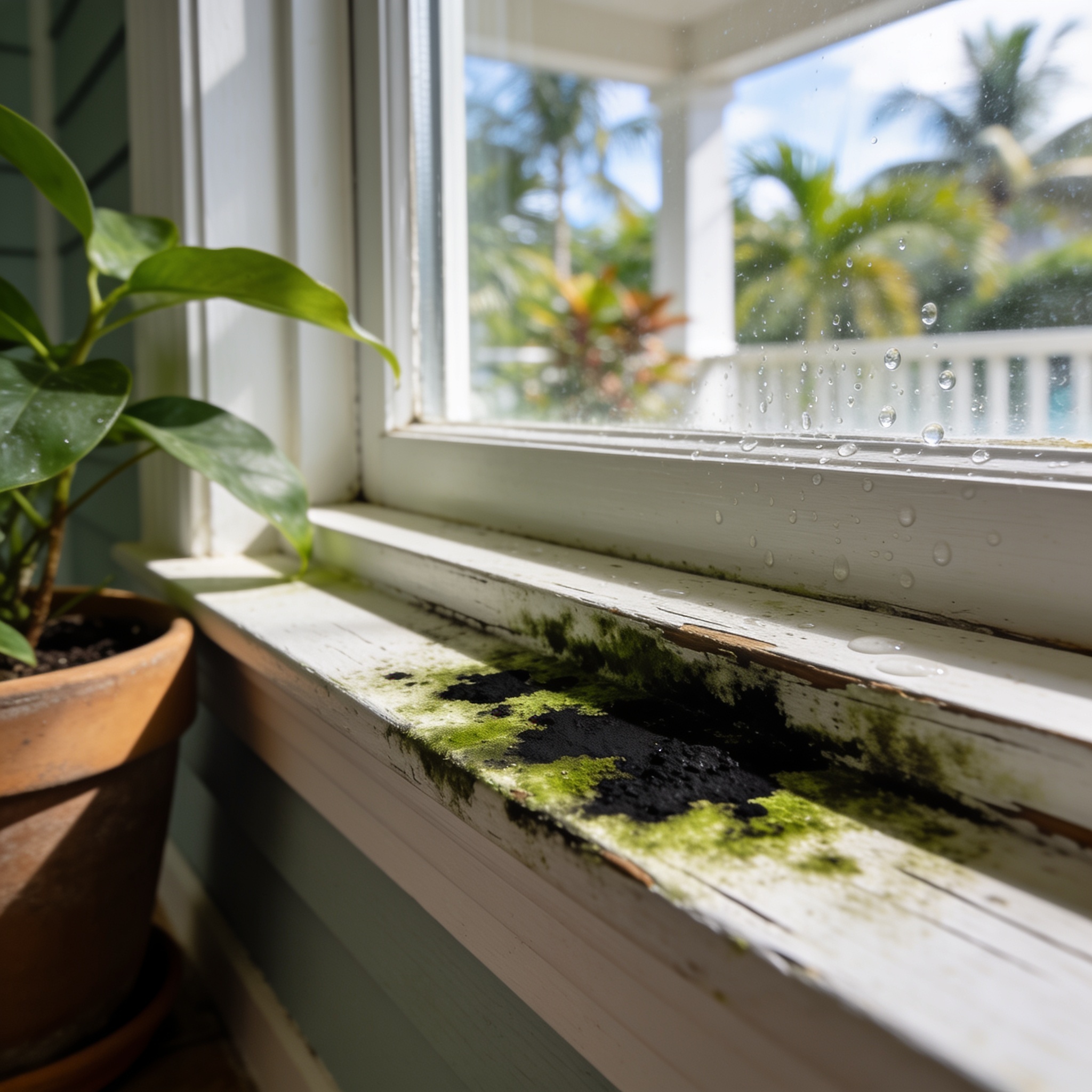
Key Takeaways
- High humidity in SWFL creates the perfect environment for mold growth on window sills.
- Always prioritize safety by wearing protective gear before cleaning mold.
- Vinegar is highly effective for non-porous surfaces, while bleach may be necessary for deep stains.
- Consistent ventilation and moisture control are the only ways to prevent further growth.
- Professional intervention is required if mold covers more than 10 square feet.
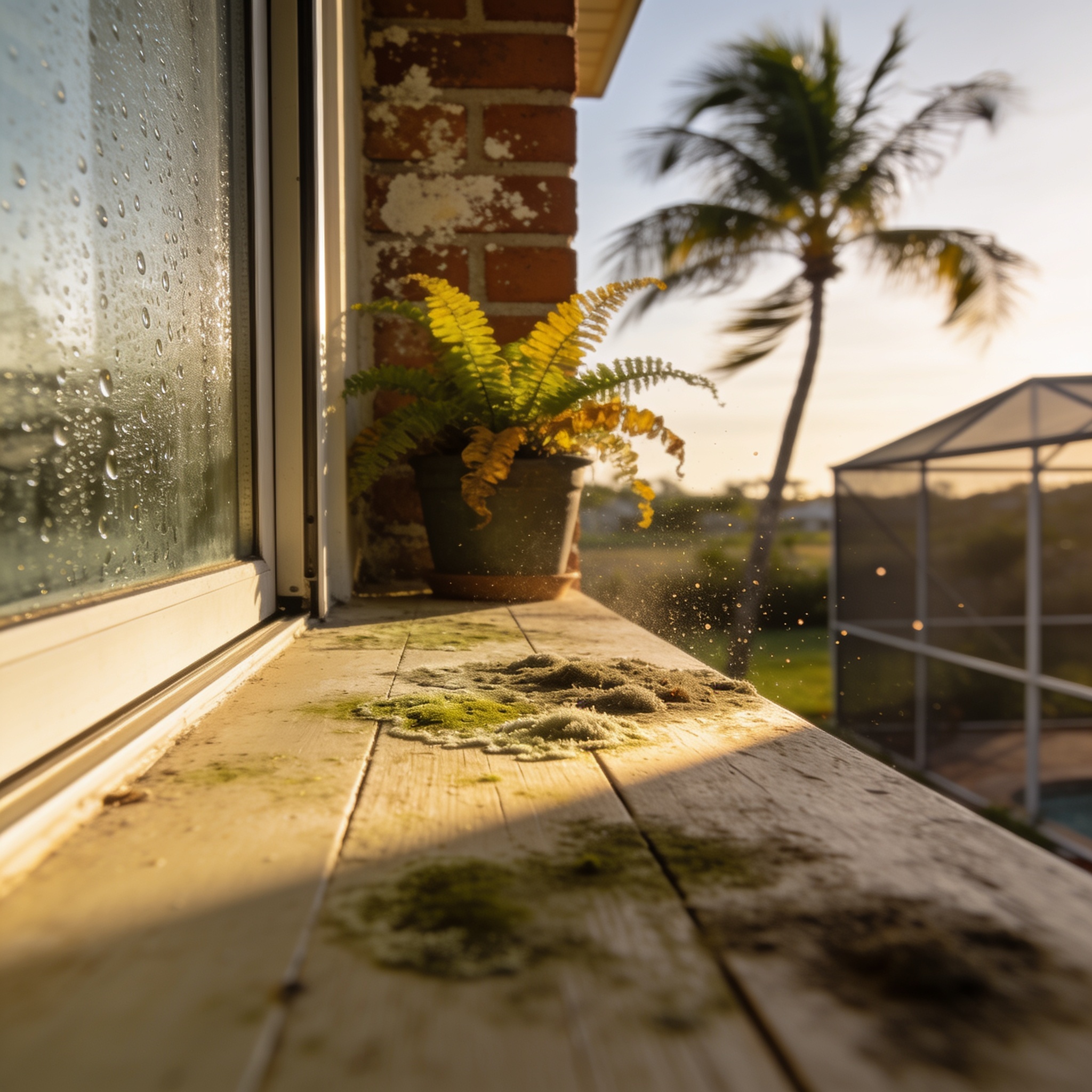
Why Are You Getting Mold on Your Window Sill? (Common Causes Explained)
The primary driver of mold on window sills in Southwest Florida is the combination of high outdoor humidity and interior condensation. When warm, moist air hits the cooler glass of your window frame, it creates moisture that settles on the sill. This stagnant water provides the perfect breeding ground for mold spores that are naturally present in the environment. In coastal areas like Lee or Collier counties, salt air can also degrade window seals, leading to leaks or condensation that further feed mold growth. If you notice growth on windows, it is often a sign that you need to remove dust and debris that provide nutrients for spores. Furthermore, mold can easily grow on windows if they are located in kitchens and bathrooms where steam is frequently generated.
Is Mold on Window Sills Harmful or Dangerous to Your Health?
Exposure to mold on window sills can trigger respiratory issues, particularly for individuals with asthma or existing mold allergies. While not all mold is toxic, the United States Environmental Protection Agency (EPA) notes that any mold growth should be addressed to maintain healthy indoor air quality. If you notice black mold or dark patches that resemble black mould, you should treat it as a potential health hazard. If you are worried about mold on my window, remember that substances like black mold can cause persistent coughing, sneezing, and skin irritation. Always wear protective clothing when handling these areas to avoid direct contact with spores.
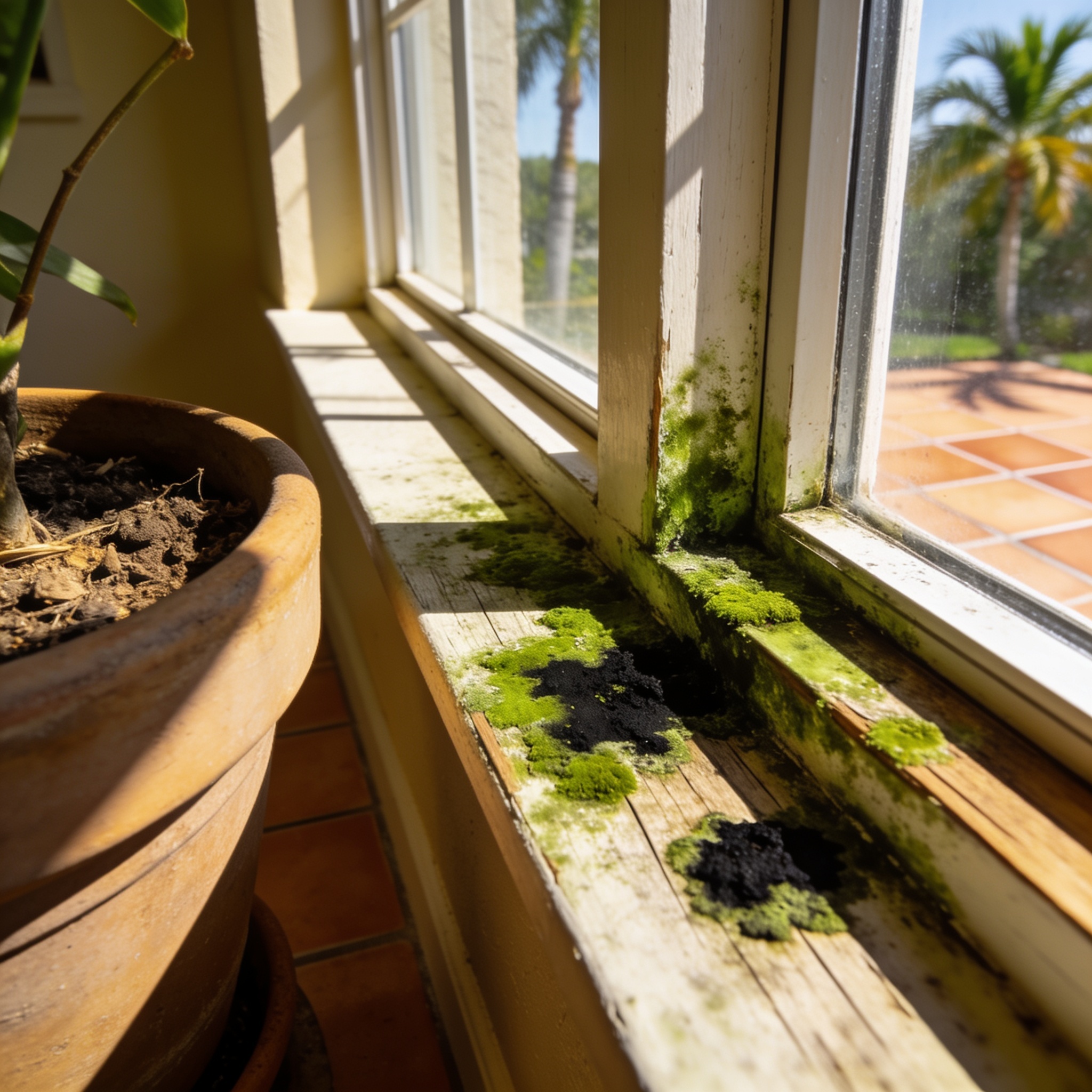
What Safety Precautions Should You Take Before Cleaning Mold from Window Sills?
You must wear protective gear including goggles, gloves, and an N95 mask to protect your respiratory system before you begin cleaning mold. It is vital to wear gloves to protect your skin from harsh cleaning agents. It is also essential to keep the room well-ventilated by opening windows or using a fan to exhaust air outside. If you are dealing with significant water damage restoration, ensure the area is stable before starting. Always be careful not to damage your window finish while scrubbing.
What Are the Best Ways to Kill Mold on Window Sills Permanently?
The most effective way to kill mold on window sills is to eliminate the moisture source while using a EPA-approved cleaner. You should scrub the area with a stiff brush and warm water to remove surface debris before applying your chosen cleaning solution. You can use bleach diluted in water, or a specialized product like mold armor for stubborn stains. After cleaning, you must dry the area thoroughly with a clean microfiber cloth to prevent moisture from returning. This is essential for bathroom and kitchen windows where humidity is highest. Utilizing standard cleaning methods ensures that you address the root cause of the issue.
Can Vinegar Effectively Kill Mold on Window Sills?
White vinegar is an effective, natural cleaner that can kill up to 82% of mold species on non-porous surfaces. You should use white vinegar to clean by pouring it into a spray bottle and applying it liberally to the affected sill. A mixture of vinegar and water is a common household item that works wonders for routine maintenance. Let the vinegar sit for at least one hour to penetrate the mold colonies before you wipe away the residue.
What Natural Remedies Can Be Used to Remove Mold from Window Sills?
Tea tree oil is a potent natural alternative that can remove black mold from window sills without the use of toxic chemicals. Mix one teaspoon of tea tree oil with one cup of water in a spray bottle and shake well. Spray the solution onto the moldy area and allow it to air dry, as this helps prevent further mold and mildew. While effective, this method is best suited for small, localized patches rather than large-scale infestations.
Are Wooden Windows More Prone to Mold Than uPVC Windows?
Wooden windows are significantly more prone to mold growth than uPVC because they are porous and can absorb moisture. Once moisture penetrates the paint or finish of a painted window, the mold can grow deep within the fibers, making it difficult to remove. In contrast, uPVC is non-porous and generally easier to clean windows. The window material plays a huge role in how easily spores can take root around window frames and sills.
Does Leaving Windows Open Cause Mold?
Leaving windows open in Southwest Florida can inadvertently introduce high humidity and mold spores into your home. While airflow is generally good, the extreme dew points common in our region can cause rapid condensation when the outside air hits your air-conditioned interior. If you notice water pooling around windows, you should use a dehumidifier instead of relying on open windows for ventilation. This helps maintain a stable indoor environment and prevents mold from taking hold.
When Should You Hire a Professional to Remove Mold from Your Window Sills?
You should hire a professional if the mold growth covers an area larger than 10 square feet or if it has penetrated deep into the wall structure. Professionals have the specialized equipment to detect hidden moisture. They can also ensure that the remediation process follows IICRC standards to prevent cross-contamination. Attempting to remove black mold yourself can spread spores throughout your HVAC system if not handled correctly. Always check for leaks in your roof or siding that might be contributing to the moisture.
How Can You Prevent Mold from Returning to Your Window Sills?
The 5-step plan to prevent mold from returning involves consistent moisture control and regular maintenance.
- Maintain Humidity Levels: Keep your indoor relative humidity between 30% and 50% using an air conditioner or dehumidifier.
- Wipe Down Surfaces: Use a dry cloth to wipe away condensation from your window sills every morning.
- Improve Airflow: Ensure that curtains or blinds do not block airflow, and use exhaust fans in rooms to help with ventilation.
- Inspect Seals: Regularly check for leaks in your window caulking for cracks or gaps that could allow rain to leak inside.
- Clean Regularly: Perform a light cleaning of your windowsills with a vinegar solution once a month to kill any nascent spores.
Consider Before Cleaning
Before starting any home improvement or deep cleaning project, assess the extent of the damage. If the wood is soft or rotting, cleaning won’t fix the structural issue. Always ensure you have the right bleach solution or vinegar mixture for the specific surface you are treating.
Frequently asked questions
Below are the most common inquiries regarding the maintenance and cleaning of windowsills in humid climates.
Is bleach better than vinegar for killing mold?
Bleach is effective for removing surface stains, but it often fails to kill mold roots on porous surfaces like wood.
How often should I clean my window sills?
In Florida, you should aim to wipe down your window sills at least once a month to prevent dust and moisture buildup.
Can mold grow on aluminum window frames?
Yes, while aluminum is non-porous, mold can grow on the dust and organic debris that accumulates on the frame.
Does home insurance cover mold removal?
Most standard policies do not cover mold unless it is the direct result of a covered peril, such as a burst pipe.
What is the fastest way to dry a window sill?
Using a clean, dry microfiber cloth followed by a small portable fan is the fastest way to remove excess moisture.
| Cleaning Agent | Best Use Case | Effectiveness |
|---|---|---|
| White Vinegar | Non-porous surfaces | High |
| Diluted Bleach | Deep stains/Non-porous | Moderate |
| Tea Tree Oil | Small, localized patches | Moderate |
See also: Mold Remediation and Removal Companies
See also: Water Damage Restoration
See also: Water Damage Restoration
Related: How Much Does Mold Remediation Cost
Our editorial team verifies licensing and reviews for every restoration company in the directory and writes practical, Florida-specific guides to help homeowners act fast and protect their insurance claims after water, fire, mold or storm damage.