How to Get Rid of Black Mold on Shower Grout Effectively
You can effectively remove black mold from shower grout using a simple 5-step process that costs less than $20 in supplies, provided the infestation has not penetrated deep into the wall substrate. Because Southwest Florida’s high humidity levels often exceed 70% for much of the year, learning how to get rid of black mold on shower grout is a critical maintenance skill for every homeowner in Lee, Collier, and Charlotte counties. When you clean bathroom surfaces regularly, you help prevent mold from establishing a permanent foothold. To properly clean grout and tile, you must address the root cause of moisture buildup.
Key Takeaways
- High humidity in Florida creates a constant breeding ground for mold in shower grout.
- Distinguishing between surface-level mildew and deep-seated black mold is essential for choosing the right cleaning method.
- Safety equipment, including gloves and goggles, is non-negotiable when handling cleaning chemicals.
- Professional Mold Remediation and Removal Companies should be contacted if mold covers more than 10 square feet of surface area.
- Consistent ventilation and routine maintenance are the only ways to ensure the fungus does not return after cleaning.
What causes black mold to grow in shower grout?
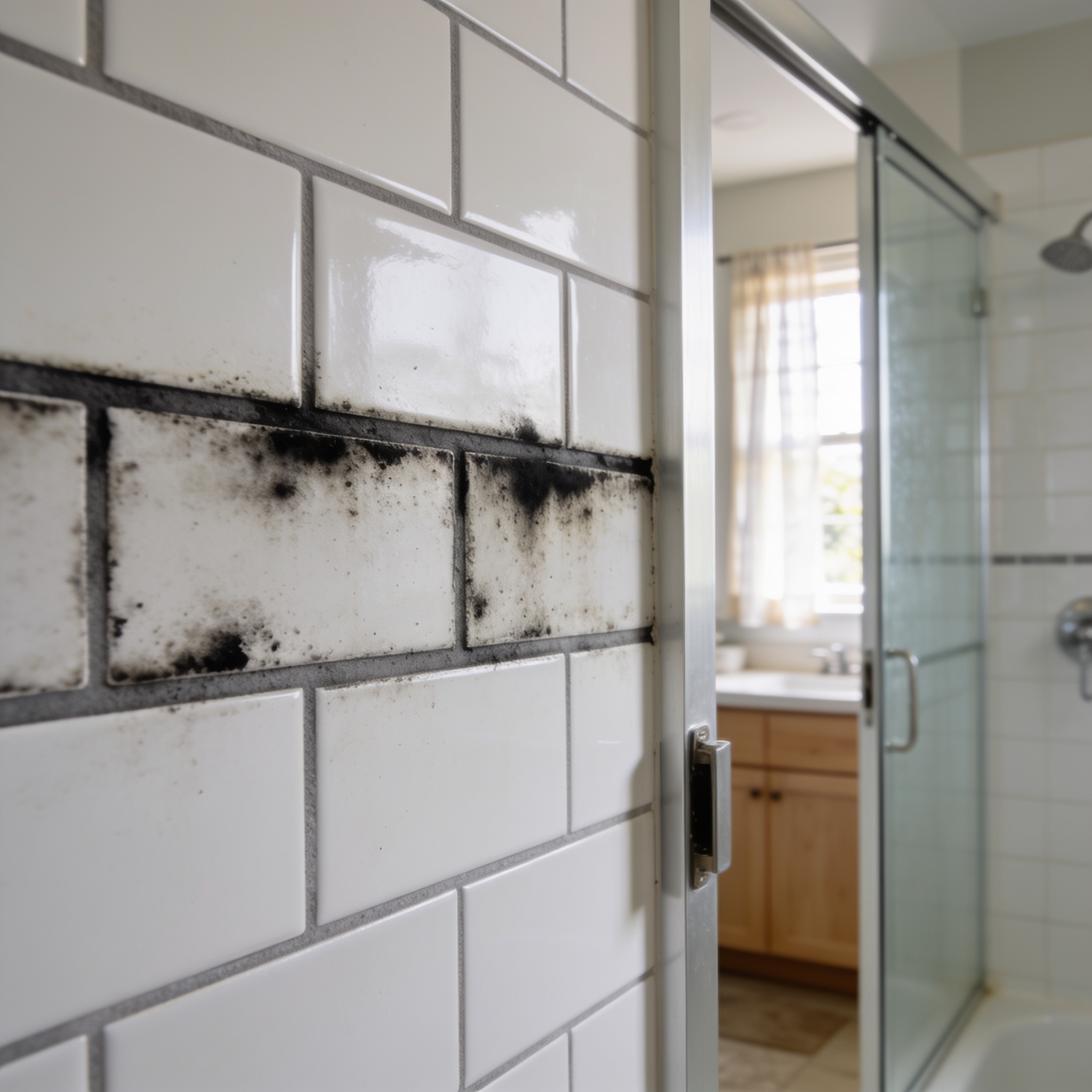
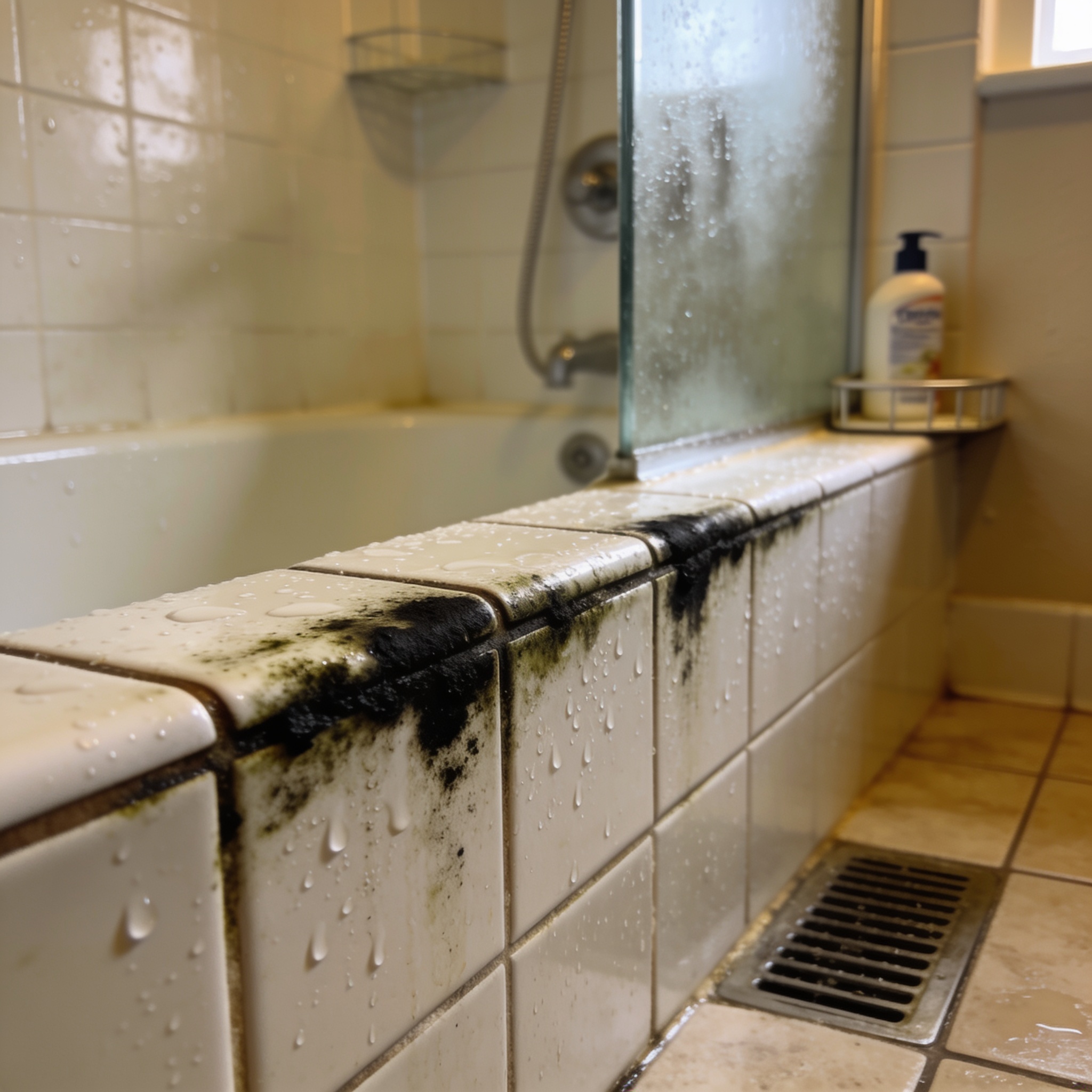
Black mold thrives in the shower because the combination of organic skin cells, soap scum, and constant moisture provides an ideal environment for fungal growth. In our humid SWFL climate, bathroom surfaces rarely dry out completely, which allows spores to settle into the porous structure of your shower tile and grout lines. According to the EPA, mold requires moisture, a food source, and a lack of proper airflow to colonize, all of which are present in the average Florida bathroom. It is important to remember that mold can grow anywhere moisture lingers, especially within porous grout in your bathroom. If you notice black moldy patches appearing, it is time to act quickly to remove stains before they spread.
Is it actually black mold on your shower grout — or something else?
Distinguishing between common mildew and toxic black mold is difficult because both can appear dark or discolored, but mildew is typically surface-level while mold penetrates deeper. Mildew often appears as gray or white powdery spots, whereas black mold tends to be slimy or fuzzy and deeply embedded in the grout. If you notice a musty odor that persists even after you scrub the area, it may indicate a deeper issue requiring Water Damage Restoration in Estero to address potential moisture trapped behind the tile. To clean mold effectively, you must first identify if you are dealing with common mold and mildew or a more severe infestation. You may even need to redo the silicone sealant if it has become compromised by persistent growth.
Is it safe to shower with black mold present, and what are the health risks?
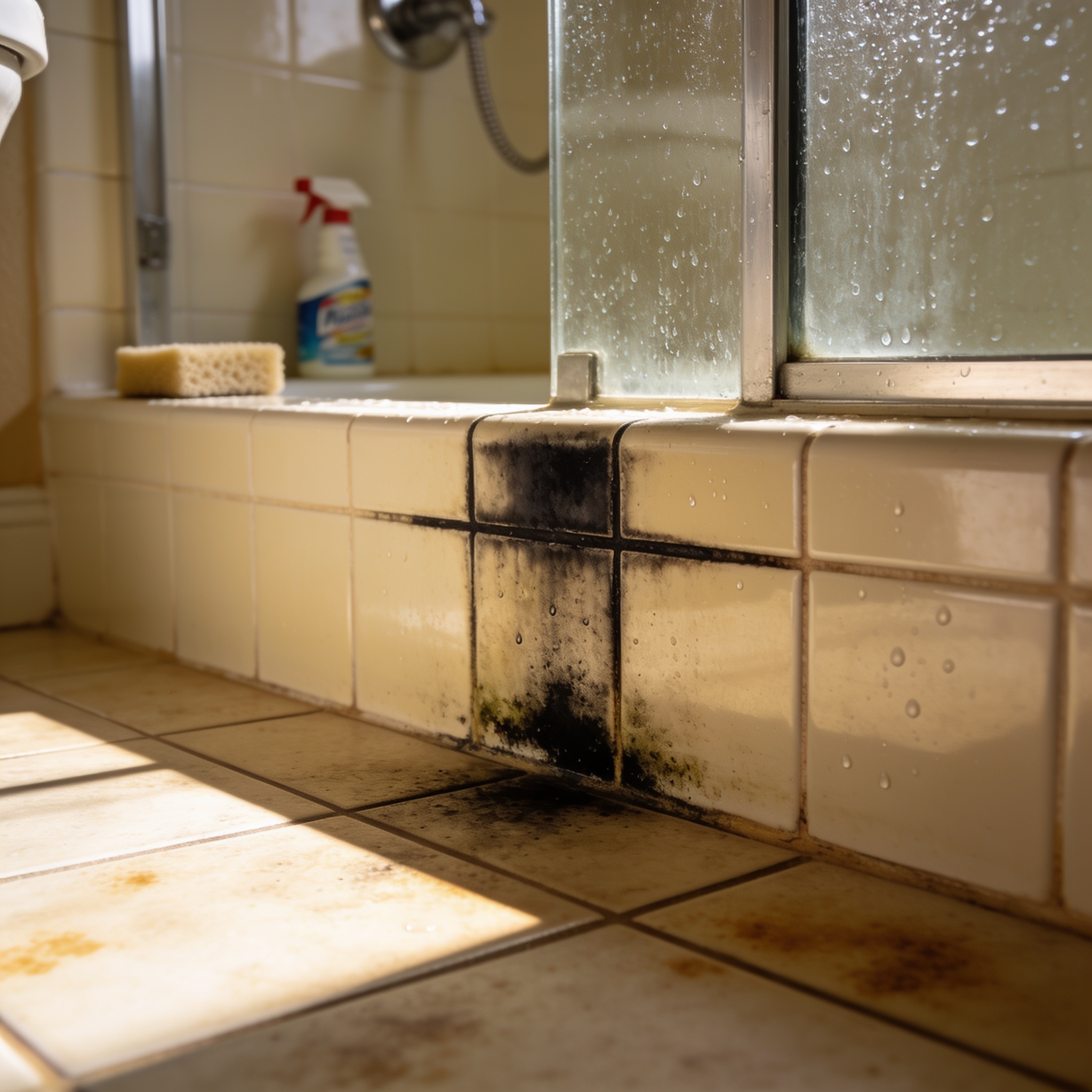
Showering with visible black mold present is generally discouraged, as the steam and water spray can aerosolize mold spores, making them easier to inhale. While not every mold species is toxic, the IICRC notes that indoor mold exposure can trigger allergic reactions, asthma attacks, and respiratory irritation in sensitive individuals. If you have recently experienced a leak, you should consult specialists in Water Damage Restoration to ensure that the mold is not a symptom of hidden structural water damage. Be sure to wash your shower curtains regularly, as these can also harbor spores that contribute to a black shower environment.
What safety precautions should you take before cleaning black mold in the shower?
You must wear gloves, safety goggles, and an N95 respirator mask to avoid inhaling spores or chemical fumes during the cleaning process. Proper ventilation is equally critical, so keep the bathroom door open and run the exhaust fan throughout the entire procedure. Never mix cleaning agents, such as ammonia and bleach, as this creates toxic gases that are extremely dangerous to human health.
How to remove mold from shower tile using natural remedies
Natural remedies are often effective for light mold growth and are safer for your home’s air quality than harsh chemicals. Baking soda paste is a popular choice; make a paste by mixing it with water until it forms a thick consistency, apply it to the moldy grout, and let it sit for 15 minutes before you scrub the grout with a stiff-bristled brush. White vinegar is another excellent option, as its acidic nature can kill mold spores on contact when sprayed directly onto the affected tile grout. You can also use hydrogen peroxide in a spray bottle to target stubborn spots, which is one of the most effective ways to remove mold without harsh fumes. Keep a mixture of vinegar and water in a spray bottle for daily maintenance to keep grout white and prevent new growth.
What commercial products are most effective for removing black mold from grout?
Commercial cleaners designed specifically for mold removal often contain fungicides that are more potent than household vinegar or baking soda. When you use bleach, ensure it is diluted correctly, as concentrated bleach can damage the integrity of the grout itself over time. For tough mold stains, a clinging bleach gel or a specialized toilet bowl cleaner is often more effective than a liquid spray because it stays in contact with the moldy grout longer, allowing the active ingredients to penetrate the surface. If you choose to use a bleach solution, always ensure the area is well-ventilated. A high-quality mildew remover can also be effective at preventing the return of spores.
How to permanently get rid of black mold in shower grout (step-by-step)
Follow this 5-step method to effectively remove black mold from your shower grout and restore your bathroom’s appearance.
- Apply the cleaning solution: Spray your chosen cleaner—either a commercial mold remover or a mixture of vinegar and water—directly onto the affected grout lines and let the mixture sit for 10 to 15 minutes to break down the organic matter.
- Scrub the area: Use a stiff-bristled brush to scrub the grout lines vigorously, working in circular motions to physically remove the mold from the porous surface of the grout.
- Rinse thoroughly: Use a handheld showerhead or a bucket of water to rinse the area completely, ensuring all chemical residue and loosened mold spores are washed down the drain.
- Dry the surface: Wipe down the shower walls and tile with a clean, dry towel to remove excess moisture, as leaving the area damp will only encourage the mold to return.
- Apply a grout sealer: Once the grout is completely dry, apply a high-quality grout sealer to fill the pores, which creates a protective barrier that prevents mold from taking root in the future.
When should you consider professional help for black mold removal?
Professional intervention is necessary when the mold infestation is widespread, covers large areas of the wall, or returns shortly after you have cleaned it. If the mold has compromised the caulk or the wallboard behind the tile, simple cleaning will not suffice, and you may need to look into How Much Does Mold Remediation Cost cost estimates to determine if a full tear-out is required. Professional remediation ensures that the root cause of the moisture is identified and addressed, preventing the mold from spreading to other parts of your home.
How can you prevent mold growth in your bathroom?
Preventing mold requires a combination of moisture control, routine cleaning, and proper maintenance of your bathroom’s ventilation systems. After every shower, use a squeegee to remove excess water from the walls and ensure your bathroom fan runs for at least 30 minutes to lower the humidity levels. Regularly inspecting your shower caulk for cracks is essential because damaged seals allow water to seep behind the tile and create a hidden breeding ground for mold. Additionally, using a grout sealer can help prevent mold from embedding itself into the porous material, as sealed grout is significantly more resistant to moisture absorption.
Frequently asked questions
The following frequently asked questions address common concerns regarding the maintenance and cleaning of bathroom grout.
Does bleach actually kill black mold on grout?
Bleach is effective at killing surface mold, but it often fails to penetrate porous grout, meaning the roots of the mold may remain and regrow quickly. To get rid of mold permanently, you must ensure the cleaner penetrates the surface.
How often should I seal my shower grout?
You should aim to reseal your grout every 12 to 24 months, depending on the frequency of shower use and the humidity levels in your specific area.
Is it better to scrub with a toothbrush or a specialized grout brush?
A specialized grout brush is superior because it features stiffer, more durable bristles that are designed to reach deep into the grout lines without wearing down.
Can I paint over moldy grout to hide the stains?
Painting over mold is never recommended, as it traps the fungus underneath and allows it to continue growing and potentially damaging the structural integrity of your shower walls.
What is the best way to maintain grout in a humid Florida home?
Keeping the bathroom well-ventilated and performing a weekly light cleaning with a mild vinegar solution is the most effective way to prevent mold buildup. Apply the cleaner to the grout and let it sit before rinsing.
| Method | Pros | Cons |
|---|---|---|
| Vinegar Solution | Natural, safe for pets/kids | Less effective on deep stains |
| Bleach Gel | Strong whitening power | Can damage grout over time |
| Baking Soda Paste | Non-toxic, abrasive | Requires significant scrubbing |
| Cleaning mold and mildew | Restores original color | Requires professional tools |
| Removing mildew stains | Prevents regrowth | Requires consistent effort |
Maintaining a mold-free shower requires consistent effort and an understanding of how moisture impacts your home’s interior. By following these steps, you can effectively remove mold stains and keep your bathroom looking clean and sanitary year-round. Always prioritize your safety by using the correct protective equipment during any mold removal project. If you find that the mold persists despite your best efforts, do not hesitate to contact a professional for an inspection. Remember that early detection is the most cost-effective way to manage mold issues in Southwest Florida.
Our editorial team verifies licensing and reviews for every restoration company in the directory and writes practical, Florida-specific guides to help homeowners act fast and protect their insurance claims after water, fire, mold or storm damage.