How to Clean Orange Mold in Shower: A Step-by-Step Removal Guide
You can effectively clean orange mold in shower areas using a mixture of baking soda and vinegar for a cost of less than $10, provided the discoloration is surface-level and not a sign of deep-seated structural water damage. While many homeowners in Southwest Florida fear the worst, this specific color often indicates a bacterial colony rather than a toxic fungal growth. Addressing this issue promptly prevents the buildup from compromising your bathroom’s integrity during our high-humidity seasons. To keep your bathroom fresh, you must address the moisture and organic material that allow mold to grow.
Key Takeaways
- Orange discoloration in showers is frequently caused by Serratia marcescens, a bacteria that thrives on soap scum and moisture.
- Distinguishing between bacterial growth and mineral deposits is essential for choosing the right cleaning solution.
- Regular ventilation and moisture control are the most effective ways to prevent orange mold from returning to your bathroom.
- You can often be cleaned using common household items like vinegar, hydrogen peroxide, and baking soda.
- If you suspect hidden moisture issues behind your tile, experts can help regarding Mold Remediation and Removal Companies is the safest course of action.
Are Orange Stains in the Shower the Same as Orange Mold in the Shower, or Something Else?
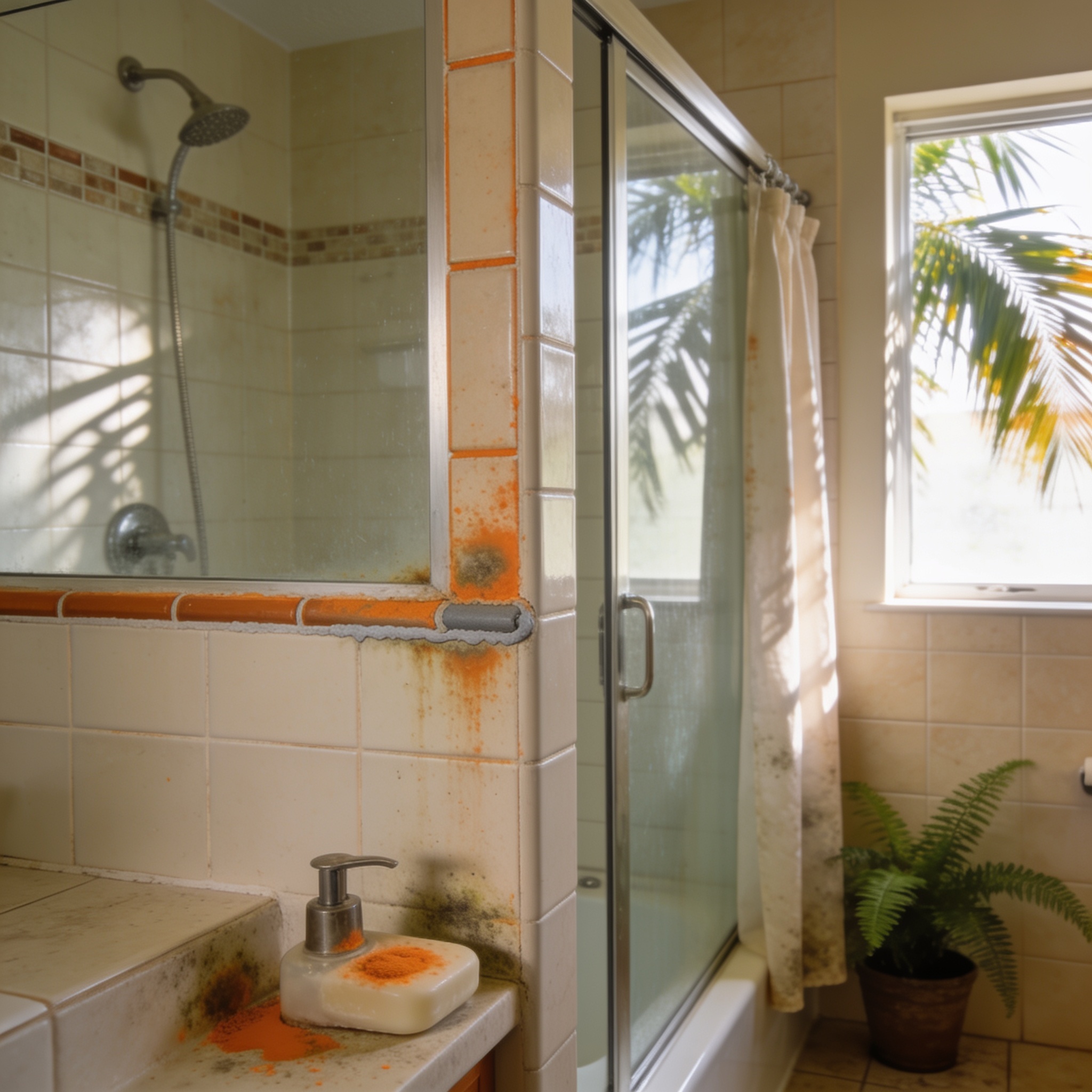
Distinguishing between bacterial growth and mineral-based discoloration is the first step in determining how to treat your shower walls. While many people refer to it as orange mold in the shower, the pinkish-orange film is often a bacteria called Serratia marcescens that thrives in damp, nutrient-rich environments. Unlike traditional fungi, this bacteria feeds on the fatty acids found in soap scum and shampoo residue. In contrast, rust-colored stains are usually caused by iron in the water supply, which requires a completely different chemical approach to remove. If your grout has turned orange, it is often a sign of visible mold or bacterial colonies.
Causes of Orange: Causes of Orange Stains
The primary causes of orange stains are high humidity levels and the accumulation of organic soap scum on bathroom surfaces. In Southwest Florida, the combination of tropical humidity and hard water stains creates the perfect breeding ground for these organisms. Serratia marcescens is an airborne bacteria that lands on moist surfaces, such as tile grout or caulk, and begins to colonize. If you notice these shower stains appearing frequently, it may also indicate a hidden Water Damage Restoration in Lehigh Acres issue behind your walls that provides a constant moisture source.
Where Does Orange Mold Typically Hide in the Bathroom?
Orange mold often appears in areas where moisture lingers, specifically along the caulk lines, tile grout, and shower doors. These porous surfaces trap soap scum and water, creating a biofilm that protects the bacteria from standard rinsing. In Lee and Collier counties, where high humidity is constant, these colonies can spread rapidly if not managed. You should check the corners of your shower area and the base of your fixtures, as these spots are frequently missed during regular cleaning. Because mold spores are microscopic, they can settle in these crevices and make it difficult to get rid of orange mold effectively.
Is Orange Mold Harmful to Your Health?
While not as notoriously dangerous as black mold, orange mold can still pose health risks to individuals with a weakened immune system or chronic respiratory conditions. The bacteria can release airborne particles that may trigger asthma or allergy symptoms in people with asthma. According to the EPA, managing any form of indoor mold and mildew is vital for maintaining healthy indoor air quality. If you are concerned about the cost of professional assessment, researching how much does mold remediation cost can provide peace of mind.
What Tools and Supplies Do You Need to Remove Stains?
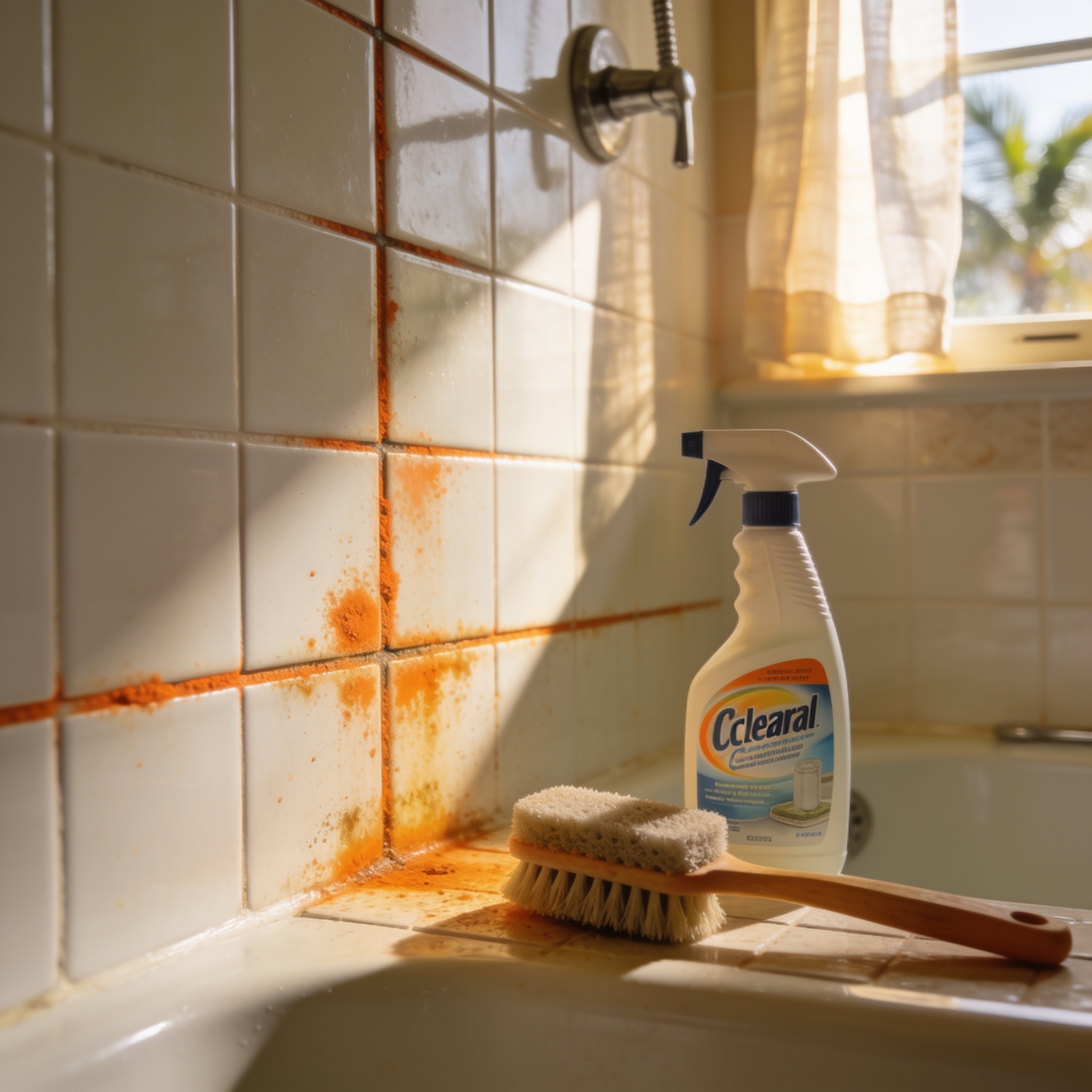
Gathering the correct supplies before you begin will ensure you can effectively remove orange stains without damaging your bathroom surfaces. You will need a stiff-bristled brush or sponge, white vinegar, baking soda, and hydrogen peroxide. For tough stains or rust, you may need a specialized cleaner designed for bathroom surfaces. Always ensure your shower area is well-ventilated by turning on the exhaust fan before using any cleaning solutions.
| Supply | Purpose |
|---|---|
| White Vinegar | Dissolves soap scum and kills surface bacteria. |
| Baking Soda | Acts as an abrasive to scrub away tough stains. |
| Hydrogen Peroxide | Acts as a mild disinfectant for stubborn discoloration. |
| Stiff Brush | Reaches into porous tile grout to remove colonies. |
| Squeegee | Helps remove excess water to keep the area easy to clean. |
What Are the Best Methods to Clean Shower Surfaces?
Using a combination of vinegar or hydrogen peroxide is generally the most effective way to kill mold and bacteria on non-porous surfaces. These solutions are safer for your family and the environment than heavy-duty bleach, which can sometimes degrade the integrity of your grout over time. If the discoloration persists, it may indicate that the bacteria has penetrated deep into the grout, requiring more aggressive treatment. Always test your cleaner on a small, hidden area of the tile first to ensure it does not cause further discoloration.
How to Remove Orange Stains and Shower Stains
Following a systematic process ensures you remove the orange color completely and stop the cycle of regrowth.
- Apply a vinegar solution: Spray a mixture of white vinegar and water onto the affected area and let it sit for at least 15 minutes to help remove soap scum buildup.
- Scrub the surface: Use a stiff brush to scrub the tile and grout thoroughly, focusing on the areas where the bacteria is most concentrated.
- Create a baking soda paste: Mix baking soda with a small amount of water to create a thick paste to help remove stains.
- Apply hydrogen peroxide: For stubborn spots, apply hydrogen peroxide to the paste and scrub again to lift the discoloration.
- Rinse thoroughly and dry: Rinse the entire shower area with warm water and use a squeegee or microfiber cloth to dry the surface completely.
How to Prevent Orange Mold with Regular Shower Cleaning
Consistent moisture control and regular shower cleaning are the only ways to prevent orange mold from returning to your home. After every shower, use a squeegee to remove excess water from the walls and glass. Keep your bathroom well-ventilated by running the exhaust fan for at least 20 minutes after you finish bathing. By removing the food source—soap scum regularly—and the moisture, you make it impossible for the bacteria to thrive. If mold keeps returning, you may need to inspect your ventilation system.
When Should You Call a Professional for Orange Mold Removal?
You should call a professional for orange mold if you notice the growth returning despite your best cleaning efforts or if you suspect a hidden leak. Persistent mold issues often indicate that moisture is trapped behind walls, which can lead to structural damage if left untreated. Professionals have the tools to perform a moisture assessment and ensure that the root cause, such as a pipe leak or poor ventilation, is addressed. If you live in a flood zone in Charlotte or Lee County, it is especially important to rule out water damage that could lead to more serious fungal growth like Stachybotrys chartarum.
FAQs
Understanding these common concerns will help you maintain a cleaner, healthier bathroom environment in the humid Florida climate. If you want to get the orange out for good, follow these tips.
Can I use bleach to remove orange mold?
While bleach can kill surface bacteria, it often fails to penetrate porous grout, and it can actually feed mold if the surface is not cleaned of soap scum first.
Is orange mold the same as pink mold?
Yes, the terms are often used interchangeably to describe Serratia marcescens, which can appear in shades ranging from light pink to deep orange depending on the colony’s age.
How often should I clean my shower to prevent buildup?
You should perform a light cleaning of your shower area at least once a week to remove soap scum and prevent the bacteria from establishing a foothold.
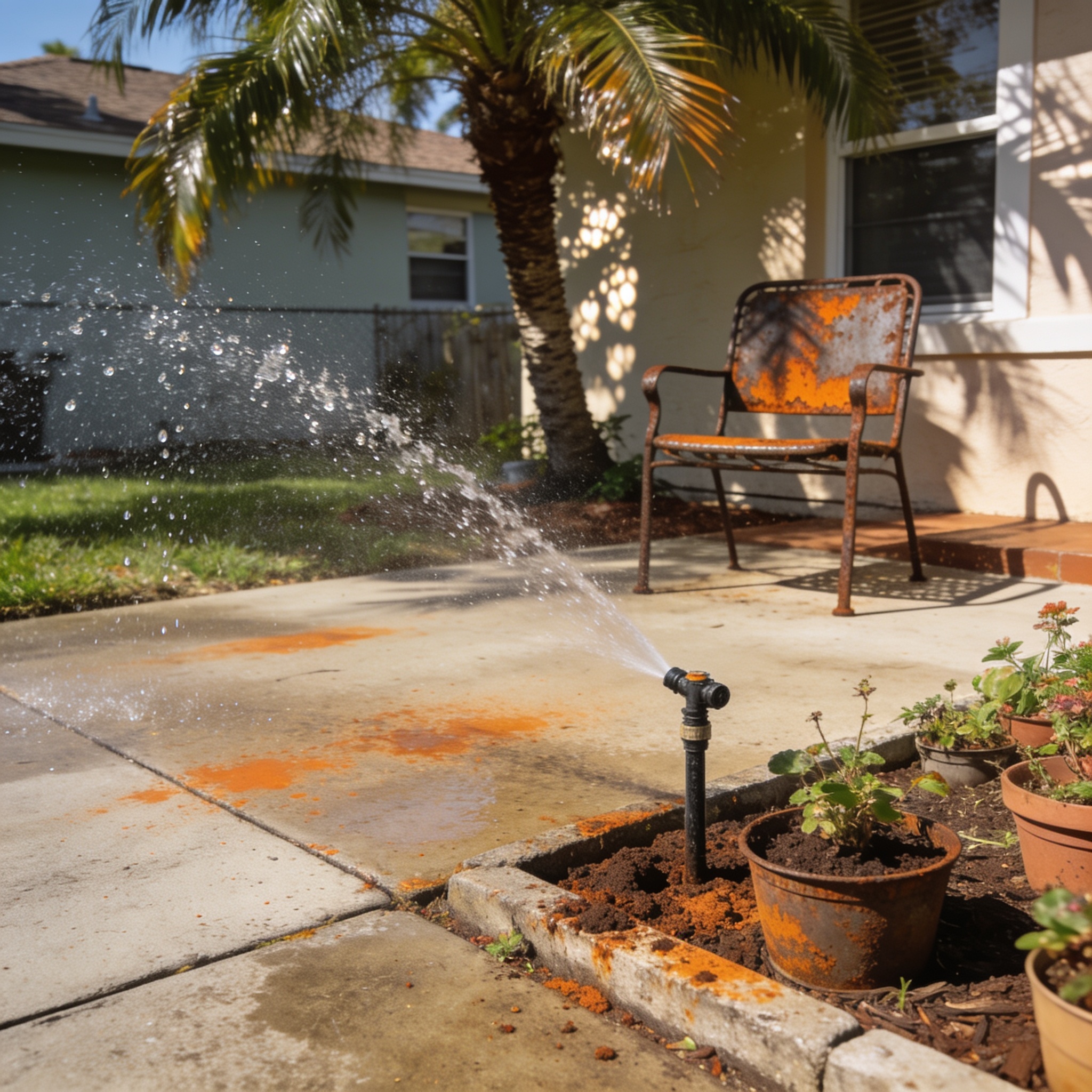
What if the orange stain is actually rust?
If the stain is caused by iron in your water, vinegar and baking soda may not work, and you will need a specialized rust-removing cleaner designed for bathroom fixtures.
Does insurance cover mold removal?
Most standard homeowners insurance policies in Florida do not cover mold remediation unless it is a direct result of a covered peril, such as a sudden pipe burst or Water Damage Restoration needs following a storm.
Our editorial team verifies licensing and reviews for every restoration company in the directory and writes practical, Florida-specific guides to help homeowners act fast and protect their insurance claims after water, fire, mold or storm damage.