How Much Does Mold Remediation Cost? A Complete Pricing Breakdown
The average mold remediation cost in Southwest Florida typically ranges from $1,500 to $6,000, though major infestations can exceed $10,000 depending on the severity of the mold and the size of the affected area. Determining how much does mold remediation cost requires an assessment of the specific environment, as high humidity levels in Lee and Collier counties often accelerate mold growth after water damage events. If you suspect the presence of mold, acting quickly is essential to prevent the issue from escalating. Because mold is a fungus, mold spores are everywhere, and a small patch of mold can quickly become a significant mold problem if left unaddressed.
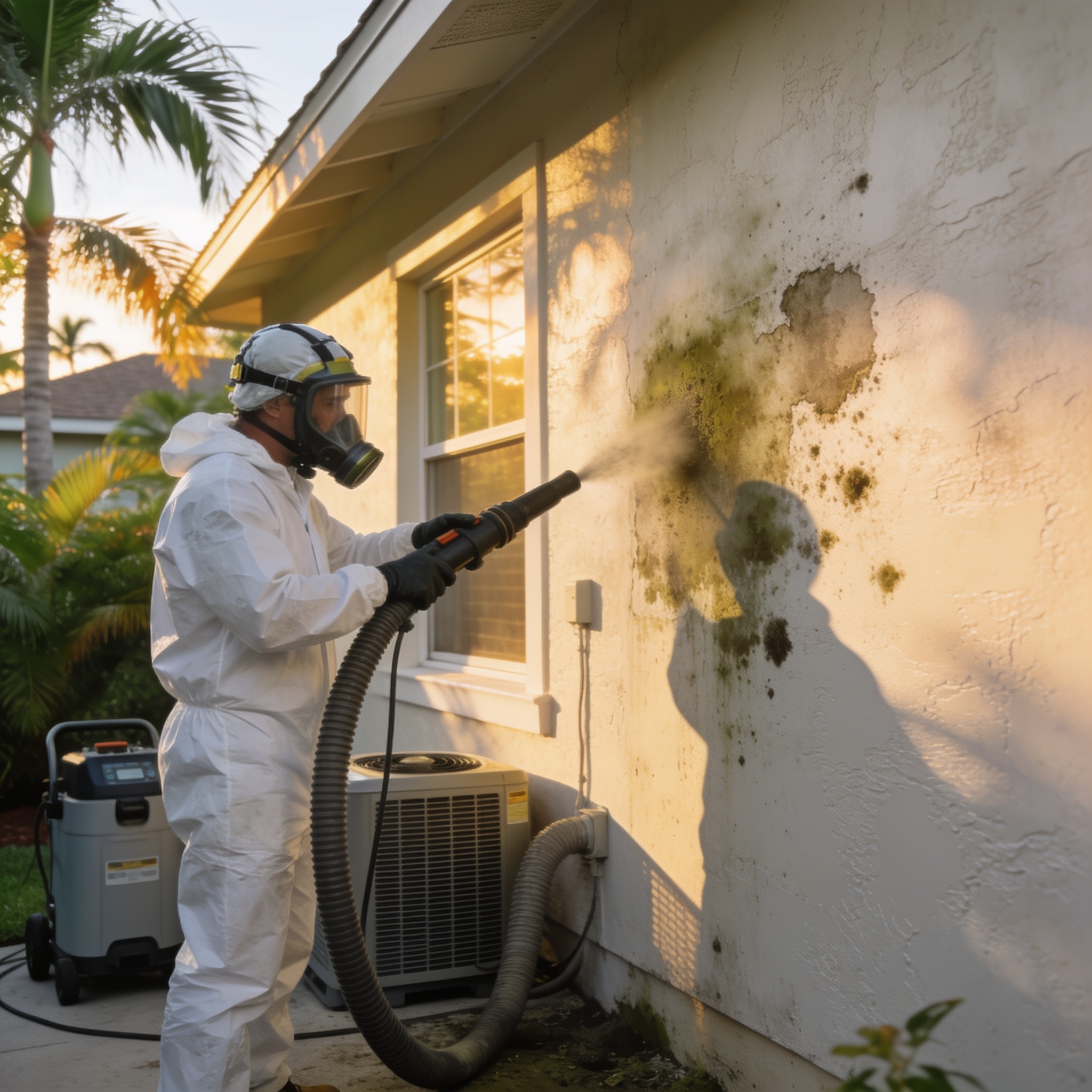
Key Takeaways
- Professional mold remediation costs are primarily driven by the total square footage of the mold infestation and the accessibility of the affected materials.
- Homeowners insurance policies in Florida often exclude mold damage unless it is a direct result of a covered peril, such as a burst pipe or water damage.
- Small patches of mold—generally less than 10 square feet—may be manageable with DIY methods, but anything larger requires professional mold removal.
- The remediation process involves containment, HEPA vacuuming, and the removal of porous materials like drywall or carpet that cannot be fully cleaned.
- Consistent humidity control and regular maintenance help prevent mold growth in SWFL, especially after hurricanes or tropical storms that increase moisture in homes.
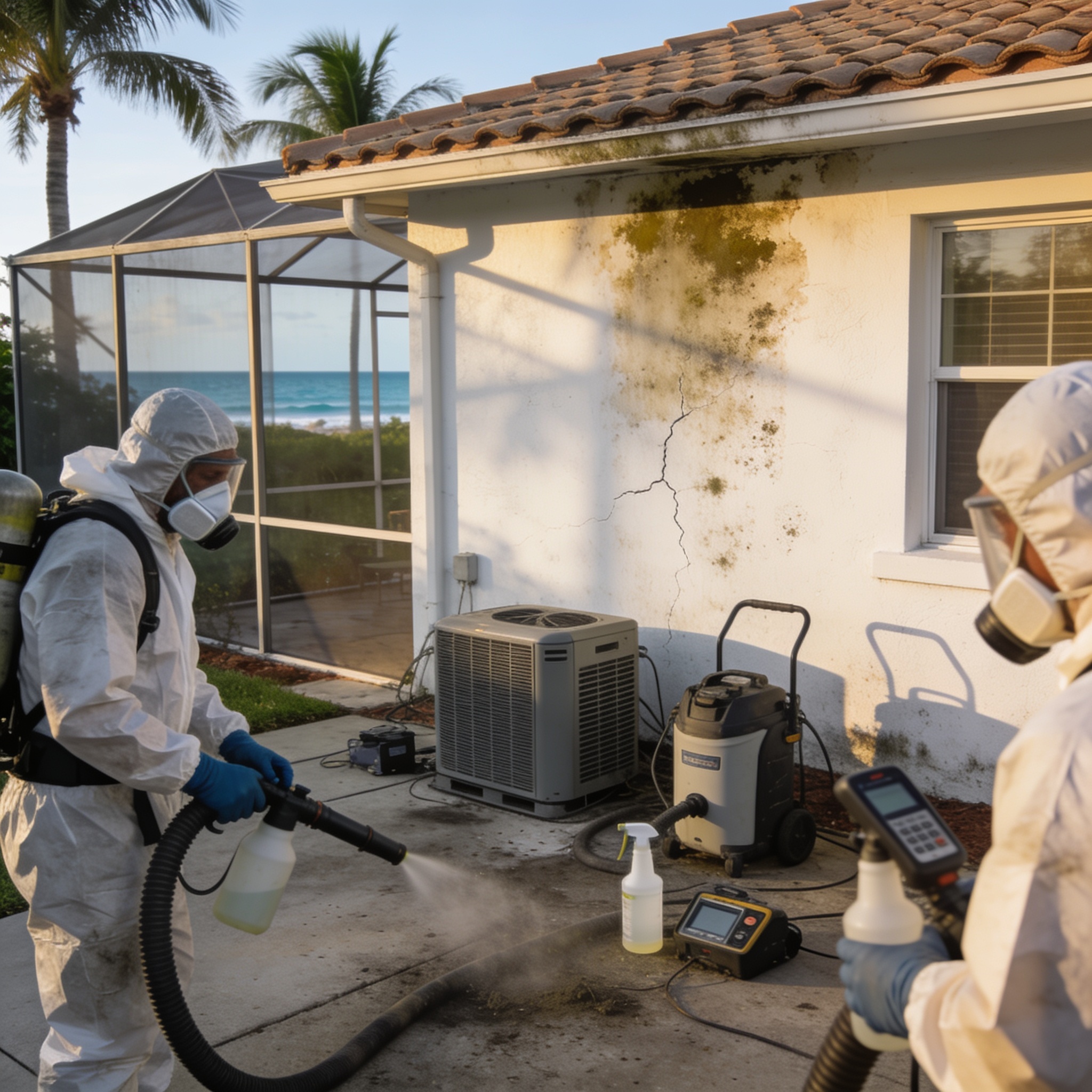
How Much Does Professional Mold Remediation Cost on Average?
Professional mold remediation costs generally fall between $1,500 and $6,000 for standard residential projects in Florida. For extensive mold damage that spans multiple rooms or involves structural components, you may pay more for mold remediation services reaching $10,000 or higher. Knowing how much does mold removal cost helps you budget for the necessary professional intervention. The total mold remediation will vary based on the extent of the contamination and the specific mold type identified.
The average cost of mold remediation is heavily influenced by the size of the area and the specific kind of mold identified during the initial inspection. Small amounts of mold in a bathroom might cost as little as $500 to remediate, while a massive infestation in an attic or crawl space requires a more significant investment. You can find local experts by searching for mold remediation companies near me to get a tailored estimate for your property.
| Scope of Infestation | Estimated Cost Range |
|---|---|
| Small (Under 10 square feet) | $500 – $1,500 |
| Medium (10 – 50 square feet) | $1,500 – $4,000 |
| Large (Over 50 square feet) | $4,000 – $10,000+ |
| Total Mold Removal Cost | Varies by complexity and may cost more |
What Factors Influence the Cost of Mold Remediation?
The total cost of mold remediation is determined by the accessibility of the mold, the materials affected, and the complexity of the remediation process. When you hire a mold remediation specialist, they assess the total amount of mold to provide an accurate quote. Several variables will impact the cost of the project.
Location and Accessibility
Mold growing in an easily accessible bathroom is cheaper to treat than mold in a cramped crawl space or a high-ceilinged attic. Remediation specialists must factor in the labor required to access, contain, and safely remove mold from difficult-to-reach areas. In cases of mold in your basement or attic, specialized equipment is often required to ensure safety.
Material Porosity
Non-porous materials like tile or glass can often be cleaned, but porous materials like drywall, carpet, and insulation usually require complete removal. If your home suffered Water Damage Restoration in Immokalee, the cost for mold remediation increases because these saturated materials act as a food source for the fungus.
Type of Mold and Severity
While all mold should be treated with caution, certain varieties may require specialized containment protocols. The presence of toxic mold or extensive black mold colonies necessitates stricter safety measures, which can increase the overall removal costs. Because mold remediation can vary based on the toxicity and extent of the growth, a professional assessment is vital.
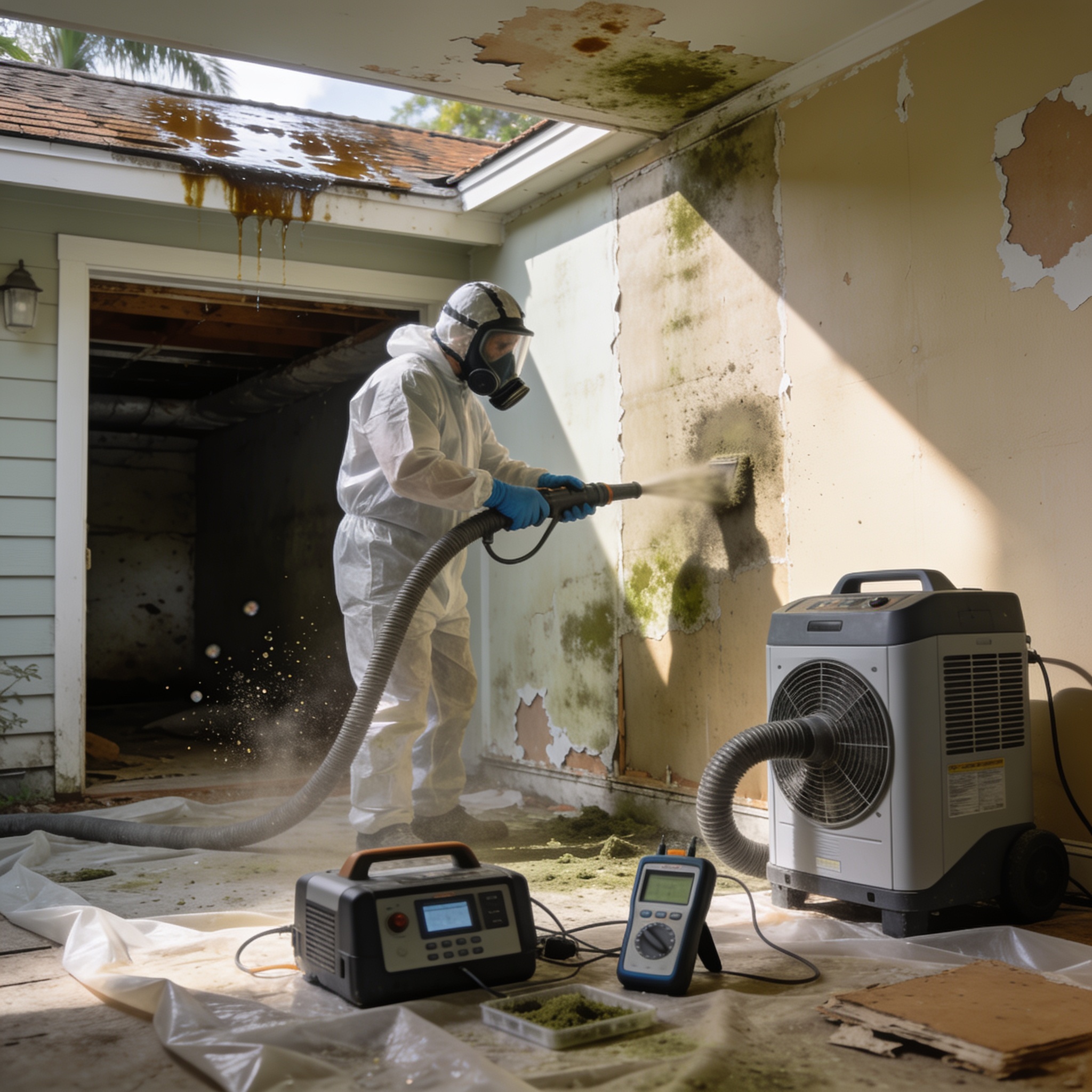
Need Mold Remediation: Identifying the Problem
Mold remediation is necessary whenever you identify a mold infestation larger than 10 square feet or if the mold is causing health concerns for residents. According to the EPA, any significant mold growth should be addressed immediately to prevent the mold from spreading to other parts of your home. If you notice signs of mold, such as discoloration or a musty smell, you likely need mold removal services.
If you notice a persistent musty odor or visible mold on walls, ceilings, or flooring, you should consider a professional mold inspector. Ignoring a mold issue in a high-humidity environment like Southwest Florida will almost certainly lead to rapid structural deterioration.
Remediation Process: How We Remove the Mold
A house with extensive mold damage can almost always be saved provided that the moisture source is identified and permanently eliminated. Professional remediation involves drying out the structure and removing contaminated materials to ensure the mold does not return. To get rid of mold effectively, experts follow a strict mold remediation process. Mold remediation can remove colonies effectively when performed by a certified mold remediation team.
Professional mold removal companies use advanced equipment like industrial dehumidifiers and HEPA air scrubbers to prevent mold spores from spreading. Once the remediation process is complete, the home is typically safe for occupancy, provided that future moisture is controlled.
DIY vs. Mold Infestation: When to Hire a Professional
You can attempt DIY removal for small, isolated patches of mold less than 10 square feet on hard surfaces, but you should hire a professional for anything larger. Attempting to clean large mold infestations without proper personal protective equipment and containment can cause mold spores to spread throughout your HVAC system.
If you are dealing with significant water damage or suspect hidden mold in your ducts, it is best to contact a mold remediation expert. They have the training to handle the situation safely, ensuring that the mold is not just masked but fully eradicated.
How Long Does Mold Remediation Take?
The duration of mold remediation projects typically ranges from one to five days, depending on the scale of the infestation. Small, localized mold removal jobs can often be completed within 24 to 48 hours, while larger projects involving multiple rooms may take a week or more.
The process includes initial inspection, containment setup, physical removal of the mold, and final air quality testing. If you are dealing with severe Water Damage Restoration, the drying phase alone can add several days to the total timeline.
Is Mold Remediation Worth the Cost?
Investing in professional mold removal is worth the cost because it protects your property’s structural integrity and prevents long-term health risks associated with being exposed to mold. Leaving mold untreated allows it to consume building materials, which can eventually lead to thousands of dollars in structural repairs and reduced property value.
When you look at what you’ll pay for mold remediation, consider it an investment in your home’s longevity. A professional service ensures that the root cause—usually moisture—is addressed, effectively preventing mold from returning.
Is Mold Remediation Covered by Homeowners Insurance?
Mold remediation is generally only covered by homeowners insurance if the mold is a direct result of a “covered peril,” such as a sudden pipe burst or a roof leak. Most standard Florida insurance policies exclude mold damage if it is caused by long-term neglect, high humidity, or flooding, which is often categorized as a separate event.
Always review your specific policy or servpro mold removal documentation to see what is covered. It is vital to document the source of the water damage immediately, as insurance adjusters will look for evidence that the mold was an unexpected consequence of a sudden incident.
Do I Need Mold Testing Before Remediation?
You may require mold testing if you are experiencing health symptoms but cannot find a visible source of mold, or if you need documented proof for an insurance claim. While a visual inspection is often sufficient to identify mold, a professional mold test can confirm the specific type of mold present and the concentration of spores in the air.
Testing is particularly useful when buying or selling a home in Florida, as it provides an objective assessment of the indoor environment. A certified inspector can provide a report that guides the remediation process, ensuring that the cleanup is targeted and effective.
How Can I Prevent Mold from Growing in My Home?
Preventing mold growth requires a proactive approach to moisture control, especially in the humid climate of Southwest Florida. The most effective way to prevent mold in your home is to maintain indoor humidity levels between 30% and 50% using a high-quality dehumidifier and proper ventilation.
The 5 Essential Steps to Prevent Mold Growth
- Monitor Humidity: Use a hygrometer to keep indoor humidity below 50% to discourage mold spores from settling.
- Fix Leaks Immediately: Address plumbing leaks, roof issues, or window seal failures as soon as they are discovered.
- Improve Ventilation: Ensure bathrooms, kitchens, and laundry rooms are properly vented to the outside to remove excess moisture.
- Clean HVAC Systems: Regularly change air filters and have your ductwork inspected to prevent mold from an HVAC system from circulating.
- Manage Landscaping: Keep vegetation trimmed away from the exterior of your home to ensure proper airflow and prevent moisture buildup against walls.
Frequently asked questions
Understanding the nuances of mold remediation can help you make informed decisions when protecting your home from moisture-related damage.
Does bleach kill mold?
Bleach is generally ineffective at killing mold on porous surfaces like drywall because it only kills the surface mold while the roots remain deep within the material. Professional remediation uses specialized antimicrobial agents designed to penetrate surfaces and eliminate the mold at its source.
How do I know if I have toxic mold?
There is no simple way to identify toxic mold by sight, as many mold species share similar appearances. A professional laboratory analysis is the only way to confirm the specific type of mold and determine if it poses a significant health risk.
Will my insurance pay for mold testing?
Insurance companies typically only pay for mold testing if it is deemed necessary to determine the scope of a covered claim. You should contact a mold remediation professional before scheduling testing to understand what costs they will cover under your specific policy.
Can mold grow in a dry climate?
Mold is often found in damp environments; however, it can survive in dry conditions by going dormant until moisture is reintroduced. Even in dry climates, mold can thrive in areas with poor ventilation, such as bathrooms or basements, where moisture tends to accumulate.
What are the common types of mold?
While there are thousands of species, common types of mold found in homes include Cladosporium, Penicillium, and Aspergillus. Identifying the specific mold type is crucial for determining the appropriate removal strategy.
What is mold removal by location?
Mold removal by location refers to the specific techniques used based on where the growth is found, such as in attics, crawl spaces, or living areas. Each area requires different containment and remediation strategies to ensure the mold is fully removed.
Related: mold remediation cost cape coral
Our editorial team verifies licensing and reviews for every restoration company in the directory and writes practical, Florida-specific guides to help homeowners act fast and protect their insurance claims after water, fire, mold or storm damage.