How Long Does a Landlord Have to Fix Mold in Florida? Your Rights Explained
Under Florida law, a landlord generally has seven days to address a mold issue after receiving written notice from a tenant, provided the condition renders the dwelling uninhabitable or violates local building codes. While there is no specific “mold statute” in the state, the residential landlord is legally obligated to maintain the premises in a safe and habitable condition under Florida Statute 83.51. Understanding these timelines is critical for residents in high-humidity areas like Lee, Collier, and Charlotte counties, where tropical moisture frequently triggers rapid mold growth. To protect yourself, it is essential to learn your rights regarding habitable conditions and the specific mold laws governing your area, ensuring your lease agreement is upheld.
Key Takeaways
- Florida law requires landlords to maintain rental properties in a habitable condition, which includes addressing significant mold problems.
- Tenants must provide written notice via certified mail to trigger the seven-day repair clock mandated by state law.
- Withholding rent without following specific legal procedures can lead to eviction, even if the property has mold.
- Documenting all communications and the physical state of the mold is essential for protecting your legal rights.
- Consulting with local code enforcement or a qualified attorney is recommended before taking drastic actions like lease termination.
Does Florida Have Specific Laws or Regulations Concerning Mold in Rental Properties?
Florida law does not contain a single, comprehensive statute that explicitly defines mold remediation standards for all residential rental properties. Instead, the legal framework relies on the implied warranty of habitability, which mandates that landlords provide a safe, functional, and sanitary living environment for every tenant. Because Florida experiences extreme humidity and frequent hurricane-related storm damage, local ordinances in any city or county often impose stricter health and safety requirements than state law alone. If you are unsure about your specific situation, seeking legal advice is the best way to understand how these regulations apply to your rental unit.
What Are a Florida Landlord’s Responsibilities Regarding Mold?
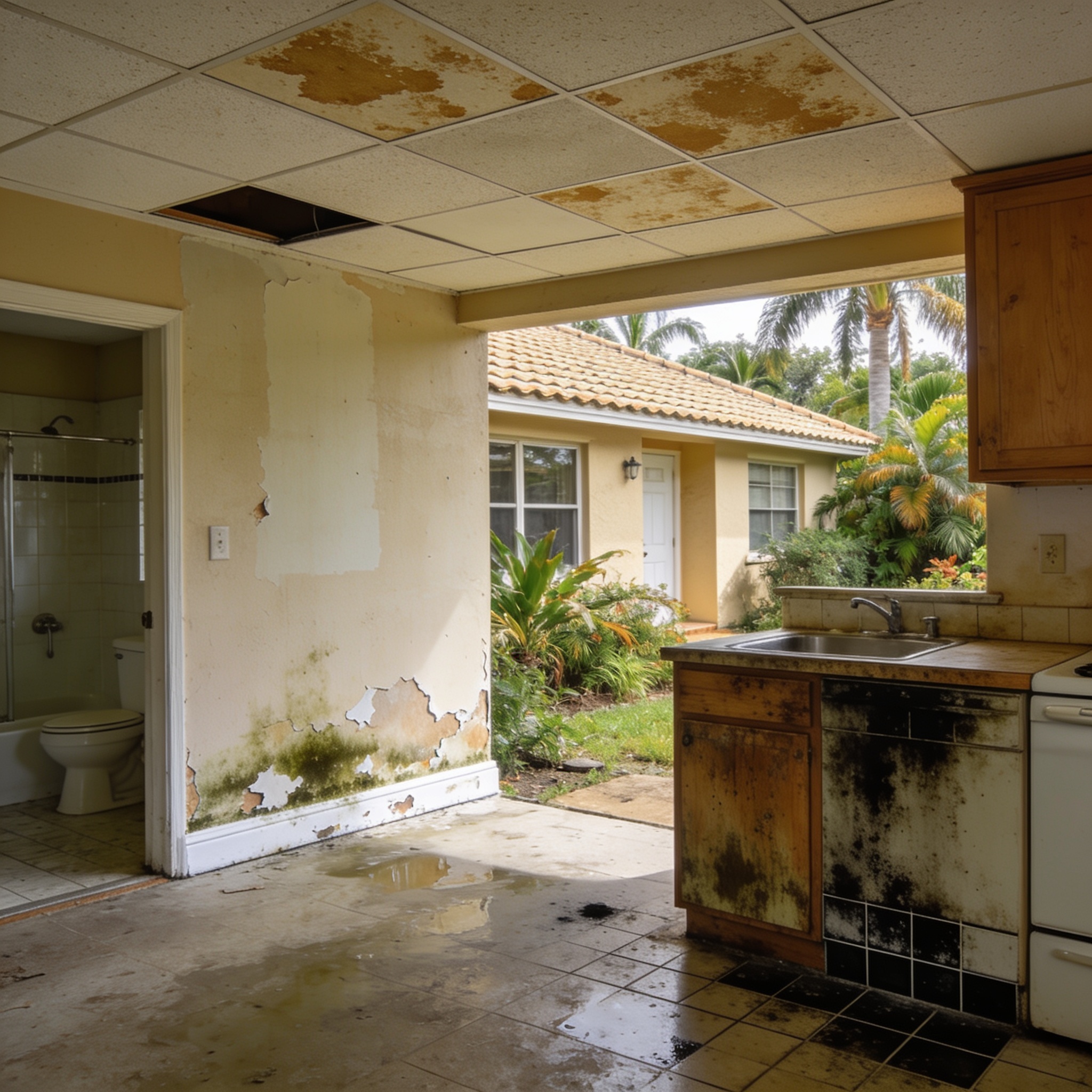
A Florida landlord is responsible for maintaining the structural integrity of the property and ensuring that plumbing, roofs, and HVAC systems function correctly to prevent moisture intrusion. When mold growth occurs due to a failure to maintain these systems, the landlord must remediate the issue to restore the unit to a habitable state. The landlord is legally required to address any conditions that threaten the health or safety of the occupants once they have been formally notified of the problem. This includes addressing mold that may have infiltrated drywall or other porous building materials, as well as addressing any property damage resulting from moisture intrusion that violates local housing codes.
How Long Does a Landlord Have to Fix Mold Problems?
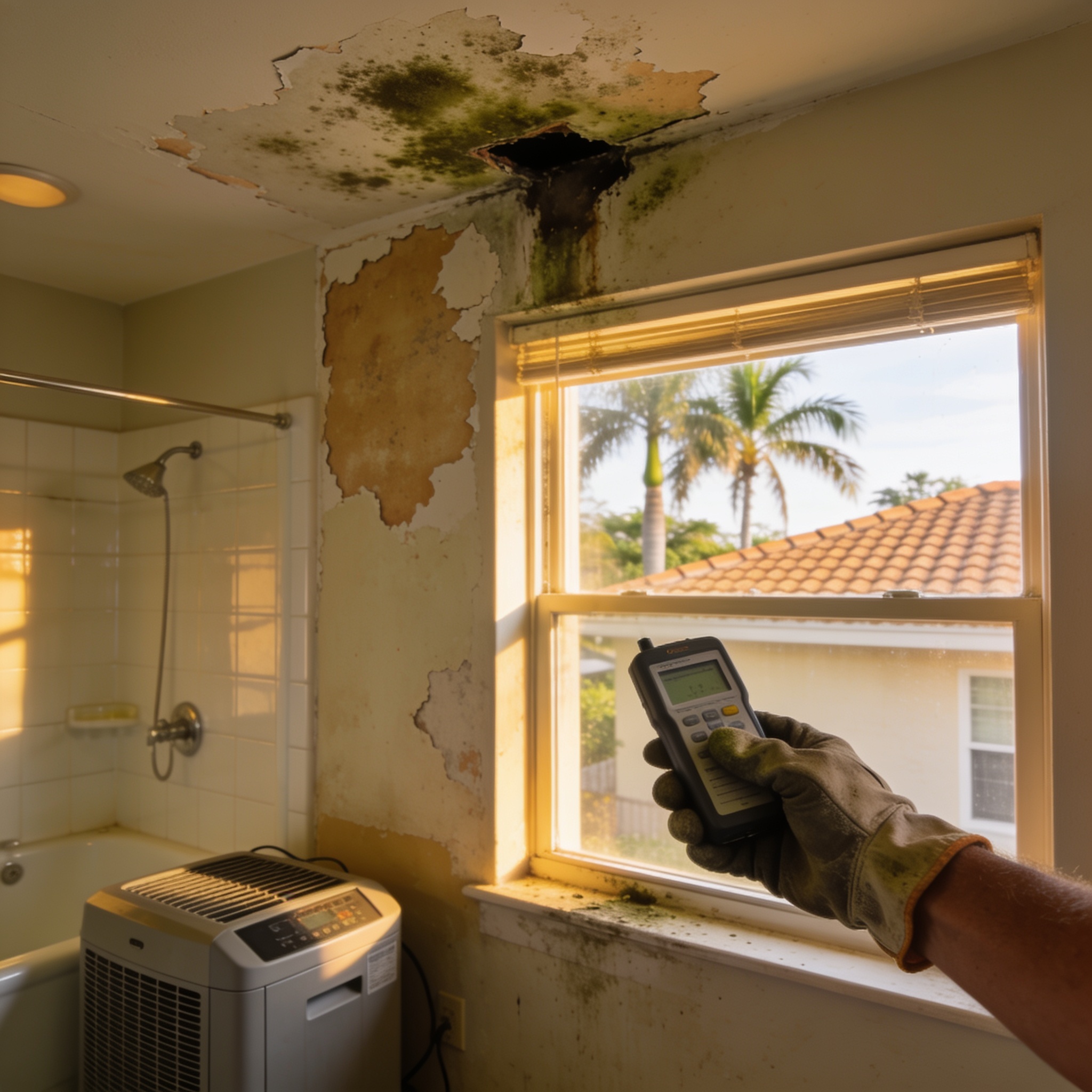
Once a tenant provides formal written notice of a mold issue, the landlord has exactly seven days to begin remediation or repair the underlying cause of the moisture. If the landlord fails to complete remediation within this window, the tenant may have grounds to terminate the lease or pursue other legal action. It is vital to understand that the seven-day clock only begins after the landlord receives a formal, written notice sent via certified mail. You should always review your lease to see if there are specific clauses regarding maintenance timelines, and note that if the unit uninhabitable, you may have additional rights under landlord-tenant law.
Factors Influencing Mold Growth and Repair
- The type of mold present and whether it requires professional intervention.
- Whether the mold was caused by tenant negligence, such as failing to report a leak or improper ventilation.
- The availability of a professional mold remediation company to assess and treat the property.
- The need for an independent inspector to verify the extent of the contamination.
What Are the Signs of Mold and Health Risks?
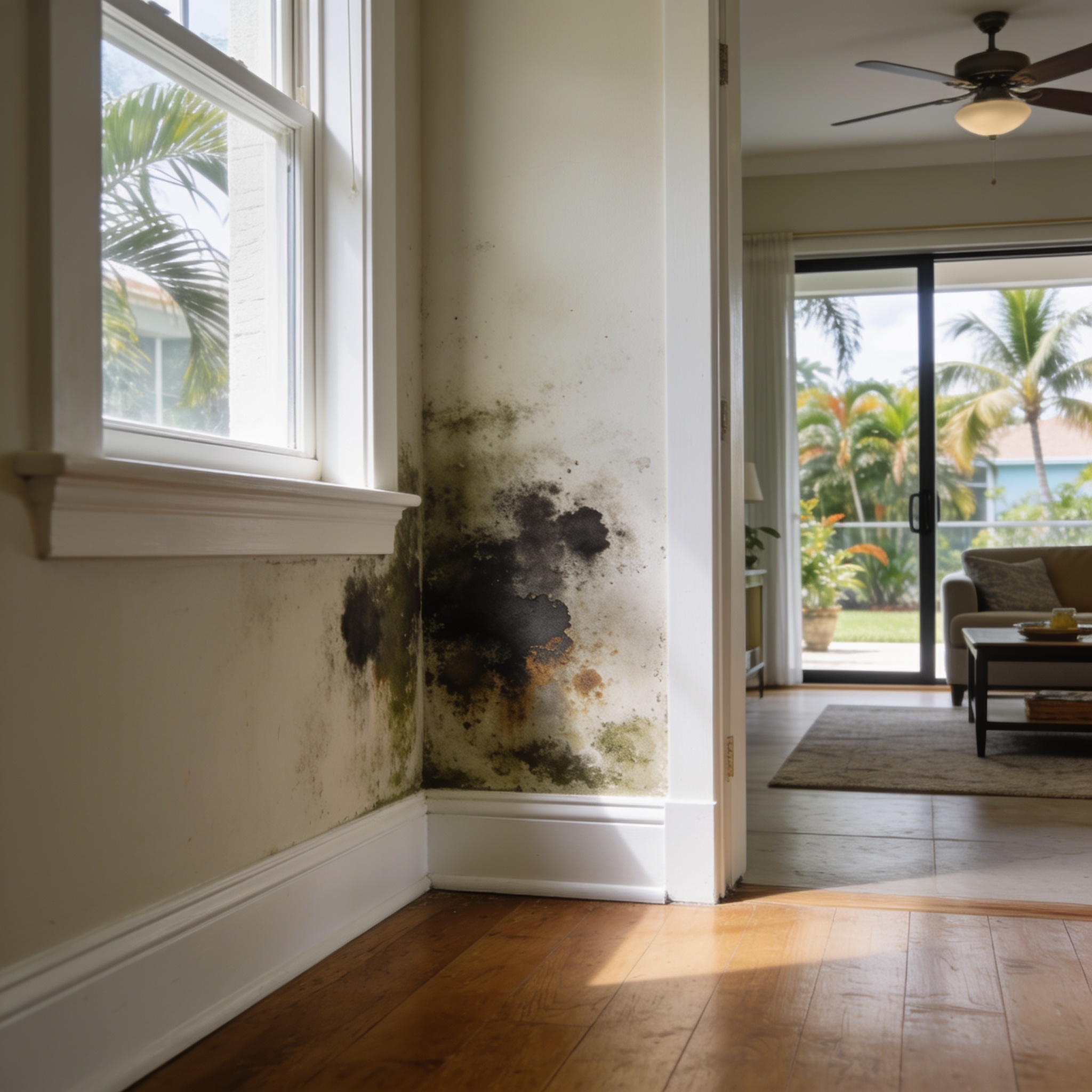
Common signs of mold include a musty odor, visible discoloration on walls or ceilings, and persistent dampness. Health risks associated with mold exposure include respiratory irritation, allergic reactions, and the exacerbation of pre-existing conditions like asthma. According to the EPA, mold spores are ubiquitous in Florida’s climate, but indoor concentrations can become hazardous when moisture is not controlled. Tenants should monitor for symptoms such as persistent coughing, wheezing, or skin irritation and consult a medical professional or the local health department if they suspect their environment is causing health concerns.
Landlord Tenant Disputes and Lease Termination
When landlords and tenants disagree on the severity of a contamination, the landlord tenant relationship can become strained. If the issue remains unresolved, deciding to break my lease may become a necessary step for your safety. However, you must ensure that you have provided proper written notice and allowed the landlord the mandatory seven days to fix the issue. Documenting the extent of the mold damage is essential if you intend to argue that the property is no longer habitable. If you decide to vacate, ensure you have followed all statutory requirements to avoid penalties for early termination, as attempting to break the lease without proper documentation can lead to legal disputes.
What Legal Remedies Are Available for Mold Problems?
If a landlord fails to address a mold issue within seven days, tenants may seek lease termination, rent abatement, or, in extreme cases, seeking damages for loss of use of the property. In some circumstances, tenants may be advised to withhold rent by placing funds into an escrow account, though this must be done strictly according to state statutes to avoid eviction. You may also contact local code enforcement, which can inspect the property and issue citations if the conditions violate local health standards. Ultimately, if the dispute reaches a judge or jury, having a clear paper trail of your notices and the landlord’s failure to act will be your strongest defense.
Can I Sue My Landlord for Mold Exposure?
Tenants can potentially sue for damages if they can prove that the landlord’s negligence in maintaining the property led to hazardous mold that caused personal injury or property loss. This process often falls under personal injury law and requires significant evidence linking the mold to specific medical bills or damaged personal belongings. Successful litigation against a landlord requires proving that the owner knew about the mold and failed to act within a reasonable period. This is especially relevant for those living in rental homes where maintenance has been neglected.
Mold Prevention and Remediation Standards
Florida requires that individuals performing mold assessment or remediation be licensed by the Department of Business and Professional Regulation (DBPR). Hiring a licensed professional ensures that the work is performed according to industry standards, such as those set by the IICRC. Always verify that any company you hire to remediate mold holds a valid Florida license to ensure the work is compliant with state safety regulations. Comprehensive mold prevention and remediation strategies are the best way to keep your home safe.
| Action | Legal Requirement |
|---|---|
| Providing Notice | Must be in writing (Certified Mail recommended) |
| Fixing Mold | Within 7 days of receiving written notice |
| Remediation | Must be performed by a licensed professional |
| Cost Estimation | Find out how much does mold remediation cost before proceeding |
Frequently asked questions
These answers address common concerns regarding the intersection of property maintenance and tenant rights in Florida.
Is the landlord responsible for mold caused by high humidity?
If the mold is caused by structural issues like a leaking roof or poor ventilation, the landlord is generally responsible for repairs. However, tenants are responsible for maintaining reasonable cleanliness and proper airflow in the unit.
Do I need to hire a mold remediation company near me?
Yes, for significant infestations, you should search for mold remediation near me to ensure the spores are properly contained and removed by licensed experts.
Can mold be considered a violation of the implied warranty of habitability?
Yes, if the mold growth is extensive enough to pose a significant health risk or structural damage, it can be considered a breach of the warranty of habitability.
What if my apartment complex ignores my request for repairs?
If the landlord fails to address the mold after seven days, you may contact local code enforcement or consult an attorney to discuss your options for lease termination.
Does insurance cover mold removal?
Coverage for mold depends on your specific policy and whether the mold resulted from a covered peril, such as sudden storm damage, rather than long-term neglect.
See also: water damage restoration near me
Our editorial team verifies licensing and reviews for every restoration company in the directory and writes practical, Florida-specific guides to help homeowners act fast and protect their insurance claims after water, fire, mold or storm damage.