How Long Does Exposure to Mold Take Before Symptoms Appear?
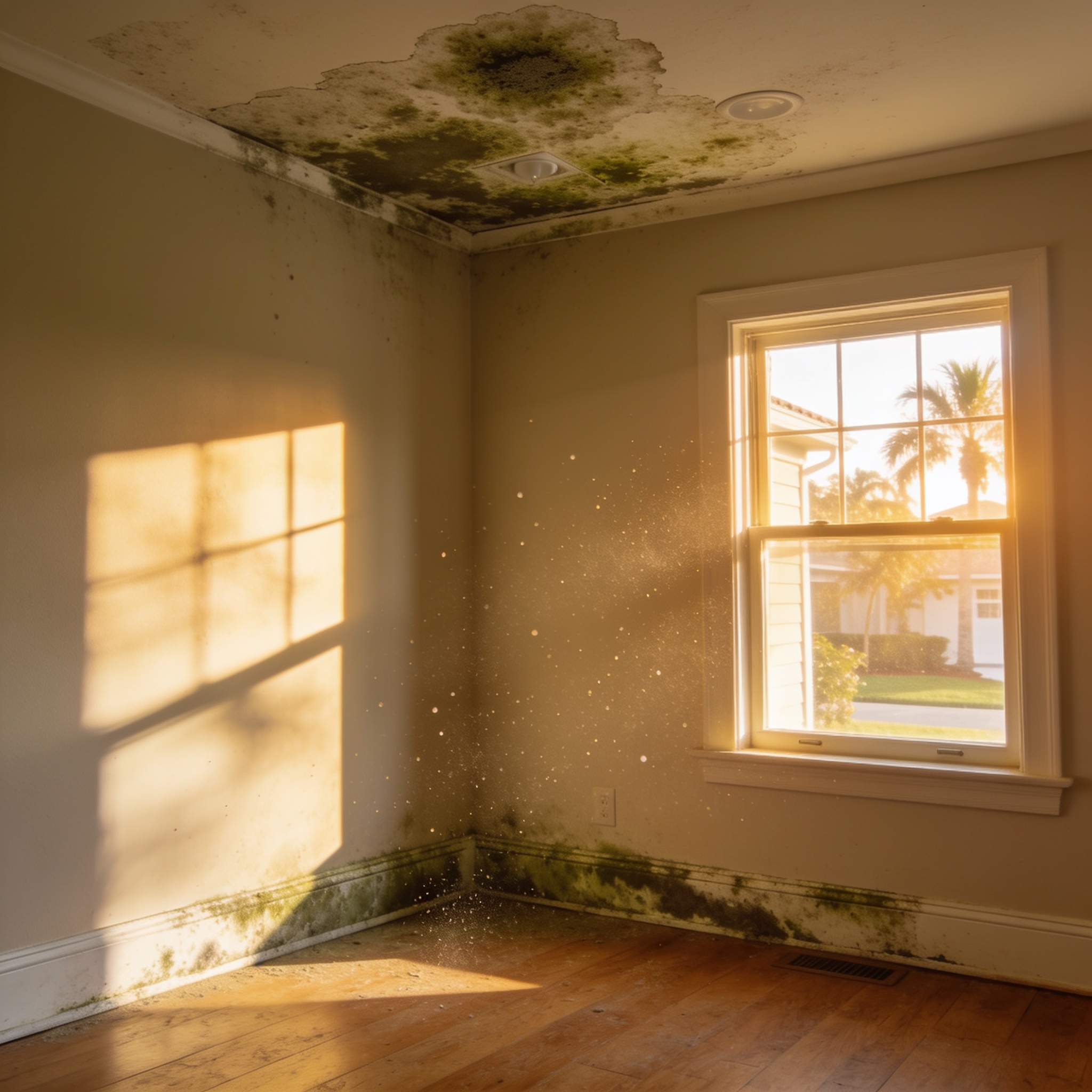
Most individuals begin to experience mold exposure symptoms within a few hours to a few days after being exposed to mold, though the exact timeline depends heavily on individual immune sensitivity and the concentration of spores in the air. Because SWFL residents often deal with high humidity levels following tropical storms, understanding how long does it take for mold to make you sick is critical for timely intervention. Recognizing the signs early can help you avoid the more severe health risks associated with prolonged indoor mold. Because mold exposure can cause significant distress, it is important to note that everyone reacts to mold differently; while some are unaffected, others experience severe mold symptoms quickly. Maintaining a dry environment is essential, as mold needs moisture to thrive, and mold growth in your home can develop in as little as 24 to 48 hours.
Key Takeaways
- Symptoms typically manifest within hours for those with a pre-existing allergy, while others may take days of continuous contact to notice a physical reaction.
- The EPA notes that mold grows rapidly in the humid, warm climate of Southwest Florida, especially following water damage events.
- Individual sensitivity varies significantly, meaning two people in the same room may have entirely different physical responses to the same mold spores in the air.
- Professional mold testing is the only definitive way to identify the specific type of mold present in your home after a flood or leak.
- Promptly contacting professional mold remediation companies is essential to stop the spread of spores and mitigate long-term health effects of mold.
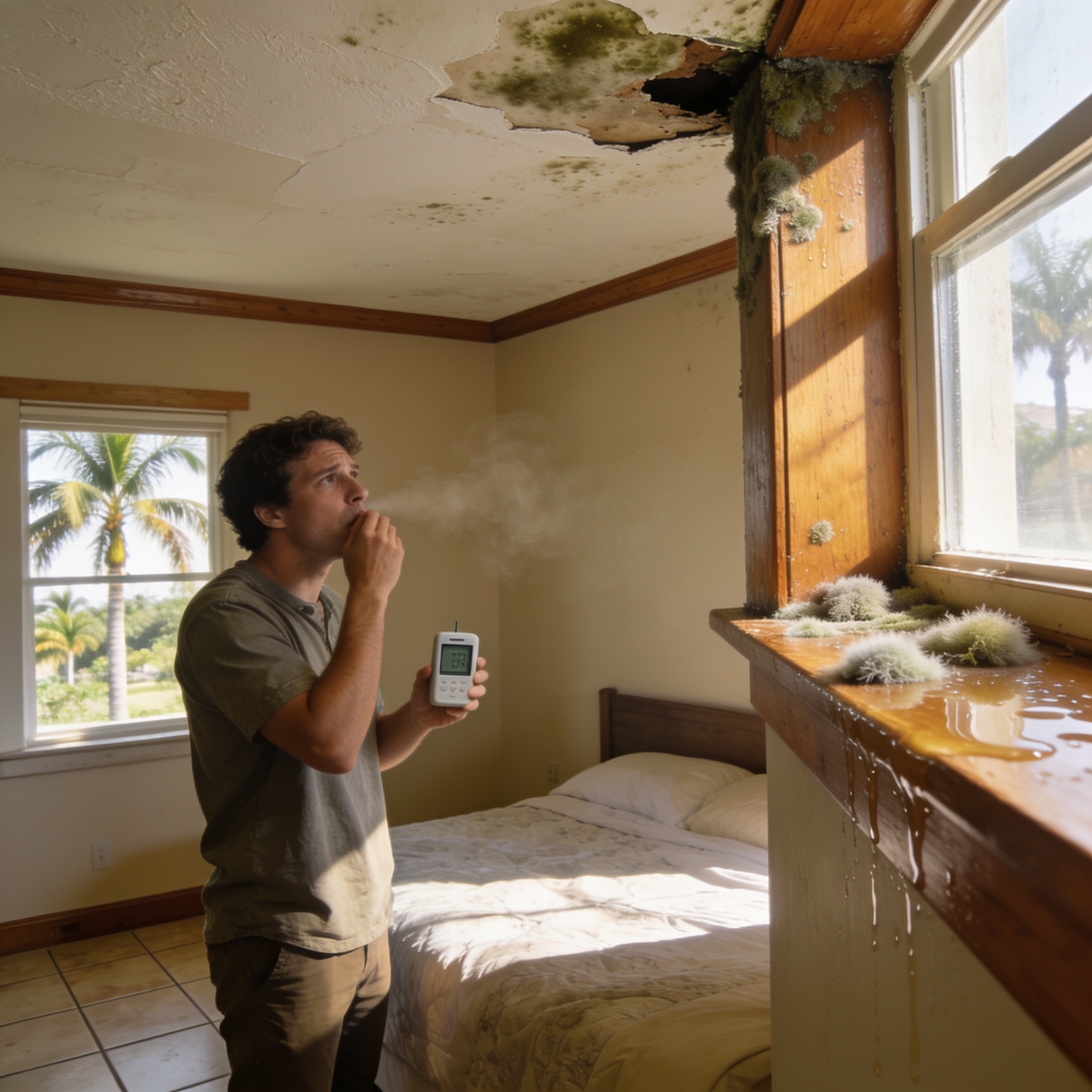
How long does it take for mold exposure symptoms to appear, and how long can you breathe in mold before you get sick?
The duration of time it takes to get sick from mold exposure ranges from immediate respiratory irritation to several days of cumulative exposure for those without prior sensitivities. In our humid climate, mold grows quickly in wall cavities and under flooring, often leading to hidden mold in your home that homeowners do not detect until symptoms arise. If you have recently experienced water damage, you should prioritize inspecting your property to prevent mold from becoming a chronic health hazard. According to the Centers for Disease Control and Prevention (CDC), mold spores are ubiquitous, but concentrated indoor growth is what typically triggers a physiological response. When mold is present, even much mold or a small colony can cause symptoms in susceptible individuals. It is important to remember that mold is toxic to some, and prolonged exposure can lead to persistent health complications.
The 5-Step Symptom Timeline
Understanding how long does it take for mold to make you sick involves recognizing the progression of physical reactions:
- Hour 0-2: Immediate irritation of the eyes, nose, and throat occurs upon inhaling high concentrations of spores. This first exposure can trigger symptoms in sensitive individuals.
- Hour 2-24: Nasal congestion, sneezing, and coughing begin as the body attempts to expel the foreign fungal particles.
- Day 1-3: For people with mold allergies, mold allergy symptoms like skin rashes or wheezing may escalate as the immune system mounts a stronger defense.
- Day 3-7: If the mold problem remains unaddressed, fatigue, headaches, and brain fog may develop due to persistent respiratory stress.
- Week 1+: Chronic exposure can lead to persistent asthma symptoms or secondary sinus infections if the environment is not remediated. Recognizing these symptoms early is vital.
What are the common symptoms of mold exposure and mold sickness?
Common symptoms of mold exposure frequently mimic seasonal allergies, including persistent nasal congestion, sneezing, and itchy, watery eyes. Because SWFL experiences high humidity, many residents mistake these symptoms for common allergens like pollen or dust. If you find that your symptoms improve when you leave your home, it is a strong indicator that household mold is the culprit. The EPA emphasizes that moisture control is the primary method to prevent mold and reduce your exposure to the likelihood of these symptoms appearing. Because contact with mold can trigger a reaction, knowing if you are allergic to mold is a key factor in how mold affects your daily life. Often, mold spores causes inflammation, leading to symptoms like nasal congestion that make mold can affect people in ways that are easily misdiagnosed.
| Symptom Category | Common Manifestations |
|---|---|
| Respiratory | Coughing, wheezing, shortness of breath |
| Nasal/Sinus | Congestion, sneezing, rhinorrhea |
| Dermal | Itching, redness, skin irritation |
| Systemic | Headaches, fatigue, general malaise |
| Sensitivity | Increased mold sensitivity |
| Health Impact | Various issues caused by mold |
What are the 10 warning signs of mold toxicity you should never ignore?
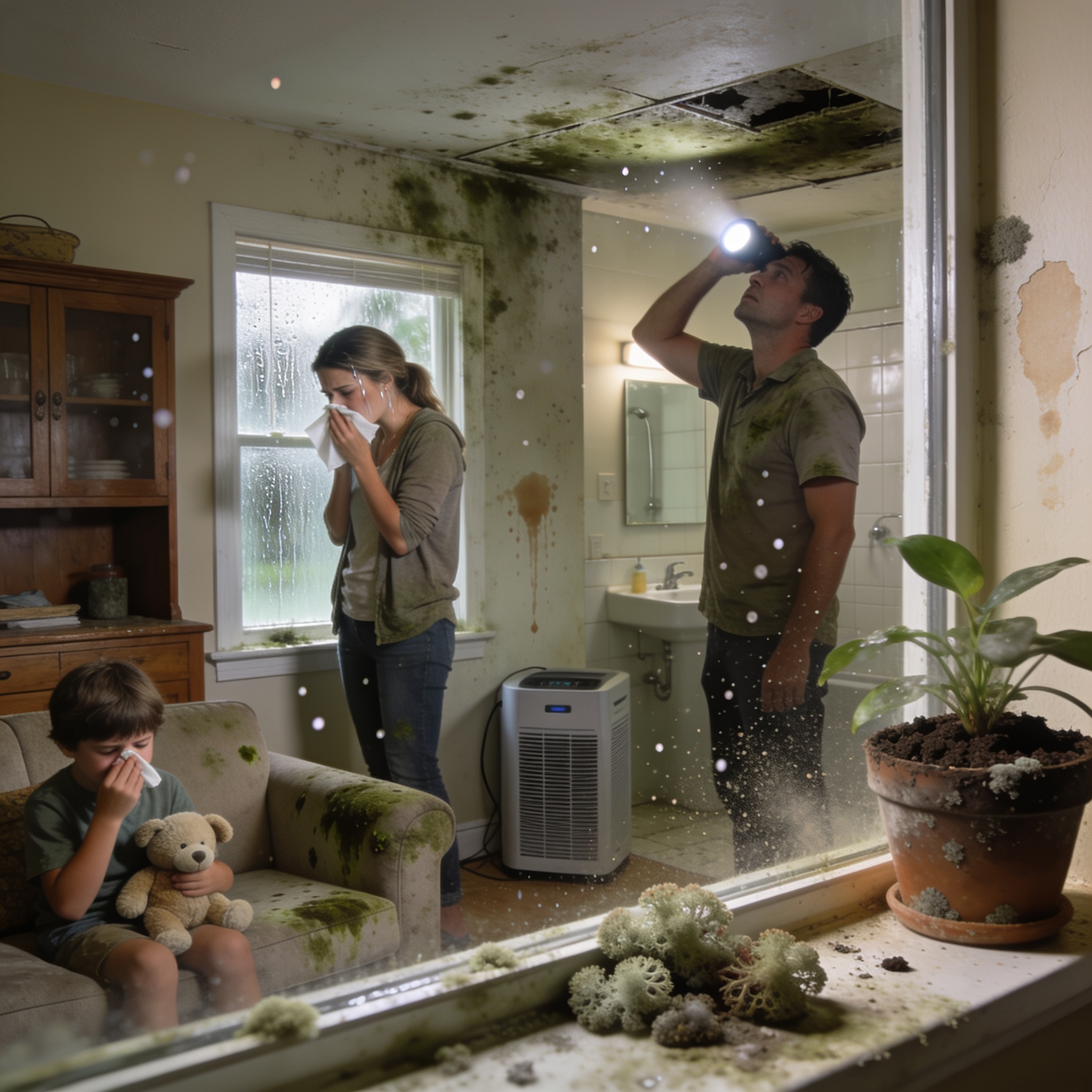
Identifying the signs of mold toxicity early is essential to protecting your health and the structural integrity of your property. If you notice these indicators, you should consult with experts regarding water damage restoration to assess your home’s safety. When you find mold, it is often a sign that mold may have already spread behind walls. To manage mold, you must address the moisture source immediately.
- Visible mold growth on walls, ceilings, or furniture surfaces.
- A persistent, musty, or earthy odor that does not dissipate with ventilation.
- Recent water damage or flooding that was not professionally dried within 48 hours.
- Water stains on drywall or baseboards that have begun to bubble or peel.
- Increased frequency of respiratory issues among household members while indoors.
- Condensation buildup on windows or cold surfaces, indicating high indoor humidity.
- Frequent headaches that seem to worsen after spending time in specific rooms.
- Allergy symptoms that persist even when outdoor pollen counts are low.
- Warped floorboards or buckling carpet caused by trapped moisture underneath.
- Visible dark, fuzzy, or slimy patches appearing in bathrooms or laundry areas.
Can black mold make you sick, and does it cause more severe symptoms than other molds?
Black mold can make you sick, though it is the concentration of spores rather than the specific type of mold that usually dictates the severity of your reaction. While the media often highlights the dangers of black mold exposure, any kinds of mold growing in your home can trigger an inflammatory response. Residents in Lee or Collier counties should be aware that after a hurricane, the risk of mold increases significantly due to prolonged moisture. If you are concerned about the cost of professional mold intervention, you might wonder how much does mold remediation cost, but the health risks of ignoring a mold problem often far outweigh the financial investment. Remember, black mold can cause significant symptoms in people who are frequently exposed to mold. Furthermore, toxic mold can exacerbate existing conditions, making symptoms worse for those already struggling.
Who is most at risk for developing symptoms from mold exposure?
Individuals with pre-existing respiratory conditions, such as asthma or chronic obstructive pulmonary disease, are at the highest risk for developing severe symptoms from mold exposure. Infants, the elderly, and those with compromised immune systems are also significantly more likely to be affected by mold. If you are allergic or sensitive to mold, even a small amount of mold can trigger a significant immune response. Always prioritize air quality in your home if you fall into these high-risk categories, especially if you are exposed to mold frequently. Implementing steps to prevent mold is the best way to protect these vulnerable groups.
Can mold toxicity cause high CRP levels and other measurable inflammatory markers?
Chronic mold exposure can trigger systemic inflammation, which may lead to elevated C-reactive protein (CRP) levels in some clinical studies. While mold is not the only cause of inflammation, the body’s immune response to constant spore inhalation can lead to measurable markers of stress. If you suspect your health is being affected by mold, consult a medical professional for appropriate testing. Do not attempt to diagnose yourself based on lab results alone, as these markers can be influenced by many environmental factors.
What are the long-term effects of mold exposure on your health?
Long-term exposure to mold can lead to the development of chronic respiratory conditions, including asthma, and may cause permanent sensitivity in some individuals. When you are exposed to mold for a long time, the respiratory tract remains in a state of constant irritation, which can degrade lung function over time. It is vital to remove mold as soon as it is discovered to prevent these lasting health effects. Utilizing a high-quality dehumidifier and air purifier can help minimize mold and manage indoor air quality, but these are not substitutes for professional mold removal. Exposure to high levels of spores over time is particularly dangerous. If you have mold issues, you must act quickly to eliminate mold from your living space.
How do you know if mold is making you sick, and when should you see a doctor?
You should see a doctor if your respiratory symptoms persist for more than two weeks or if you experience difficulty breathing, chest tightness, or persistent coughing. Keeping a log of when your symptoms occur—specifically noting if they improve when you are away from your home—can provide valuable information for your physician. If you suspect a mold problem, you should also consider professional mold testing to confirm the presence of spores in your living environment. Taking these steps helps ensure that you are not living in an environment that is actively damaging your health. You must remove the mold to ensure long-term recovery.
How is mold exposure and mold allergy diagnosed and treated?
Diagnosis of mold allergies typically involves skin prick tests or blood tests conducted by an allergist to determine your specific sensitivities. Treatment often focuses on managing symptoms with over-the-counter drugs, such as antihistamines or nasal corticosteroids, while simultaneously removing the source of the mold. If your home has suffered from water damage, contacting a professional to address the moisture is the most effective way to eliminate the trigger. Remember that treating the symptoms without addressing the underlying mold growth will likely result in the recurrence of your health issues. Because mold can grow in hidden areas, professional inspection is often required to ensure the environment is safe.
Frequently asked questions
Common inquiries regarding mold exposure help clarify the steps needed to keep your home safe and healthy.
Does a dehumidifier stop mold from growing?
A dehumidifier is highly effective at keeping indoor humidity below 60%, which is the threshold where most mold growth is inhibited.
Can I clean mold myself?
Small patches of mold can sometimes be cleaned with soap and water, but large infestations require professional mold remediation companies to ensure all spores are safely removed.
How do I know if I have hidden mold?
Hidden mold is often identified by a persistent musty odor or through professional moisture mapping after water damage occurs in your home.
Is mold testing necessary?
Mold testing is recommended if you suspect a mold problem but cannot locate the source, or if you are experiencing unexplained health symptoms.
Does my insurance cover mold removal?
Insurance coverage for mold depends on your policy and whether the mold was caused by a covered peril, such as a sudden pipe burst or water damage.
See also: mold remediation companies
See also: Water Damage Restoration
See also: Water Damage Restoration
Related: how much mold remediation
Our editorial team verifies licensing and reviews for every restoration company in the directory and writes practical, Florida-specific guides to help homeowners act fast and protect their insurance claims after water, fire, mold or storm damage.