How Long Do Mold Spores Stay in the Air? Expert Restoration Insights
Mold spores stay in the air for anywhere from a few hours to several days depending on airflow, humidity levels, and the presence of physical surfaces for them to settle upon. In the high-humidity climate of Southwest Florida, these microscopic particles can remain suspended indefinitely if air circulation is stagnant or if moisture provides a constant cycle of new growth. Because mold spores are everywhere, understanding how to manage them is essential for a healthy living environment. Effectively managing the air quality in your home is the key to preventing mold growth, as mold spores are easily distributed by even the slightest breeze.
SR
SWFL Restoration Editorial
Oct 26, 2026 7 min read
Key Takeaways
Mold spores are naturally occurring and present in almost every indoor environment.
High humidity in regions like Lee and Collier counties significantly accelerates the rate at which spores settle and colonize.
Mechanical ventilation and HEPA filtration are the most effective ways to reduce airborne spore counts.
Professional mold remediation near me is often necessary when colonies have established themselves behind walls or in HVAC ducts.
Understanding how much does it cost to address these issues can help homeowners prioritize moisture control.
What Causes
Airborne Mold
Spores to Be in the Air?
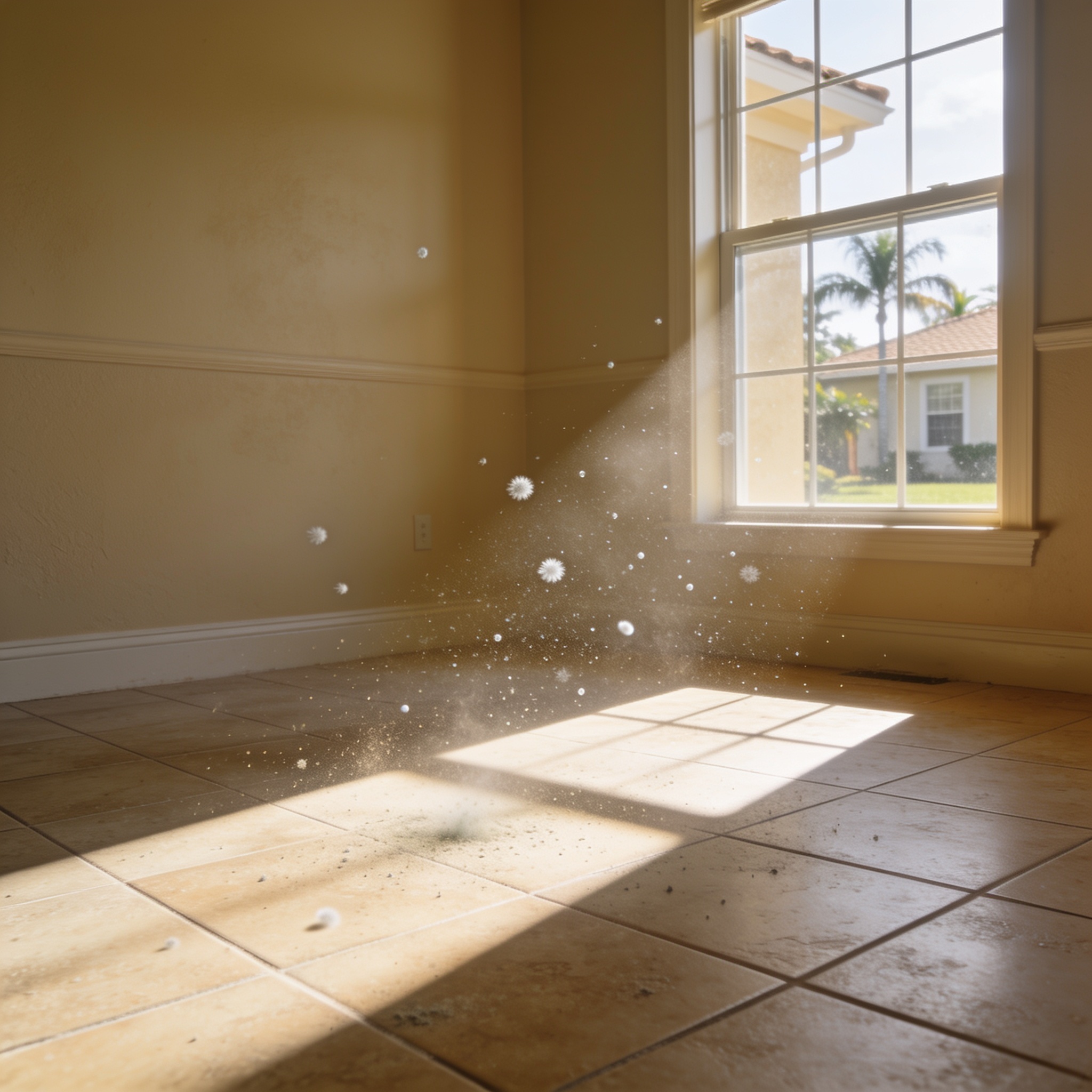
Mold spores are tiny reproductive fungal cells that become airborne when disturbed by physical contact, air currents, or changes in humidity. In Southwest Florida, the combination of tropical storm activity and high ambient moisture creates a perfect breeding ground for these organisms. It is important to know how mold spores are released, as even minor vibrations can launch spores into the air, allowing them to float through the air and settle in new areas. Because spores are typically microscopic, they act as indoor air pollutants that can compromise your health. Furthermore, mold spores act as the seeds for mold colonies, which can develop rapidly if moisture is present.
The Role of HVAC Systems and
Indoor Air
Quality
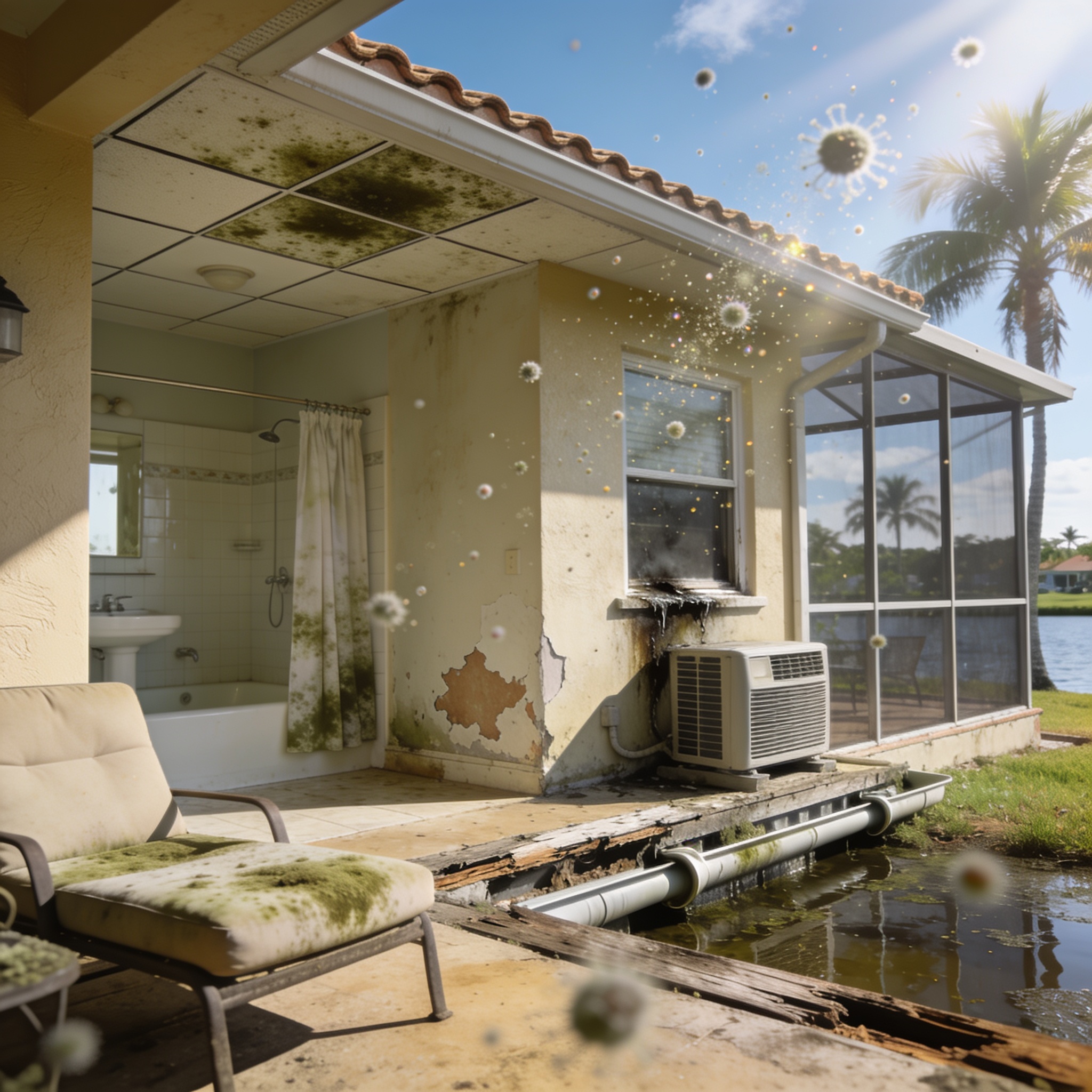
Your heating, ventilation, and air conditioning (HVAC) system acts as a primary distributor for airborne mold. If moisture accumulates in your ductwork, the system can actively spread mold and mold spores throughout your home every time the fan cycles on. To keep the air clean, ensure your filters are replaced regularly to prevent indoor mold growth from circulating. By using an air purifier, you provide a necessary defense against airborne mold spores that might otherwise circulate through your HVAC system.
Understanding Mold Spores
: How Long Do They Stay?
Most individual mold spores stay in the air for a period ranging from 24 to 48 hours before settling onto surfaces if the indoor environment remains undisturbed. However, because spores are so lightweight, even minor drafts or foot traffic can keep them suspended for much longer periods. We often see that long mold spores stay suspended is influenced by air currents; in homes with poor ventilation, these particles may stay airborne indefinitely. You should realize that mold spores can stay suspended until they are captured by a filter or land on a damp surface to begin the process of mold from growing. In stagnant conditions, these spores stay airborne indefinitely, potentially settling hours later to form new mold colonies.
Get Rid of Mold
: Do Spores Go Away on Their Own?
Mold spores do not simply vanish on their own, and you must actively reduce their concentration through cleaning and moisture control to prevent a mold problem. While they will eventually settle out of the air, they simply transition from being airborne to resting on your floors, furniture, and walls. Once they land, they wait for the right moisture conditions—common in humid Florida climates—to germinate and form new colonies. To effectively get rid of mold spores, you must address the source of indoor mold growth inside your home. It is impossible to get rid of all mold without addressing the moisture that allows new mold to develop.
How Do
Airborne Mold Spores
Affect Your Health?
Exposure to mold spores can trigger significant respiratory irritation, especially for individuals who are sensitive to mold spores or suffer from pre-existing asthma. According to the United States Environmental Protection Agency (EPA), inhaling these particles can lead to symptoms like coughing, sneezing, and skin irritation. In severe cases, particularly with toxic varieties like Stachybotrys chartarum, prolonged exposure may exacerbate chronic respiratory disease. Because mold spores in your home can accumulate in high amounts of mold, professional intervention is often required. You may notice visible mold on walls or ceilings, which indicates that mold spores may have already colonized the area.
What Will Kill Mold Spores in the
Indoor
Environment?
You cannot realistically kill mold spores in the air using chemical sprays, as the only effective way to remove them is through physical filtration and air exchange. Biocides and disinfectants are designed for hard surfaces, not for treating the air itself. Using air purifiers with HEPA filters is the industry-standard method to clean the air and capture these particles as they circulate through your living space. These systems are designed to capture air particles as small as 0.3 microns, which is essential to eliminate spores and reduce mold spores effectively.
Will Spraying Vinegar in the Air Help?
Spraying vinegar in the air will not kill mold spores and may actually increase the moisture levels in your home, which further encourages mold growth. While vinegar has mild antifungal properties on non-porous surfaces, it is ineffective as an airborne treatment. Relying on such methods often delays professional intervention, which is critical if you require water damage restoration services after a flood event to stop mold growth in your home. Instead of spraying, focus on allowing fresh air to circulate and using mechanical filtration to remove mold spores from the environment.
How Long Does It Take to
Get Rid of Mold
?
Professional remediation teams typically require 24 to 72 hours to significantly reduce airborne spore counts using industrial-grade air scrubbers and negative air machines. The exact duration depends on the volume of the space and the number of air changes per hour achieved by the equipment. If you are dealing with significant water intrusion, such as after a hurricane, you may also need professional services to address the source of the moisture where mold can grow. It often takes several hours to clean the air thoroughly after a remediation project to ensure no mold fragments remain.
How Long Are Spores Still Airborne After Cleaning?
Mold spores can remain airborne for several hours after a cleaning process is completed because the physical act of scrubbing or vacuuming often kicks settled particles back into the air. To mitigate this, professionals use air scrubbers during the entire remediation process to continuously filter the air. It is standard practice to keep these machines running for at least 24 hours to ensure the air after cleaning is safe and that no spores stay airborne. This process is vital because mold spores indoors can linger in the air for a long time if not properly filtered.
Can an Air Purifier Help
Indoor Air Quality
?
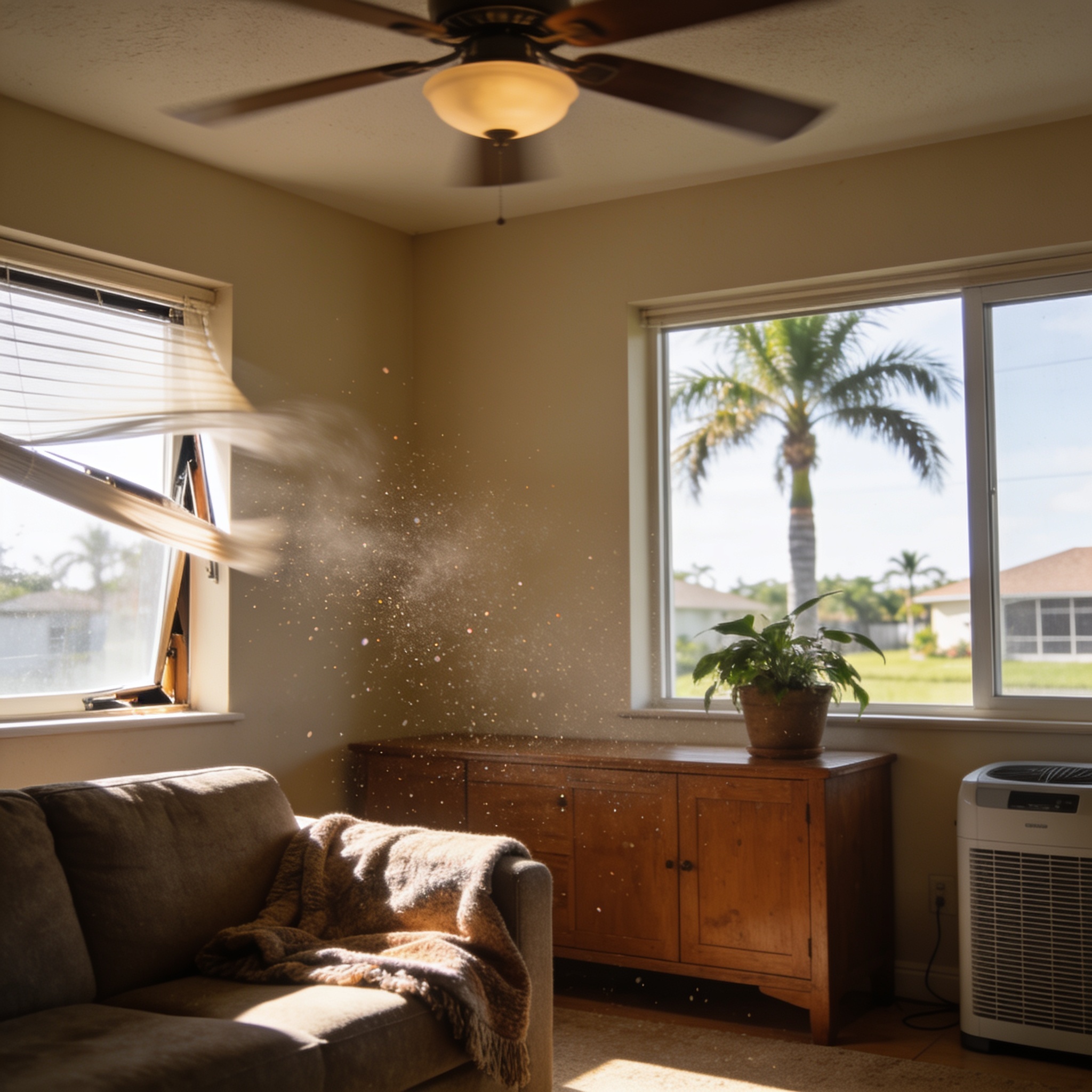
High-efficiency particulate air (HEPA) purifiers are highly effective at removing mold spores from the air because they can capture particles as small as 0.3 microns. To be effective, the air purifier must have a high Clean Air Delivery Rate (CADR) relative to the size of your room. Always ensure the unit is running continuously, as intermittent use will allow spores to settle and re-circulate whenever the unit is turned off. This is a vital step when you need to clean mold-affected areas.
How Can You Prevent a
Mold Problem
?
The most effective strategy to prevent mold growth is to maintain indoor humidity levels below 60 percent using a high-capacity dehumidifier. This prevents the spores that are naturally present from finding the moisture they need to colonize. You should also regularly inspect your home for leaks, ensure your bathroom fans are venting to the outside, and keep your HVAC filters clean to maintain optimal indoor air quality.
Frequently asked questions
These common inquiries address the practical logistics of managing airborne contaminants in your property.
Are mold spores always present in the air?
Yes, mold spores are naturally occurring in the outdoor environment and will inevitably enter your home through windows, doors, and HVAC intake systems.
Does an N95 respirator protect against mold spores?
Yes, an N95 respirator is designed to filter out at least 95 percent of airborne particles, including mold spores, during cleaning or inspection activities.
Can I test my own air for mold?
While DIY test kits exist, they are often unreliable; professional air quality testing provides a more accurate assessment of the specific types and concentrations of spores present.
Is mold more common in Florida homes?
Yes, the combination of high humidity, frequent rainfall, and coastal salt air creates a unique set of challenges that makes mold prevention a year-round priority for SWFL residents.
Our editorial team verifies licensing and reviews for every restoration company in the directory and writes practical, Florida-specific guides to help homeowners act fast and protect their insurance claims after water, fire, mold or storm damage.