How Can You Detect Mold in Your House: A Comprehensive Homeowner Checklist
You can detect mold in your house by identifying 5 distinct signs, including persistent musty odors, visible discoloration, water damage, recurring condensation, and unexplained health symptoms. Detecting mold early is the most cost-effective way to manage a potential infestation before it compromises your home’s structural integrity or indoor air quality. In Southwest Florida, where high humidity and frequent storm events create a breeding ground for mold, proactive monitoring is essential for every property owner. Understanding the presence of mold spores throughout your home and how they interact with moisture levels is the first step in protecting your living space.
Key Takeaways
- Mold thrives in environments with high humidity and moisture, making SWFL homes particularly vulnerable.
- Early detection through visual inspection and monitoring for musty odors can save thousands in remediation costs.
- Hidden mold often resides behind drywall, under flooring, or within HVAC systems following water intrusion.
- Professional mold test services are recommended if you suspect an infestation but cannot locate the source.
- Maintaining indoor humidity levels below 60% is the most effective way to prevent mold in your home.
What Are the Visible Signs of Mold Growth in a House?
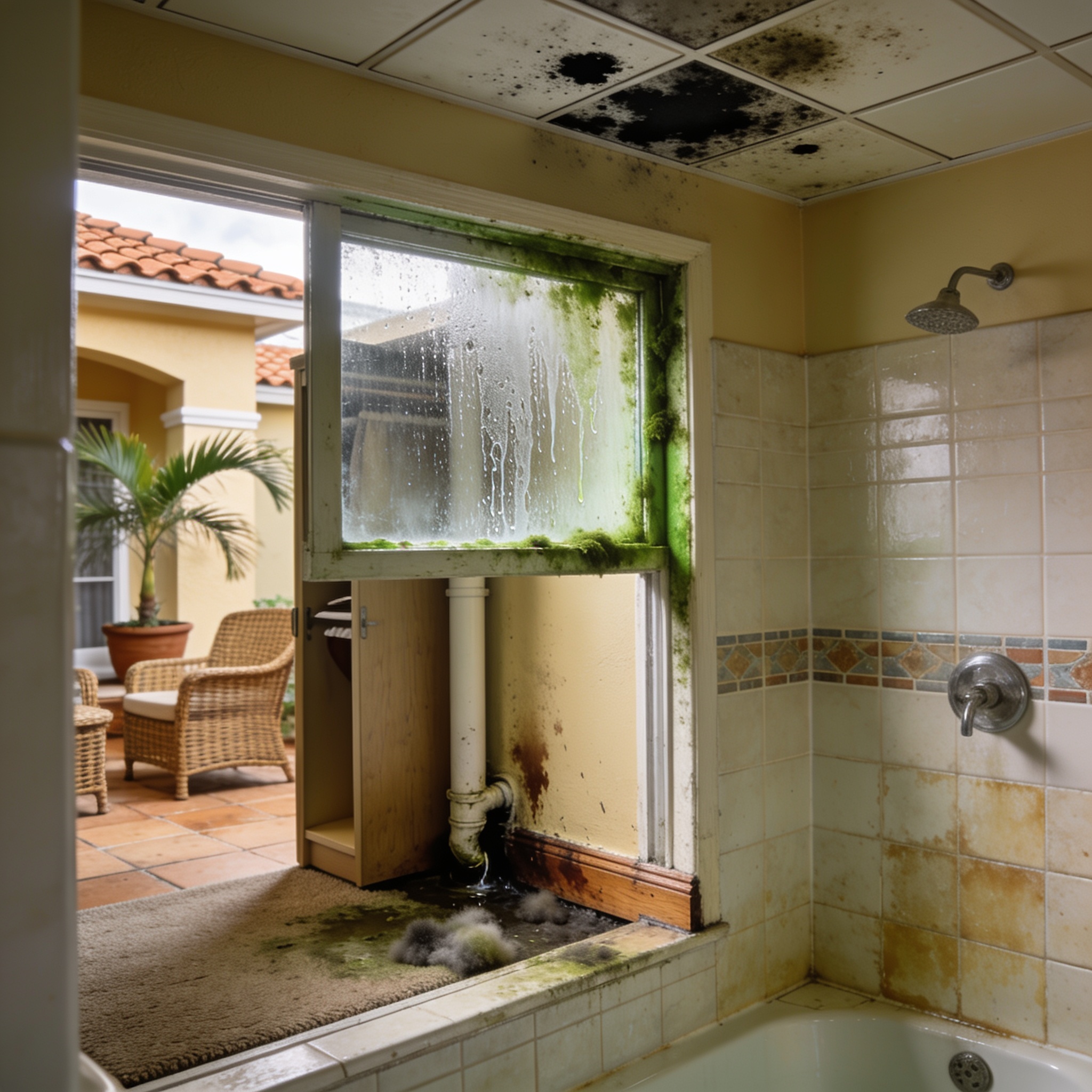
The 5 visual signs of mold growth you must check for include fuzzy or slimy surface patches, dark spotting on porous materials, bubbling paint, warped drywall, and visible mold colonies on organic surfaces. By identifying types of mold early, you can mitigate the allergic reactions that mold can cause in sensitive individuals. Always inspect the surface of walls for any signs of staining or texture changes that suggest hidden growth.
1. Fuzzy or Slimy Surface Patches
Mold often appears as fuzzy, velvet-like, or slimy patches on surfaces like tile grout or wood. These colonies, which represent various types of mold, can range in color from black and green to white or orange.
2. Dark Spotting on Porous Materials
Small, clustered black or brown dots on drywall, wallpaper, or ceiling tiles are classic indicators of a mold problem. These spots often indicate that damp conditions have allowed growth to penetrate the surface.
3. Bubbling or Peeling Paint
When moisture accumulates behind a wall, it often forces paint to bubble or peel away from the surface. This is a common sign of water damage or a hidden leak.
4. Warped Drywall or Baseboards
Drywall that feels soft, spongy, or appears warped is a major red flag for long-term damp exposure. In coastal areas, this often follows a roof leak or storm-related signs of water damage.
5. Visible Mold Colonies on Organic Surfaces
Mold feeds on organic matter like wood, paper, and fabric. If you see dark growth on the back of furniture, inside closets, or on carpet, you are likely dealing with an active infestation.
Where Are the Most Common Places to Find Mold in a Home?
The most common places to find mold in your home are areas with poor ventilation, such as the bathroom, kitchen, attic, and spaces surrounding your HVAC system. Homes in humid climates are particularly prone to mold, especially in areas where damp conditions persist.
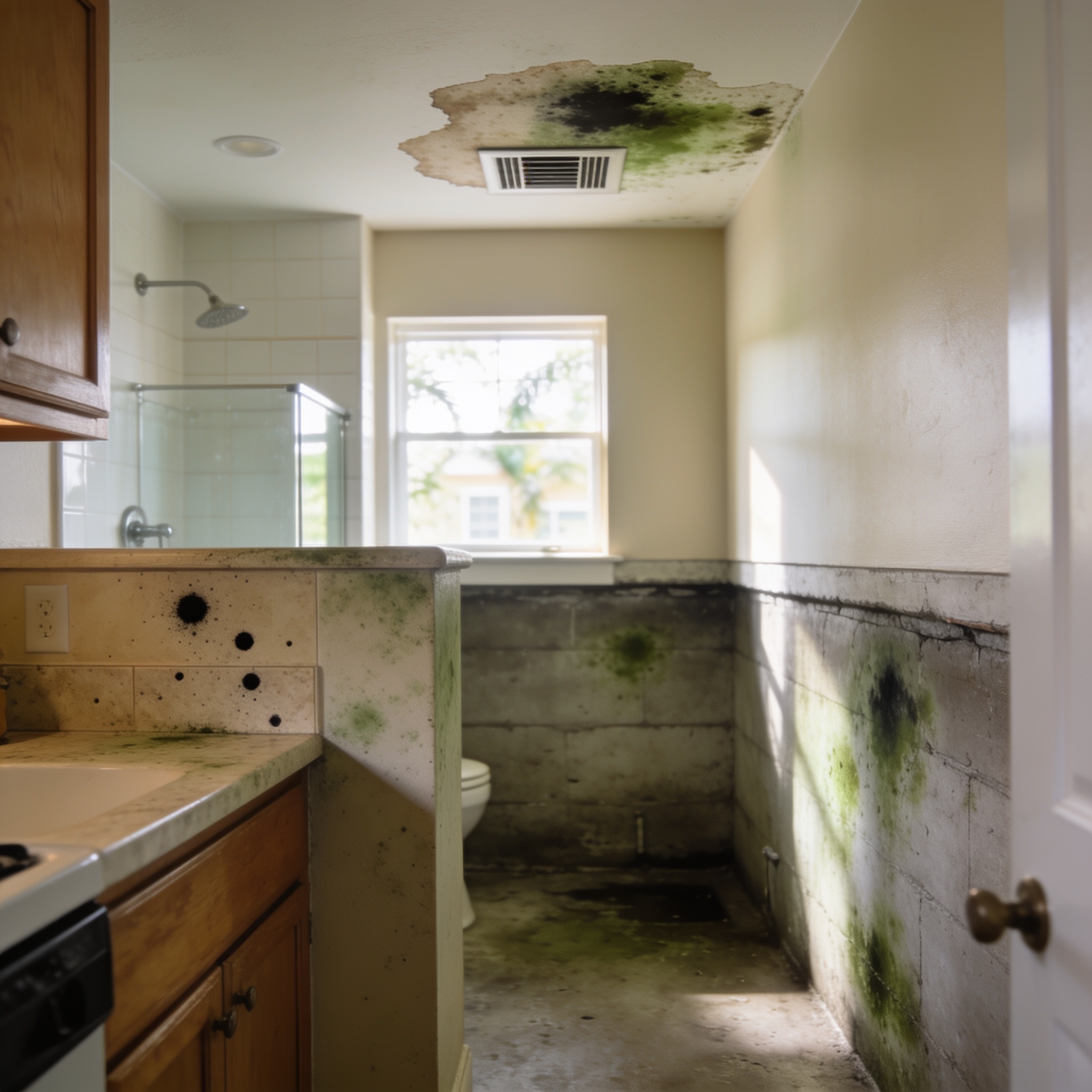
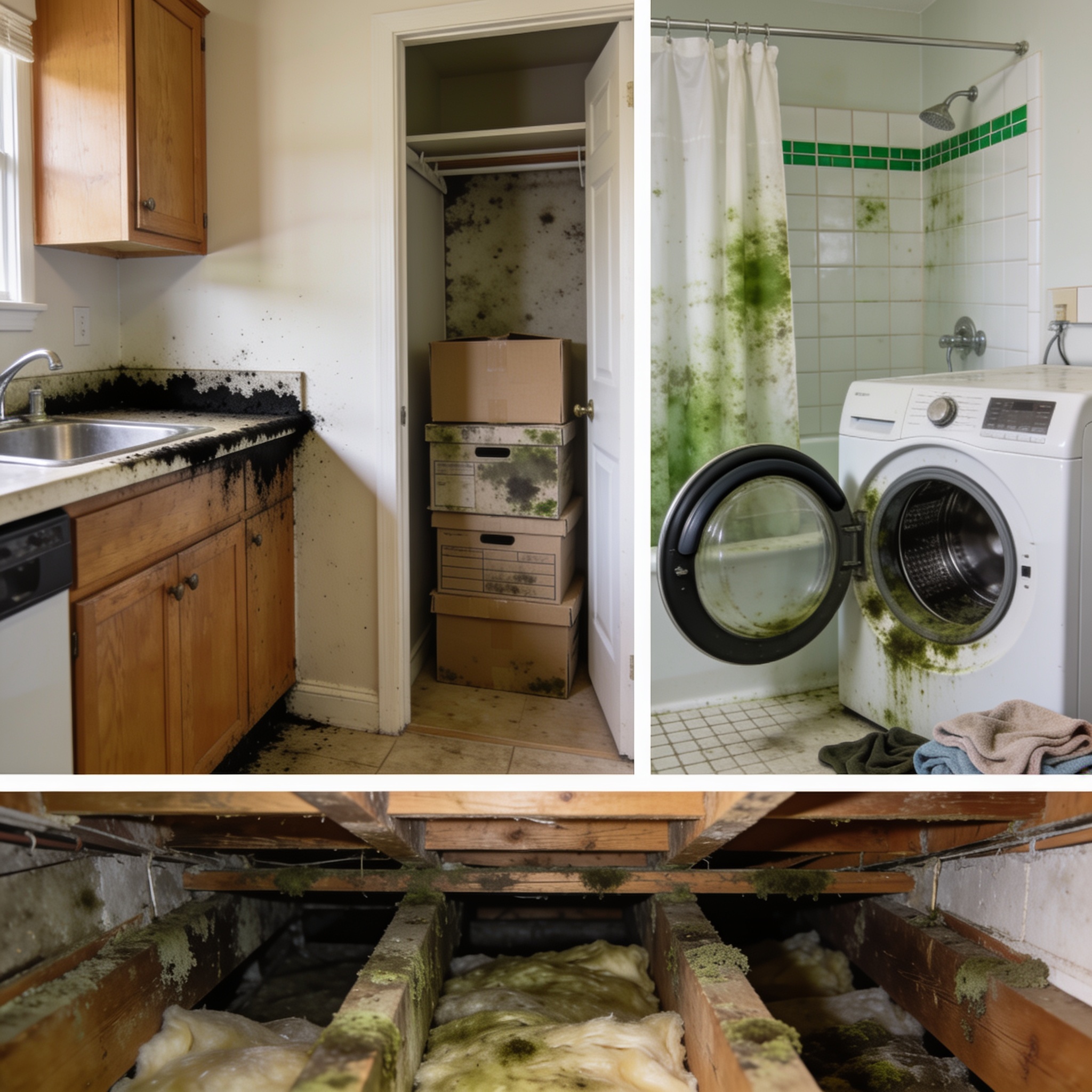
- Bathroom: High steam levels and poor ventilation make this the primary breeding ground for mold growing on tiles and ceilings.
- Attics and Crawlspaces: Leaking roofs or high humidity levels during the summer months often lead to mold on insulation or wooden rafters.
- Under Sinks: A slow water leak from plumbing fixtures creates a dark, damp environment perfect for mold.
- HVAC Ducts: Condensation within the cooling system can distribute airborne mold throughout your home if not properly maintained.
What Causes Mold to Grow in a House?
Mold grows in a house primarily due to excess moisture, high indoor humidity, and the presence of organic food sources like drywall, wood, or carpet. According to the EPA, mold requires moisture, oxygen, and a food source to thrive. If you have experienced a recent storm, you may require Water Damage Restoration to prevent long-term colonization.
What Tools and Methods Can Be Used to Detect Hidden Mold in a House?
The most effective tools to detect hidden mold include moisture meters, thermal imaging cameras, and professional air sampling equipment. You should regularly check for mold using these tools to identify damp spots behind walls or under flooring. If you suspect an issue in a larger property, professional remediation experts often use infrared cameras for mold test procedures to locate temperature differentials caused by trapped moisture.
Can You Test for Mold in the Air or on Surfaces Yourself?
You can use a DIY mold test kit to identify the presence of spores, but these kits often lack the precision needed to determine the specific species of mold or the severity of the infestation. While a mold test kit might confirm that mold is present, it cannot tell you the source of the moisture or the extent of the damage behind your walls. For accurate results, especially in cases where you are filing an insurance claim, professional mold test services are the industry standard.
How Do You Know If the Mold in Your House Is Toxic or Dangerous?
You cannot determine if mold is toxic simply by looking at it, as many different types of mold can produce mycotoxins that pose health risks. The IICRC notes that all mold should be treated as a potential health hazard regardless of its color or appearance. If you are concerned about specific varieties, you must rely on laboratory analysis of surface or air samples to confirm the exact species.
What Are the Signs and Symptoms of Mold Exposure or Mold Sickness?
Common signs and symptoms of mold exposure include persistent sneezing, itchy eyes, skin rashes, headaches, and respiratory distress such as shortness of breath or asthma flare-ups. If you suffer from a mold allergy, these symptoms often worsen when you are indoor and improve when you leave the house for an extended period.
What Are the Most Effective Ways to Kill or Remove Black Mold — DIY vs. Professional?
The most effective way to kill and remove black mold is through professional remediation, as DIY methods using bleach are often ineffective on porous materials and can lead to recurring growth. Bleach only kills surface mold and does not penetrate the roots of the colony, which is why experts recommend specialized EPA-registered fungicides. For significant infestations, you may need to perform remediation using professional services to ensure the spores are completely contained and removed.
| Method | Best For | Effectiveness |
|---|---|---|
| DIY Cleaning | Small, non-porous surfaces | Low (Surface only) |
| Professional Remediation | Wall cavities, HVAC, large areas | High (Root removal) |
| Mold test | Identifying species | High (Diagnostic) |
When Should You Hire a Professional for Mold Inspection or Testing?
You should hire a professional for mold inspection if you detect a persistent musty odor, have visible mold covering more than 10 square feet, or if you have recently experienced significant water damage. Professionals have the training to identify the source of moisture, which is the only way to permanently stop the problem. If you live in Charlotte County, seeking Water Damage Restoration experts immediately after a leak can prevent the need for extensive mold removal later.
How Can You Prevent Mold Growth in Your House?
You can prevent mold growth in your house by maintaining indoor humidity levels below 60%, fixing any water leak immediately, and ensuring proper ventilation in high-moisture areas. Effective mold in your home prevention involves using a high-quality dehumidifier in your basement or living areas to significantly reduce the likelihood of mold colonies forming. Regularly cleaning your HVAC filters and ensuring that bathroom exhaust fans are functioning correctly will also help keep your indoor mold growth in check.
Frequently asked questions
Addressing common concerns helps homeowners take decisive action against potential mold issues.
Does homeowner’s insurance cover mold removal?
Most standard Florida insurance policies only cover mold remediation if it is a direct result of a covered peril, such as a burst pipe, rather than long-term neglect or flooding.
How long does it take for mold to grow after a leak?
Mold can begin to grow within 24 to 48 hours of a water intrusion if the environment remains damp and warm.
Is it safe to stay in a house with mold?
It is generally not recommended to stay in a home with significant mold growth, especially if you have asthma, allergies, or a compromised immune system.
Can painting over mold kill it?
Painting over mold is ineffective because the mold will continue to grow underneath the paint, eventually causing it to blister and peel.
Does a musty smell always mean there is mold?
A persistent musty odor is a strong indicator of mold growth, even if you cannot see the colony, as it often suggests growth inside walls or ductwork.
See also: mold remediation
Related: how much mold remediation
Our editorial team verifies licensing and reviews for every restoration company in the directory and writes practical, Florida-specific guides to help homeowners act fast and protect their insurance claims after water, fire, mold or storm damage.