Does Bubbling Wall Paint Mean Mold? Understanding the Signs
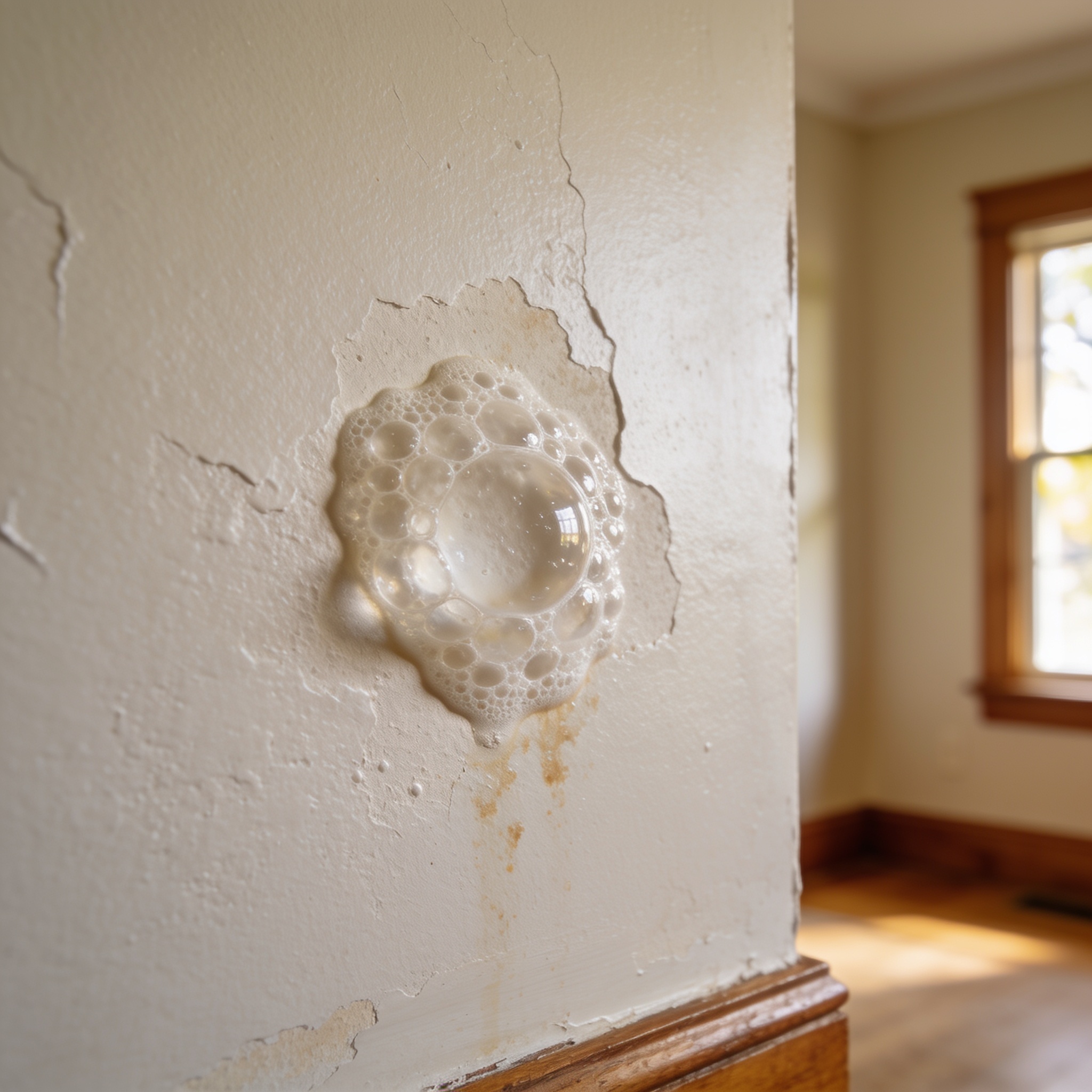
Bubbling wall paint is a definitive indicator of trapped moisture, and while it does not always confirm the presence of a fungal colony, it is a primary sign of water damage that requires immediate investigation in Florida’s climate. Because SWFL residents face constant high humidity, any paint bubble suggests that moisture has compromised the adhesion of your paint job, creating a potential breeding ground for mold. This early warning sign should never be ignored, as it often points to deeper issues within the structure that can cause problems if left unaddressed.
Key Takeaways
- Bubbling paint is almost always caused by moisture trapped behind the wall surface.
- High humidity in SWFL can accelerate the rate at which moisture lead to mold growth.
- Professional verification is necessary to distinguish between simple paint failure and structural water damage.
- Ignoring these common signs can lead to significant drywall degradation and expensive repairs.
- Early detection and moisture control are the most effective ways to protect your home.
Does Sign of Water Damage Always Mean There’s Mold?
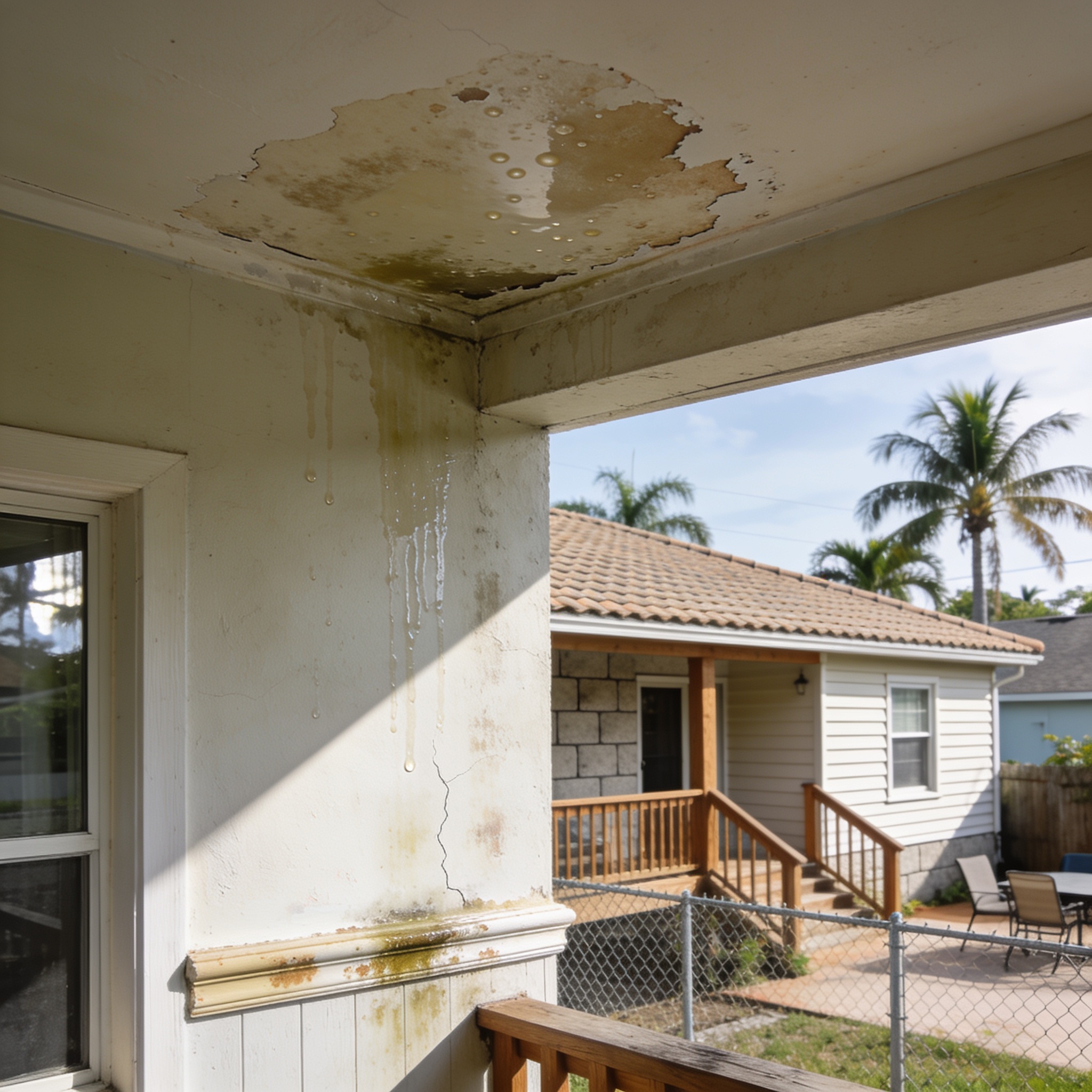
Bubbling paint usually indicates that moisture has breached the wall surface and compromised the bond between the paint and the substrate. While the bubble itself is a physical reaction to moisture, it does not guarantee that mold is currently present. However, the EPA notes that mold requires only 24 to 48 hours of moisture to begin colonizing. Because mold can cause health issues, any intrusion is a serious concern. In coastal areas, the combination of salt air and condensation makes this a frequent issue. If you see paint bubbling, remember that bubbling paint indicates that moisture has compromised the integrity of your interior paint.
What Are the Common Signs and Main Causes of Paint Bubbles?
The most frequent cause of paint bubbles is moisture intrusion, which forces the paint away from the wall as it attempts to evaporate. The main causes typically include roof leaks, plumbing failures, or exterior wall seepage. Improper surface preparation during a previous paint job, such as applying latex paint over oil-based paint without proper priming, also causes bubbling. If you notice this in a bathroom, poor airflow is often the culprit, as moisture gets trapped beneath the surface. This buildup of pressure is why bubbles form; the paint is bubbling because it is no longer attached to the rest of the wall.
How to Tell If Mold Is Behind the Paint
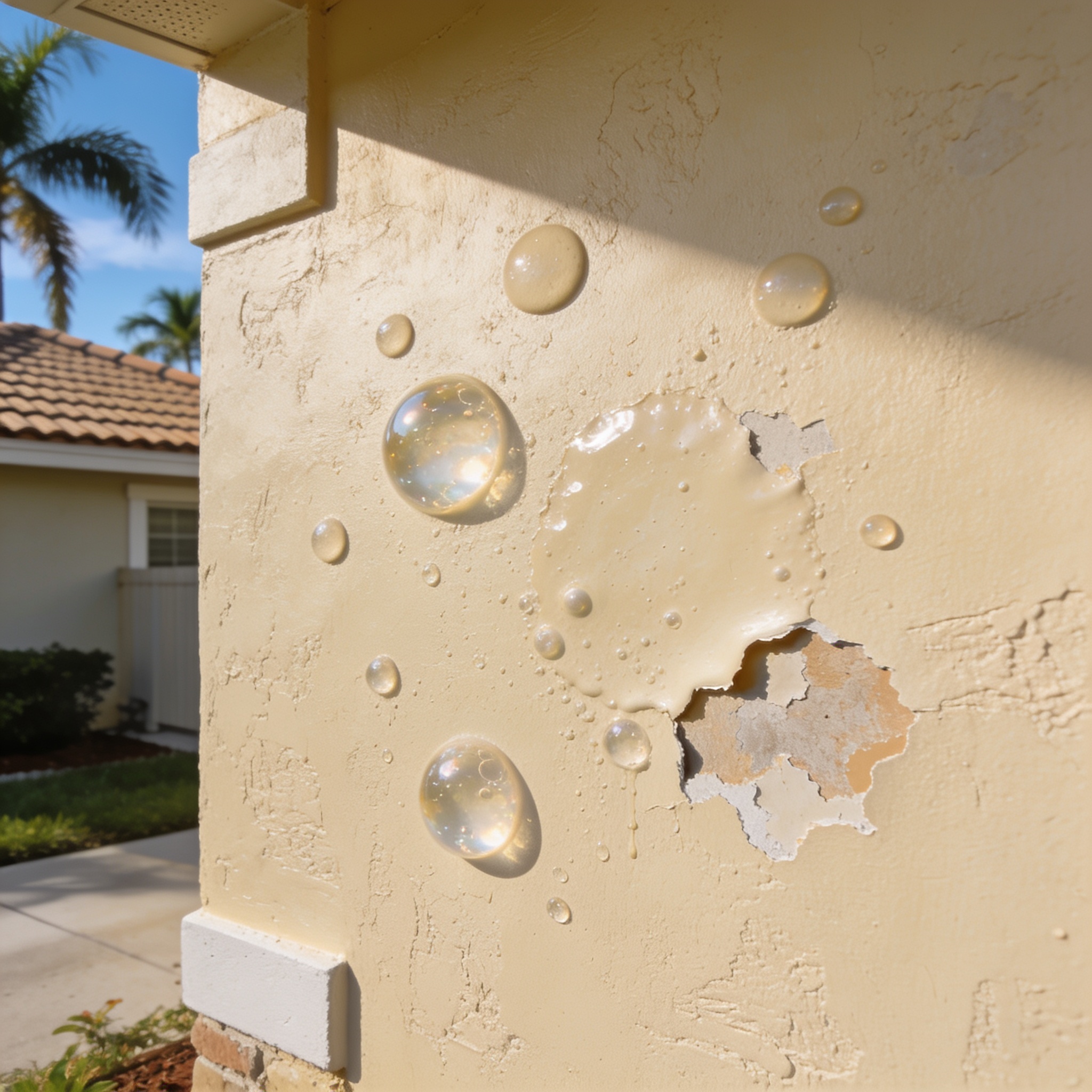
You can often identify mold behind paint by looking for dark discoloration, feeling for soft spots in the drywall, or detecting a persistent musty odor. If you press on a bubble and it feels spongy or damp, you likely have a significant moisture issue. Using a moisture detector is the best method for verification. If you suspect a major infestation, consider consulting Mold Remediation and Removal Companies to assess the extent of the damage. Remember, mildew can also develop in these damp pockets, and the moisture often signals moisture intrusion that could weaken the drywall over time.
What Does Toxic Mold Look Like on Paint on Walls?
Toxic mold often appears as fuzzy, powdery, or slimy patches that can range in color from black and dark green to white or orange. It frequently manifests as irregular circular spots that grow outward from the source of the moisture. If you peel back a section of the blistering paint, you may see visible mold colonies clinging to the paper backing of the drywall or the plaster beneath. Always use caution, as disturbing these areas can release spores into your home. This is not merely a cosmetic issue; it is a structural one.
What Are the Signs of Dampness and Water Damage?
The 5 signs of water damage behind your walls include peeling paint, staining, soft drywall, musty odors, and efflorescence.
- Peeling Paint: Large sections of paint flaking off indicate that the adhesion has been completely destroyed due to water.
- Water Staining: Yellow, brown, or gray rings on the wall surface are classic indicators of a slow, ongoing leak.
- Soft Drywall: If the wall feels soft or crumbles when touched, the core of the material has been compromised by saturation.
- Musty Odor: A persistent, earthy smell in a specific room is a strong indicator of hidden fungal activity.
- Efflorescence: White, powdery salt deposits on masonry or drywall signify that water has moved through the material and evaporated.
What Are the Health Risks Associated With Bubbling or Blistering?
Exposure to mold can trigger allergic reactions, respiratory irritation, and asthma attacks in sensitive individuals, according to the CDC. While mold is not always “toxic,” it is an allergen that thrives in the humid conditions found throughout Southwest Florida. If you have concerns about the air quality in your home, it is wise to investigate the source of the moisture immediately. You can estimate potential costs for professional help by checking a How Much Does Mold Remediation Cost.
How Do You Remediate and Fix Blister Issues?
Fixing paint blistering requires identifying the root cause of the moisture and ensuring the wall has completely dried before attempting to repaint. Simply scraping the crack or bubble and applying new paint will result in the same failure if the underlying moisture issue remains. To achieve lasting results, you must repair the leak, improve ventilation, or use a dehumidifier to lower indoor humidity levels. Once the area is dry, wipe the surface-level dust away with a damp cloth, sand the surface, apply a high-quality primer, and use mold-resistant paint to restore your home.
When Should You Call a Professional for Blistering Paint?
You should contact a professional if the bubbling covers a large area, if you smell a strong odor, or if you suspect the damage is linked to a major event like a hurricane. Experts in Water Damage Restoration can use thermal imaging cameras to locate hidden leaks that are invisible to the naked eye. If you are located in a high-risk area, specialized services like Water Damage Restoration can help mitigate further structural decay. Professional remediation ensures that the mold is properly contained and removed rather than just covered up.
Frequently asked questions
Here are the answers to common questions regarding paint issues and moisture in SWFL homes.
Can I just paint over the bubbles?
No, painting over bubbles will not fix the underlying moisture, and the new paint will eventually blister and peel again.
Does humidity alone cause paint to bubble?
High humidity can cause paint to bubble if the surface was not properly primed, but it is usually a sign of an additional moisture intrusion point.
Is all mold black in color?
No, mold comes in many colors including white, green, and orange, and color is not a reliable indicator of its potential health risks.
How do I know if the leak is from my roof?
If the bubbling is near the ceiling or upper wall, it is often a sign of a roof leak, which should be inspected by a roofing professional immediately.
Our editorial team verifies licensing and reviews for every restoration company in the directory and writes practical, Florida-specific guides to help homeowners act fast and protect their insurance claims after water, fire, mold or storm damage.