What Water Damage Is Covered by Insurance? A Homeowner’s Essential Guide
Whether your insurance company will cover water damage depends entirely on whether the source of the water is classified as sudden and accidental rather than a result of long-term neglect or rising floodwaters. In Southwest Florida, where storm surges and high humidity are constant threats, understanding your policy is the single most important factor in protecting your finances. You can learn more about is water damage covered by homeowners insurance by reviewing your specific declarations page. When you experience water damage in your home, knowing exactly what is covered by your homeowners insurance can save you from significant financial stress. Remember that how your policy covers water damage depends on the specific cause of the loss.
Key Takeaways
- Most standard homeowners insurance policies cover water damage only if it is sudden and accidental, such as a burst pipe.
- Flood damage caused by rising water from outside the home is almost never covered by standard home insurance policies.
- Mold remediation is often limited or excluded entirely unless it is a direct result of a covered peril; however, some policies may cover mold if it is a direct result of a sudden event.
- Homeowners in Lee, Collier, and Charlotte counties should maintain separate flood insurance via the National Flood Insurance Program (NFIP).
- Documenting the source of a water leak immediately is critical to the success of your insurance claim.
- Understanding the specific type of water damage helps you determine if the incident is covered by standard homeowners insurance.
What Qualifies as Water Damage for Insurance Coverage?
Insurance companies generally define qualifying water damage as an event that is sudden and accidental rather than the result of wear and tear. When water damages your property, the adjuster looks at the origin to determine if the policy applies. In SWFL, this often involves distinguishing between a plumbing failure and damage from a tropical storm. If you need professional help, consider reaching out for Water Damage Restoration services to stabilize your property. It is essential to remember that homeowners insurance may cover water damage that occurs suddenly, but it may not cover damage resulting from long-term neglect. To protect your home, you must act quickly to remove the water and keep the damage from getting worse.
What Are the Three Categories of Water Damage?
The Institute of Inspection, Cleaning and Restoration Certification (IICRC) classifies the type of water based on the level of contamination present at the site. Understanding the type of water helps determine the remediation scope and the likelihood of coverage.
- Category 1 (Clean Water): Water originating from a sanitary source like a supply line or a broken water heater.
- Category 2 (Grey Water): Water containing significant contamination, such as discharge from a dishwasher, washing machine, or toilet overflow with urine.
- Category 3 (Black Water): Highly unsanitary water containing pathogenic agents, such as sewage backups or floodwaters from rivers and storm surges.
What Is the Difference Between Water Damage and Flood Damage?
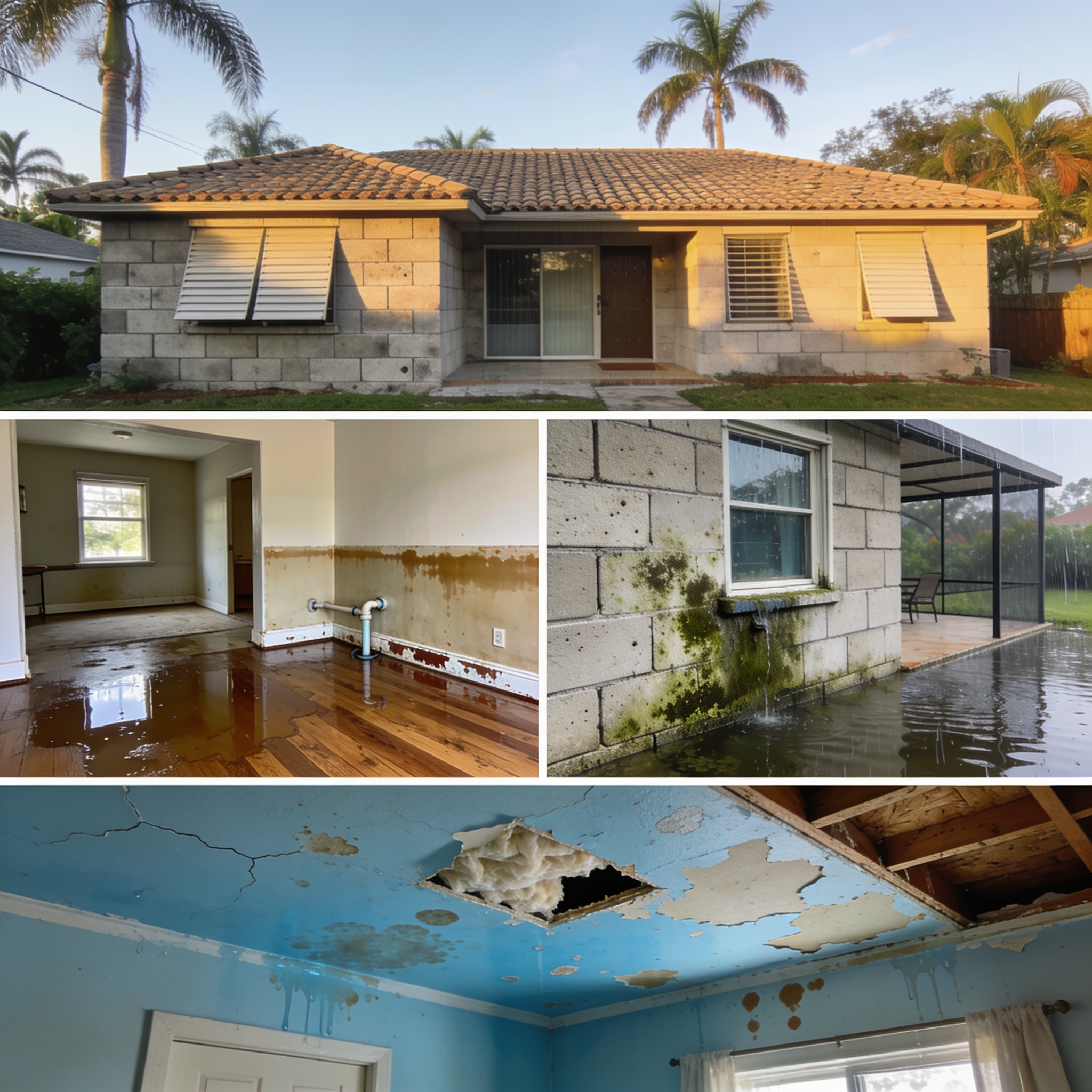
Water damage and flood damage are treated as distinct perils by insurance providers, with flood damage requiring a separate policy. Standard homeowners insurance covers water that comes from inside the home, such as a pipe leak. Conversely, flood damage is defined by the FEMA-backed National Flood Insurance Program as water that rises from the ground or a body of water to enter your home. In low-lying areas of Florida, relying on standard coverage for storm surge damage will lead to a denied claim. Many homeowners policies include provisions for accidental water damage, but you must verify if your specific water damage to your home is covered by standard homeowners insurance. Note that your policy doesn’t cover damage caused by rising water, and home policies don’t cover flood events unless you have a separate policy.
Does Home Insurance Cover Water Damage from Burst Pipes, Appliance Leaks, or Rain?
Standard homeowners insurance policies typically cover water damage from burst pipes or appliance leaks if the event is sudden and accidental. If a supply line to your refrigerator fails, the resulting water damages are usually covered. However, damage from rain is only covered if the roof or walls are first damaged by a covered peril, such as a windstorm. If you are experiencing issues, you may need Water Damage Restoration to prevent further structural decay. When inspecting water lines, be aware that sudden failures are often covered by home insurance, whereas maintenance-related water damages are typically excluded. Your policy may cover sudden and accidental water damage, but it will not cover gradual damage that occurs over time.
What Types of Water Damage Are Typically Not Covered by Homeowners Insurance?
Insurance policies almost universally exclude water damage caused by long-term neglect, lack of maintenance, or rising floodwaters. Below are the five common scenarios where coverage is typically denied:
- Gradual Seepage: Damage from a slow, undetected leak that has occurred over weeks or months.
- Flood Damage: Water entering from the ground up due to storm surges or overflowing bodies of water.
- Sewer Backup: Unless you have a specific endorsement, sewage backup from outside the home is often excluded.
- Maintenance Issues: Water damage resulting from a failure to repair known issues, like a rusted pipe or worn-out roof.
- Mold Growth: Damage caused by mold that develops over time due to high humidity or unresolved moisture.
Always remember that your policy may not cover damage if you fail to mitigate the issue promptly, as insurance may cover water damage only when reasonable steps are taken to protect the property. If water comes from an external source, it is often excluded, and you may need an endorsement to cover sewer and water backup.
Does Homeowners Insurance Cover Water Damage and Mold?
Homeowners insurance coverage for mold is often strictly limited or excluded unless it is a direct result of a sudden, covered water leak. If the mold growth is deemed to be the result of a long-term moisture issue or high humidity, the insurance company will likely deny the claim. Many policies in Florida now include specific sub-limits for mold remediation costs. Because water damage and mold often go hand-in-hand, verify your policy language regarding mold limits before filing a claim. If the damage is considered a result of a covered peril, the insurer may cover mold remediation, but they will not cover mold if it is the result of long-term neglect.
Will Insurance Pay Out for Water Damage, and How Much Can You Expect?
The payout for a water damage insurance claim depends on your policy limits, deductibles, and the specific cause of loss. Most policies cover the cost of repairs to the structure and damaged personal property, minus your deductible. In Southwest Florida, homeowners often face a separate, higher deductible for hurricane-related water damages. The following table provides a general breakdown of cost factors:
| Factor | Impact on Payout |
|---|---|
| Deductible | Subtracted from the total claim settlement. |
| Policy Limits | The maximum amount the insurer will pay for repairs. |
| Cause of Loss | Determines if the peril is covered under your specific policy. |
| Mitigation | Insurance may deny costs if you failed to prevent more damage to your home. |
| Renters Insurance | Renters insurance policies cover personal property but not the structure of your home. |
When you file a claim for water damage, an adjuster will arrive to assess the damage to determine if the event is covered by home insurance. They will verify if the water damage from a covered peril occurred inside your home.
What Should You Do If You Experience Water Damage and Need to File a Claim?
You must take immediate steps to stop the source of the water and prevent the damage from getting worse to protect your claim eligibility. Start by turning off the main water valve and contacting a professional restoration company. Document every area of damage with photos and videos before any cleanup begins. Contact your insurance agent immediately to file a water damage claim and keep a detailed log of all communications. When you submit your claim, the insurer will send an adjuster to assess the damage and decide if they will cover the damage. They will specifically look to see if the water damage occurs due to a covered event and if you took steps to keep the damage from getting worse.
How Can You Maximize Your Water Damage Coverage and Prevent Future Damage?
Maximizing your coverage requires maintaining your home and keeping detailed records of all plumbing and roof inspections. To prevent water damage, regularly check your water heater for signs of corrosion and ensure your sump pump is functional. Consider adding a water backup endorsement to your policy, as this is a common gap in standard coverage. If you live in a flood-prone area, obtaining a policy through the NFIP is the only way to ensure you are protected against rising water. Ultimately, homeowners policies are designed to protect you, but you must ensure your water damage are covered by reviewing your specific coverage terms.
For those living in coastal areas, professional help is often necessary to handle the aftermath of a leak. You can research Water Damage Restoration to find local experts who understand the specific climate challenges of the region. Always ask for an estimate on Water Damage Restoration Cost in Fort Myers if you are concerned about out-of-pocket expenses. By staying proactive, you can ensure your home remains protected against the unpredictable nature of water damages.
Frequently asked questions
These answers address the most common concerns regarding how home insurance policies treat water-related incidents.
Does my insurance cover water damage from a broken pipe?
Yes, if the pipe burst is sudden and accidental, your homeowners insurance will typically cover the resulting water damage.
Is water damage from a hurricane covered?
Damage from wind-driven rain is often covered, but damage from storm surge or rising floodwater requires separate flood insurance. Standard policies do not cover water damage from rain unless the structure is first breached by a covered peril.
What if the water damage is caused by a neighbor?
If the damage originated from a neighbor’s property, their liability insurance may cover the costs, but you should still notify your own insurer.
Do I need to hire a public adjuster for my water damage claim?
While not required, a public adjuster can help navigate complex claims, though they will typically take a percentage of the final settlement.
How long do I have to file a water damage claim?
You should file a claim as soon as possible, as most policies require prompt notification to prevent further damage to the structure. When you do, the insurer will work to cover the water damage if it meets the criteria of your policy, specifically checking for water damage if the cause is sudden and accidental.
Our editorial team verifies licensing and reviews for every restoration company in the directory and writes practical, Florida-specific guides to help homeowners act fast and protect their insurance claims after water, fire, mold or storm damage.