Water Damage Insurance Claim Tips Reddit Users Wish They Knew
The most critical factor in successfully navigating a water damage insurance claim is documenting the incident immediately, as failing to do so can result in a claim denial or a payout reduction of 30% or more. Many homeowners often turn to water damage insurance claim tips Reddit users share to understand the complexities of the claim process in high-risk areas like Southwest Florida. By following these professional guidelines, you can better protect your financial interests after a water disaster. Make sure you’re documenting every detail, as insurance companies often look for any reason to deny a payout.
Key Takeaways
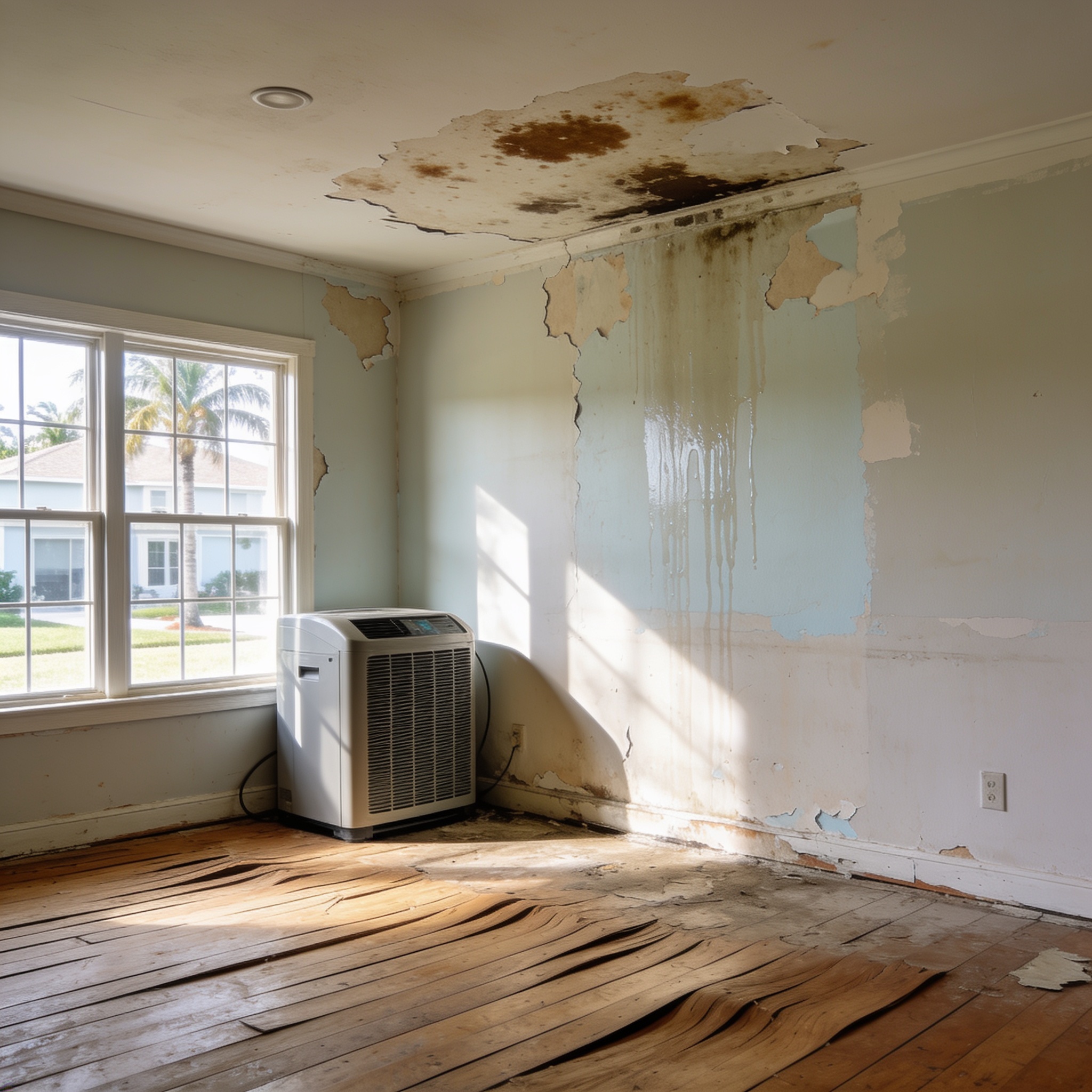
- Document all damaged property with high-resolution photos and videos before starting any cleanup.
- Prevent further damage by performing necessary emergency mitigation, such as turning off the main water supply.
- Review your specific policy to understand the difference between sudden pipe bursts and gradual seepage; your policy doesn’t always cover every type of exclusion.
- Keep a detailed log of every conversation you have with your insurance company.
- Consider hiring a licensed restoration professional to provide an accurate scope of work for the adjuster.
What Types of Water Damage Are Covered by Homeowners Insurance (and What Isn’t)?
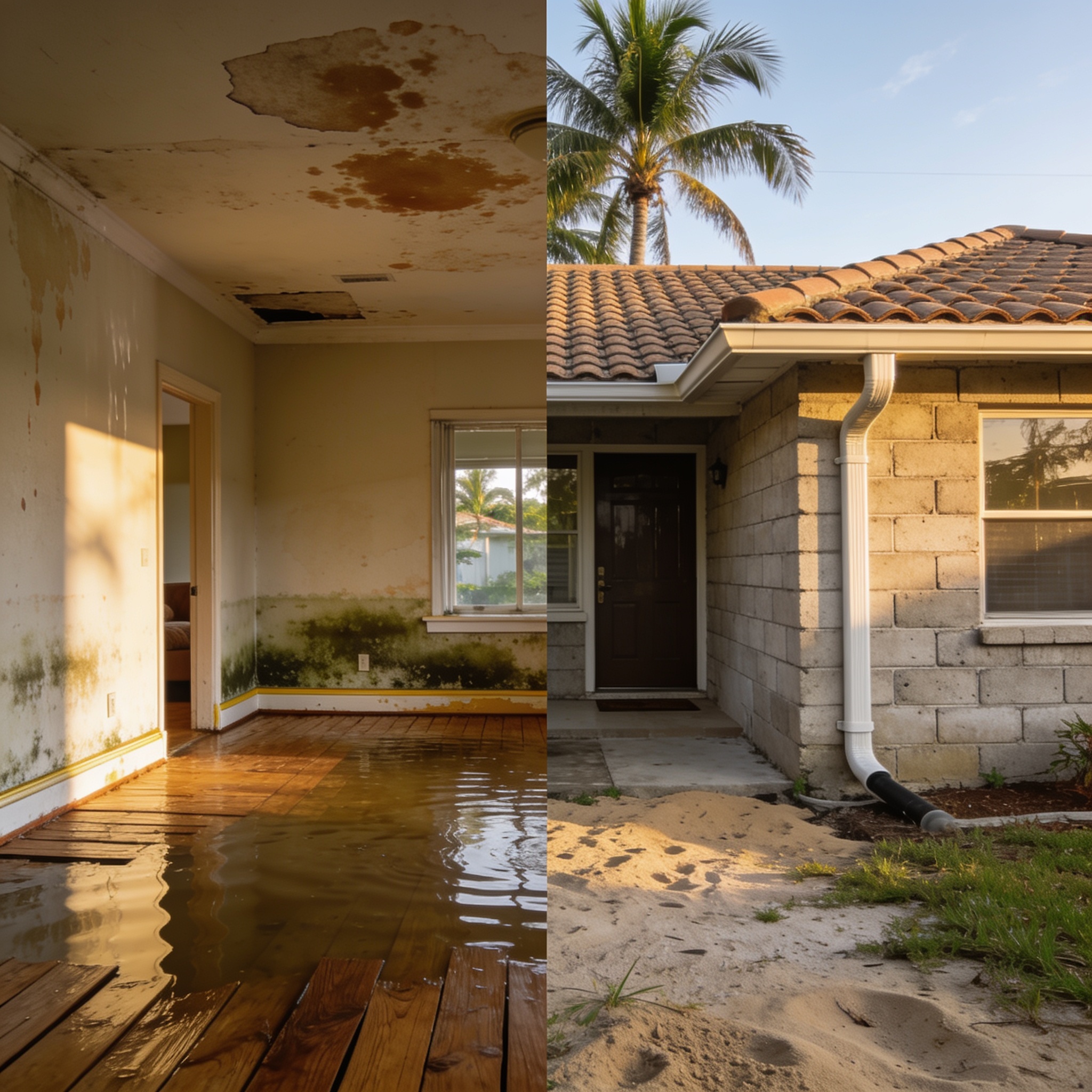
Coverage for water damage depends heavily on whether the source is considered sudden and accidental or the result of long-term neglect. According to the Insurance Information Institute, standard homeowners insurance policies typically cover damage resulting from burst pipes or sudden appliance failures. However, damage caused by gradual leaks, such as a slow drip behind your drywall that has been present for months, is often excluded from coverage. You must verify that your specific water damage is covered by insurance before assuming the costs will be handled, as some issues may not be covered by standard policies.
In Southwest Florida, residents must distinguish between water damage and flood damage. The National Flood Insurance Program (NFIP) specifies that rising water from natural disasters like hurricanes is not covered by standard home insurance policies. You must have a separate flood insurance policy to protect your home from storm surge or heavy rain accumulation. If you are unsure about your specific coverage, you can research is water damage covered by homeowners insurance to clarify your policy terms and how they provide coverage for your specific situation.
When Should You Contact Your Insurance Company After Water Damage?
You should contact your insurance company as soon as you have secured the property and ensured your safety. Your first call should be to your insurer to report the incident, as many companies have strict timelines for filing a notice of loss. Delaying this step can complicate the investigation and potentially lead to disputes regarding the timeline of when the damage occurred. When you have finally filed a claim, you are officially beginning the process of dealing with insurance adjusters.
Contacting your insurer immediately allows them to assign an insurance adjuster to your case before secondary issues like mold growth begin to spread. In Lee or Collier County, where humidity levels are consistently high, standing water can lead to rapid microbial growth within 24 to 48 hours. Providing early notice helps you establish a clear record for your water damage claim and allows the company to send an adjuster to inspect the actual damage on-site.
How to Document Water Damage Thoroughly for Your Insurance Claim
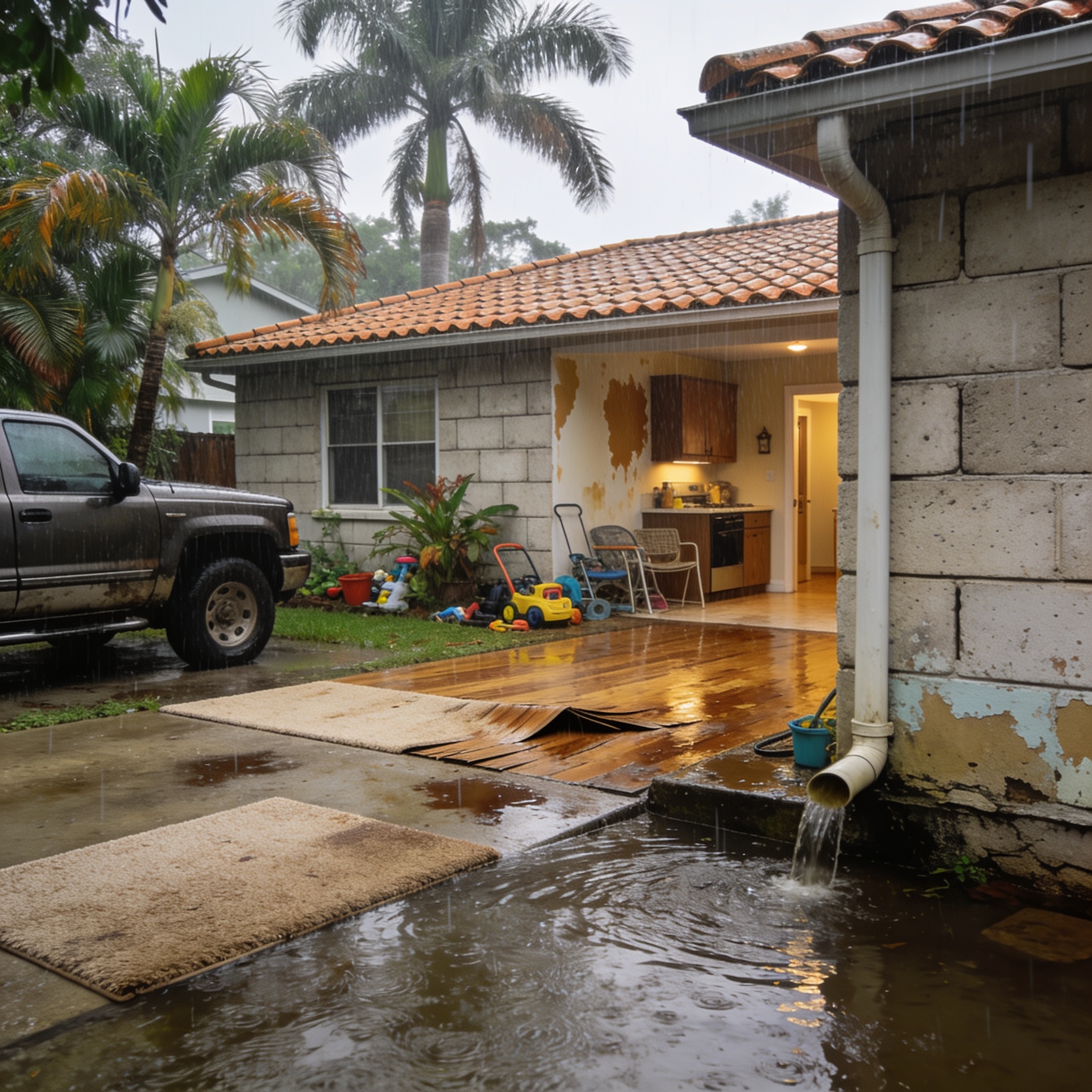
Thorough documentation requires capturing both the source of the leak and the extent of the resulting damage to your structure and personal property. You should take photos and videos of the entire affected area, including the floor, walls, and any damaged furniture or electronics. Do not throw away any damaged items until the adjuster has had the opportunity to inspect them. If you recently bought the house, ensure you have your closing documents handy to prove the age of your systems.
Creating a comprehensive inventory of damaged items is the most effective way to ensure you receive a fair settlement for your losses. You should create a list of every item affected, as the size of the claim often depends on the level of detail you provide. If you need professional assistance documenting the extent of the damage, consider contacting a Water Damage Restoration to assist with the technical assessment. Make sure you keep every receipt for emergency repairs or temporary housing, as these are often reimbursable expenses under your policy.
What Is the Step-by-Step Process for Filing a Water Damage Insurance Claim?
7 Expert Steps to a Successful Claim
- Mitigate the damage: Take proactive steps and immediate steps to stop the water source—such as a burst pipe—and protect your property from further harm.
- Document everything: Record the scene with photos and videos, ensuring you capture the specific point of origin, such as where the water came from.
- Notify your insurer: Call your insurance company to report the incident and obtain a claim number, which you must use for all future correspondence.
- Prevent mold growth: Hire a professional mitigation company to get the water out, dehumidify the space, and prevent the need for expensive mold remediation later.
- Meet the adjuster: Walk through the property with the insurance adjuster to point out every area that got wet, including hidden moisture behind cabinets.
- Review the estimate: Compare the adjuster’s scope of work—often generated using software like Xactimate—against your own documentation to ensure nothing was missed, such as damaged laminate flooring.
- Finalize the settlement: Negotiate the payout based on your policy’s replacement cost or actual cash value provisions to ensure fair compensation.
What Not to Say to an Insurance Adjuster About Water Damage
Avoid speculating about the cause of the water damage if you are not 100% certain, as this can lead to an incorrect denial. Statements like “I think this has been leaking for a while” can be interpreted by an insurer as gradual damage, which is typically excluded from coverage. Stick strictly to the facts of what you observed when you first discovered the water. Confirming that the damage is covered by insurance requires precise language regarding the sudden nature of the event.
Never admit fault or minimize the extent of the damage during your initial conversation with the insurance adjuster. Simply explain the situation clearly and provide the documentation you have gathered. If you need help articulating the technical aspects of the damage, look into Water Damage Restoration, to get an expert opinion on the scope of work and help you understand how to fix the problem correctly.
How to Maximize Your Water Damage Insurance Claim Payout
Maximizing your payout involves presenting a detailed, evidence-based case that proves the full extent of your financial loss. You should obtain independent estimates from reputable contractors to compare against the insurer’s offer. If the adjuster’s estimate is significantly lower, provide them with your own documentation to justify a higher settlement. Ensure that your remediation company provides a detailed invoice so the insurer can reimburse you for the necessary repair work.
Providing a detailed scope of work from a licensed professional is the best way to ensure your payout covers the full cost of repairs. Remember that you are entitled to be made whole according to the terms of your policy. Do not feel pressured to accept the first offer, especially if it does not cover the necessary remediation work. A professional can write an estimate that reflects the true market cost of the labor and materials required to repair your home.
Is Filing a Water Damage Insurance Claim Worth It?
Filing a claim is generally worth it if the cost of repairs significantly exceeds your deductible and the potential increase in your future premiums. You should calculate the total estimated damage before deciding to involve your insurance company. If the damage is minor, such as a small patch of drywall, the cost of the deductible might outweigh the benefits of the claim. Always check if the specific water damage event is significant enough to warrant a formal claim.
Carefully weigh the cost of the repairs against your policy deductible to determine if filing a claim is the right financial move for your situation. Consult with a professional regarding Water Damage Restoration Cost in Fort Myers to get a realistic idea of what your repairs might cost. If you decide to move forward, ensure the claim is properly documented from the start.
Should You Hire a Restoration Company for Water Damage — and How Do You Choose the Right One?
Hiring a restoration company is essential for ensuring that water is properly extracted and the structure is dried to prevent long-term issues. You should look for companies that are IICRC-certified, as this indicates they follow industry standards for water mitigation. Check their reputation in the local community by reading reviews and verifying their licensing with the State of Florida. A professional remediation company will handle the water and mold concerns simultaneously to protect your health.
Selecting a reputable restoration company early in the process helps protect your property and provides you with a professional ally during the claims process. Ask for references and ensure they have experience dealing with the specific challenges of the SWFL climate. A good company will work with you to document the damage so you can focus on the next steps of your recovery, ensuring the work gets done to code.
What Should You Do If Your Water Damage Claim Offer Is Too Low — Including When to Get Legal Advice?
If your claim offer is too low, you have the right to request a re-inspection or provide additional evidence to support your position. Start by sending a formal letter to your insurance company outlining exactly why the offer is insufficient. If they remain unresponsive, you may want to consult with a public adjuster who can negotiate on your behalf and help you pursue compensation. You can also visit our comments section to see how other homeowners handled similar disputes.
Seeking legal advice becomes necessary if your insurance company acts in bad faith or refuses to honor the terms of your policy after you have provided all required documentation. While legal action may be a last resort, it is an important option for homeowners who are not being handled fairly. Always keep copies of all correspondence and receipts to build a strong case if you eventually need to escalate the issue.
Frequently asked questions
These common questions address the most frequent concerns regarding water damage claims in Florida.
Does homeowners insurance cover water damage from a roof leak?
Yes, if the roof leak was caused by a sudden event like a storm or falling tree limb, it is typically covered. However, if the leak is due to lack of maintenance or old age, the insurer may deny the claim.
How long do I have to file a water damage claim?
You should file as soon as possible, but Florida law generally allows you to file within a specific timeframe dictated by your policy. Check your policy documents for the exact deadline, but do not wait, as delays can hurt your case.
What is a public adjuster?
A public adjuster is an independent professional you can hire to represent your interests during the claims process. They are experts in policy interpretation and can help you get a higher payout for your damages.
Will my insurance premiums increase if I file a claim?
It is possible for premiums to increase after filing a claim, especially if the payout is significant. You should discuss this possibility with your insurance agent before deciding whether to file for smaller amounts.
Can I start repairs before the adjuster arrives?
You should only perform emergency repairs to stop further damage, such as turning off the water or covering a hole in the roof. Do not perform permanent repairs or dispose of damaged materials until the adjuster has inspected them.
Top Posts and Resources
| Action Item | Priority | Why it matters |
|---|---|---|
| Stop water source | Immediate | Prevents additional property damage |
| Document damage | Immediate | Provides proof for the home insurance claim |
| Call insurer | Within 24 hours | Starts the insurance coverage process |
| Call professional | Within 24 hours | Ensures proper drying/remediation |
Following these steps ensures that you are prepared to handle the complexities of a water damage claim effectively. Always prioritize your safety and document every interaction you have with your insurer. If you find yourself needing further assistance, searching for Water Damage Restoration can connect you with local experts who understand the specific needs of Florida homeowners.
Our editorial team verifies licensing and reviews for every restoration company in the directory and writes practical, Florida-specific guides to help homeowners act fast and protect their insurance claims after water, fire, mold or storm damage.