Is Water Heater Damage Covered by Homeowners Insurance? A Complete Breakdown
Whether your homeowners insurance covers water heater damage depends primarily on whether the failure was sudden and accidental or the result of long-term neglect, with repairs often costing between $500 and $3,000. Understanding if your specific policy covers water damage requires reviewing your declarations page for exclusions related to maintenance and aging equipment. Home insurance policies are designed to protect against unforeseen events, but they are not maintenance contracts. A standard homeowners insurance policy is designed to protect your assets, though it is important to understand that insurance will not cover the appliance if the failure is due to simple aging.
Key Takeaways
- Standard homeowners insurance policies typically cover sudden, accidental water heater failures.
- Insurance companies generally deny claims resulting from lack of routine maintenance or normal wear and tear.
- Damage caused by a leaking water heater to the surrounding structure is usually covered, but the appliance itself may not be.
- Southwest Florida homeowners in flood zones must distinguish between plumbing failures and external flood events.
- Documenting the incident and contacting your insurance agent immediately are critical steps in the claims process.
- Homeowners policies often require proof of sudden failure to trigger coverage.
- Insurance policies often cover the structural damage resulting from a burst pipe or tank.
Does Homeowners Insurance Cover Water Heater Damage or Replacement?
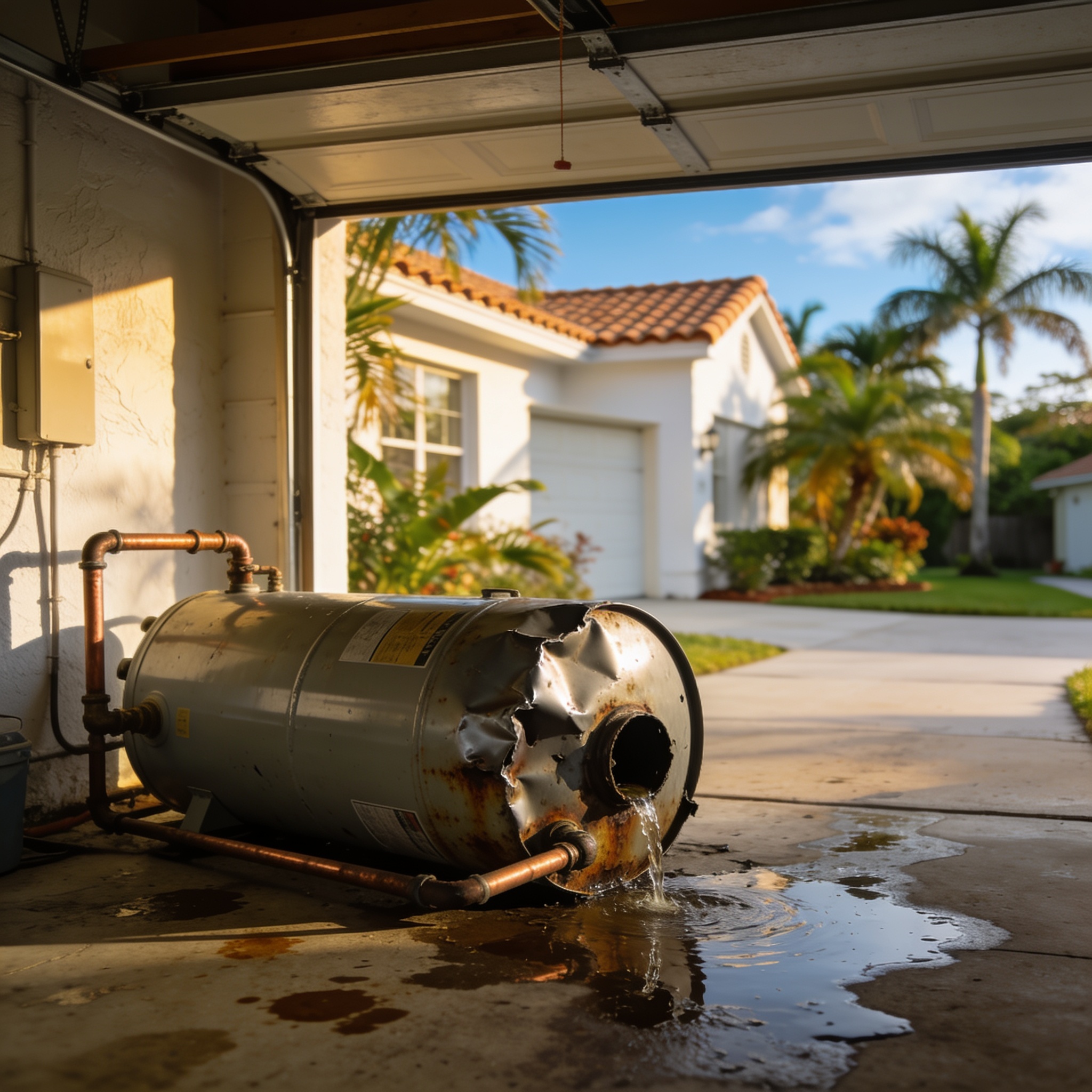
Most standard homeowners insurance policies provide coverage for the resulting damage caused by a water heater failure, though the cost of the unit itself is often excluded. While the insurance policy may cover the water damage to your floors and drywall, it frequently views the water heater as a maintenance item. If your unit is older, insurance companies may argue that the failure constitutes normal wear and tear, which is not covered by standard homeowners insurance. In Southwest Florida, where high humidity and salt air can accelerate corrosion, proving that a failure was sudden rather than gradual is essential for a successful claim. Insurance generally expects homeowners to maintain their appliances to avoid these issues. Remember, your homeowners policy may provide limited protection, but it doesn’t cover the cost of a new unit if the old one simply reached the end of its life.
When Does Homeowners Insurance Cover Water Heater Damage?
Homeowners insurance covers water heater damage when the incident is classified as a sudden and accidental discharge of water. This includes scenarios where a tank bursts unexpectedly or a supply line snaps, causing immediate damage to the structure of your home. If you experience this, you should seek professional Water Damage Restoration to mitigate further issues. Insurance providers look for evidence of a discrete event rather than a slow, undetected leak that has been occurring for months. A standard homeowners policy is intended to address these specific, unexpected catastrophes. When you experience damage to your home caused by a burst tank, reach out to your insurance provider to discuss the next steps.
What Types of Water Damage Are Not Covered by Homeowners Insurance?
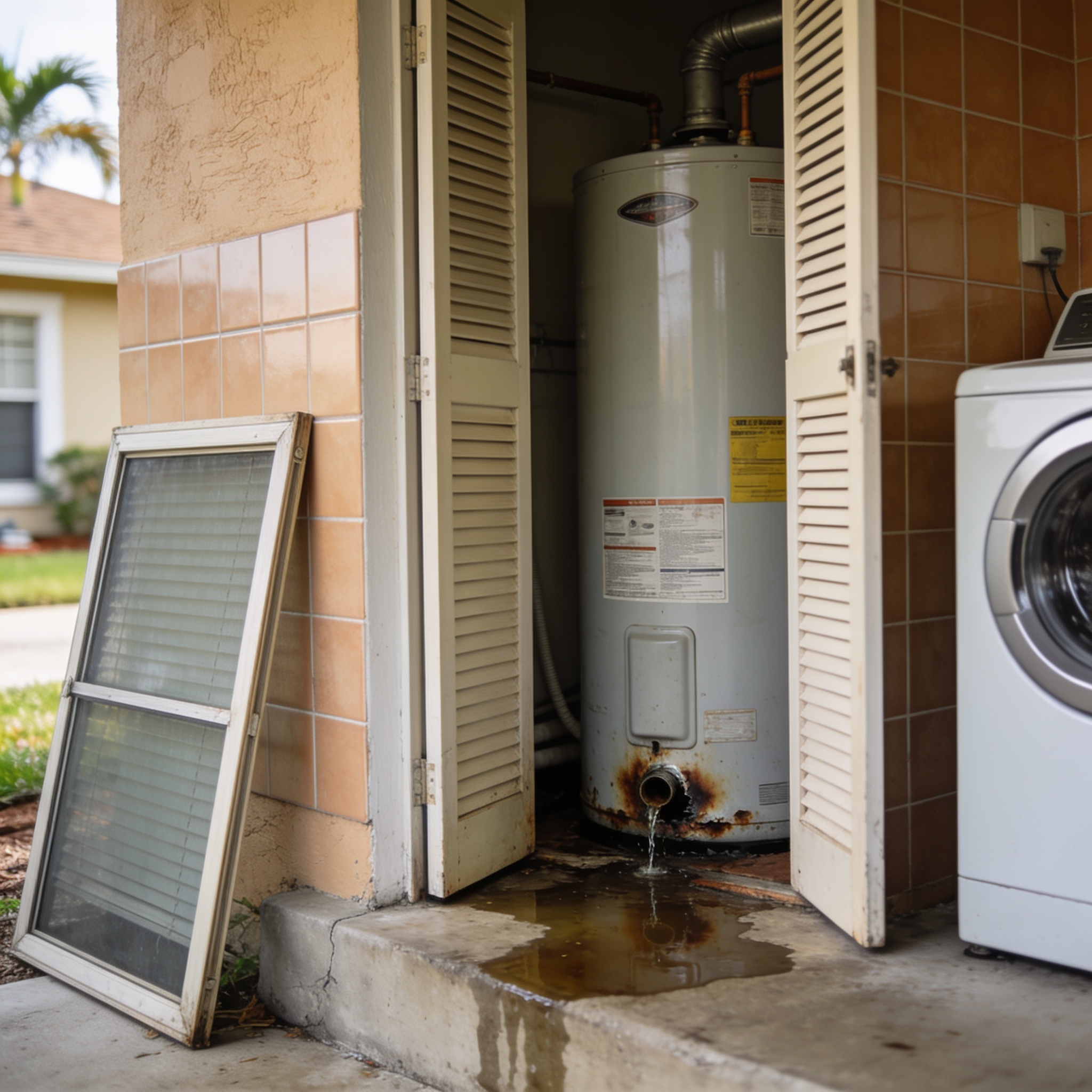
Insurance policies often exclude damage resulting from neglect, lack of maintenance, or long-term issues that a homeowner should have identified. If a plumber determines that your water heater failed due to years of sediment buildup or corrosion, the insurance provider will likely deny the claim. Additionally, damage caused by earth movement, sewer backups, or external flooding is typically excluded unless you have specific endorsements. Residents in Lee and Collier counties should note that standard policies do not cover damage caused by storm surge or rising groundwater. A water backup, for instance, is a specific type of water damage that often requires an additional rider. It is important to realize that hidden water damage caused by a slow, long-term drip often won’t cover the resulting rot or mold because it is considered a maintenance failure.
Does Homeowners Insurance Cover Water Damage from Leaks or Appliance Failure?
Homeowners insurance covers water damage caused by a malfunctioning water heater provided the leak was not caused by a failure to perform routine maintenance. When a pipe bursts or a tank fails, the resulting water damage to your flooring, cabinetry, and baseboards is usually a covered peril. However, the cost to replace the water heater itself is rarely included unless you have a specific equipment breakdown endorsement. For residents needing Water Damage Restoration it is vital to document the source of the leak immediately. Insurance coverage for water damage is contingent upon the source being internal and accidental. Standard home insurance policies are designed to cover the costs associated with the damage to your property, but they rarely cover the appliance itself.
What Is the Difference Between Water Damage and Flood Damage?
The distinction between these two types of water damage is critical for insurance purposes, as flood events require separate flood insurance. Water damage typically refers to internal plumbing failures or appliance leaks, while flood damage is defined by the National Flood Insurance Program (NFIP) as water rising from an external source. In the event of a hurricane in Southwest Florida, damage caused by rain entering through a roof is often treated differently than water entering from the ground. Always check your policy to see if your specific Water Damage Restoration event is covered by homeowners insurance. Insurance may cover internal leaks, but it may not cover external rising water. Furthermore, most policies do not cover water damage from rain unless it is the result of a covered windstorm event.
Why Would a Water Damage Claim Be Denied?
Insurance companies may deny a water damage claim if they determine the damage was caused by long-term wear and tear or improper installation. If a home inspector finds that the water heater was installed incorrectly or was past its expected lifespan, the insurer may argue that the homeowner failed to mitigate risks. Furthermore, if you wait too long to report the issue, the resulting mold growth might be excluded as a separate maintenance failure. Providing clear evidence of the sudden nature of the leak is the best way to ensure your claim is processed fairly. Insurance may cover water damage, but it will not cover the cost of the appliance itself if it failed due to age. If the inspector finds that the damage isn’t covered because of negligence, the insurance company will deny the claim.
How Do I File a Water Damage Claim for Water Heater Issues?
To file a water damage claim, you must document the scene thoroughly with photographs and contact your insurance agent immediately. Before starting any repairs, ensure you have turned off the water shutoff valve to prevent further damage to your home. Keep all receipts for emergency services, such as water extraction or drying, as these are often reimbursable. If you are unsure if your water damage insurance claim tips status applies, ask your adjuster to provide a written explanation for any denied items. When you file a claim, be prepared to show that the incident was a sudden water leak. Your insurance claim will be evaluated based on the documentation provided, so ensure you explicitly state how the hot water heater failed.
Will My Homeowners Insurance Go Up If I File a Water Damage Claim?
Filing a water damage claim can lead to an increase in your annual premiums or a reduction in future coverage eligibility. Insurance providers assess risk based on your claims history, and multiple water-related claims in a short period can flag your property as high-risk. Before filing, compare the cost of the repairs to your policy deductible; if the damage is only slightly above your deductible, it may be more cost-effective to pay out-of-pocket. Always consult with a professional regarding the potential water damage restoration cost fort myers costs before involving your carrier. It is also wise to understand the costs associated with the damage before deciding to involve your insurer.
What Steps Can I Take to Prevent Water Heater Damage?
Preventing water damage is the most effective way to protect your home and avoid denied claims. By performing regular maintenance, you can extend the life of your appliance and minimize the risk of a catastrophic failure. Here are the 5 essential steps to prevent water damage:
- Flush the tank annually: Draining the sediment buildup from the bottom of your water heater prevents corrosion and improves heating efficiency.
- Inspect the anode rod: Replacing the sacrificial anode rod every 3-5 years is the best way to prevent the tank from rusting from the inside out.
- Check the pressure relief valve: Ensure the T&P valve is functioning correctly to prevent excessive pressure buildup that can cause a tank to rupture.
- Install a leak detection system: Using smart water sensors near your water heater provides an early warning if a small leak begins, allowing you to shut off the water before it causes significant damage.
- Verify professional installation: Ensure your unit is installed by a licensed plumber to meet local building codes, which is a common requirement for insurance validity.
Frequently asked questions
Understanding the nuances of your policy is essential for navigating water heater issues in Florida.
Does home insurance cover water heater replacement?
Most standard policies cover the damage caused by a leaking water heater but do not cover the cost of the unit itself. You would typically need a separate home warranty or equipment breakdown endorsement to cover the cost of the appliance. Homeowners insurance may cover the water damage, but damage to your water heater itself is often excluded. If you want to cover your water heater against mechanical failure, you should look into a home warranty.
How long does a water heater typically last?
Most traditional tank-style water heaters have a service life of 8 to 12 years, depending on water quality and maintenance. In Southwest Florida, the high mineral content in the water can lead to faster sediment buildup, potentially shortening this lifespan. Knowing the types of water heaters available can help you choose a more durable replacement.
What should I do immediately after a water heater leak?
The first priority is to shut off the water supply to the heater and turn off the power or gas source to prevent further damage. Once the area is safe, contact a professional restoration company to begin the drying process and document the damage for your insurance company. Coverage for water damage often depends on how quickly you act to mitigate the loss. You must act fast to prevent water damage from spreading to other rooms in your home.
Does my policy cover mold resulting from a water heater leak?
Coverage for mold is often limited or excluded in standard homeowners insurance policies, even if the initial leak was covered. Promptly addressing the moisture is the only way to minimize the risk of mold growth and potential claim denials. Remember, insurance may cover water damage, but it may not cover the resulting mold if the leak was ignored. In many cases, water damage are covered only if the moisture is addressed within a reasonable timeframe.
Are tankless water heaters treated differently by insurers?
Insurance companies generally treat tankless water heaters the same as traditional units regarding sudden and accidental damage. Because they are complex electrical or gas systems, they are still subject to the same maintenance and wear-and-tear exclusions. Homeowners insurance may cover water heater damage regardless of the model, provided the failure meets policy criteria. If you are wondering if insurance cover water heaters of the tankless variety, the answer is yes, provided the failure is sudden.
Our editorial team verifies licensing and reviews for every restoration company in the directory and writes practical, Florida-specific guides to help homeowners act fast and protect their insurance claims after water, fire, mold or storm damage.