Is Water Damage to Ceiling Covered by Insurance? A Homeowner’s Guide
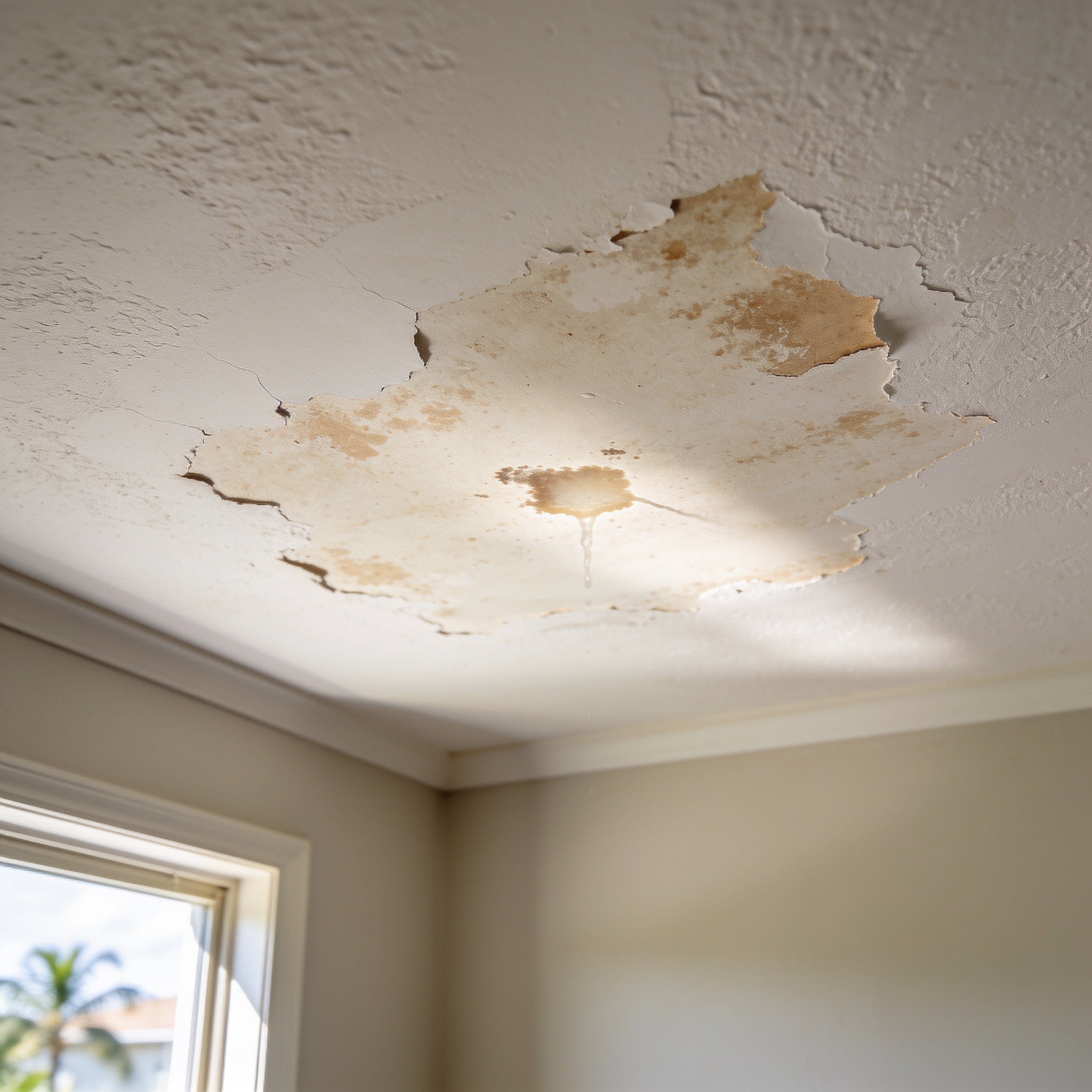
Whether water damage to your home and ceiling is covered by insurance depends primarily on whether the source is sudden and accidental, with repair costs often ranging from $500 to $3,000 depending on the severity. Standard homeowners insurance is generally triggered by unexpected events, whereas long-term neglect is typically excluded from your policy. Understanding how homeowners policies provide coverage for your property and every affected belonging is essential when disaster strikes to protect your house from financial loss.
Key Takeaways
- Sudden, accidental water damage is usually covered by standard policies.
- Damage caused by lack of maintenance or long-term seepage is rarely covered.
- Flood damage requires a separate policy through the National Flood Insurance Program.
- Documenting the damage immediately is essential for a successful insurance claim.
- Always consult your specific policy declarations page to confirm your deductible and coverage limits.
- Review your insurance information to understand exactly what your policies cover.
What Type of Water Damage Will Homeowners Insurance Cover?
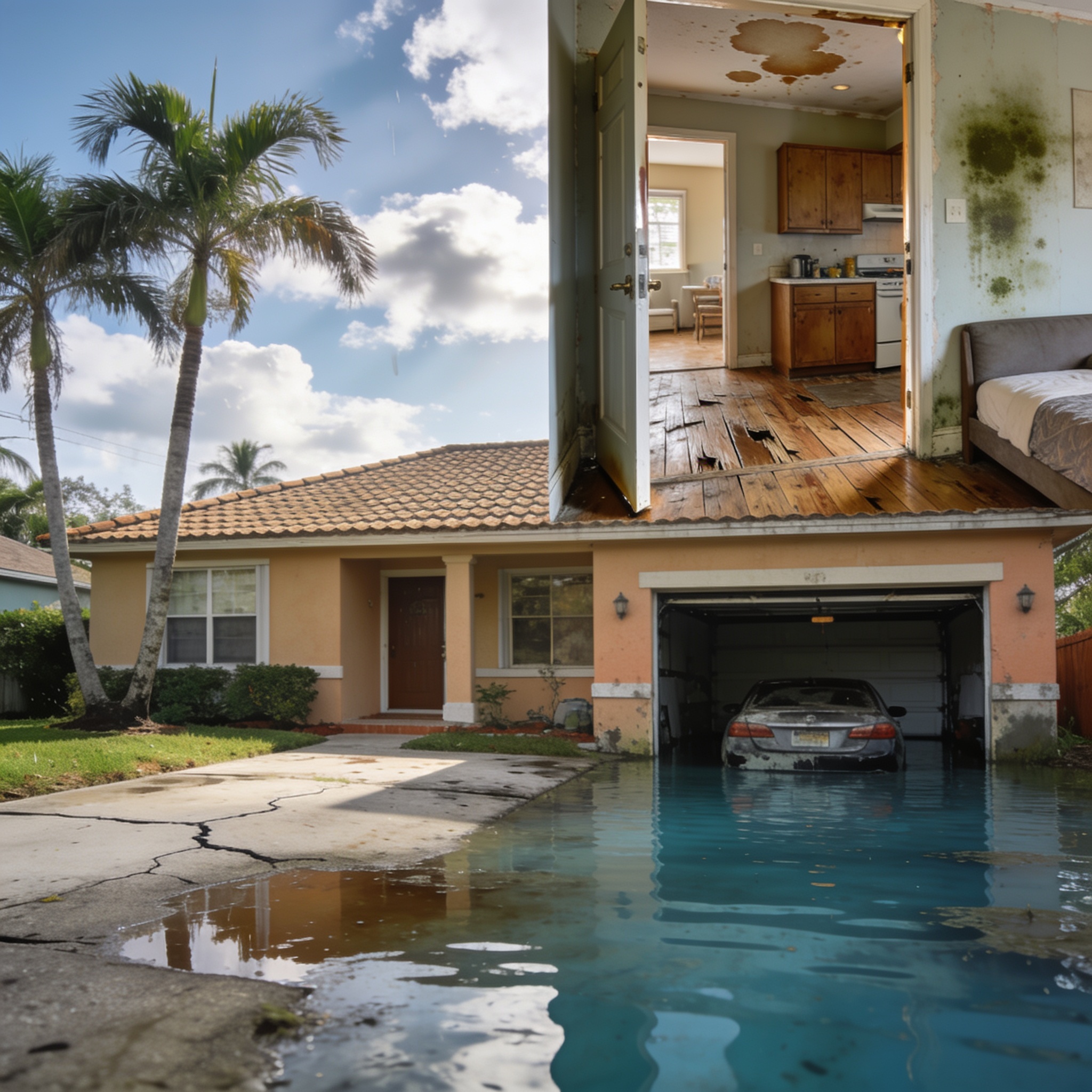
Insurance policies typically cover sudden and accidental water damage that results from events, such as burst pipes or a malfunctioning appliance. This includes incidents like a broken pipe or an overflowing washing machine that causes immediate ceiling damage. In SWFL, this type of water damage coverage is vital when plumbing systems fail inside your home, as these sudden events are generally covered by home insurance. Whether you are a homeowner or a renter, understanding these triggers is vital, as a sudden leak that damages your home can lead to costly repairs.
What Type of Water Is Typically Not Covered by Homeowners Insurance?
Homeowners insurance may deny a claim for water damage if the source is identified as gradual seepage, wear and tear, or lack of maintenance. For example, if your roof has been leaking for months due to age, the insurance company will likely classify this as avoidable damage rather than sudden and accidental water damage. Always ensure your roof is inspected regularly to prevent these coverage gaps, as a leaky roof or simple leaky pipe that goes ignored will not be covered. Note that your coverage may be limited if the insurer determines the damage was preventable.
Does Homeowners Insurance Cover Ceiling Damage From Rain or Other Sources?
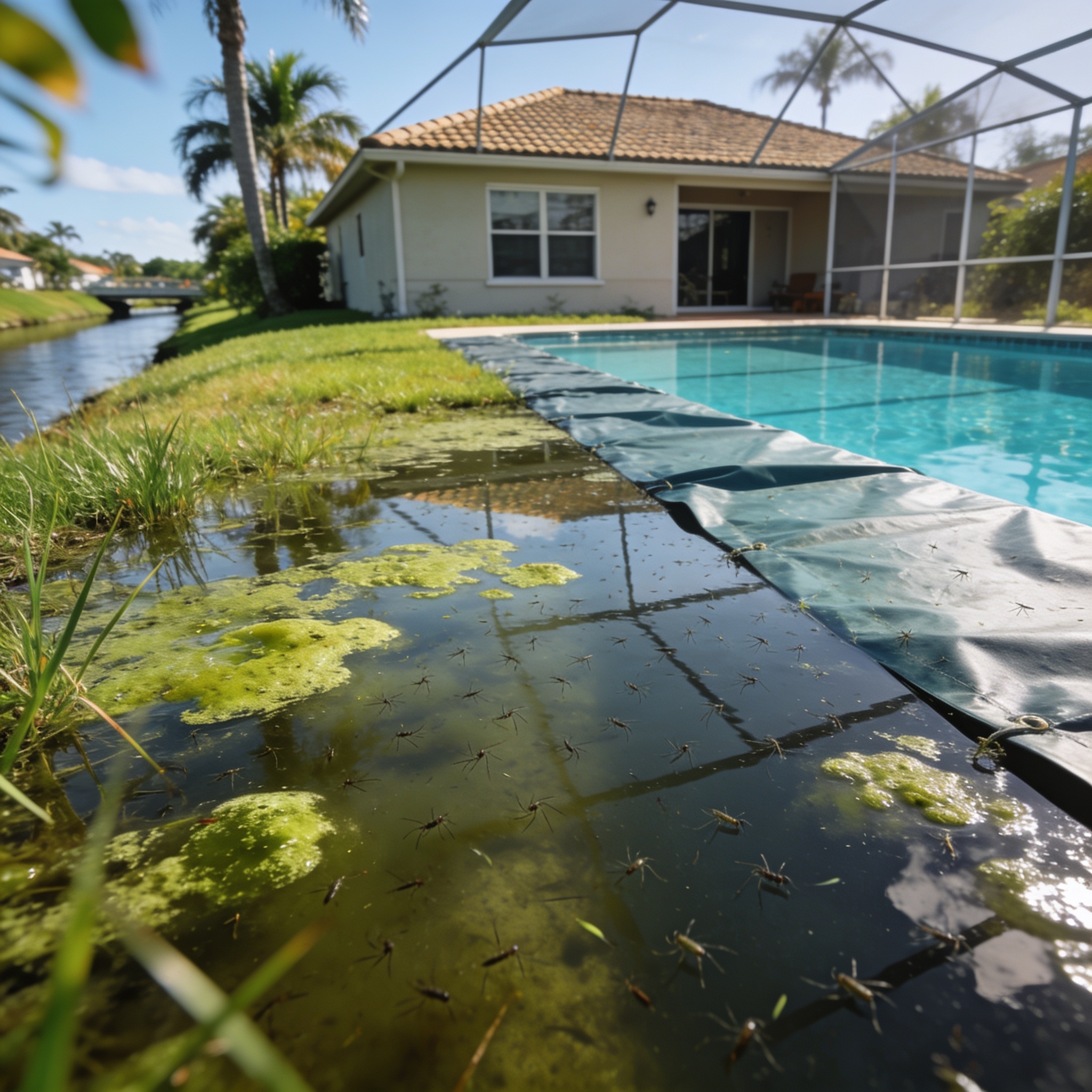
Leaks are covered if the damage to your roof was caused by a specific covered peril, such as a severe windstorm or hail damage. If a hurricane damages your roof and allows rain to enter, this is generally considered a covered loss. However, if the roof was already in poor condition, the insurer might dispute the claim for water damage. Investing in a new roof can often prevent these issues and ensure your insurance coverage remains valid.
Is Hidden Water Leak Damage Covered?
Hidden water damage is only covered if it stems from a sudden plumbing failure rather than long-term rot or neglect. If you discover a water leak hidden from view inside a wall or ceiling, you must act quickly to prevent more damage. Contact a professional for Water Damage Restoration mitigation to document the source before starting repairs, as resulting water damage must be addressed to satisfy your insurer.
Is Ceiling Damage Covered Due to Water Damage?
Ceiling collapse is typically covered if the structural failure is the direct result of a sudden, insured event like a major storm or a massive pipe burst. You should immediately secure the area and contact your insurance agent to report the incident. Professional Water Damage Restoration services can help stabilize the site while you file a claim for water damage.
Does Water Damage Insurance Cover Mold?
Damage from mold is rarely covered unless it is the direct, immediate result of a sudden water event that was reported and addressed promptly. Many policies have specific exclusions or sub-limits for mold remediation. You must mitigate the moisture immediately to ensure that your is water damage covered by homeowners insurance status remains intact and that the moisture does not further damage your home.
How Expensive Is It to Fix Water Damage in a Ceiling?
The cost to repair ceiling water damage in Southwest Florida typically ranges from $500 for minor drywall patching to over $5,000 if structural components are involved. These estimates include labor, materials, and potential mold remediation costs. Use the following table to understand the factors influencing your final bill and how homeowners insurance cover water damage costs.
| Damage Factor | Estimated Cost Impact |
|---|---|
| Minor Staining | $200 – $500 |
| Drywall Replacement | $500 – $1,500 |
| Structural/Joist Repair | $2,000+ |
| Replacement (Actual Cash Value) | Policy Dependent |
What Should You Do If You Experience a Claim for Water Damage?
The first step for any homeowner is to stop the source of the leak and take pictures of all damaged items. Contact your insurer to open a claim for water damage and hire a professional for Water Damage Restoration to prevent further deterioration. Always keep detailed records of all communications with your adjuster to ensure your insurance coverage is applied correctly.
Frequently asked questions
Addressing common concerns helps homeowners navigate the complexities of water damage claims in Florida.
Does my policy cover flooding?
No, standard policies do not cover flooding from external rising water; you need a separate policy from the National Flood Insurance Program.
Should I call a plumber before my insurance company?
Yes, you should call a plumber to stop the leak immediately to prevent further damage, which is your responsibility under most policies.
How long do I have to file a claim?
You should file a claim as soon as possible, as most policies require prompt notification of any loss.
Will my premiums increase if I file a claim?
It is possible for premiums to increase after a claim, but this depends on your specific insurance company and claim history.
Our editorial team verifies licensing and reviews for every restoration company in the directory and writes practical, Florida-specific guides to help homeowners act fast and protect their insurance claims after water, fire, mold or storm damage.