Is Hidden Water Damage Covered by Insurance? A Homeowner’s Guide
Whether hidden water damages are covered by insurance depends primarily on whether the source is sudden and accidental, with most standard policies covering immediate leaks while excluding long-term seepage that exceeds a typical 14-day window. In Southwest Florida, where high humidity and storm-related moisture are common, understanding your specific homeowner insurance limits is the most decisive factor in determining if you can successfully file a claim. Homeowners must distinguish between sudden pipe bursts and gradual moisture accumulation to ensure their water damage insurance remains valid. It is vital to know what homeowners insurance typically covers to avoid surprises during an emergency.
Key Takeaways
- Most standard homeowners policies cover sudden and accidental water damages but exclude gradual seepage or neglect.
- Hidden water damages are only covered if they result from a covered peril, such as a burst pipe, rather than long-term wear and tear.
- Southwest Florida residents should verify if their home insurance policies include specific riders for water backup or sump pump failure.
- Documenting the source of water damage immediately is essential for a successful homeowners insurance claim.
- Flood damage caused by rising water is never covered by standard home insurance and requires that you purchase separate flood insurance through the National Flood Insurance Program (NFIP).
Understanding homeowner insurance: What does it include?
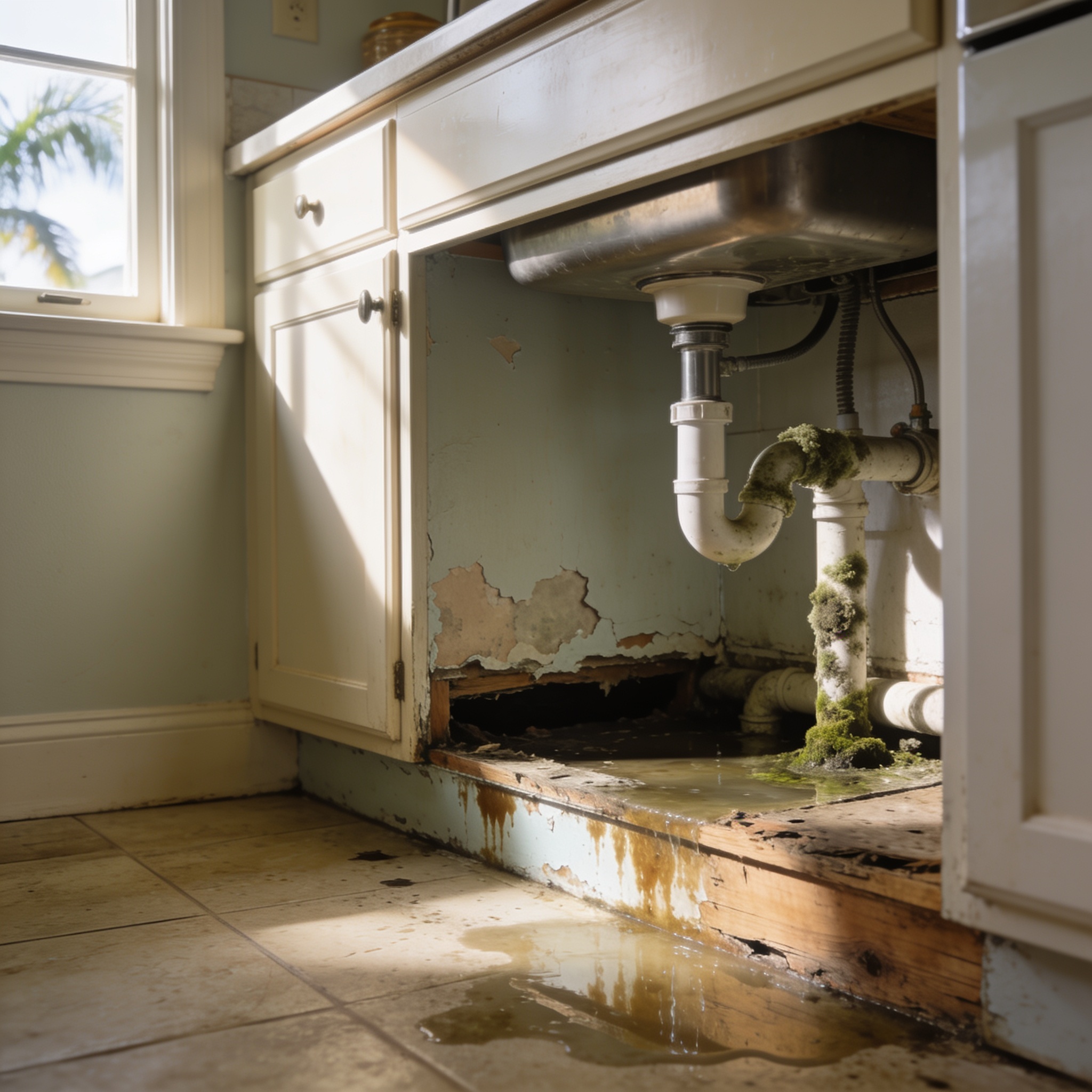
Hidden water damages refer to the protection provided under your policy for moisture issues that are not immediately visible to the naked eye. This type of water damage often occurs behind walls, under flooring, or within ceiling cavities where a slow leak may persist for weeks. Insurance policies typically cover the cost of repairing the structure and the resulting water damage if the leak was caused by a covered peril. For residents in Lee or Collier County, this often involves professional Water Damage Restoration to mitigate the spread of moisture in our humid climate. Your policy may not cover damage if it is due to lack of maintenance, and there are specific instances where insurance doesn’t cover the repairs.
Type of water: Sudden versus gradual
Sudden and accidental water damage is defined as an abrupt event, such as a pipe bursting, whereas gradual damage is the result of long-term neglect or wear and tear. Insurance companies generally cover sudden events because they are unforeseen and difficult to prevent. Conversely, gradual damage caused by a slow, persistent leak is often viewed as a maintenance issue that the homeowner should have addressed. If you suspect a slow leak, seeking Water Damage Restoration early can prevent more damage and potential claim denials. Knowing the main types of water damage helps you identify what is covered by your homeowners insurance. Always identify the source of the damage to determine if it qualifies for coverage.
Insurance cover water damage: Plumbing and appliances
A standard homeowners insurance policy typically covers water damage caused by plumbing leaks or appliance overflows, provided the incident was sudden and not due to poor maintenance. If your water heater fails or a dishwasher supply line snaps, the resulting water damage is usually covered under the dwelling or personal property sections of your policy. However, the cost of repairing the actual appliance or the pipe itself is often excluded, as that is considered a maintenance responsibility. Homeowners should consult their Is Water Damage Covered by Homeowners Insurance to understand specific exclusions regarding plumbing systems and ensure they have adequate coverage for water damage. Many residents ask, “does my policy cover water damage?”—the answer depends on the cause.
Type of water damage: What is not covered?
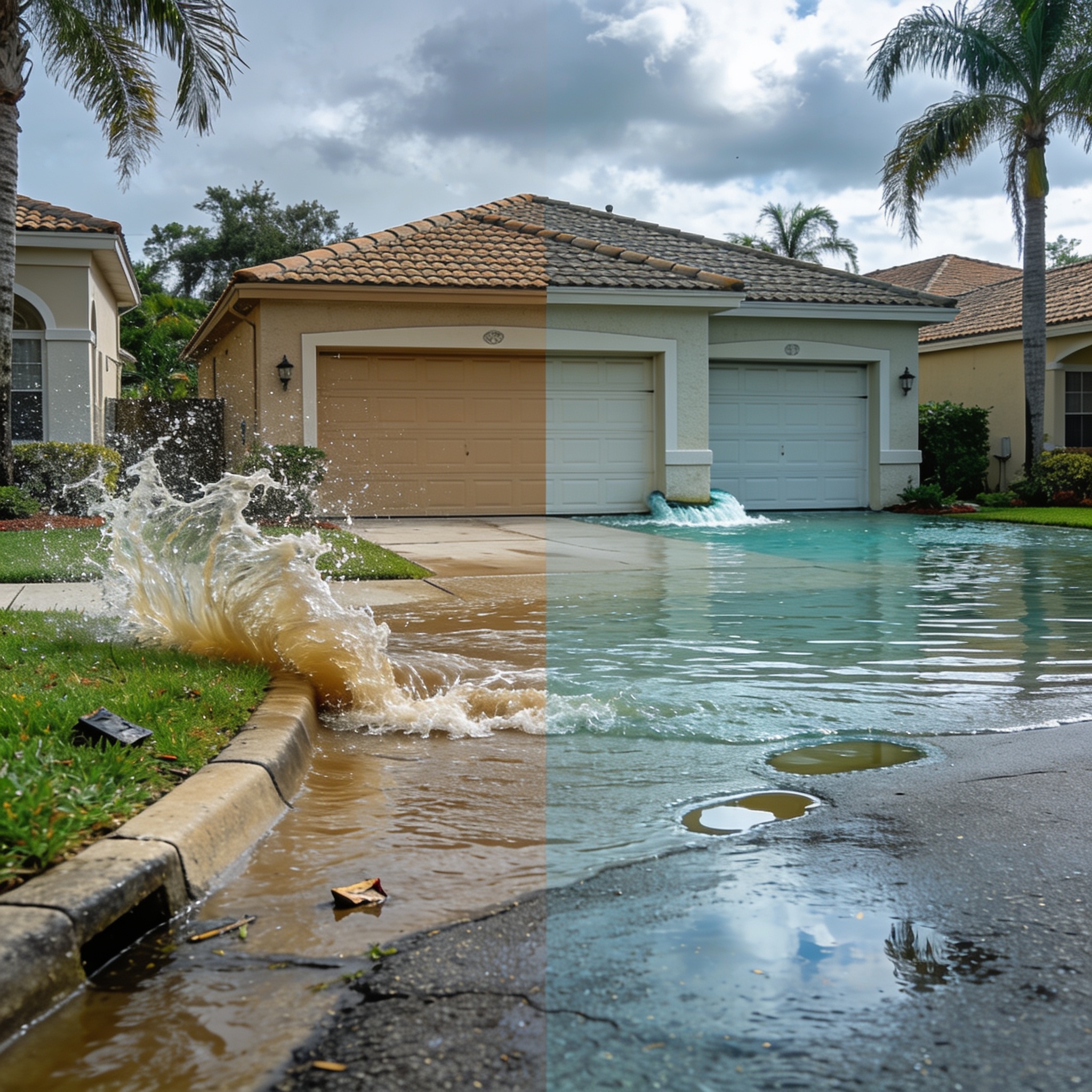
Damage caused by flooding, rising water, or long-term seepage is generally excluded from standard homeowners insurance policies. Flood damage, which involves water rising from the ground or storm surges, requires separate flood insurance often purchased through the National Flood Insurance Program (NFIP). You should strongly consider flood insurance if you live in a high-risk zone, as standard policies will not cover flood damage. Additionally, damage resulting from a lack of maintenance, such as a roof that has been leaking for months, will almost certainly be denied. Understanding water damage categories is vital, as the type of water—clean, gray, or black—can also influence how an insurance company processes your request. Note that your policy does not cover damage that could have been prevented through routine care, and certain types of damage from mold would not be covered if caused by long-term neglect.
| Damage Type | Typically Covered? | Requirement |
|---|---|---|
| Burst Pipe | Yes | Must be sudden/accidental |
| Appliance Leak | Yes | Must not be due to neglect |
| Rising Floodwater | No | Purchase separate flood insurance |
| Long-term Seepage | No | Considered maintenance failure |
| Mold Growth | Varies | Must result from covered peril |
Water damage claim: Mold and water damages
Mold damage from water leaks is only covered by homeowners insurance if the mold is a direct result of a sudden and accidental water event that was reported promptly. If the damage and mold growth are attributed to long-term humidity or a slow, undetected leak, the insurance company will likely deny the claim. In Florida, where mold thrives, insurance providers are particularly strict about the timeline of the damage. You should reference professional Water Damage Restoration to ensure that any mold remediation is handled correctly to protect your property value. Remember, a claim may be denied if you fail to address water damage and mold growth immediately, as homeowners insurance typically requires prompt notice.
Claim for water damage: Steps after discovery
Taking immediate action to stop the water and document the scene is the most effective way to protect your insurance claim. First, prioritize safety by turning off the water main if the leak is plumbing-related. Next, contact a professional to begin water damage restoration cost fort myers services to prevent further structural degradation. Finally, take clear photos and videos of the affected areas before any cleanup begins to record the damage for your claim. This documentation helps prove that the incident is covered by home insurance. When you file a claim for water damage, ensure you have all evidence ready.
Water damage coverage: Proving your case
Proving a water damage claim requires a comprehensive record of the source of water damage and the extent of the destruction caused. You must document the damage with high-quality photographs and keep all receipts for emergency repairs or temporary housing. Providing a professional assessment from a restoration expert can also help establish that the event was sudden and accidental. Keeping a detailed log of every communication with your insurance company ensures you have a paper trail if a dispute arises regarding your water damage coverage. Remember that only certain types of water damage are covered by your policy.
Homeowners insurance cover water damage: Denials and adjustments
Common reasons for claim denials include failure to prove the damage was sudden, evidence of long-term neglect, and lack of proper maintenance on home systems. When speaking to an adjuster, avoid admitting that you knew about a leak for a long time, as this will likely lead to a denial based on negligence. Never speculate about the cause of the water damage if you are unsure, as your statements can be used to categorize the event as gradual wear and tear. Always focus on the facts of the event and the immediate steps you took to mitigate the situation. Be aware that some damage may not be covered if it falls under specific policy exclusions.
Prevent water damage: Proactive maintenance
Preventing water damage requires a proactive approach, including regular inspections of plumbing, roofing, and appliance connections. In Southwest Florida, you should check your roof after every hurricane or tropical storm to ensure no water is leaking into your home. Installing leak detection sensors near water heaters and washing machines can provide early warnings before a small drip becomes a major disaster. Regularly testing your sump pump and checking for signs of moisture in your attic or crawl space are essential habits for every Florida homeowner to avoid costly water damages.
Frequently asked questions
The following questions address common concerns regarding insurance coverage for water-related incidents in Florida homes.
Does my homeowners insurance cover water backup from a sewer?
Standard policies often exclude water backup unless you have specifically added a water backup endorsement to your coverage.
Is damage from a leaking roof covered?
If the roof leak is caused by a sudden storm event, it is usually covered, but damage from a worn-out roof is considered maintenance.
What should I do if my insurance company denies my claim?
You have the right to request a formal explanation of the denial and may consider hiring a public adjuster to review your policy and the claim details.
Does flood insurance cover water leaking through my windows?
If the water enters due to structural damage from wind during a storm, it may be covered by your homeowners policy; if it is rising water, it falls under flood insurance.
Our editorial team verifies licensing and reviews for every restoration company in the directory and writes practical, Florida-specific guides to help homeowners act fast and protect their insurance claims after water, fire, mold or storm damage.