How Much Sewer Backup Insurance Should I Have to Protect My Home?
You should secure at least $10,000 to $25,000 in sewer backup coverage to adequately protect your home in Southwest Florida, as the actual cost to remediate sewage-contaminated water often exceeds basic policy limits. Determining how much sewer backup insurance should I have requires evaluating your home’s finished square footage and the age of your local sewer system. This guide clarifies the specific financial protections needed to mitigate damage from water backing up into your house, ensuring your home insurance provides the necessary safety net. When you file an insurance claim, having the right insurance is critical to covering damage inside your home.
Key Takeaways
- Standard home insurance policies typically exclude damage caused by sewer or drain backups.
- Sewer backup coverage is an optional insurance endorsement that must be added to your existing home insurance policy.
- SWFL residents face higher risks due to flat topography and tropical storm-induced pressure on municipal sewer lines.
- Coverage limits should reflect the cost to replace flooring, drywall, and personal property in low-lying areas.
- Preventive measures like backflow valves are essential to minimize the risk of a catastrophic backup event.
Does Homeowners Insurance Cover Water Backup, or Do You Need a Separate Policy?
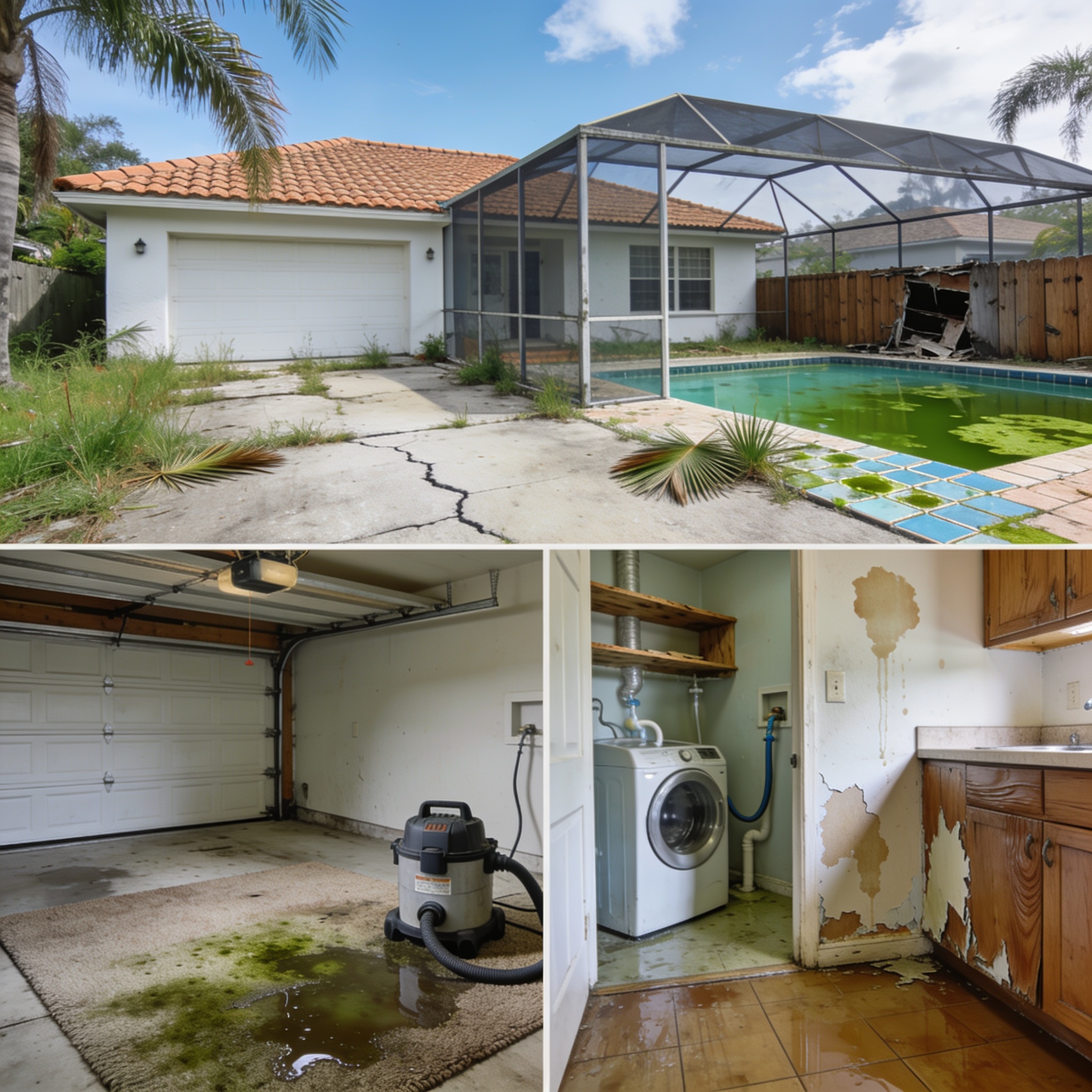
Standard home insurance policy documents almost never provide coverage for water damage caused by a sewer backup. Most insurers categorize these incidents as maintenance-related issues rather than sudden, accidental perils. You must specifically add this coverage as an endorsement to your existing homeowners policy to receive financial protection. If you live in a flood-prone area like Lee or Collier County, verify if your insurer offers sewer backup coverage, as it is distinct from standard flood insurance. This backup coverage for homeowners is essential because water backup issues can lead to severe water damage claims.
What Does Water Backup Insurance Cover (and What Does It Leave Out)?
Water backup insurance covers the cleanup and repair costs resulting from sewage or water backing up into your home through pipes or drains. This includes professional water damage restoration services, sanitization, and the replacement of damaged flooring or drywall. It specifically addresses damage from sewer backups where dirty water backs up into your home. However, it typically excludes damage caused by neglect, such as failing to clear tree roots from your main sewer and drain pipes. It also does not cover damage resulting from a water heater failure or a sump pump issue if the equipment was not properly maintained.
What Is the Difference Between Water Backups and Flood Insurance?
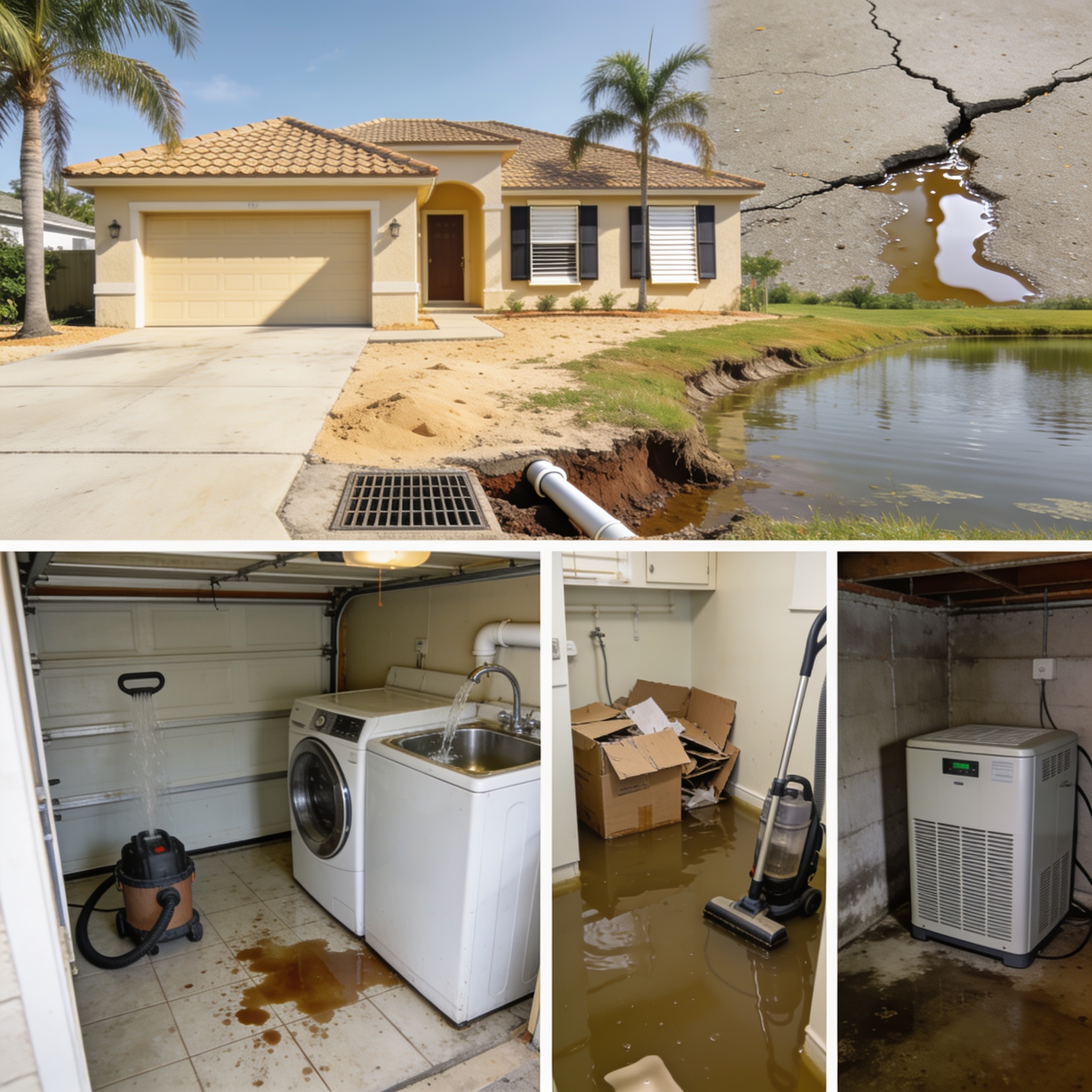
Water backup insurance specifically addresses internal plumbing failures, whereas flood insurance covers damage from external rising water. According to the Insurance Information Institute, flood insurance is required for water entering your home from the ground up due to storm surge or heavy rain. Conversely, sewer backup coverage protects you when the municipal sewer system or your private line coverage overflows into your dwelling. Understanding this distinction is vital for any homeowner in Florida, where both scenarios are common during hurricane season. You should also consider service line coverage to protect the pipes leading to your property.
Do You Really Need Water Backup Insurance for Your Home?
You should strongly consider adding this coverage if your home has a finished basement or living space located below the grade of the main sewer line. Even if you live on a slab, a blockage in the main sewage backup line can force raw sewage back through your toilet or shower drain. Given the high humidity and frequent storm events in Charlotte and Lee counties, the cost of a cleanup can quickly reach thousands of dollars. Relying on standard homeowners’ insurance to cover these costs will likely leave you paying out of pocket for backup damage. Consult an insurance professional to evaluate the specific backup coverage you need.
How Much Water Backup Coverage Should You Have to Fully Protect Your Home?
The amount of coverage you need is determined by the total cost to replace your flooring, baseboards, and personal belongings located in the lowest level of your home. Most experts recommend a minimum limit of $10,000, though $25,000 or more is safer for homes with extensive finished areas. You should consult with your insurance agent to assess the potential water backups caused by a total system failure. When determining much water backup coverage is appropriate, consider the total replacement value of your property. If you are unsure about the extent of potential damage, professional water restoration specialists can provide estimates for full-scale remediation.
What Is the 80% Rule in Property Insurance and How Does It Affect Your Much Coverage?
The 80% rule requires you to maintain insurance coverage equal to at least 80% of your home’s replacement cost to receive full claim payouts. If your coverage falls below this threshold, your insurer may apply a coinsurance penalty during a claim. This rule is particularly important when evaluating much coverage you have for water backups. If your policy is underinsured, you may find that your payout does not cover the full cost to replace damaged materials after a sewer backup. Always review the levels of coverage available to ensure you are adequately protected.
What Does $500,000 Building Coverage on a Flood Policy Mean?
A $500,000 building coverage limit on a flood policy represents the maximum amount the insurer will pay to repair the structural components of your home after a flood. This limit is specific to flood events and does not apply to sewer or drain backups. While this provides significant protection against storm surges, it does not replace the need for separate sewer backup insurance. Always confirm your specific insurance information to ensure you are not confusing these two distinct types of protection.
How Much Does Get Water Backup Coverage Cost?
Sewer backup insurance typically costs between $50 and $250 annually, depending on your location and the chosen coverage limits. This is a relatively small investment compared to the thousands of dollars required for professional water damage cleanup. Factors influencing the price include the age of your plumbing, the presence of a sump pump, and whether you have a finished basement. Always ask your provider if they get water backup coverage to see how much it would cost to add this endorsement to your current policy. Be sure to verify your water backup coverage limits before finalizing your plan.
How Can You Prevent Water and Reduce Your Risk?
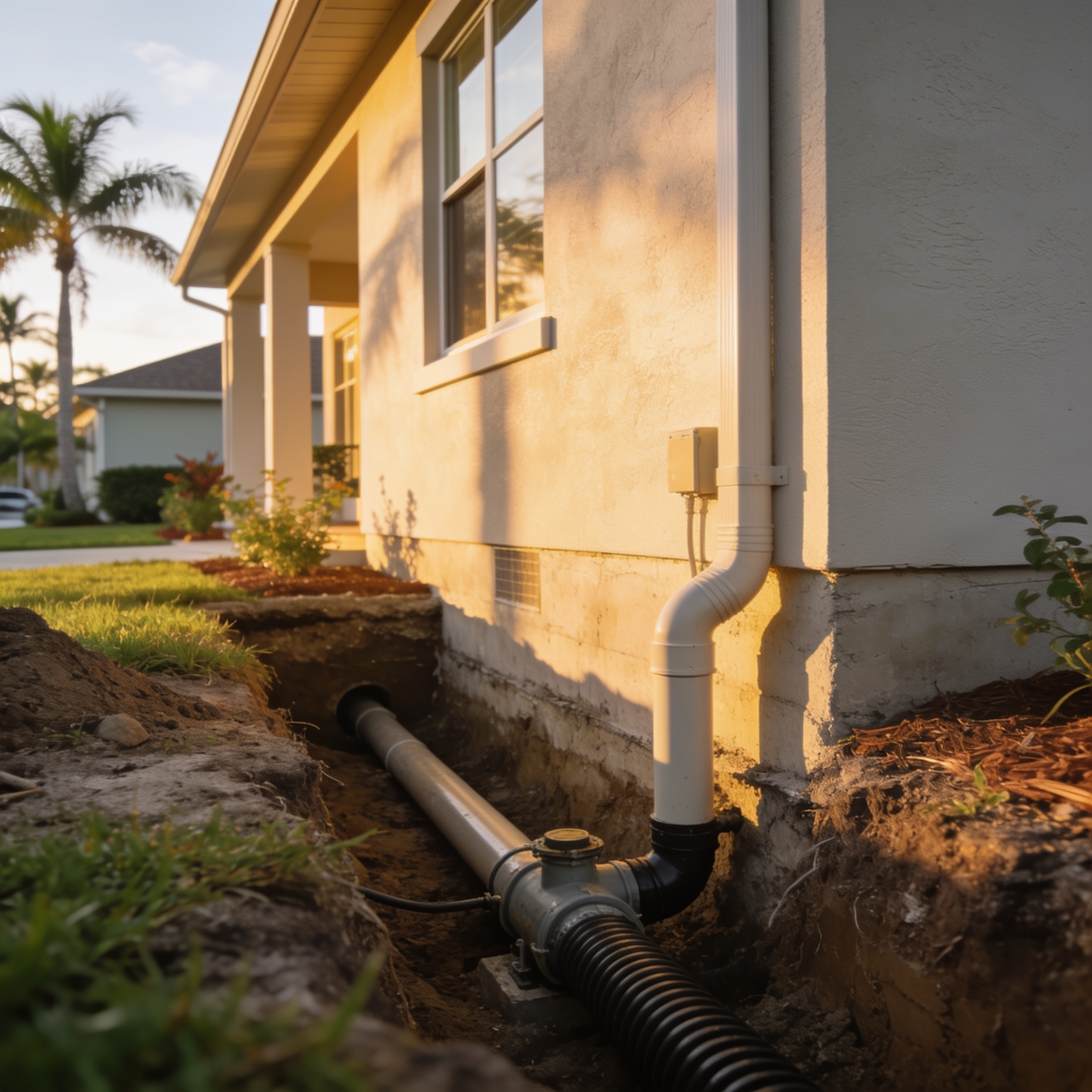
You can significantly reduce your risk by installing a backflow prevention valve on your main sewer line. Regular maintenance is the most effective way to prevent water damage from entering your living space. Follow these five steps to protect your property:
- Install a backflow valve: This mechanical device prevents sewage from flowing back into your home during a clog.
- Schedule annual pipe inspections: Hire a professional to check for tree roots that may be invading your main sewer line.
- Test your sump pump: Ensure your pump is functioning correctly before the start of the Florida rainy season.
- Avoid flushing improper items: Never dispose of grease, paper towels, or hygiene products down the toilet or drain.
- Monitor your drains: If you notice slow drainage, address the issue immediately to prevent a total backup event.
Frequently asked questions
Below are common inquiries regarding sewer backup protection and property safety in Southwest Florida.
Does my homeowners insurance cover a broken pipe?
Standard policies usually cover sudden, accidental pipe bursts, but they do not cover damage due to sewer backups or sewage overflows.
Is a sump pump failure covered by my policy?
Most policies require a specific endorsement for sump pump failure, as standard coverage often excludes mechanical breakdowns.
How do I know if I have sewer backup coverage?
Review your policy declarations page or contact your insurance agent to confirm if you have an endorsement for water backup or sewer overflow.
What should I do immediately after a sewer backup?
Prioritize safety, turn off the electricity if it is safe to do so, and contact a professional for water damage restoration immediately.
Does my HOA cover sewer backups?
HOA policies typically cover common areas, but the homeowner is usually responsible for the plumbing lines serving their specific unit.
| Factor | Sewer Backup Insurance | Flood Insurance |
|---|---|---|
| Primary Trigger | Internal pipe/sewer failure | External rising water |
| Coverage Scope | Cleanup, sanitization, repairs | Structural damage from water |
| Availability | Optional endorsement | Separate policy (NFIP/Private) |
For additional information on handling property damage, you may also want to research how much does mold remediation cost if a backup leads to secondary fungal growth.
See also: Water Damage Restoration
See also: Water Damage Restoration
See also: Water Damage Restoration
Related: how much mold remediation
Our editorial team verifies licensing and reviews for every restoration company in the directory and writes practical, Florida-specific guides to help homeowners act fast and protect their insurance claims after water, fire, mold or storm damage.