Homeowners Water Damage Insurance Claim Tips for a Faster Settlement
The most effective strategy to ensure a fair and rapid settlement for your water damage insurance claim is to document every detail of the event while strictly adhering to the mitigation requirements outlined in your policy, which can save you an average of $3,000 to $5,000 in out-of-pocket costs. Successfully navigating a water damage claim requires a disciplined approach, especially in Southwest Florida where high humidity and tropical weather patterns complicate the claims process. By utilizing these professional insurance claim tips, every homeowner can better protect their financial interests during the recovery phase. Understanding your homeowners insurance coverage is the first step in ensuring you are prepared for unexpected water damage situations.
Key Takeaways
- Always prioritize safety by choosing to shut off water at the main valve before attempting to document or mitigate the damage.
- Review your insurance policy immediately to understand your specific coverage limits and deductible requirements.
- Notify your insurance company as soon as you identify property damage to initiate the official claims process.
- Document the entire scene with high-resolution photos and videos before any water damage restoration begins.
- Maintain a detailed log of every conversation and interaction with your insurance carrier throughout the duration of your insurance claims.
What Should You Do Immediately After Discovering Water Damage in Your Home?
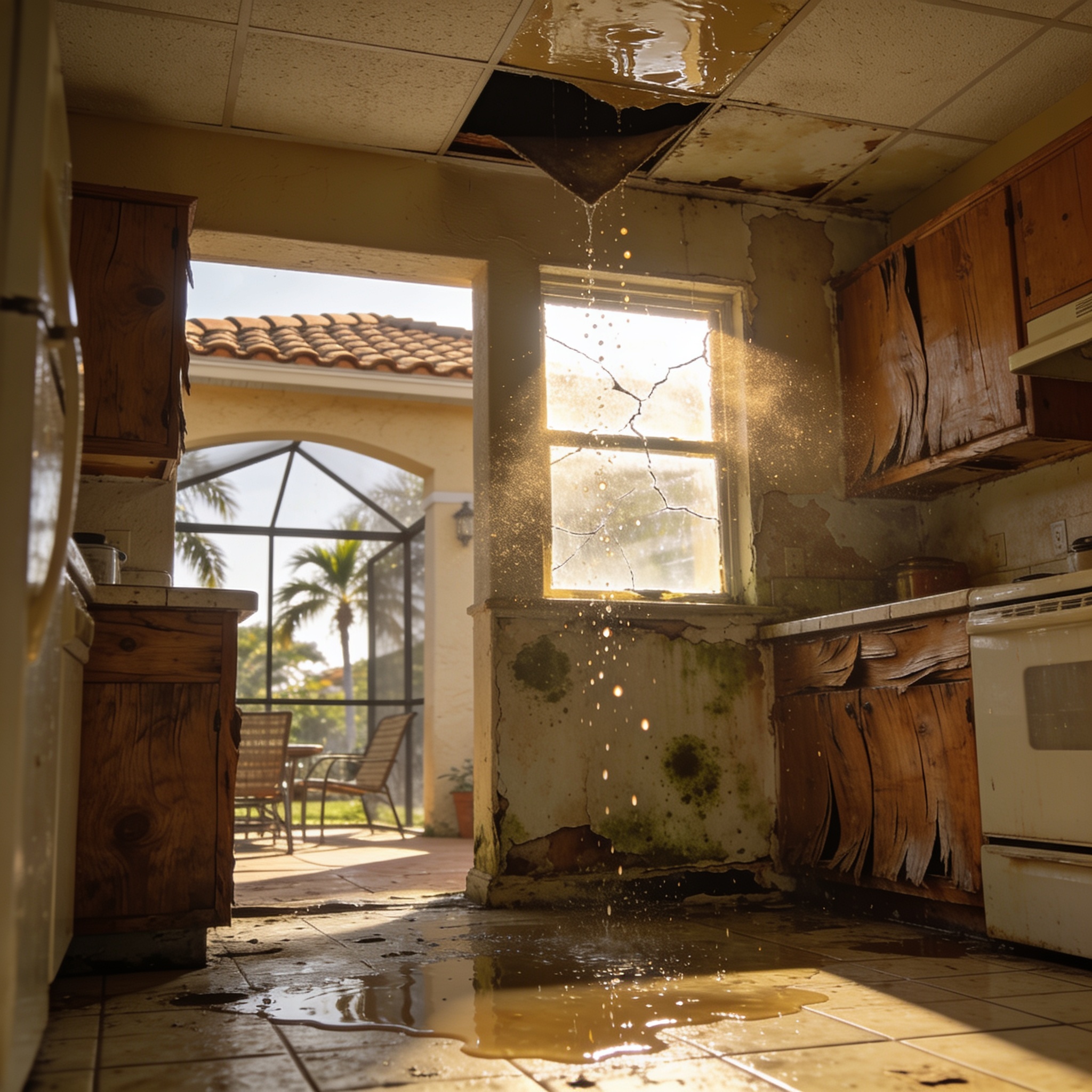
The first priority after discovering water damage is to prevent further damage by stopping the source of the water and securing the property. In Southwest Florida, where a burst pipe or a roof leak during a tropical cyclone can cause rapid destruction, time is your greatest enemy. Locate the main shutoff valve for your water supply and turn it clockwise until the flow stops completely. Once the water is off, contact a licensed professional for Water Damage Restoration to begin the drying process. Do not throw away damaged items until an adjuster has inspected them, as these items serve as primary evidence for your claim. To properly assess the damage, you must identify the source of the damage and document it thoroughly before cleaning up any water leak.
What Types of Water Damage Are Typically Covered by Insurance Policies?
Most standard homeowners insurance policies provide coverage for sudden and accidental water damage that originates from within the home. This typically includes incidents like a failed appliance, a burst pipe, or accidental water damage caused by plumbing failures. However, it is vital to understand that Is Water Damage Covered by Homeowners Insurance depends heavily on the specific language of your contract. Damage resulting from a flood or rising water is generally excluded from standard homeowners insurance and requires a separate flood insurance policy through the National Flood Insurance Program (NFIP). Always consult your insurance agent to clarify the distinction between plumbing failures and external environmental flooding. Remember that insurance policies cover sudden events, but they rarely pay for gradual damage caused by long-term neglect.
What Are the Key Steps to Filing a Water Damage Insurance Claim?
Filing a successful water damage claim begins with notifying your insurance company right away to establish an official record of the event. Follow these seven essential steps to ensure you remain compliant with your standard homeowners insurance requirements:
- Secure the premises: Stop the water flow and protect your home from additional exposure to the elements.
- Document the scene: Take extensive photos and videos of all affected areas and personal property before moving anything.
- Notify your insurance company: Call your carrier to report the loss and obtain a claim number for your records.
- Review your insurance policy: Carefully examine your coverage limits, deductibles, and specific exclusions related to water damage.
- Mitigate the damage: Hire a certified professional to extract standing water and dry the structure to prevent secondary mold growth.
- Inventory your losses: Create a comprehensive list of all damaged items, including their approximate age, purchase price, and current replacement value.
- Maintain a communication log: Record the names, dates, and summaries of every conversation you have with your adjuster or claims representative.
What Documentation Do You Need for Insurance Claims for Water Damage?
Comprehensive documentation is the most critical factor in determining the final payout of your insurance claim for water damage. You must provide the insurance company with a clear timeline of the event, including the date and time the damage was discovered. Gather all relevant receipts for emergency repairs, hotel stays, or temporary housing if your home is uninhabitable. According to FEMA guidelines, having a detailed inventory of damaged personal property is essential for substantiating your claim. Keep all insurance paperwork and invoices from your water damage restoration cost fort myers company organized in a single folder for easy reference. This organization will help strengthen your case when you file a claim with the carrier.
What Not to Say to Insurance Companies After Water Damage (and What to Say Instead)
Never admit fault or speculate on the cause of the damage when speaking with an insurance adjuster, as these statements can be used to deny your claim. Avoid saying things like “I think I might have forgotten to check the pipes” or “The leak has been happening for a while.” Instead, focus on objective facts regarding the sudden and accidental nature of the event. If you are unsure about the source of damage, state that you are waiting for a professional assessment to confirm the cause. Always maintain a professional tone and stick to the documented facts of the incident when reporting the claim to your provider.
What Are the 3 D’s of Water-Related Insurance — and How Do They Help You?
The 3 D’s—Document, Detail, and Diligence—serve as the foundation for a successful insurance claim process. By consistently applying these principles, you create a transparent trail that makes it difficult for insurance companies to undervalue your claim. The following table illustrates how these concepts apply to your daily management of the claim:
| Concept | Application to Claim |
|---|---|
| Document | Photos, videos, and receipts of all damage and repairs. |
| Detail | Comprehensive inventory lists and itemized repair estimates. |
| Diligence | Tracking deadlines, follow-up calls, and policy compliance. |
How Can You Maximize Your Claim for Water Damage?
Maximizing your payout requires you to present a thorough and well-supported case that highlights the full extent of the damage caused by the event. Do not rely solely on the insurance carrier’s initial estimate, as their primary goal is often to minimize costs. Obtain your own independent estimates from reputable local contractors to compare against the adjuster’s findings. If the damage involves Water Damage Restoration, ensure that the restoration company identifies all hidden damage behind walls or under flooring. Providing this level of detail forces the insurance company to account for the true cost of returning your property to its pre-loss condition, ensuring that water damage or freezing issues are fully addressed.
What Common Mistakes Should Homeowners Avoid During a Water Damage Claim?
The most common mistake homeowners make is delaying the mitigation process, which allows secondary damage like mold to develop and complicates the entire claim. Another frequent error is failing to read the fine print of your standard homeowners insurance, which can lead to missed deadlines or improper filing procedures. Avoid signing any “assignment of benefits” forms with contractors without first consulting your insurance agent, as these can strip you of control over your claim. Finally, never discard damaged items before the adjuster has had the opportunity to inspect them, as this can lead to a denial of coverage for those specific items. Many items are covered by insurance if you can prove they were ruined by the incident.
How Long Does the Claims Process Usually Take?
A standard water damage insurance claim typically takes between 30 to 90 days to reach a final settlement, depending on the complexity of the damage. In Southwest Florida, severe weather events can lead to a backlog of claims, which may extend this timeline significantly. The speed of your settlement is often determined by how quickly you provide the requested documentation and how responsive your insurance company is to your inquiries. If you are dealing with a Water Damage Restoration event involving structural repairs, expect the process to take longer due to the need for multiple inspections and contractor bids. Managing your water claims effectively requires patience and consistent follow-up.
When Should You Review Your Insurance Policy?
You should consider hiring a public adjuster or legal counsel if your insurance company denies your claim, significantly undervalues the damage, or fails to communicate in a timely manner. A public adjuster acts as your advocate and can help navigate the complexities of the claims process to ensure you receive a fair settlement. While they do charge a percentage of the total claim payout, their expertise is often invaluable in high-value cases. If you suspect bad faith or if the dispute over your water damage restoration cost fort myers costs becomes unmanageable, seeking professional legal advice is a prudent step. Always contact your insurance company as soon as you are aware of the loss to start the clock on your homeowners insurance benefits.
Frequently asked questions
The following answers address the most common concerns homeowners face when dealing with water-related insurance issues in Florida.
Is mold damage covered by my homeowner’s insurance?
Mold damage is often excluded from standard homeowners insurance unless it is a direct result of a covered peril, such as a burst pipe. Because Florida’s climate is highly conducive to mold growth, insurance companies often place strict limits on mold-related payouts. Always check your policy for specific mold coverage endorsements.
What is the difference between a company adjuster and a public adjuster?
A company adjuster works directly for the insurance carrier and is tasked with protecting the company’s financial interests. Conversely, a public adjuster is an independent professional hired by the homeowner to represent their interests and maximize the claim payout.
Do I need separate flood insurance for flood damage?
Yes, standard homeowners insurance policies do not cover damage caused by rising water, storm surges, or external flooding. You must purchase a separate flood insurance policy through the National Flood Insurance Program or a private carrier to protect against these specific water damage scenarios.
What happens if my claim is denied?
If your claim is denied, you have the right to request a formal explanation in writing and initiate an appeal through your insurance company’s internal process. If the denial remains unresolved, you may consider filing a complaint with the Florida Department of Financial Services or consulting with an attorney experienced in property insurance law.
How do I calculate the replacement value of my damaged items?
Replacement value is calculated based on the current cost to purchase a new item of similar quality, rather than the depreciated value of the old item. To support your claim, provide receipts, credit card statements, or even photos that demonstrate the quality and age of the damaged belongings.
Our editorial team verifies licensing and reviews for every restoration company in the directory and writes practical, Florida-specific guides to help homeowners act fast and protect their insurance claims after water, fire, mold or storm damage.