Hardwood Floor Water Damage Insurance: What Homeowners Need to Know
Most standard homeowners insurance policies provide coverage for hardwood floor water damage only when the loss results from a sudden and accidental event, typically costing between $10 and $25 per square foot for professional restoration. Navigating a flooring insurance claim for your floor requires immediate action to mitigate further loss and precise documentation of the peril involved. Understanding the nuances of your policy is essential for any homeowner in Southwest Florida facing potential water damage, especially when dealing with damaged flooring that may require professional assessment.
Key Takeaways
- Standard policies usually cover sudden pipe bursts or a leaking water heater but exclude long-term seepage or maintenance issues.
- Flood insurance is a separate requirement under the National Flood Insurance Program (NFIP) for rising water events.
- Documenting the source of the leak is the most critical step in securing a successful claim.
- Professional water damage restoration services are often required to prevent secondary mold growth.
- Always check your deductible before filing, as minor repairs may cost less than your out-of-pocket obligation.
- Consulting with a public adjuster can help ensure your insurance coverage is maximized during the settlement process.
How long does it take for water to cause significant damage to hardwood floors?
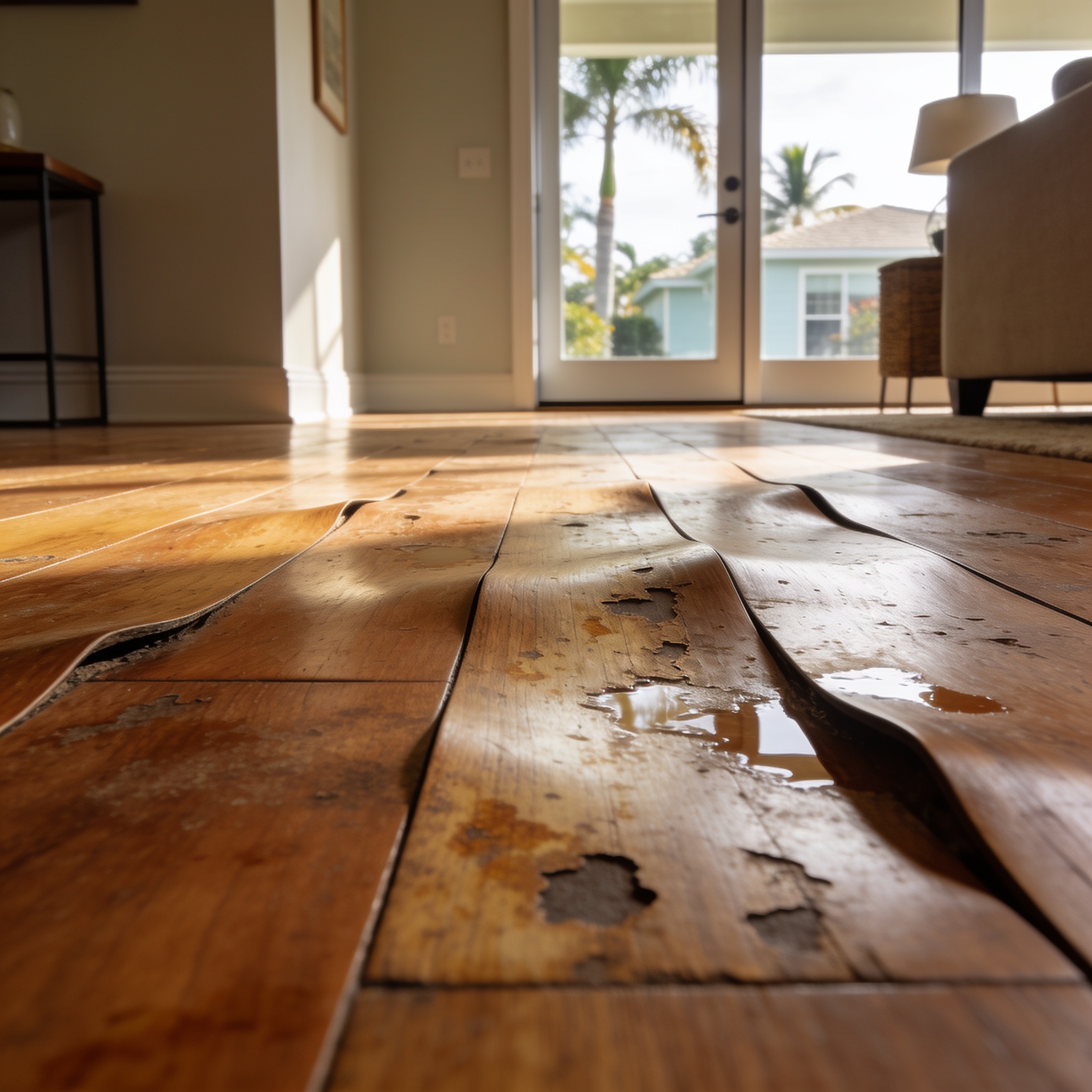
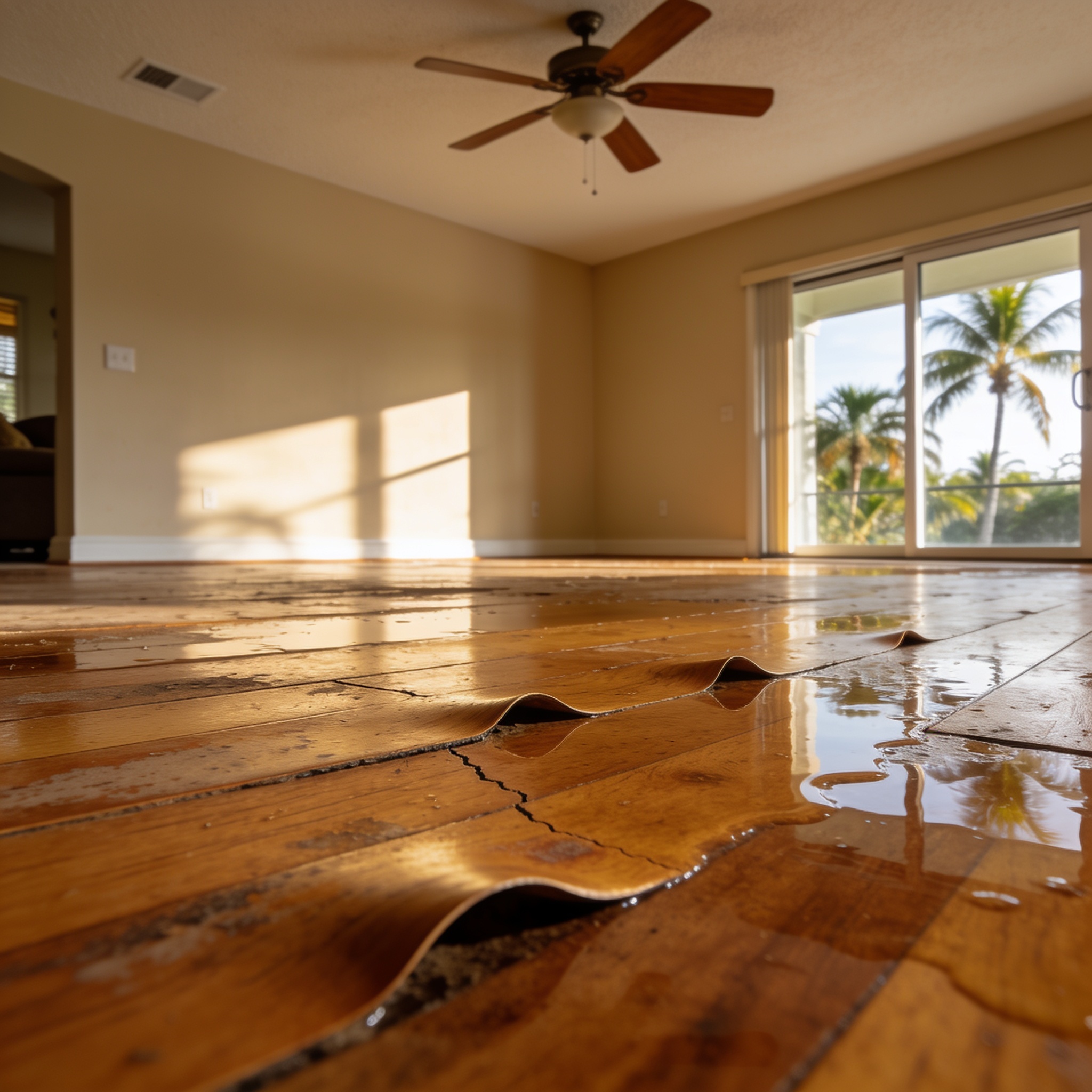
Hardwood floors can begin to warp or buckle within 24 to 48 hours of exposure to standing water. The porous nature of wood allows it to absorb moisture rapidly, leading to cupping and structural instability. In the humid climate of Lee and Collier counties, moisture trapped beneath the boards can also trigger rapid mold growth, and homeowners should be aware that issues like delamination often occur quickly when subflooring is saturated.
Can hardwood floors recover from water damage, or do they always need replacement?
Minor moisture exposure may be resolved through professional emergency drying, but significant saturation usually necessitates a new floor. If the wood has delamination or developed deep fungal growth, the structural integrity is compromised beyond repair. Experts at the Insurance Information Institute suggest that once the moisture content exceeds 16%, the risk of permanent distortion is extremely high, often requiring a total rebuild of the affected area.
What types of water damage to hardwood floors are covered by homeowners insurance?
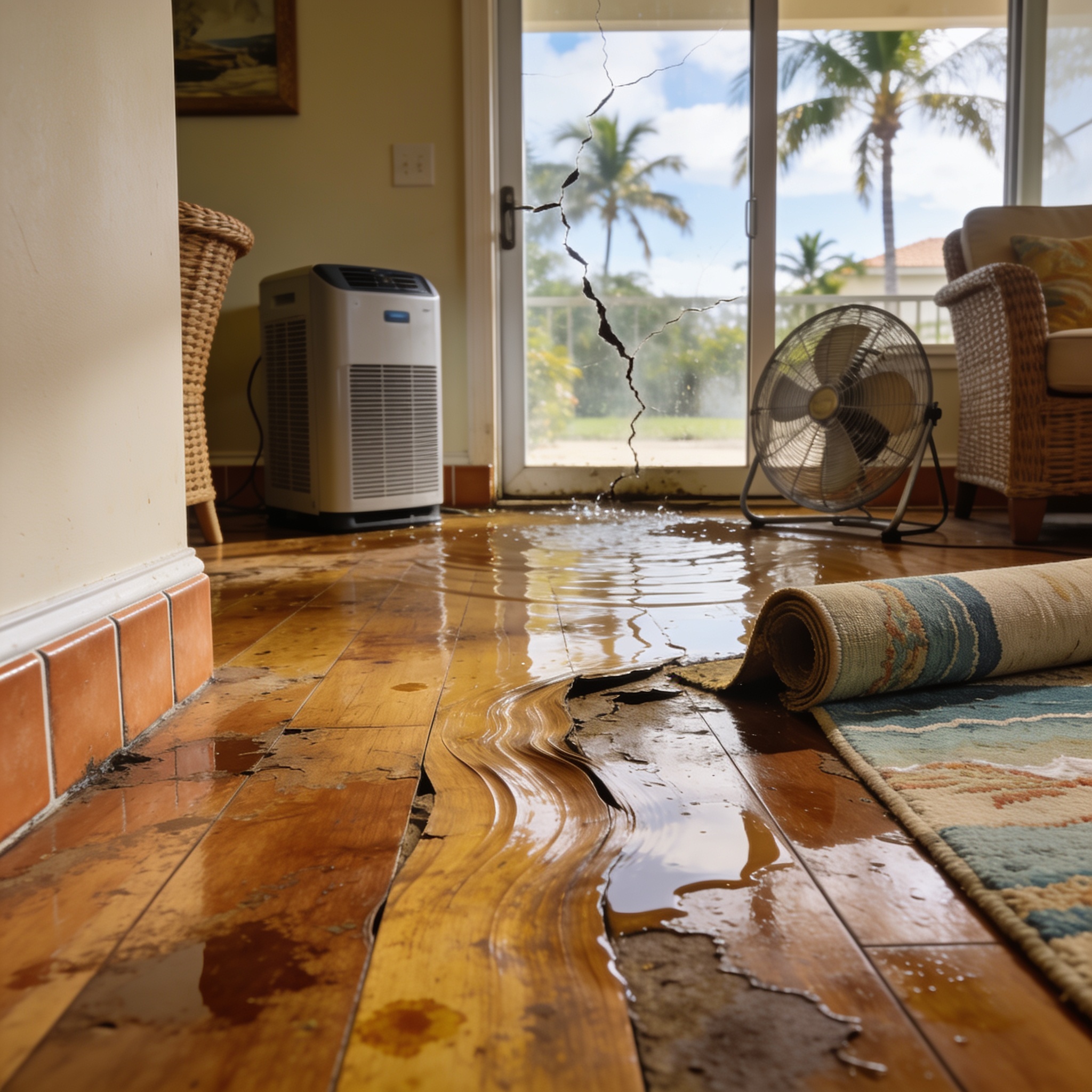
Insurance companies generally cover water damage caused by sudden and accidental internal failures, such as burst pipes or a malfunctioning appliance. These events are considered “covered perils” under most standard HO-3 policies. If you are unsure if your specific situation qualifies, learn more about whether your Is Water Damage Covered by Homeowners Insurance status applies, and verify if your policy will pay for water damage resulting from these specific incidents.
What types of water damage are typically not covered by homeowners insurance?
Damage resulting from long-term neglect, such as a slow, undetected leak or lack of maintenance, is usually not covered by insurance policies. Furthermore, rising water from storm surges or heavy rainfall is excluded from standard home insurance and requires a dedicated flood insurance policy. The EPA emphasizes that failing to address minor moisture issues often leads to denied claims due to negligence, and homeowners should note that wear and tear on exterior components like siding is also typically excluded.
What steps should you take immediately after discovering water damage to your hardwood floors?
The first priority is to stop the source of the water and contact a professional for water damage restoration. Utilizing professional leak detection services can help identify hidden moisture sources before they worsen. You should take photos of the affected area before moving any furniture or starting cleanup. Keeping a detailed log of all communications with your insurance provider is vital for your records, and you may wish to speak with your insurance agent to clarify what your specific policy will cover.
Is it worth filing an insurance claim for water damage to your hardwood floors?
Filing an insurance claim is only financially beneficial if the total cost of the repair exceeds your policy deductible. For small, localized areas, the cost of professional services might be comparable to your deductible, making a claim unnecessary. Consult with a local expert regarding water damage restoration cost fort myers to determine the scope of your loss and whether your insurance provider will cover repairs.
What is the process for filing an insurance claim for water-damaged hardwood floors?
The claims process begins with notifying your insurance provider immediately and scheduling an inspection with an adjuster. You must submit a formal proof of loss, including estimates for the repair and any receipts for emergency services. Following the correct Water Damage Restoration protocol helps ensure your claim is processed accurately, and working with a claims manager can help streamline the documentation required to cover repairs.
What should you avoid saying to an insurance adjuster when filing a water damage claim?
Avoid speculating about the age of the leak or admitting to any potential lack of maintenance, as these statements can lead to an automatic denial. Stick strictly to the facts of the event and provide documentation from a professional Water Damage Restoration specialist. Never sign a settlement offer until you are certain the payout covers the full cost of a comparable new floor.
How much does it typically cost to repair or replace water-damaged hardwood flooring?
Repair costs vary widely based on the wood species, the extent of the saturation, and the labor required for proper moisture remediation. The following table outlines the general cost factors for homeowners in Southwest Florida, including considerations for water damaged floors and alternative materials like tile.
| Service Type | Estimated Cost Range |
|---|---|
| Emergency Drying | $500 – $2,500 |
| Partial Floor Patch | $1,500 – $4,000 |
| Full Floor Replacement | $8,000 – $20,000+ |
| Subfloor/Tile Remediation | $2,000 – $5,000 |
Frequently asked questions
Understanding these common concerns can help you navigate the complexities of your insurance policy and restoration needs.
Does homeowners insurance cover laminate floor damage?
Coverage for a laminate floor is subject to the same “sudden and accidental” rules as hardwood, though laminate often requires total replacement due to its composition.
What if the water damage was caused by a neighbor?
If a neighbor’s property caused the damage, you may need to file a claim against their liability insurance rather than your own.
How do I find a reputable restoration company?
You can search for Water Damage Restoration Near Me in Port Charlotte to find certified professionals who work directly with insurance providers.
Does my policy cover the cost of mold remediation?
Many policies have a sub-limit for mold, meaning you may only be covered for a fraction of the total remediation costs.
Confirming if insurance covers water damage
It is vital to verify if your specific insurance covers water damage by reviewing your policy declarations page. In many cases, if a pipe bursts, your insurance will cover the resulting repairs, provided the damage was not caused by long-term neglect.
Addressing hardwood flooring water damage
When dealing with hardwood flooring water damage, acting quickly is essential to prevent permanent warping. Professional remediation is often necessary to ensure the subfloor is dry before installing a new floor.
Managing water-damaged floors
Restoring water-damaged floors requires specialized equipment to extract moisture from deep within the wood fibers. If the damage is extensive, ensure your documentation is thorough so that your insurance provider understands the full scope of the loss.
Will my insurance provider pay for water damage?
Whether your insurance provider will pay for water damage depends on the cause of the loss. Always confirm that the event is a covered peril under your policy terms.
Do I need flood insurance for a pipe burst?
No, flood insurance is specifically for rising water from external sources. Standard policies typically handle internal plumbing issues, but you should always confirm your specific insurance coverage.
When to install a new floor
If professional drying fails to restore the structural integrity of your boards, you will likely need a new floor. Ensure you obtain multiple quotes to compare against your insurance settlement.
See also: Water Damage Restoration
Our editorial team verifies licensing and reviews for every restoration company in the directory and writes practical, Florida-specific guides to help homeowners act fast and protect their insurance claims after water, fire, mold or storm damage.