Flood Insurance Zone AE: What Property Owners Need to Know
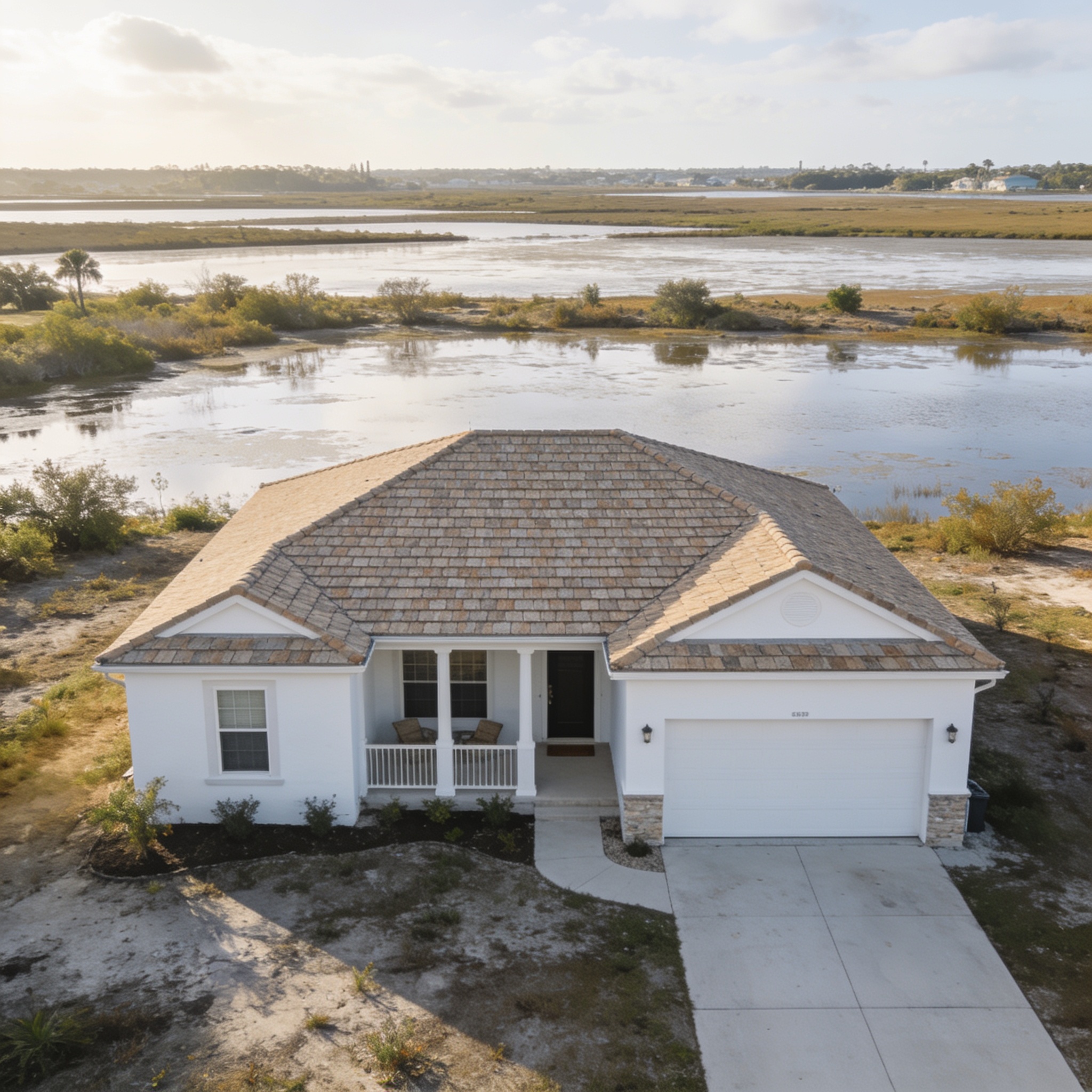
Flood insurance zone AE represents a special flood hazard area where the annual chance of a flood is 1%, and the average annual insurance cost often ranges between $800 and $2,500 depending on your property’s specific elevation. Understanding these fema maps is critical for homeowners in Southwest Florida, as your property’s flood risk directly dictates your mortgage requirements and long-term financial exposure. By navigating the complexities of zone AE, you can better protect your investment against the inevitable water threats common to our coastal region. Because flood insurance isn’t automatically included in standard policies, you must buy flood insurance to ensure full protection. If you are uncertain about your status, you should determine insurance requirements early to understand your specific risk and insurance profile.
Key Takeaways
- Zone AE is classified as a Special Flood Hazard Area (SFHA) by FEMA, meaning there is a 1% annual chance of a base flood event.
- Properties in this zone are subject to mandatory flood insurance requirements if the mortgage is held by a federally regulated lender.
- Flood insurance rates are heavily influenced by your building’s elevation relative to the base flood elevation (BFE) established on the flood insurance rate map.
- Homeowners can potentially lower their premiums by implementing flood mitigation strategies or obtaining a Letter of Map Revision (LOMR) or LOMA.
- Comparing NFIP policies with private flood insurance options is essential to finding the most cost-effective coverage for your specific property.

What Does AE Mean in FEMA Flood Zones?
The AE designation on a map indicates an area where FEMA has performed detailed hydraulic analyses to determine the specific BFE. This zone represents a high-risk flood area where the 100-year flood—or an annual chance flood of 1%—has been modeled with precise water surface elevations. Unlike zone types where the risk is estimated, zone AE provides official zone designations that serve as a benchmark for building codes and insurance requirements. You can verify your specific property’s flood zone information by visiting FEMA’s national flood map service center online. Understanding how flood zones affect your mortgage is essential, as flood insurance is mandatory if your home sits within these boundaries.
High-Risk Flood Zone: Is AE Worse Than Zone A?
Flood zone AE is generally considered more predictable than zone A because it includes calculated water surface elevations, whereas zone A is often mapped using approximate methods. While both are classified as high-risk flood zones, the presence of a BFE in zone AE allows for more accurate risk assessment and engineering for flood mitigation. In Southwest Florida, these zone designations are vital for contractors performing Flood Cleanup & Water Extraction Companies in Southwest Florida, as the elevation data helps determine how water will move through a structure during a storm surge. Zone A lacks the granular data found in zone AE, which can sometimes lead to more conservative building requirements. Note that homeowners in zone AE often face stricter compliance standards than those in moderate-risk flood areas.
Flood Risk: How Bad Is Zone AE in Florida?
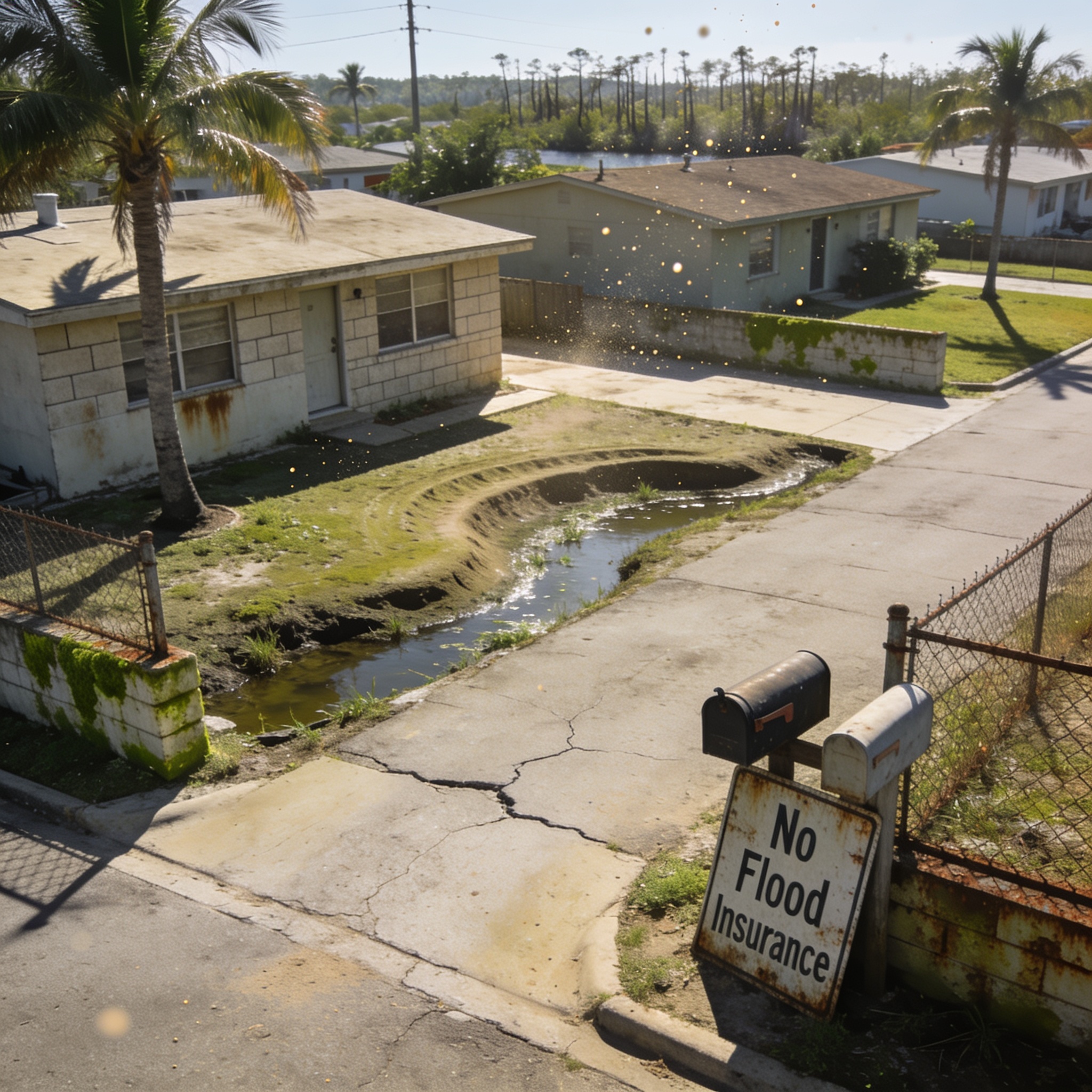
Living in a zone AE area in Florida carries a significant, ongoing flood risk due to our flat topography, high water tables, and susceptibility to tropical storms. Because Florida’s coastal geography is prone to surge, every flood event in an AE zone has the potential to cause catastrophic damage to property foundations and interior structures. Local counties like Lee, Collier, and Charlotte have extensive florida flood zones that reflect the reality of our sea-level proximity. Constant humidity and heavy seasonal rainfall mean that even minor drainage issues can escalate into a localized flood, making the community’s flood zone classification a primary concern for every homeowner.
Mandatory Flood Insurance: Is It Required in Zone AE?
Lenders require mandatory flood insurance for all properties located in zone AE if the mortgage is backed by a federally regulated or insured lender. This requirement is enforced by law under the National Flood Insurance Program (NFIP) to protect the lender’s interest in the property against the high-risk flood potential. Even if your mortgage is paid off, the risk of a flood remains, and it is highly recommended to maintain coverage. If you are looking for assistance after a storm, professional services like Water Damage Restoration in Sanibel, FL can help manage the aftermath, but insurance is the only financial shield against total loss. In some cases, you simply need flood insurance even for properties near these zones.
Flood Insurance Rates: Can You Get Coverage in Zone AE?
You can absolutely get flood insurance for a property in zone AE through either the federal government or private carriers. Accessing coverage is a standard part of the property closing process, and homeowners should not assume that coverage isn’t available just because their home is in a high-risk area. The market for private options has expanded significantly in Florida, providing alternatives to the traditional NFIP policy. It is advisable to shop around, as different carriers may offer varying levels of coverage for flood damage depending on the specific location and construction type.
Flood Insurance Premiums: How Much Does Insurance Cost?
Flood insurance costs in zone AE are highly variable, typically ranging from $800 to several thousand dollars annually based on the structure’s elevation relative to base flood elevation. Factors such as the year of construction, the number of floors, and the presence of a basement significantly influence your final insurance premiums. Because FEMA’s flood maps are updated periodically, a property that was once in a lower-risk zone might be reclassified, which can lead to a sudden change in your insurance requirements and costs. Always request an updated insurance quote based on the most recent flood insurance rate map to ensure you are paying the correct rate for your current risk level.
| Factor | Impact on Cost |
|---|---|
| Elevation relative to base flood | High impact (higher elevation = lower cost) |
| Building Age | Moderate impact (newer codes are safer) |
| Occupancy Type | Moderate impact (primary vs. secondary home) |
| Coverage Limits | High impact (higher limits = lower cost) |
| Setting flood insurance | Based on risk assessment |
Base Flood Elevation and AE Flood Zone Classifications
The primary factor determining your flood insurance rates is the elevation of your lowest floor compared to the BFE established by FEMA. Other critical variables include the building’s foundation type, such as crawlspaces or slab-on-grade, and the overall flood risk of the specific community. FEMA’s flood map service center provides the data necessary to determine these factors, which insurers then use to calculate your individual flood insurance premiums. In Southwest Florida, proximity to the Gulf of Mexico and local drainage basin capacity also play a role in how insurance companies assess the likelihood of a major flood event. These flood zone classifications help categorize risk, including areas like zone V (coastal high hazard) and moderate flood hazard areas like zone B.
NFIP vs. Private Flood Insurance
The National Flood Insurance Program (NFIP) is backed by the federal government and offers standardized coverage, whereas private flood insurance is offered by commercial carriers who may provide higher coverage limits and more flexible terms. Choosing between the two depends on whether you need to satisfy basic lender requirements or if you require excess coverage for high-value assets. While the NFIP is the most common option for those required to have flood insurance, private policies can sometimes be more competitive for homes that are elevated well above the base flood elevation. Both options provide essential protection, but it is important to review the policy details to ensure you are fully covered for potential flood hazards.
Mitigation and Updated Flood Maps
You can lower your flood insurance premiums by performing flood mitigation, such as installing flood vents, elevating mechanical systems, or obtaining a Letter of Map Revision (LOMR) if your property is incorrectly mapped. Taking proactive steps to reduce your property’s flood risk is often the most effective way to qualify for lower insurance rates over time. For example, if you reside in a high-risk zone, hiring experts for Water Damage Restoration in Punta Gorda, FL can often provide insights into structural improvements that prevent future water intrusion. Additionally, ensuring your home is compliant with the latest building codes can lead to significant discounts on your annual insurance costs.
Buying a Home in Zone AE
Buying a house in an AE flood zone is a common reality in Southwest Florida, provided you account for the necessary insurance costs and potential flood mitigation requirements in your budget. The decision should always be based on a thorough review of the property’s flood history, the official flood insurance rate map, and your personal risk tolerance. While the designation indicates a high-risk flood area, many homes in these zones have been constructed to modern standards that significantly reduce the impact of water damage. By understanding the zone classification and the associated insurance requirements, you can make a sound financial decision that protects your property for years to come. Even zone X properties can occasionally be remapped, so staying informed about updated flood maps is vital.
Frequently asked questions
The following questions address the most common concerns regarding flood insurance and zone AE designations.
What is the difference between Zone AE and Zone X?
Zone AE is a high-risk flood zone with a 1% annual chance of flooding, while Zone X is an area of minimal flood hazard, typically outside the 500-year floodplain.
How do I find my property’s flood zone?
You can determine your property’s flood zone designation by visiting the FEMA flood map service center website and entering your specific address.
Can I get a LOMA if my house is in Zone AE?
Yes, if you can provide a professional elevation certificate proving your structure is actually higher than the base flood elevation, you may be eligible for a Letter of Map Amendment (LOMA).
Does my homeowners insurance cover flood damage?
Standard homeowners insurance policies typically do not cover flood damage; you must purchase a separate flood insurance policy to be protected against flood events.
How often are FEMA flood maps updated?
FEMA updates its flood maps periodically, though the timeline varies by community; it is wise to check the maps annually to see if your property’s risk status has changed.
Our editorial team verifies licensing and reviews for every restoration company in the directory and writes practical, Florida-specific guides to help homeowners act fast and protect their insurance claims after water, fire, mold or storm damage.