Does Homeowners Insurance Cover Mold in Ductwork? What You Need to Know
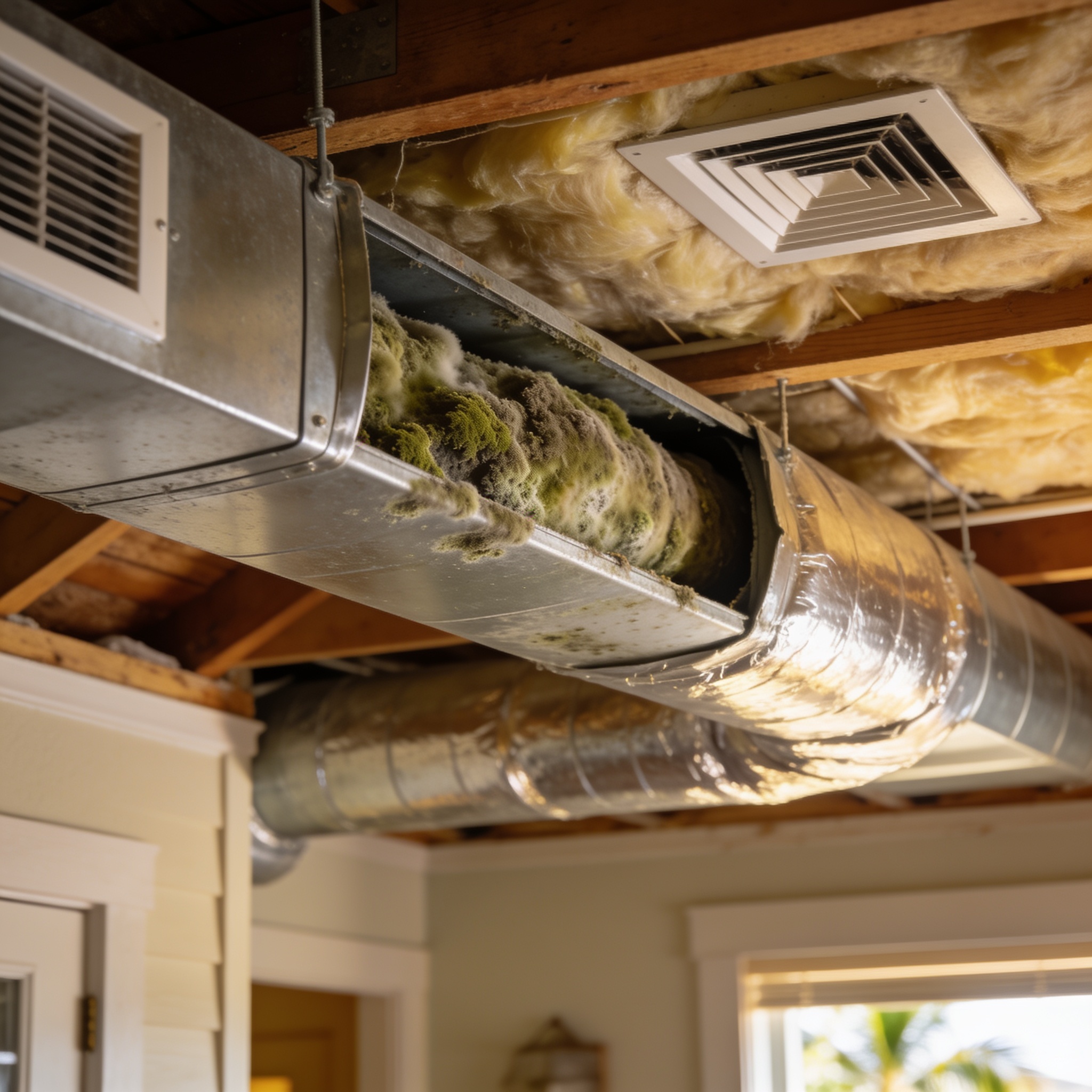
Homeowners insurance cover mold in ductwork only when the growth is a direct result of a sudden and accidental water-related event, such as a burst pipe, rather than long-term neglect or humidity. Because SWFL experiences high humidity and frequent tropical storms, insurance companies often scrutinize claims to determine if the issue stems from maintenance failures or a covered peril. Understanding your insurance policies is essential, as many standard home insurance plans don’t cover mold resulting from gradual moisture.
Key Takeaways
- Standard policies typically exclude mold unless it is caused by a covered event like a pipe burst.
- SWFL residents must distinguish between sudden water damage and gradual moisture accumulation.
- Documenting the source of the leak is the most critical step in getting a claim approved.
- Maintenance of your HVAC system is your responsibility and is rarely covered by insurance.
- Always check your specific policy for a “mold endorsement” that may provide limited coverage.
- Insurance coverage for fungal growth is highly restrictive, and homeowners insurance won’t pay for mold damage caused by poor maintenance.
How Common Is Mold in HVAC Ducts, and Why Should Homeowners Be Concerned?
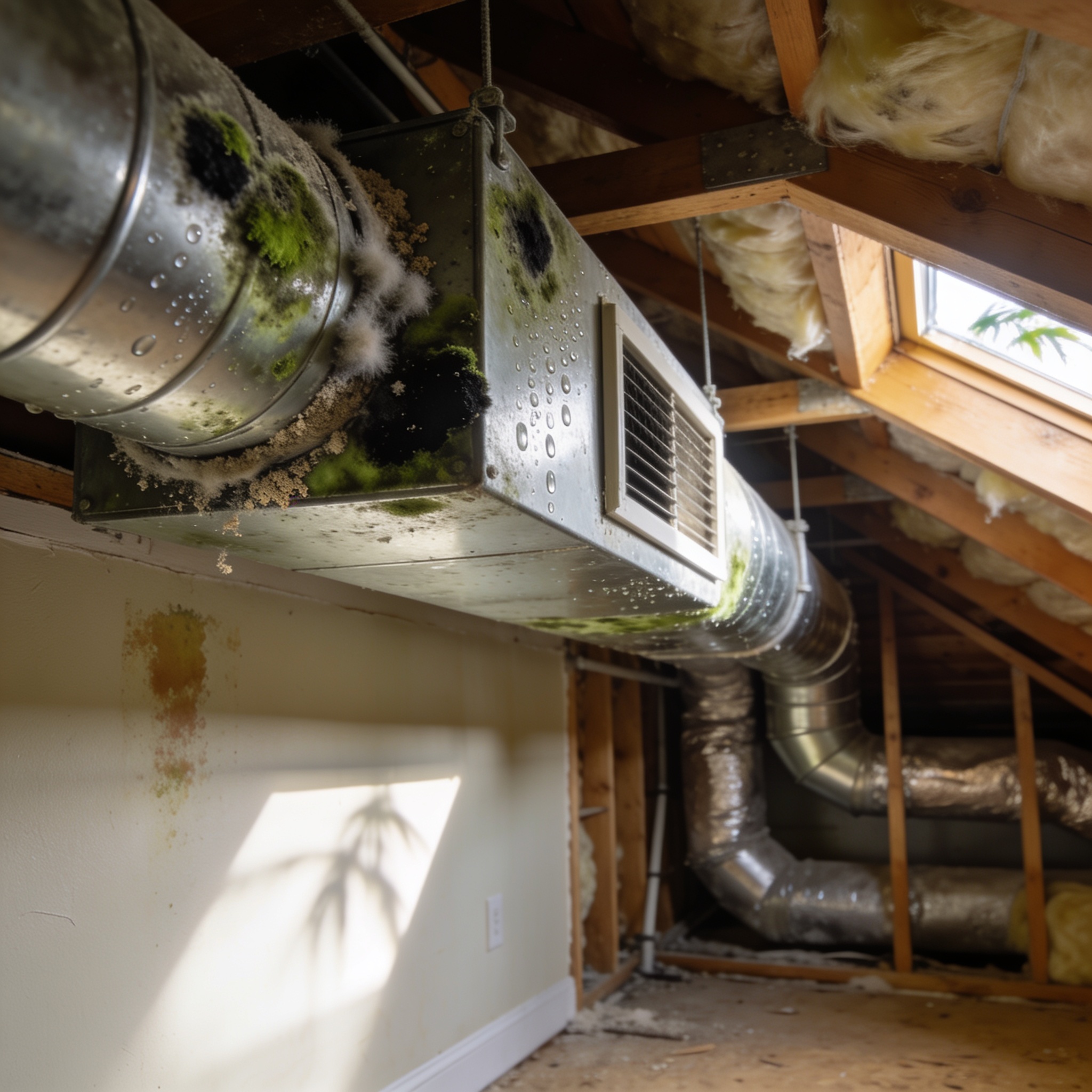
Mold in HVAC systems is extremely common in Southwest Florida due to the region’s high average humidity levels and frequent heavy rainfall. When moisture enters the ductwork, it creates a breeding ground for fungus that can circulate spores throughout your home. Homeowners must remain vigilant because the presence of mold can lead to poor indoor air quality and potential respiratory issues for residents. If you notice signs of mold, such as musty odors or visible growth, contacting professional Mold Remediation and Removal Companies is the safest way to assess the extent of the contamination and determine if the air duct mold removal is necessary. A malfunctioning ac unit can also lead to mold growth if condensation is not properly drained.
When Does Insurance Covers Mold Damage in General?
Insurance covers mold damage only when it is a direct consequence of a sudden and accidental water damage event, such as a supply line rupture. According to the Florida Office of Insurance Regulation, standard policies are designed to protect against unforeseen events rather than long-term wear and tear. If the mold is caused by a covered peril, the policy covers the damage to the affected property. For example, if you experience significant Water Damage Restoration from a roof leak during a hurricane, the resulting mold may be included in your claim. However, if the mold is not linked to a covered peril, the insurance company may not cover the remediation costs. In many cases, property insurance may not cover mold damage if it is determined that a lack of home maintenance allowed the issue to persist.
Does Home Insurance Cover Mold in Ductwork?
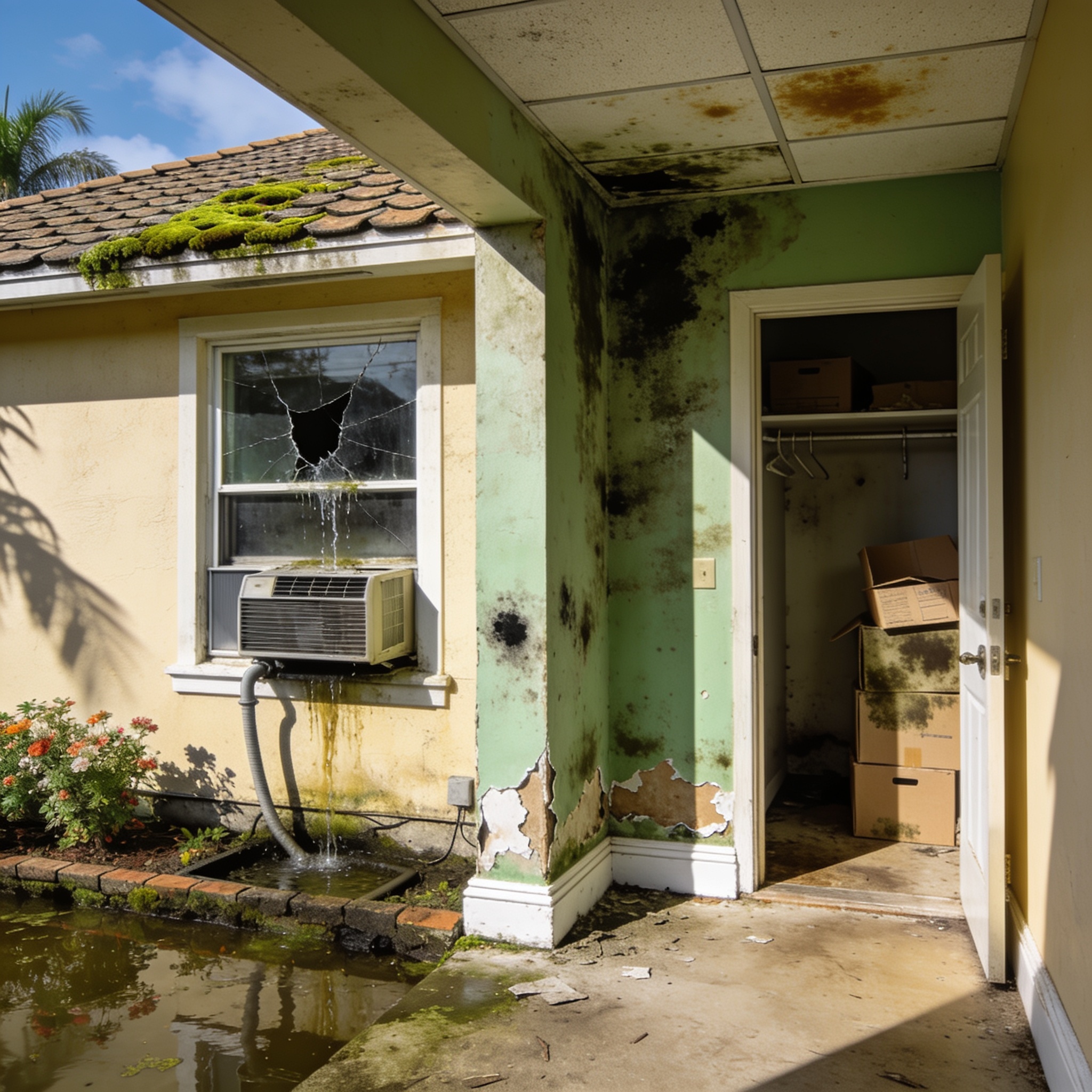
Replacing air ducts due to mold is rarely covered by insurance unless the damage was caused by a specific, sudden event. Most insurance providers categorize duct cleaning or replacement as home maintenance rather than a covered repair. Insurance companies argue that ductwork degradation is often due to age, lack of cleaning, or high humidity rather than a single accidental event. You should review your policy carefully to see if your specific is water damage covered by homeowners insurance includes provisions for HVAC components. Generally, policies don’t cover ductwork replacement if the mold was caused by condensation or neglect. If you discover hidden water damage, you must stop the water flow immediately to prevent further issues.
What Types of Leak and Water Damage Are Typically Covered?
Mold damage is typically covered if it results from a sudden, accidental water flow or leak that is promptly addressed. However, damage is typically not covered if it results from chronic issues like high humidity, condensation, or a slow, undetected leak. FEMA and the NFIP emphasize that flood-related mold is also excluded from standard homeowners policies and requires a separate flood insurance policy. Neglect, such as failing to repair a known plumbing clog or ignoring signs of moisture for months, will result in a denied claim. In these cases, mold damage isn’t considered an accidental peril, and the insurer won’t cover mold that develops over time.
Is Mold Covered by Insurance?
The primary factor determining coverage is whether the mold is the result of a “covered peril” or poor property maintenance. Adjusters look for evidence of how long the moisture has been present. A professional inspection is often required to prove that the mold growth was sudden and accidental. If the adjuster finds that water damage and mold were present for an extended period, they will likely conclude that the standard homeowners insurance policy won’t cover damages. If mold is extensive, the cost to repair mold damage can be significant, so verifying if it is covered by your insurance is a priority.
| Factor | Impact on Coverage |
|---|---|
| Sudden Pipe Burst | Likely Covered |
| Chronic Humidity | Not Covered |
| Roof Leak (Storm) | Likely Covered |
| Lack of Maintenance | Not Covered |
| Mold covered by insurance | Only if peril is covered |
Can You Add Supplemental Insurance Coverage for Mold Remediation?
You can often purchase a mold endorsement to add limited coverage for mold remediation to your existing policy. Many Florida insurers offer this as an optional add-on because standard policies are so restrictive regarding fungal growth. Adding this endorsement provides a safety net that covers expenses that a basic policy would otherwise refuse to pay. Without this, your homeowner’s insurance will cover very little, if anything, regarding professional remediation. If you are wondering if it is worth filing a claim, consult with a professional to see if the cost of repairs exceeds your deductible.
Does Insurance Pay for Mold Damage and Air Duct Cleaning?
The cost to remove mold from ductwork generally ranges from $500 to $2,000 depending on the severity and the size of the system. If you are wondering how much mold remediation removal cost, remember that professional remediation is necessary to ensure the spores are fully eradicated. Paying for professional service is an investment in your home’s health and the longevity of your HVAC system. Because insurance coverage for this is rare, homeowners often pay out-of-pocket to prevent further damage to your home. In some instances, the remediation may be covered if it is a direct result of a covered event where water causes mold.
Is It Worth Filing a Claim for Mold?
To file a claim, you must first document the source of the water damage and notify your insurance company immediately. Provide photographic evidence and keep all receipts related to emergency mitigation efforts. Following these steps precisely increases the likelihood that your insurance company will process the claim fairly. Be aware that if the inspector determines the mold covered the area due to long-term neglect, the company will likely deny the claim. You should assess if the repair costs are significantly higher than your deductible before deciding if it is worth filing a claim.
How Can You Prevent Mold Growth in Your Home and Ductwork?
Preventing mold growth in SWFL requires consistent maintenance of your home’s climate control and plumbing systems. Regularly changing your HVAC filters and scheduling professional air duct cleaning can prevent the buildup of dust and moisture that feeds mold. By keeping your system clean, you avoid the common pitfalls where insurance companies claim that mold damage isn’t covered because of poor maintenance. If you notice where mold develops, take immediate action to dry the area.
Frequently asked questions
Below are common questions regarding mold coverage in the Florida insurance market.
Does a standard policy cover mold from a hurricane?
It may cover mold if the damage was caused by wind-driven rain entering through a roof damaged by the storm, but not from storm surge or flooding. It doesn’t cover mold resulting from standing water or neglect.
Is mold coverage automatic in Florida?
No, mold coverage is not automatic and is often strictly limited or excluded entirely in standard Florida homeowners policies. Most policies don’t cover mold as a standard feature, though it may be covered if it is a direct result of a covered peril.
What if the mold is hidden inside the walls?
Hidden mold is only covered if you can prove it resulted from a sudden event like a plumbing leak that occurred within the policy period. If it resulted from a slow leak, the insurer will argue that it doesn’t cover the resulting growth.
Should I hire a public adjuster for a mold claim?
Hiring a public adjuster may be beneficial if your insurance company denies a valid claim or significantly undervalues the cost of remediation. They can help determine if the insurer is unfairly stating that they won’t cover mold damages.
See also: Water Damage Restoration
Our editorial team verifies licensing and reviews for every restoration company in the directory and writes practical, Florida-specific guides to help homeowners act fast and protect their insurance claims after water, fire, mold or storm damage.