How Much Does FEMA Pay for Smoke Damage? A Guide for Fire Victims
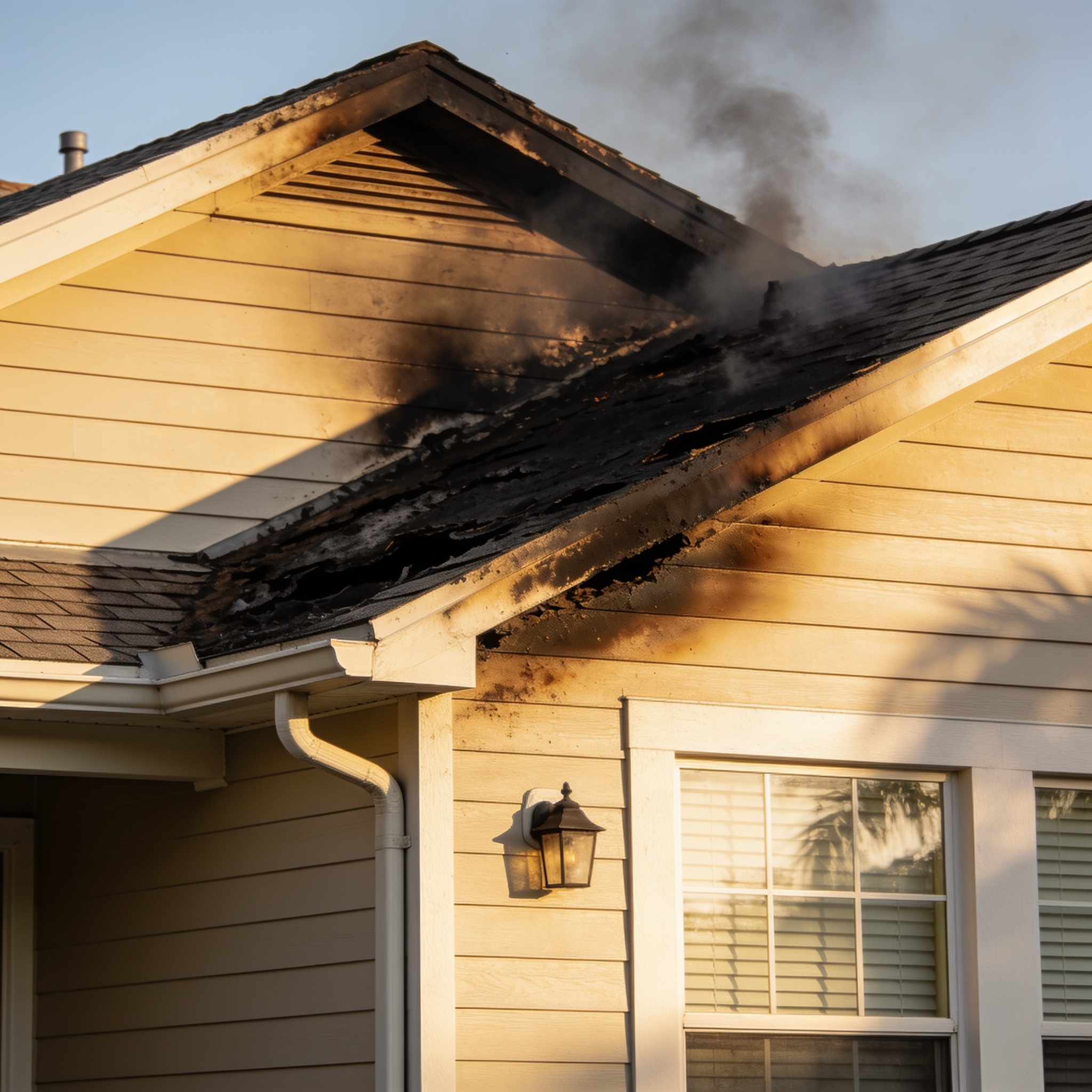
FEMA typically does not provide direct payments for smoke damage alone unless it is part of a federally declared disaster, with individual assistance grants often capped at a maximum of $43,600 for the 2024 fiscal year. While many fire victims in Southwest Florida look to federal aid, most smoke and ash damage claims are actually handled through private insurance policies or specific legislative funds like the Hermits Peak-Calf Canyon Fire claims office. For those impacted by the biggest wildfire in state history, which was caused by two botched prescribed burns, specialized recovery resources are available to address losses and other fire-related impacts to your property.
Key Takeaways
- FEMA assistance is generally reserved for major disasters rather than isolated smoke incidents.
- Private insurance remains the primary recovery path for most homeowners in Lee, Collier, and Charlotte counties.
- Documenting smoke and ash damage immediately is critical for any future potential claims.
- The Federal Emergency Management Agency requires proof that damage renders a home unsafe or uninhabitable.
- Professional restoration services are essential for mitigating long-term structural issues caused by soot.
- • source new mexico
How Much Does FEMA Pay for Smoke Damage on Average?
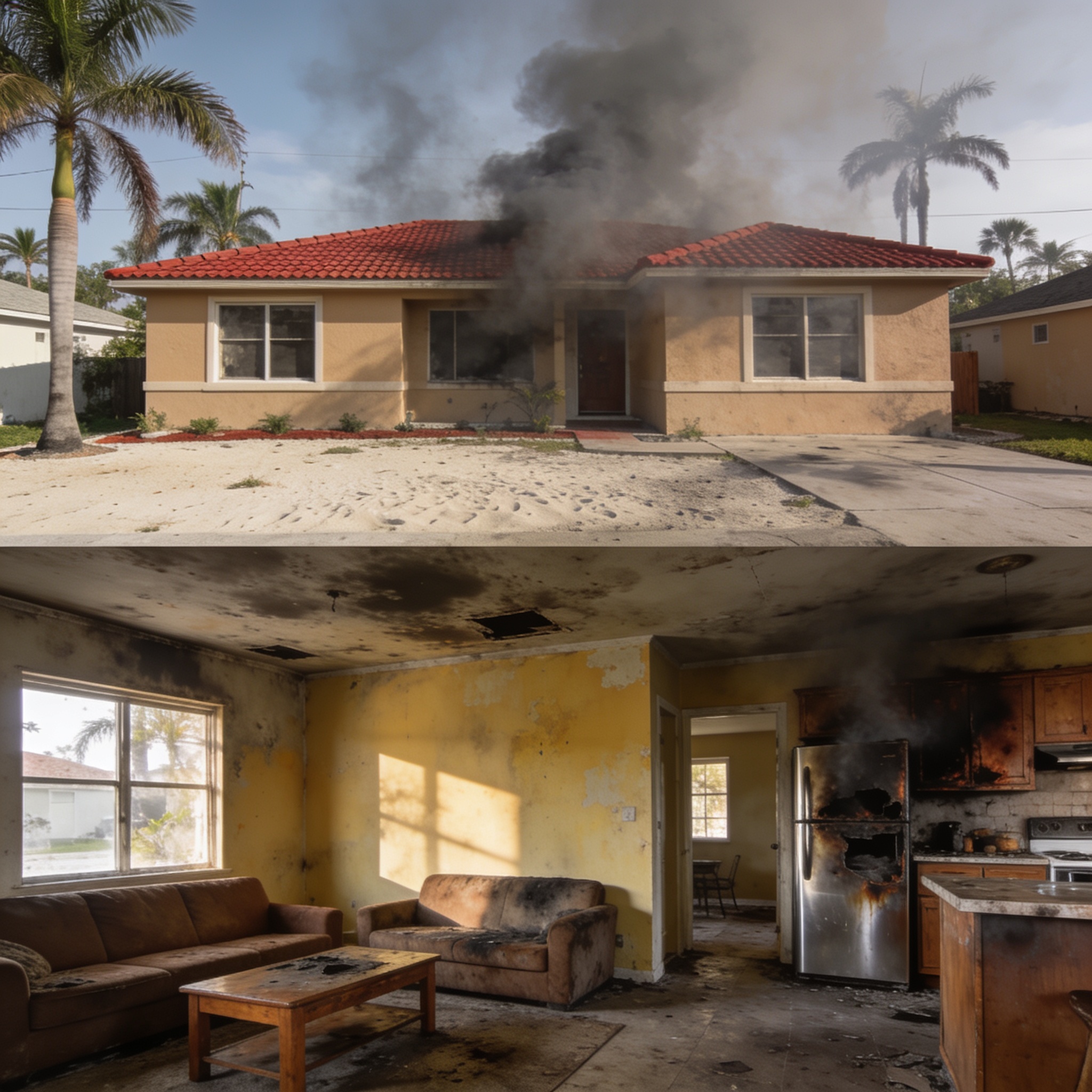
There is no fixed average for smoke damage payments because FEMA evaluates every case based on the specific impact to the habitability of the residence. The amount of assistance provided is determined by the verified cost to make your home safe, sanitary, and functional. In the context of the Hermits Peak-Calf Canyon fire, the federal government established a 4 billion fund to compensate victims for their losses. For standard disasters, FEMA grants are intended to supplement, not replace, private insurance coverage. Victims of the NM fire may be eligible for support if they lost their home or suffered significant property destruction.
What Is the Maximum Amount FEMA Will Pay Out for Smoke Damage?
The maximum amount for housing assistance and other needs assistance combined is adjusted annually by the Federal Emergency Management Agency based on the Consumer Price Index. For the 2024 fiscal year, the total maximum financial assistance a household can receive for all disaster-related needs is $43,600. This cap applies to the cumulative total of all disaster-related expenses, meaning smoke damage must compete with other urgent needs like temporary housing or structural repairs. If you are searching for local help, you may need fire damage restoration near me to address the soot before it causes permanent discoloration.
How Does the Claims Office
Determine How Much Money You Get for Smoke Damage?
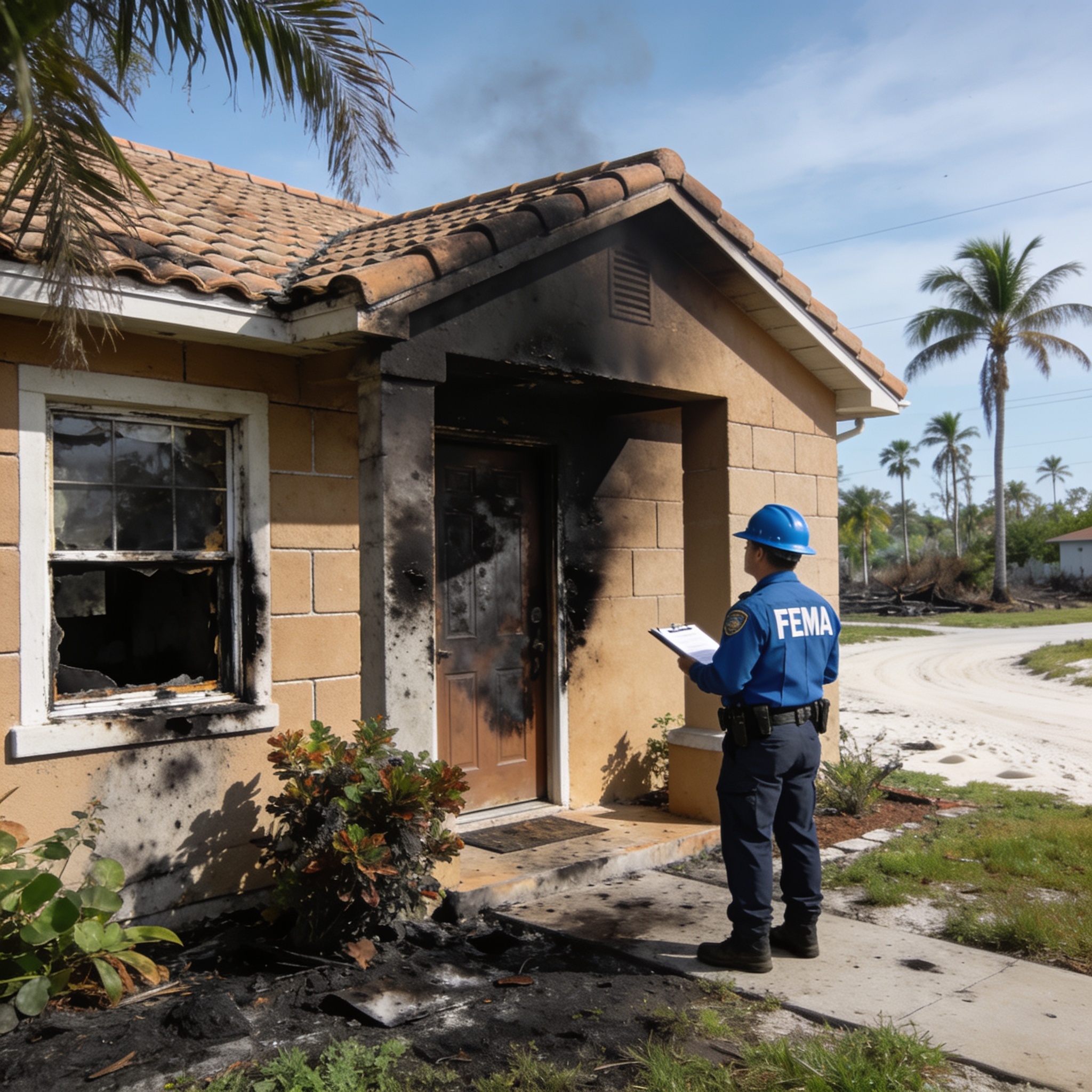
FEMA and the Hermits Peak-Calf Canyon claims office determine compensation by calculating the estimated amount of damage that prevents a homeowner from occupying their primary residence. Inspectors verify the physical damage to your property to ensure it meets the threshold for federal intervention. They look for evidence of smoke and ash damage that poses a health risk, such as toxic residue in HVAC systems or structural components. The assessment considers the amount of damage you experienced, including the burn scar left on the landscape, to determine the total payout for different types of losses.
Are You Eligible for FEMA Smoke Damage Assistance?
To be eligible for compensation, you must be a resident in a county designated for individual assistance following a major disaster declaration. You must prove that the smoke damage caused by the wildfire or secondary event has rendered your home uninhabitable. FEMA does not cover cosmetic smoke damage if the structure remains safe and functional. Individuals or families in northern new mexico who were affected by the two botched prescribed burns should contact the claims office helpline to verify their status. If you are in a high-risk flood zone, remember that standard flood insurance does not cover fire-related soot, though you may need Water Damage Restoration if fire suppression efforts caused water intrusion.
How to Homeowner
File a Claim and Prove Smoke Damage
Proving smoke damage requires a comprehensive record of the condition of your home before and after the event. Documentation must clearly link the smoke and ash damage to the specific disaster event identified in the federal declaration. To file a claim, you must submit a proof of loss form detailing the damage to my house. You should provide photos, professional cleaning estimates, and air quality reports. For official updates, visit fema.gov or check source new mexico for reporting on the recovery process.
How to File a FEMA Smoke Damage Claim: Step-by-Step Process
The process begins by visiting DisasterAssistance.gov to submit a notice of loss. You must submit a notice of loss as soon as possible to ensure your application is processed within the required deadlines. Follow these steps to progress your claim:
- Register your account on the official portal.
- Complete the application detailing the specific damage to your house.
- Schedule an appointment with a FEMA inspector.
- Provide your insurance settlement documents to show what your policy did not cover.
What Documents Do You Need to Support Your FEMA Smoke Damage Claim?
Supporting documentation is the foundation of any successful claim for fire victims. You must provide a copy of your insurance policy and the settlement letter from your provider to prove you have exhausted your coverage. Gather the following items:
- Proof of ownership or rental agreement for the property.
- Detailed inventory of damaged personal property.
- Receipts for any emergency repairs or temporary housing costs.
- A copy of the official disaster declaration notice.
Should You Hire a Public Adjuster or Work Directly with FEMA?
Deciding whether to hire a public adjuster depends on the complexity of your smoke damage claim and the value of your losses. A public adjuster can help navigate the technical requirements of the claims office, though they will charge a percentage of your final settlement. While you can work directly with the federal office overseeing compensation, a professional can often identify hidden soot damage that a layperson might miss. If you are curious about the cost of professional remediation, you can research how much mold remediation it typically costs to clean specialized surfaces.
How to Appeal a FEMA Decision If Your Smoke Damage Claim Is Denied
If your claim is denied, you have the right to file a written appeal within 60 days of the date on the decision letter. Your appeal must include new or additional information that addresses the specific reasons for the denial provided by the claims office. Clearly explain why you believe the decision was incorrect and attach supporting evidence like contractor estimates or medical records. Always include your registration number and the disaster number on every page of your correspondence.
Frequently asked questions
Understanding the nuances of federal aid can help you navigate the recovery process more effectively.
Does FEMA cover smoke damage from a neighbor’s fire?
FEMA typically only covers damage resulting from a federally declared disaster, not private incidents between neighbors.
Can I get FEMA aid if I have private insurance?
Yes, but FEMA will only cover the “gap” between your insurance payout and the actual cost of necessary repairs.
How long does it take to get a decision after I submit a notice of loss?
Most claimants receive a decision within 30 to 45 days after the inspector has visited the property.
Is ash damage considered the same as smoke damage?
Yes, both are generally categorized as fire-related damages, provided they are caused by the declared disaster event.
What if my home was destroyed in the fire?
If your home was destroyed in the fire, you should prioritize applying for both housing assistance and other needs assistance immediately.
See also: Water Damage Restoration
Our editorial team verifies licensing and reviews for every restoration company in the directory and writes practical, Florida-specific guides to help homeowners act fast and protect their insurance claims after water, fire, mold or storm damage.