Fire Damage Restoration Cost: A Complete Pricing Breakdown
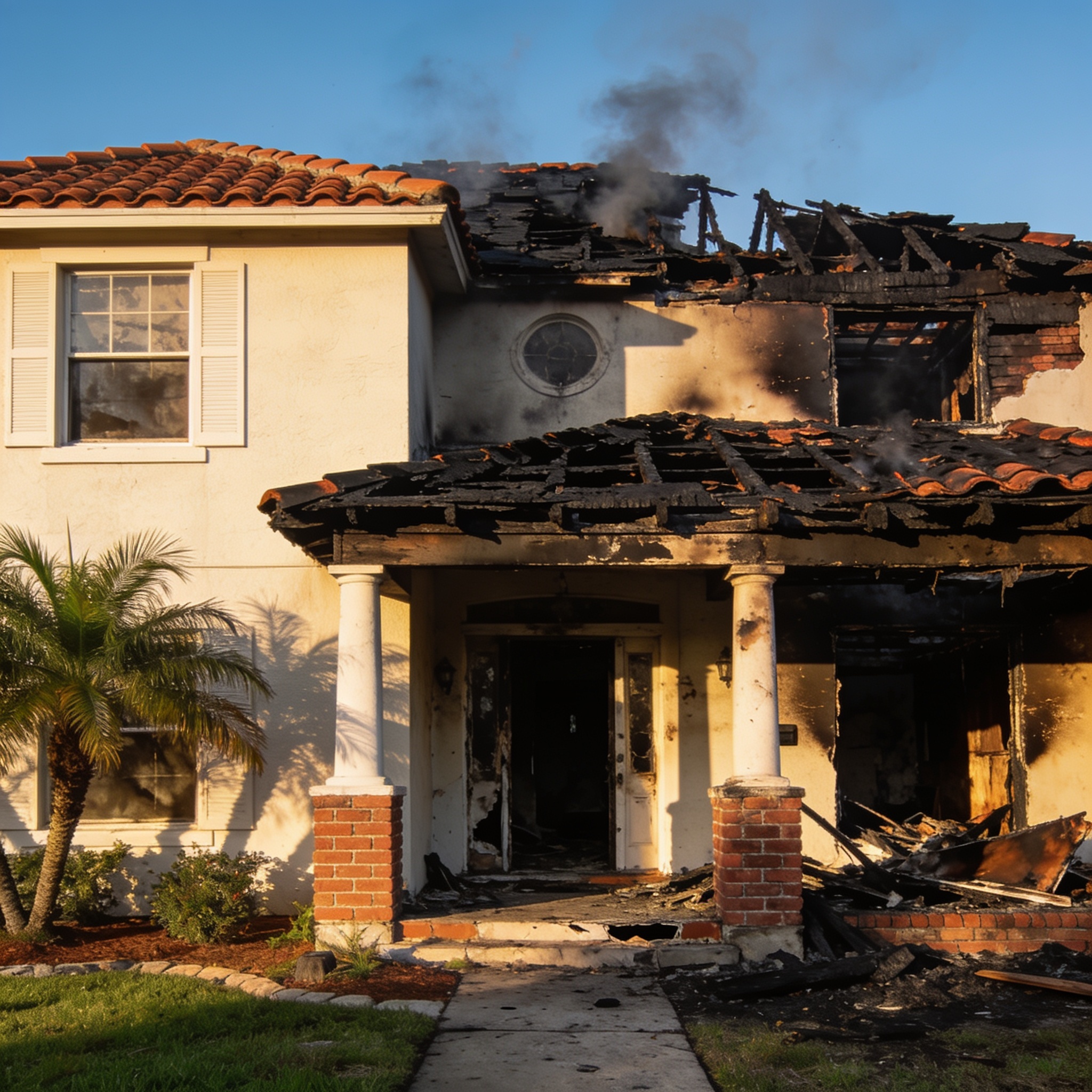
The total fire damage restoration cost typically ranges from $3,500 to $25,000 for a small fire, though major structural damage in Southwest Florida can easily exceed $50,000 depending on the extent of structural damage. Understanding how much does fire damage restoration cost requires evaluating the specific type of damage, including the impact of soot and smoke, and water on your property. This guide provides a transparent look at the financial and logistical realities of dealing with fire damage and repair and restoration after a fire, including specific considerations for damage in california and other regions. When dealing with fire, remember that fire can cause significant hidden issues, so returning home after a fire should only happen after professional clearance.
Key Takeaways
- Total costs are heavily influenced by the square footage affected and the presence of secondary damage from water.
- Insurance policies cover fire damage, but you must document all losses thoroughly.
- Immediate action is required to prevent soot from etching into surfaces and causing permanent staining.
- Professional
restoration companies
utilize specialized equipment to neutralize smoke odor and remediate hazardous materials. - The cleanup and restoration process involves a sequence of emergency mitigation, structural cleaning, and final reconstruction.
Cost of Fire Damage Restoration
The average cost of fire damage restoration is determined by the scope of the fire damage cleanup and the repairing structural damage required. Because fire damage restoration costs vary widely, most homeowners will see costs can vary significantly based on whether the fire was contained to a single room or spread throughout the HVAC system. You should expect to pay a premium for emergency fire damage repair services that prevent secondary issues from high humidity levels common in Florida.
Fire Restoration: What Factors Influence Costs?
The final cost depends primarily on the intensity of the heat and the chemical composition of the smoke residue. The type of fire—such as kitchen grease fires versus electrical fires—dictates the cleaning intensity. Additionally, damage severity and the age of your electrical wiring can influence costs if the system requires a full code-compliant upgrade. In SWFL, the presence of high moisture can accelerate the corrosion caused by soot, making rapid intervention essential. We often use fire extinguishers to stop initial flames, but the remaining damaged areas require professional restoration work.
Average Cost of Fire Damage: Comparing Service Types
Calculating the cost to restore your property is difficult because fire incidents almost always involve significant water damage from firefighting efforts. While fire damage restoration costs vary, the following table provides a general comparison of typical service categories:
| Service Type | Cost Drivers | Complexity Level |
|---|---|---|
| Minor smoke damage cleanup | Odor removal, surface wiping | Low |
| Moderate fire restoration cost | Drywall replacement, soot removal | Medium |
| Extensive damage rebuild | Rebuild, electrical, plumbing | High |
| Total restoration | Full structural rebuild | Very High |
Fire Restoration Cost: per square foot
Comprehensive smoke damage restoration includes soot removal, structural stabilization, and professional odor neutralization to ensure the home is safe for occupancy. Professional damage cleanup costs are often calculated per square foot, typically ranging from $4 to $15 depending on the severity. These costs include a variety of factors: material costs for replacement items, specialized labor costs for certified technicians, and the actual costs of debris disposal. If you need professional help, our fire damage restoration team follows IICRC standards for every project to ensure the final cost is optimized for your budget.
What Are the Steps Involved in the restoration service
Process?
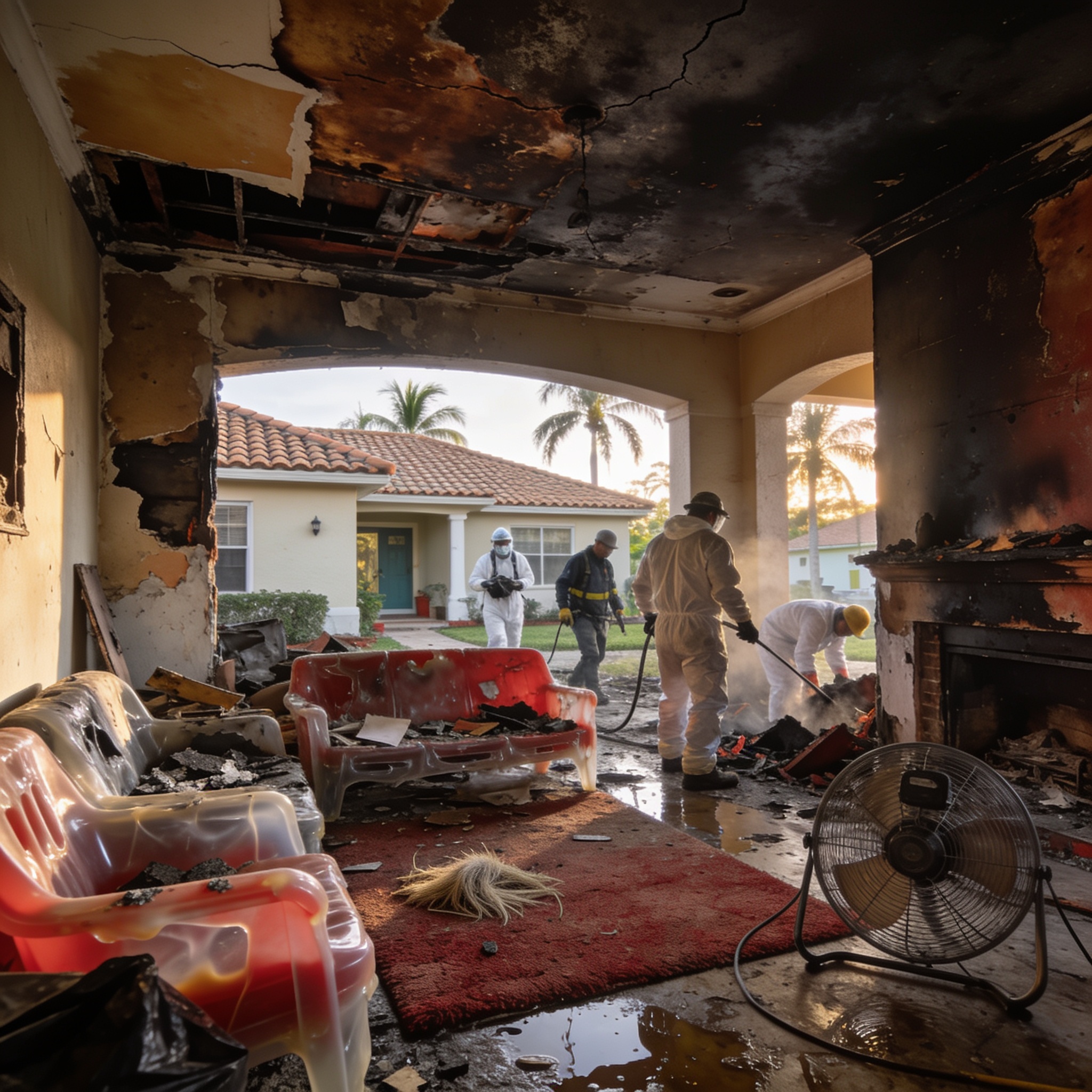
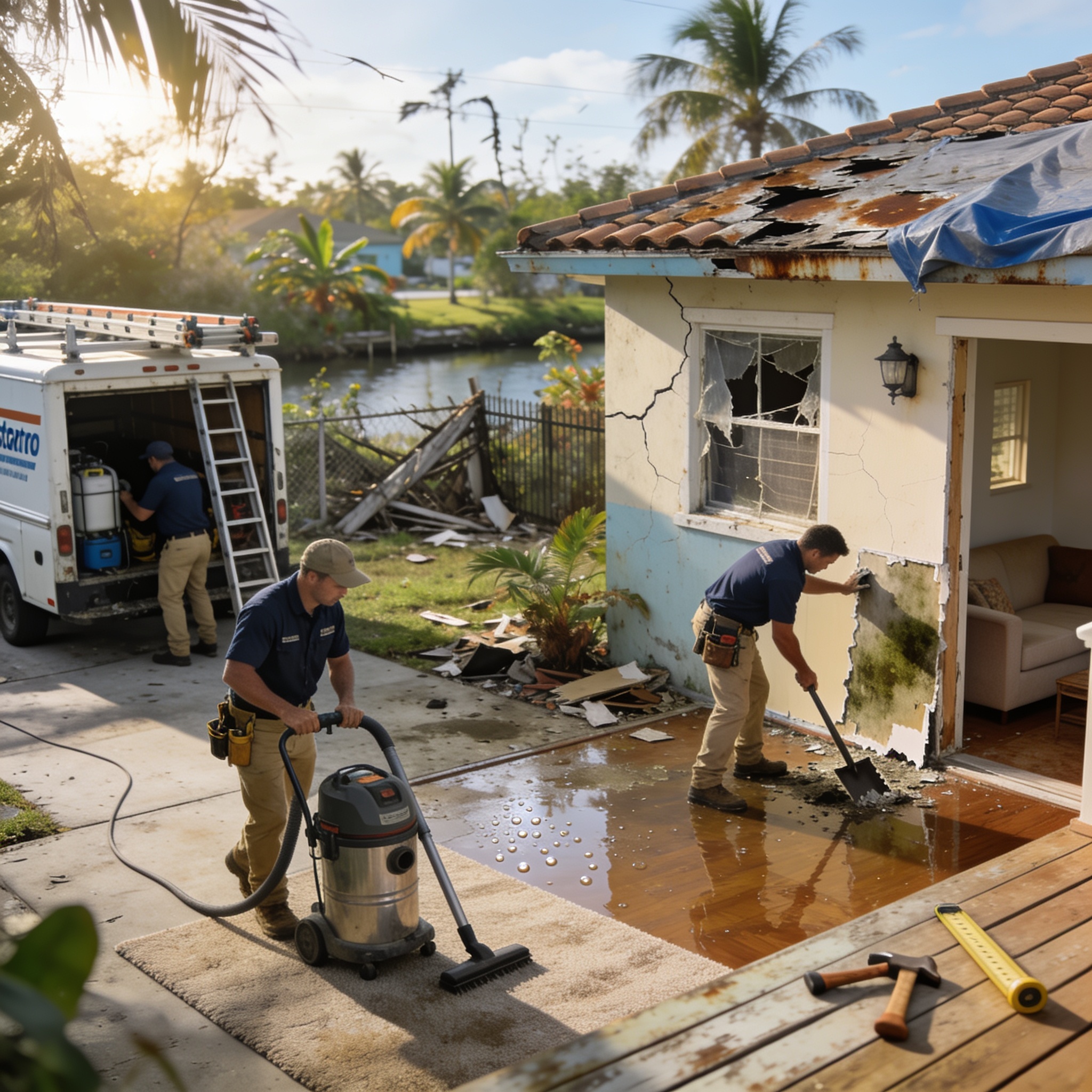
The restoration process begins with an emergency inspection to secure the property and prevent further damage from the elements. After the fire department clears the scene, professionals board up windows and doors to protect against Florida’s unpredictable weather. Next, the team performs water extraction to address Water Damage Restoration caused by hoses. Finally, the cleanup phase transitions into structural elements repairs and the final rebuild of the affected areas.
How Quickly Should Fire Damage Restoration Begin After a Fire?
Restoration companies recommend starting the cleanup process within 24 to 48 hours to minimize permanent damage to building materials. Soot is acidic and will begin to etch into paint, metal, and glass within days, especially in the humid climate of Southwest Florida. Delaying the start of Water Damage Restoration can also lead to rapid mold growth, which complicates the overall recovery. Taking immediate action is the most effective way to keep your total costs manageable.
Can a House With Fire Damage Be Restored or Repaired?
Most fire-damaged houses can be fully restored to their pre-loss condition if the structural integrity of the foundation and framing remains intact. Even in cases of significant damage, specialized equipment can remove smoke odor and soot from deep within the structure. If you are concerned about your specific situation, you can review our guide on fire damage restoration cost naples to understand the common repair paths. An expert assessment will determine if the cost to repair fire damage is more economical than a total rebuild.
Is Anything Salvageable After a Fire?
Many personal belongings can be salvaged through professional content cleaning and specialized deodorization processes. Technicians use ozone generators and ultrasonic cleaning to remove smoke and soot from furniture, clothing, and electronics. However, items that have been exposed to extreme heat or toxic chemicals may need to be discarded for health reasons. Always consult with your insurance adjuster before disposing of any items to ensure they are documented for your claim.
Does Homeowner’s Insurance Cover Fire Damage Restoration?
Most standard homeowner’s insurance policies cover the cost of fire damage restoration, including the necessary cleanup and structural repairs. You must contact your insurance company immediately to open a claim and receive guidance on preferred vendors. Documenting the extent of the damage with photos and videos is critical for a smooth recovery process. For context on local pricing, you might also research water damage restoration cost fort myers to see how regional labor rates fluctuate.
How Long Does Fire Damage Restoration Take?
The duration of the restoration process varies from a few weeks for minor smoke incidents to several months for comprehensive restoration of structural repairs. Factors such as the availability of materials and the complexity of the rebuild will dictate the timeline. In Florida, permitting processes for structural repairs can also impact the schedule. Clear communication with your restoration contractor is vital to managing expectations throughout the duration of the project.
Frequently asked questions
These common questions provide clarity on the financial and operational aspects of recovering from a house fire.
How do I get an accurate estimate costs for my property?
You must schedule an on-site inspection with a licensed restoration professional who can assess the specific damage to your home’s structure and contents.
Is soot removal included in the initial quote?
Most professional quotes include soot removal as a standard line item because it is essential for preventing long-term odor and structural degradation.
Will my insurance company pay the restoration company directly?
Many restoration companies work directly with insurance companies, though you should always verify the payment terms in your contract before work begins.
What is the biggest risk if I delay cleanup?
The biggest risk is the permanent etching of soot into surfaces and the development of secondary mold growth due to lingering moisture.
Our editorial team verifies licensing and reviews for every restoration company in the directory and writes practical, Florida-specific guides to help homeowners act fast and protect their insurance claims after water, fire, mold or storm damage.